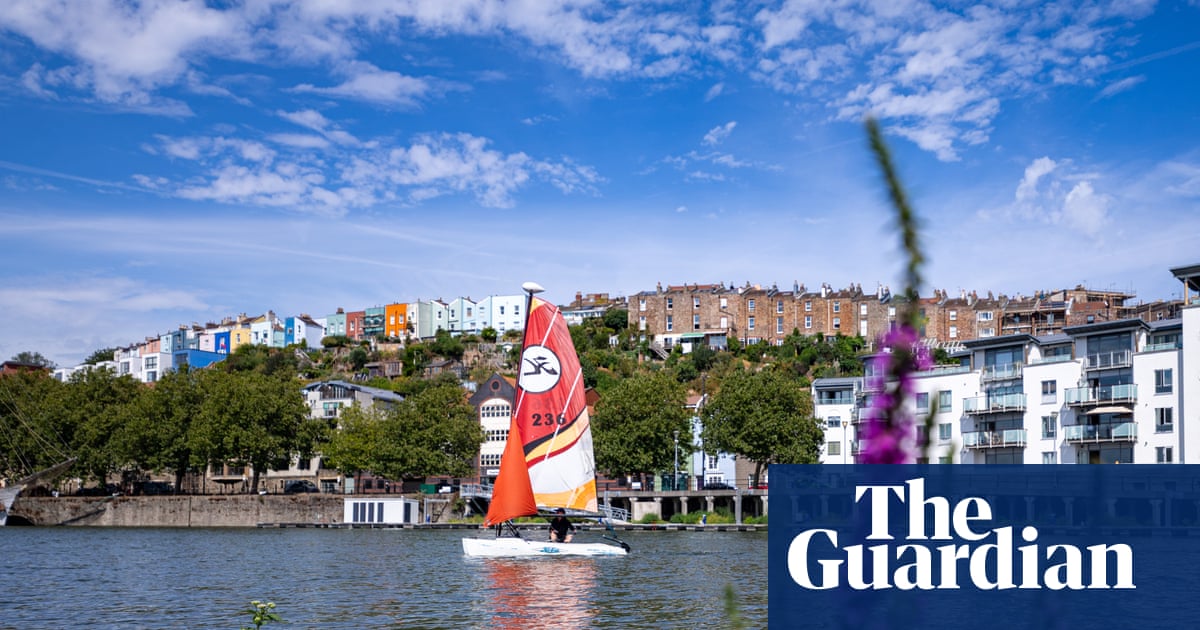
Bristol aims to become UK’s first ‘wetland city’ and reduce flood risk
Five-year project will create wildlife corridors by building wetlands and increase access to green and blue spaces
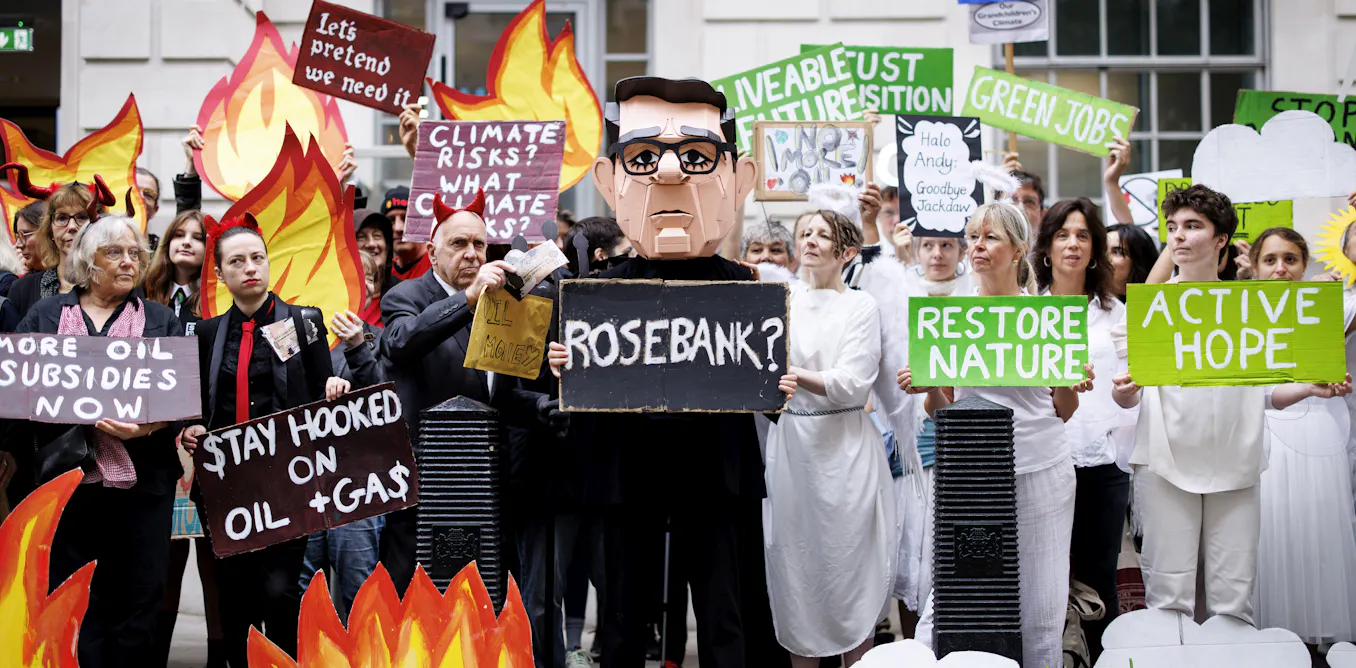
Hope is back! That’s what worries me.
You say there’s hope. You get upset when someone says it’s too late or that the world is spinning out of control. You know they’re wrong. Because you know that everything can change.
Bristol aims to become UK’s first ‘wetland city’ and reduce flood risk
Five-year project will create wildlife corridors by building wetlands and increase access to green and blue spaces
Technological Optimism and the Unspoken Abandonment of Paris
On 7 October 2026, The Guardian published an article titled Scientists who put faith in technology are less likely to take climate action. The article reported on a study by the London School of Economics, which surveyed more than 9,000 scientists across 115 countries about their views on whether technology will largely solve the problems caused by climate change. The findings suggested that scientists expressing greater faith in technological solutions were less likely to engage in civic action or make significant changes to their own lifestyles.
Local News and Climate Views: What Americans Want to Know About Climate Change in Their Communities - Center for Climate Change Communication
REPORT SUMMARY This report presents findings from a July 2026 survey of 1,015 U.S. adults (age 18+) about local news and climate change conducted by the George Mason University Center for Climate Change Communication. It examines the role of local news in community life, the news sources people use and trust, and the climate stories […]

Andy Burnham and climate change: where does the prime minister really stand?
Despite going to the UN summit, Cop31, he still hasn’t been clear about where climate sits on his agenda.
You’ve been told to prep three days of food, but moving past day four will need stronger supply chains
Supply chains have been designed for efficiency rather than resilience.

How To Stop Dawdling And Commit
One technique to help create characters that feel something
How Identity Leadership Drives Collective Action for Sustainability
The climate crisis presents an unprecedented challenge that requires collective behavioural change on a large scale. Drawing on the social identity approach to crisis leadership, this paper examines how identity leadership principles can mobilise sustainable behaviours. Through integration of recent empirical findings from acute crises and theoretical insights from the identity leadership literature, I propose a framework highlighting that climate leadership involves three key processes: (1) creating shared group identity that makes climate action identity-relevant, (2) building collective efficacy beliefs that transform individual helplessness into group agency, and (3) embedding sustainable practices as group norms. However, climate leadership faces unique challenges distinct from acute crises. The paper also addresses tensions between local identity mobilisation and global coordination, alongside social justice considerations that emerge when climate impacts and action capacities vary across groups. I conclude with policy recommendations for fostering identity leadership at multiple levels, including community-level training programmes, organisational interventions, and international coalition-building strategies, while protecting against manipulation. I argue that the path to sustainability requires navigating collective identity processes within contested influence dynamics. JEL Classification: Q54; D91; Z13

Manage derailment risks to avoid Hothouse Earth
The risk of a ‘Hothouse Earth’ trajectory has become increasingly prominent in debates about Earth system stability and climate overshoot. Existing analyses primarily focus on biophysical feedbacks that may amplify warming beyond direct anthropogenic forcing. We argue the concept has not previously incorporated how social destabilisation lowers the effective threshold at which biophysical tipping dynamics become self-sustaining, independently of further anthropogenic forcing and so undermines the capacity for planetary stewardship. We define ‘derailment risk’ as the possibility that escalating Earth system disruption weakens the social, political, and economic conditions required to sustain mitigation, adaptation, and ecological restoration. Such risks emerge when climate impacts contribute to a wide range of challenges, including debt crises, institutional erosion, political fragmentation, supply-chain instability, and declining public support for environmental action. These reinforcing feedbacks may reduce humanity’s capacity to respond even before biophysical tipping thresholds are crossed. We therefore extend the Hothouse Earth framework by incorporating social dynamics into the Earth system stability landscape. We propose a three-stage framework for assessing and managing derailment risks: conceptual mapping of socio-biophysical feedbacks; anticipatory resilience-building interventions; responsive governance strategies for periods of escalating instability. We conclude that planetary stewardship should prioritise maintaining and expanding collective agency under worsening Earth system stress.
GALLANT Gathering set to showcase success of ‘living lab’ research project
A pioneering project which is using Glasgow as a ‘living lab’ to explore new ways of making cities more resilient to the effects of climate change is celebrating five years of research with a sold-out three-day event at the University of Glasgow.
The Narratives We Need – PIRC
We spoke to over 200 campaigners and reviewed 10 years of research on framing. Here are the five key lessons we learned...

That feeling of values crumbling has a name: civic grief | Psyche Ideas
Fairness, dignity and shared obligation are precious. Grieving their loss is a first step toward doing something about it
Critical Mess to Critical Mass: democratic innovation for collective climate action | Thrivable Scotland | Offprint
How democratic innovation can build trust to unlock and mobilise collective intelligence for meaningful collective action. With Prof Oliver Escobar.

Fraser MacDonald · Who owns the glen?
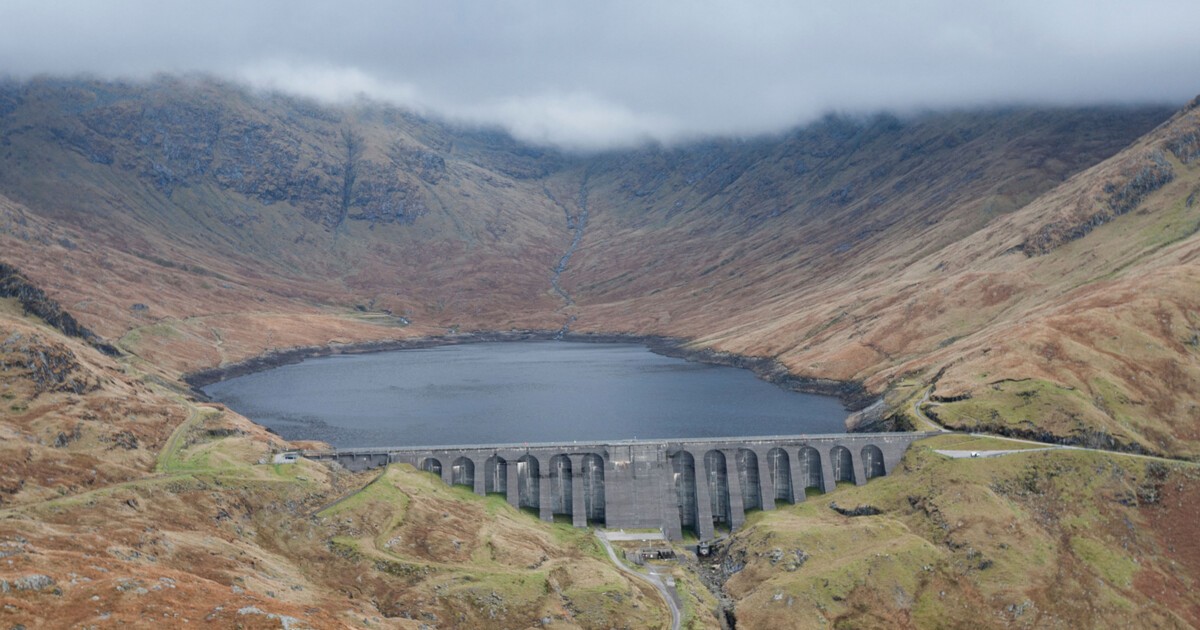
Girning about hydro power in Strathglass is a bit like moving to Soho and complaining about the noisy nightlife. This...
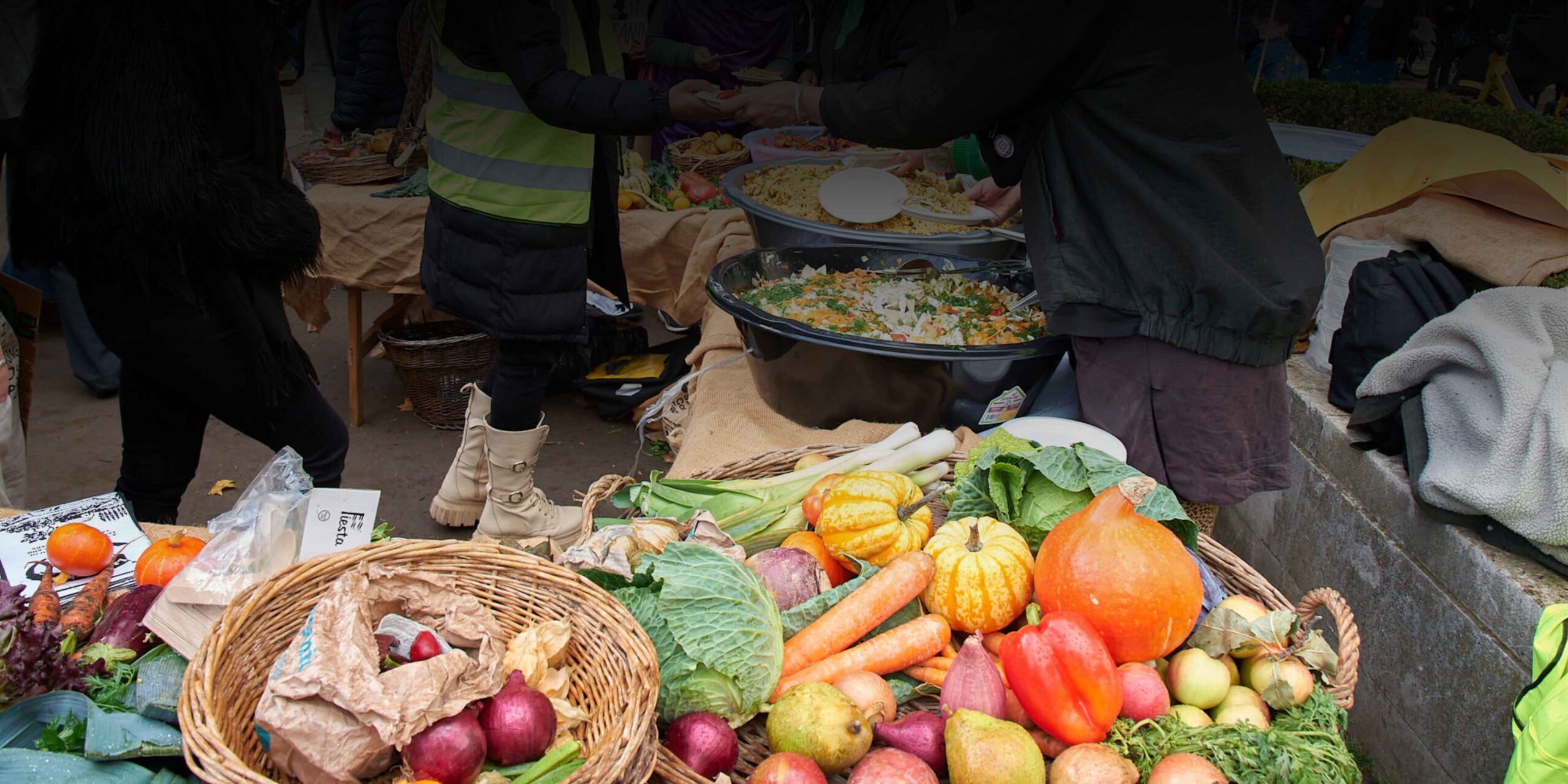
The answer to national security is not militarism; it’s food sovereignty. - Landworkers Alliance
We are a union of farmers, growers, foresters and land-based workers with a mission to improve the livelihoods of our members and create a better food and land-use system for everyone.
How to Live on Earth | Feature Documentary | Presented by Benedict Cumberbatch

Podcaster, facilitator and improviser, exploring how people and the rest of nature can thrive, right now and whatever the polycrisis brings. thrivablescotland.com 📍Edinburgh, Scotland

