Collection
Skyreader Saves

Updated 5h
Collection
Updated 5h
Four ways cities can help protect democratic values
Cities can provide a place for citizens to assert their democratic values.
AI and The Enclosure of the Scientific Commons
The scientific literature can be viewed as an "information commons:" an intangible resource that "no one owns and is shared by everyone." There are well-established economic and political frameworks for understanding such commons, emerging from the history of agricultural common lands found in places like preindustrial England. This article provides a primer on the history and these frameworks, and considers a key difference between the information commons and the fields of yore: while information commons are robust and immensely valuable --- some can be said to rank among humanity's greatest achievements --- the English agricultural commons no longer meaningfully exist. The latter are gone not because of the well-known "tragedy of the commons," but rather a phenomenon known as the enclosure movement (~1600--1800) that transformed the common lands into private property. Many observers, then and now, judge enclosure to have been theft at a societal scale. This article argues that artificial intelligence (AI) provides precisely the tools needed to enable a previously-infeasible enclosure of the information commons. Although AI-enabled enclosure does not operate identically to physical enclosure, it shares the key features of turning the commons into private wealth and undermining the social systems that support them (via "slop spam"). The concepts presented in this article can provide a scholarly basis for interrogating the foreboding feeling that AI may represent not just a smash-and-grab, but an attack upon a whole way of life.

Attainability Index - Best for Britain
The 'Attainability Index' takes wage data from the past 20 years, together with the varying costs of goods and services, and determines how many hours a person would have to work to afford them.
Why sunlight is vital to our physical and mental health | Psyche Notes to Self
The new book ‘In Defense of Sunlight’ argues that our concerns about the sun’s risks lead us to overlook its benefits

Messy, risky outdoor play is important for children, but adults can stop them enjoying it
Are adults unintentionally limiting children’s risk-taking outdoors?
Changemakers, Then and Now: Celebrating Ten Years of Invisible Cities - The Cockburn Association
By Rowan Brown, Director, The Cockburn Association Our namesake, Lord Henry Cockburn, and his allies, were changemakers. Compelled by what we might term today social justice principles, they rallied against the abject poverty, dangerous housing and poor health they experienced in nineteenth-century Edinburgh. A gregarious and accomplished individual, Lord Cockburn was a circuit judge, whose consequential tours across the length ...

Before the Storm Toolkit
Adaptation as a catalyst for social change - MACC Hub
Explore how transformational adaptation can address climate risk, inequality and austerity by investing in people, wellbeing and more resilient societies.

Food resilience isn't a cupboard full of tins | Sustain
Last week, Environment Secretary Angela Eagle advised the public to stock up on tinned goods in case of disruptions to Britain’s food and energy supply. But not everyone can afford to do so. Our Capital Growth Coordinator Rachel Dring takes a look at communities across London offering the alternatives, and argues true resilience means far more support for UK growers.

Developing a Valencia Strategy: laying track in front of the train – Scottish Communities Climate Action Network & Transition Scotland Hub
"In a situation like this there has to be a plan. You can’t make it up on the fly in the middle of a breakdown." Ministry for the Future, Kim Stanley Robinson “Preparedness is not just about having stuff, it's…
Social Influence and Action — Jen Christiansen
I’m wary of climate solutions that are hyper focused on the action of individuals as opposed to systems and corporations. Do you experience carbon footprint guilt every time you board a plane to visit family too? Well, that whole schema was a product of the PR firm Ogilvy & Mather for British Petroleum. It was an effort to shift focus away from oil companies and onto individual responsibility to lower greenhouse gas emissions. For more, read “The carbon footprint sham” by Mark Kaufman for Mashable in 2021, and “Big oil coined ‘carbon footprints’ to blame us for their greed. Keep them on the hook” by Rebecca Solnit for The Guardian.

Why are we obsessed with Viking ferocity? Because they lost!
UHI Institute for Northern Studies alumnus Stephen Barnaby discusses his research on the Vikings in our latest guest blog post. Consider this account, by a British monk, of an invasion of his own C…

The gift of growing an absurd amount of tomatoes
There’s something miraculous about starting a tomato from seed. A tiny seed that sprouts into a little seedling in March becomes a six-foot-tall plant that can produce dozens of tomatoes through September. Such natural abundance, all from a single plant.
What Did Folklore Do?: The Social Functions of Tradition
Cambridge Core - Cross-Discipline History: General Interest - What Did Folklore Do?
The Climate Movement Isn’t in Retreat, It’s Under Attack…and It’s Time to Fight Back | Newsletter
In 2020, a source shared a presentation with me from an internal branding workshop they’d been asked to attend for bp. It was fascinating for a number of reasons, not least because it indicated that the oil major felt genuinely threatened by a surprising new enemy: young people. There have always been ebbs and flows […]
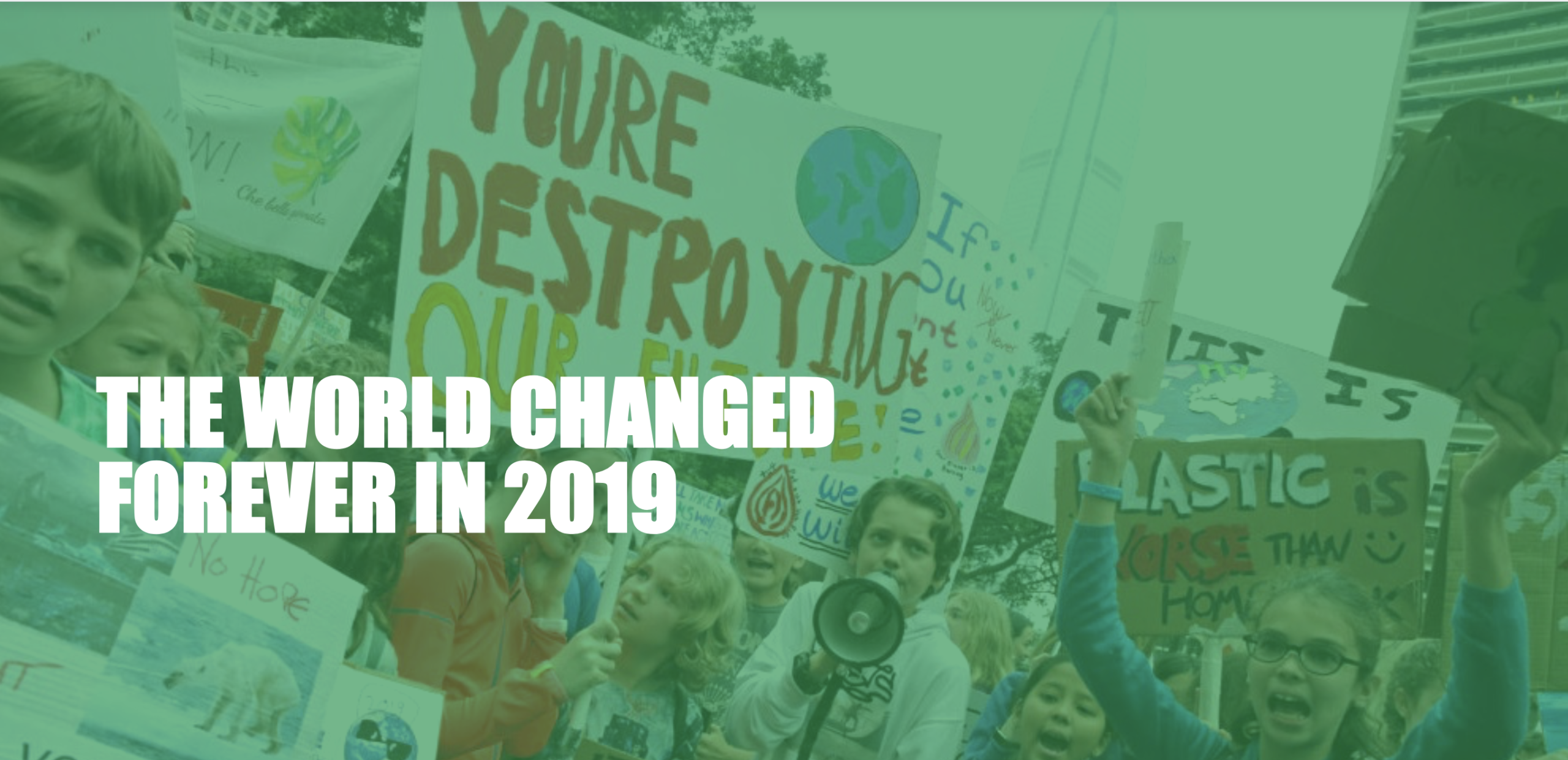
What’s your apocalypse skill? Finding a future-proof hobby can bring fulfilment today
Take inspiration from Doomsday preppers with the idea of learning practical skills.