Cellosophical Explorations #2 - Cellosophy
Bacterial Chemotaxis as a model system
The fungal mind: on the evidence for mushroom intelligence | Psyche Ideas
The evidence for fungal intelligence is in: they can operate as individuals, make decisions, learn, and have short-term memory

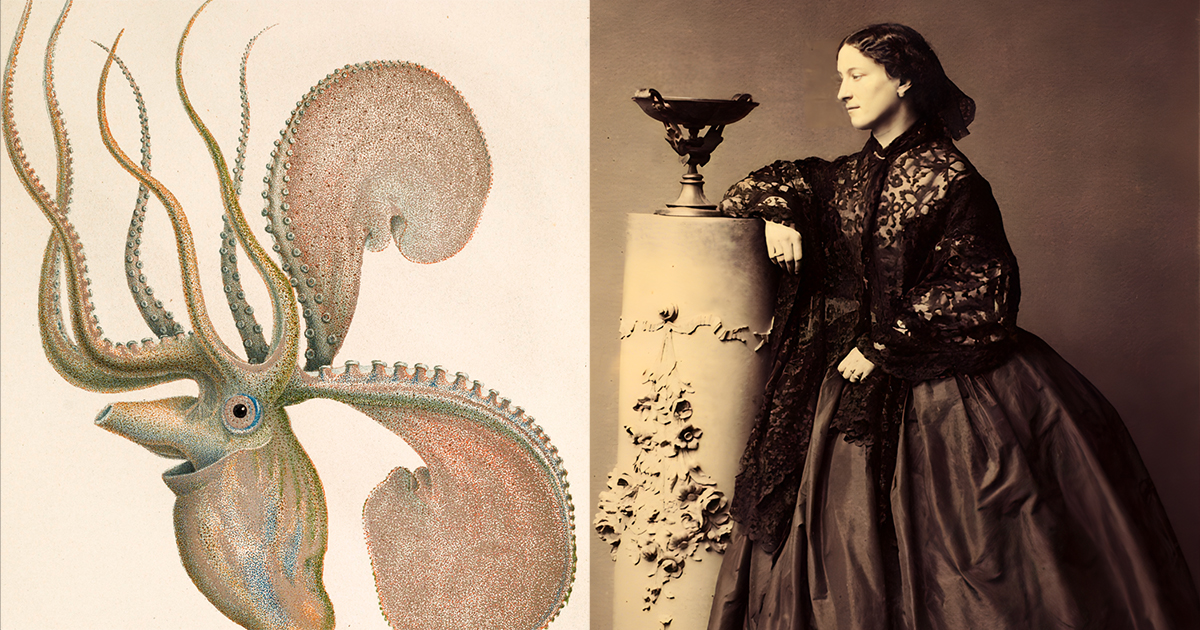
The Seamstress Who Solved the Ancient Mystery of the Argonaut, Pioneered the Aquarium, and Laid the Groundwork for the Study of Octopus Intelligence
“I armed myself with patience and courage, and only after several months managed to dissolve my doubts and see my research crowned with happy confirmation.”
EPISTEMIC STIGMERGY: NATURAL VS. ARTIFICIAL INTELLIGENCE
The article\(^{1}\) defends the thesis that intelligent behavior might require not internal complexity but complex interaction. This is demonstrated by the various forms of stigmergy that can be observed both in social insects and in humans. The exposition is structured as follows: (§0) explains how the term “intelligence” is interpreted in the following text; (§1) clarifies the relation between intelligence and complexity; (§2) shows that intelligent behavior does not require internal complexity; (§3) introduces the concept of stigmergy; (§4) presents the mechanisms that give rise to this phenomenon; (§5) distinguishes several types of stigmergic interaction; (§6) briefly discusses the evolutionary mechanisms that could have produced them; (§7) sketches the possible ways in which the concept of stigmergy is used outside biology; (§8) examines collaborative stigmergy in humans; (§9) points to its epistemic projections; (§10) outlines some conclusions concerning the role of artificial intelligence systems and their place in human society.
The Octotypic Mind
Carcinization, Cognitive Prosthetics, and the Shape of Intelligence After AI
The Octopus: An Alien Among Us
Self-replicating, bacterial life first appeared on Earth about 4 billion years ago. For most of Earth’s history, life remained at the single-celled level, and nothing like a nervous system existed …


Cybernetics is the science of the polycrisis
What Stafford Beer and Dan Davies say and why you need to read them

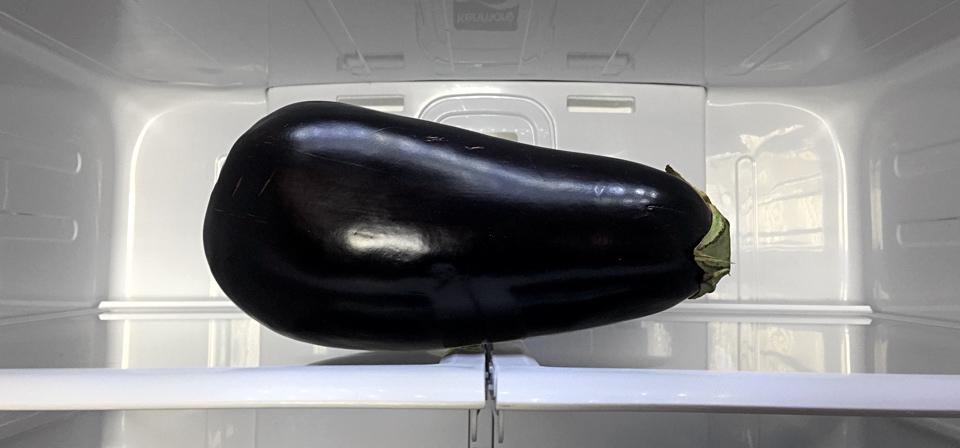
In the Cells of the Eggplant | Meta-rationality
An introduction to meta-rationality: ways of using rational systems more effectively by understanding how they relate to their contexts.
AI does to us what American Cheese did to food
How to understand cells, tissues and organisms as agents with agendas | Aeon Essays
Biology’s next great horizon is to understand cells, tissues and organisms as agents with agendas (even if unthinking ones)
The cell membrane as the ‘missing link’ for the evolution of consciousness
While Prof. Torday agrees with Federico Faggin that quantum mechanics is salient to consciousness, he maintains that the role of the cell membrane—which separates an organism from its environment—is key to the selective assimilation or mirroring of the quantum properties of the cosmos into the differentiated consciousness of the organism. This essay is short, dense, and may be difficult to unpack. But it handsomely rewards the effort of the patient and determined reader. The many literature citations in the essay also provide rich ground for further exploration.

Collection

Updated 2mo
Exploring the origins of intelligence and agency, starting with unicellular organisms such as bacteria, choanoflagellates and other protists.
Cyclospora 2026/Taylor Farms

Cyclospora outbreak in the US, May–August 2026. Also includes articles related to the cyclosopra outbreak in 2013 and the E. coli outbreak in 2025, and other subsequent recalls by Taylor Farms. Search terms: Taylor Farms, Taylor Fresh Foods, Cyclosporiasis, サイクロスポラ症
Sycophancy

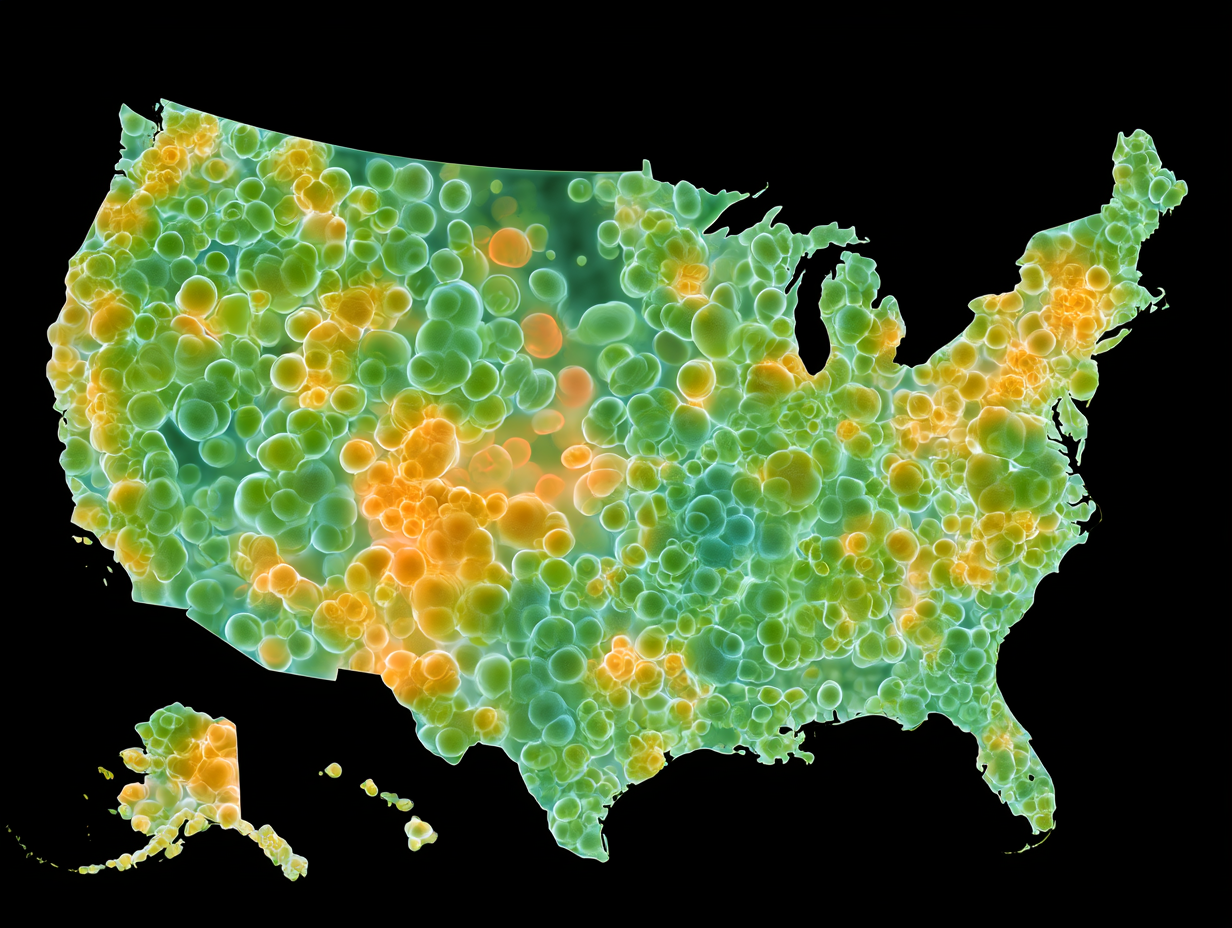
The Taylor Farms Cyclospora Outbreak Is Over: 12,883 Sick, 570 Hospitalized, Two Dead. FDA Wrote the Produce Industry a Letter. Here Is What It Will Take to Prevent the Next One.
Trump admin shelves Cyclospora research despite record-breaking outbreak

A summer of recalls exposes holes in the nation’s food safety net • Minnesota Reformer
Less than 2.5% of Taylor Farms' recalled lettuce went to Taco Bells
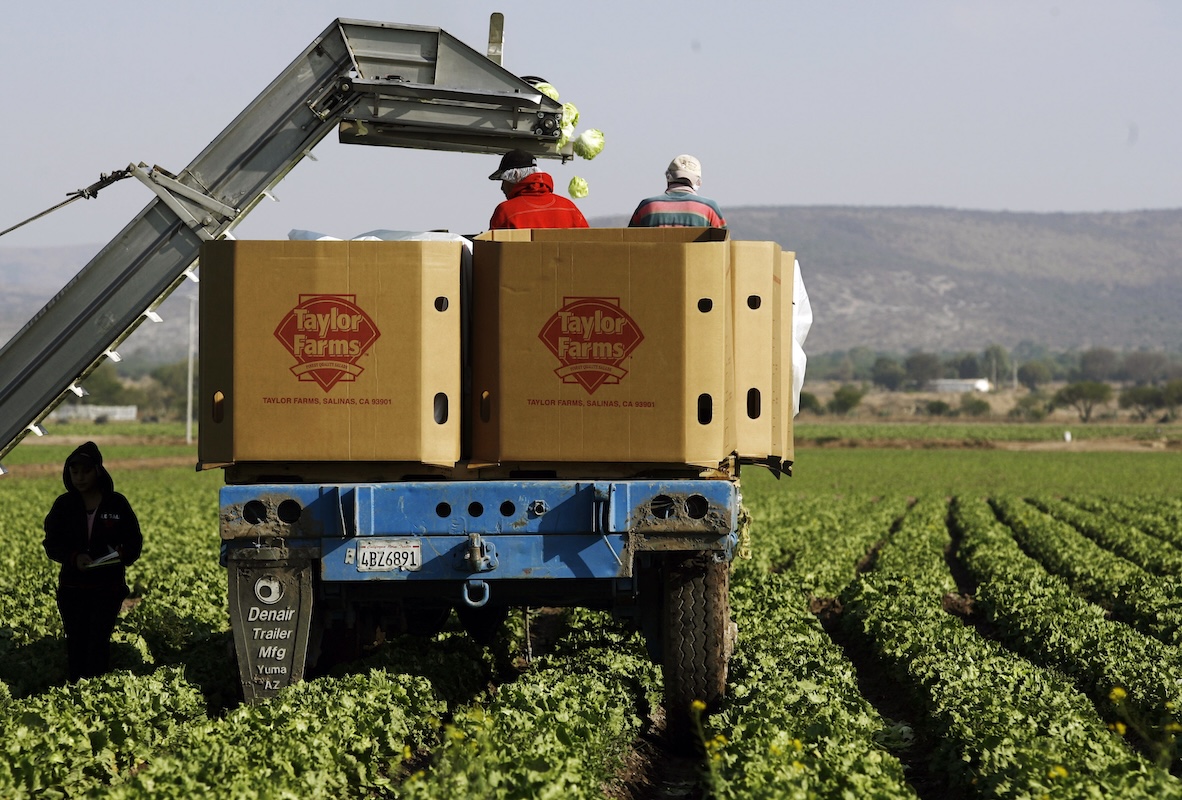
What we know on Taylor Farms donations to pro-Trump groups
Food recalls in 2026: What the data shows so far
Groupthink

Leadership fails, leadership failures, leaders fail

Why Good Leaders Fail

(PDF) Leadership Failure in the Eyes of Subordinates: Perception, Antecedents, and Consequences *

(PDF) The Perils of Sycophancy: Historical Lessons for Contemporary Leadership