The Least Agentic People Alive
The arms race of deferring agency and the dark acquiescence to robotic bureaucracy.

The Tragedy of the Cognitive Commons: How AI Could Disrupt the Regeneration of Professional Expertise
Artificial intelligence is reshaping cognitive work, but Human Resource Development scholarship has treated this transformation as an organizational training challenge, leaving the collective regeneration of professional expertise unexamined. This conceptual paper introduces the Cognitive Commons framework, integrating commons theory, HRD scholarship, and distributed cognition to explain how rational AI adoption decisions can deplete the shared expertise pool professions require for renewal. The framework distinguishes Internalized Mastery (deep domain knowledge from sustained practice) from Distributed Mastery (orchestrating human-AI systems), and develops the Validation Tether: effective AI oversight depends on the expertise AI adoption may undermine. Early labor market and clinical evidence suggests possible disruption to expertise-regeneration pathways in highly AI-exposed sectors, though adoption is recent and the strongest signals come from leading sectors rather than all professions. Five factors determine occupational vulnerability, and governance arrangements may form across organizational, professional-association, and policy levels. The paper reframes expertise development as collective stewardship rather than organizational optimization, with implications for HRD theory and workforce policy.

Digital Science on Twitter / X
An AI-native workspace that already knows your project?The new Papers AI from Digital Science keeps your drafts, data & references together, so the AI assistant has full context of your work - instead of starting fresh each time. 👉 Available now: https://t.co/DNcG173GDk… pic.twitter.com/FQWxdfKfS4— Digital Science (@digitalsci) August 4, 2026
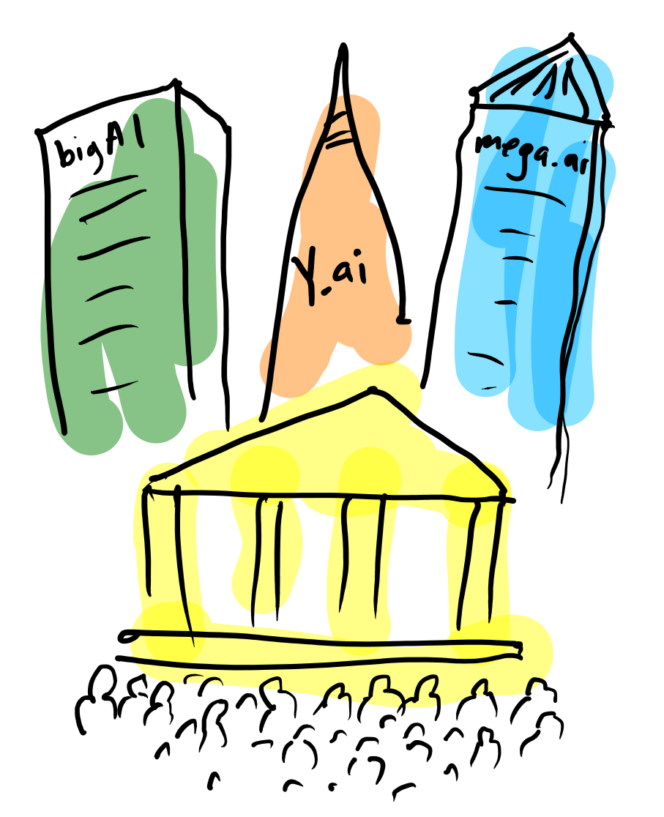
Governing the scholarly AI Commons – Open Future
New report explores how academic communities can shape AI governance in research and publishing, from regulation to community-led approaches.
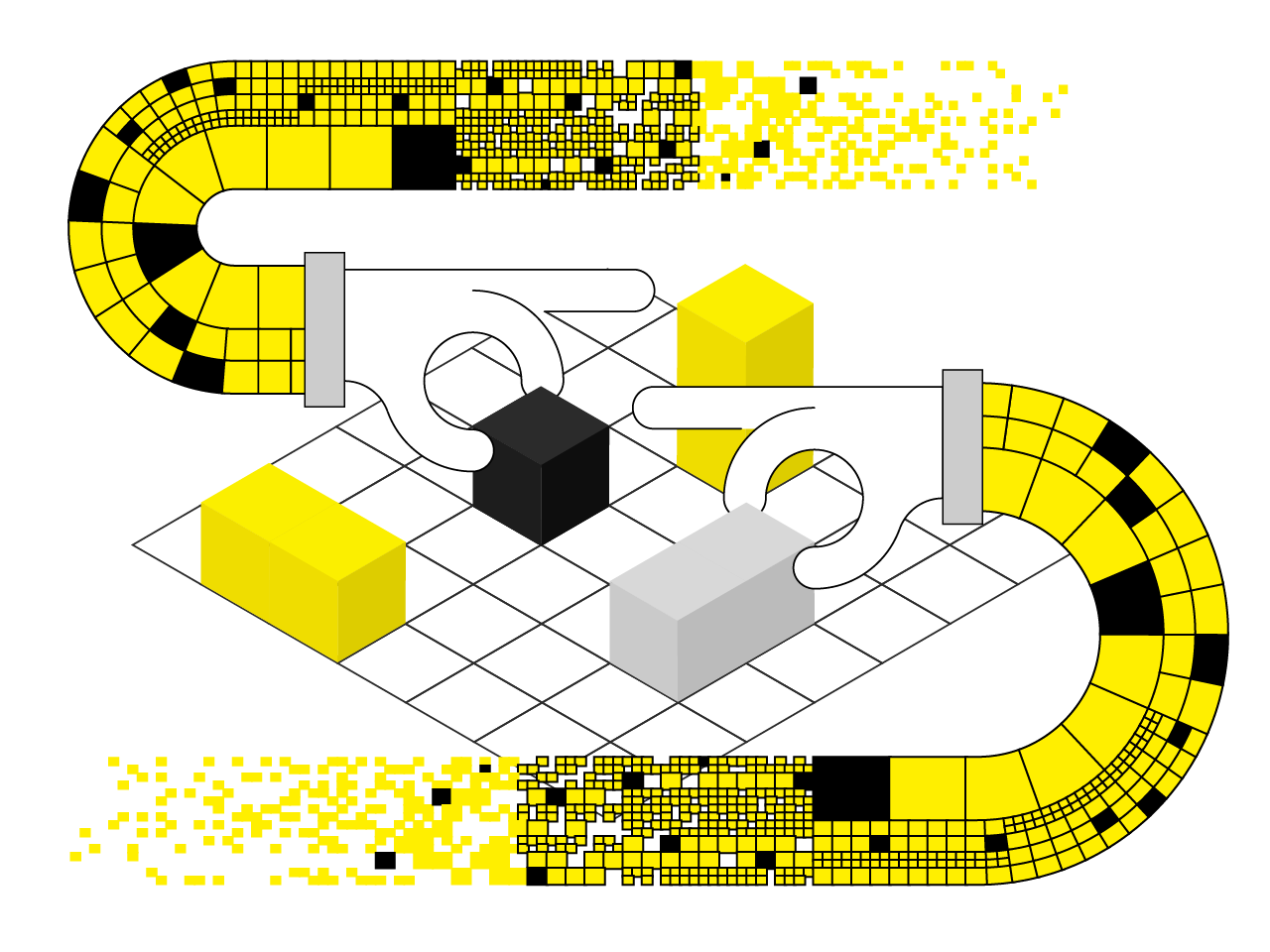
An inference cooperative for academic AI – Writings and rehearsals by Nathan Schneider
Universities, like other institutions, are currently being confronted with a dilemma: embrace the AI tools currently available from big-name tech companies, and be part of the future, or reject the miraculous machines and stick your head in the sand. This dilemma is a false one, on several counts. It is far from clear what role generative AI will have in the future of academic life, for one thing. And beyond rewording the choices, surely there are other options that this dilemma fails to consider.
Who Will Keep Research Data Infrastructure Open and Running?
The scientific community must consider the longevity of open research infrastructure—why it might fail and how to prevent it.

Elsevier vs. Meta: first science publisher sues over scraped research papers
Science publishing giant Elsevier has joined a class action lawsuit against Meta that alleges the reproduction of copyrighted works in developing the Llama AI model.

AI is turning research into a scientific monoculture
Generative AI deserves scientific attention. But the rush to study it is producing a feedback loop of topical and methodological convergence, flattening scientific imagination and crowding out the pluralism needed to keep research adaptive, resilient, and intellectually generative.

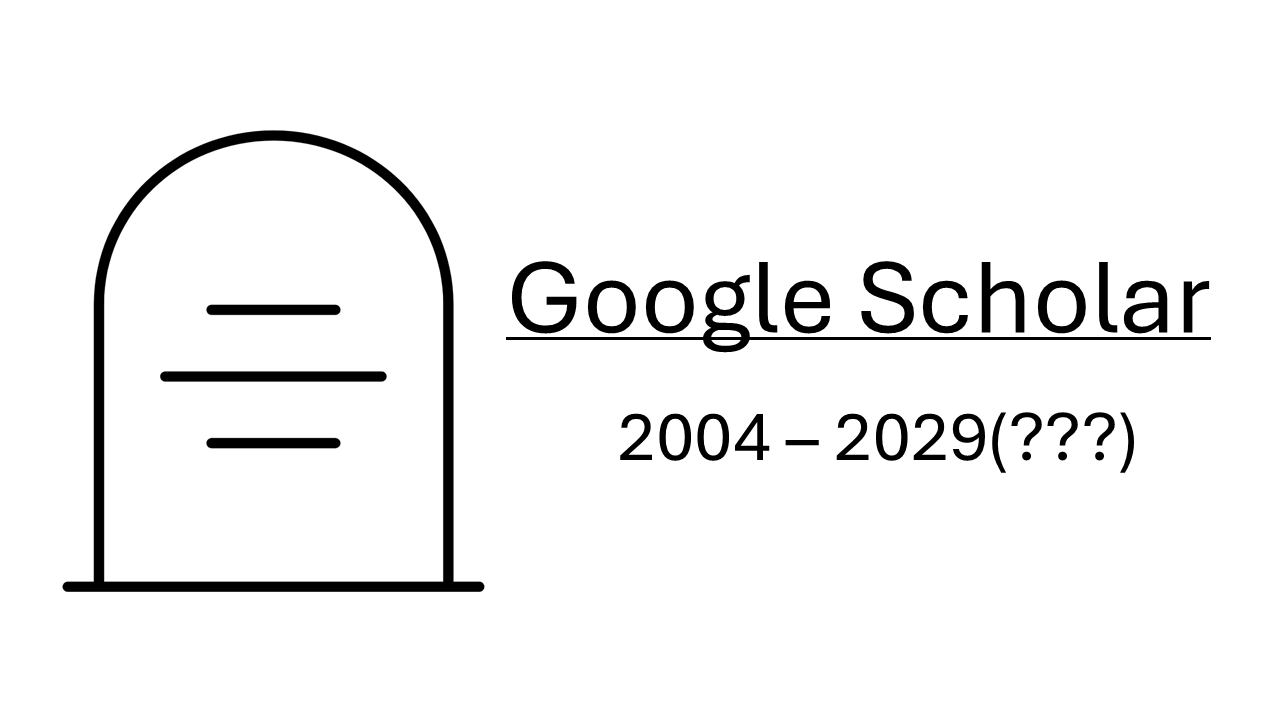
Google Scholar Is Doomed
Academia built entire careers on a free Google service with zero guarantees. What could go wrong?
From Albums to Streams: How Modularity Changes Systems
Scientific publishing is breaking under document-centric formats designed for a physical world. Borrowing from music’s shift from albums to streaming, we make the case that open access alone cannot deliver reuse, trust, or scale. The future of science depends on modular, interoperable research components that move across tools, enabling new workflows, tools, and ecosystems.
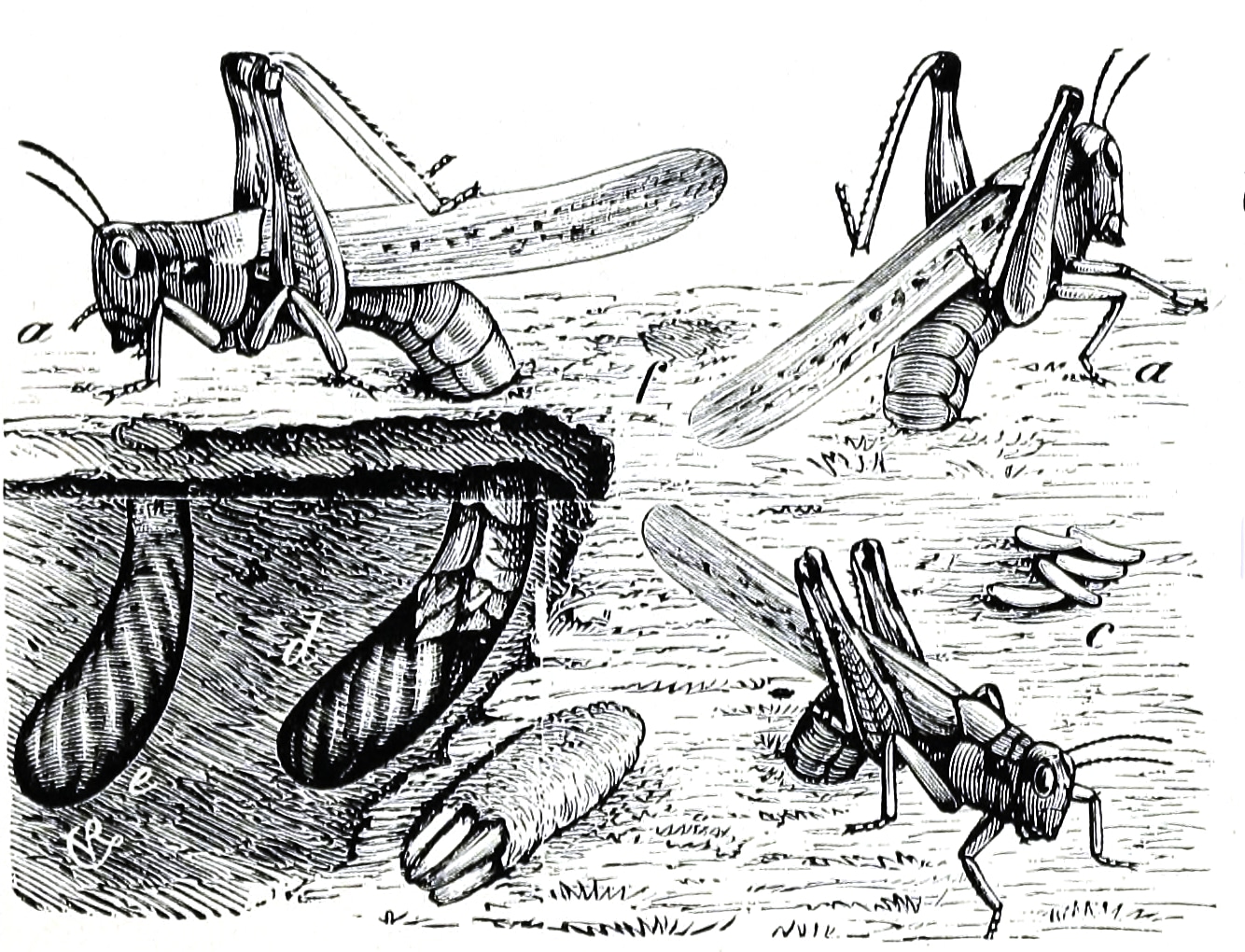
The “Terrible Engine of Destruction” That Inspired Federal Science Funding
What can we learn about the relationship between science and the American public from the story of plagues of locusts in the 1870s?
OSF
Unlocking a Million Times More Data for AI | IFP
How a new ARPANET-style program could solve the data accessibility problem

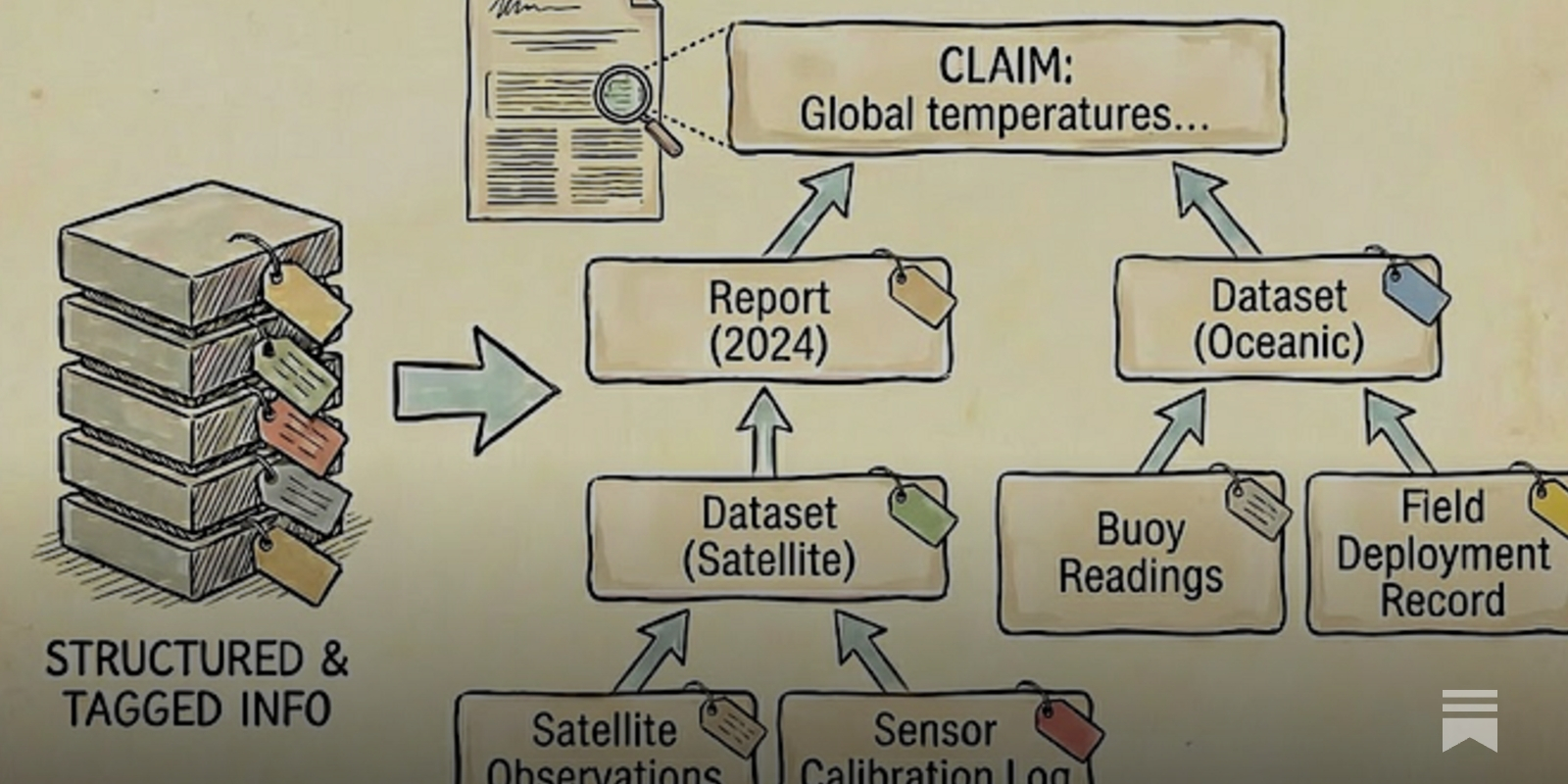
A Knowledge Commons for the 21st Century
Truth-seeking infrastructure at scale
Collection

Updated 6d
Why we need community stewarded research commons
Oof. Bending spoons now owns Evernote, Meetup, Eventbrite, Vimeo, and a handful of others. 1.2B is pretty substantial. Are those products better now?

Bending Spoons to buy Airtable for $1.28B | TechCrunch
techcrunch.comWe're in a strange situation rn where Google can train freely on books from university libraries—but researchers *at* universities have limited access. I'm optimistic this can be fixed, but if you're in admin or working at a foundation, please know: univs are failing here & resources are needed.


