Collection
Science reform initiatives/proposals

Updated 14d
Collection
Updated 14d
Convergence · Gathering open science · Montreal, June 16–18, 2027
Three days in Montreal for the people rethinking how science is created, shared, funded, published, measured, and used. June 16–18, 2027.

Science Works on Twitter / X
London AI × Science Hackathon 👾Science Works × @inherent_labs • Oct 16-18Lots of scientific software is outdated, hard to use, and isn't interoperable – let alone making use of (or ready to interface with) AI.Or it's expensive. Join us to build better for the community pic.twitter.com/42Qq528DDw— Science Works (@sci_works) September 30, 2026
Science, with agency. — UK Agentic Science Network
Science, with agency. A network turning AI into better science, new companies and lasting prosperity in the UK. Explore the questions and help put ideas into practice.
From Access to Participation: Opening the Evaluation of Knowledge
Slides presented by Dr. Daniela Saderi at the OpenCon Librarian Community Call on September 8, 2026.
How contemporary academic structures constrain scientific creativity and hold back early-career researchers
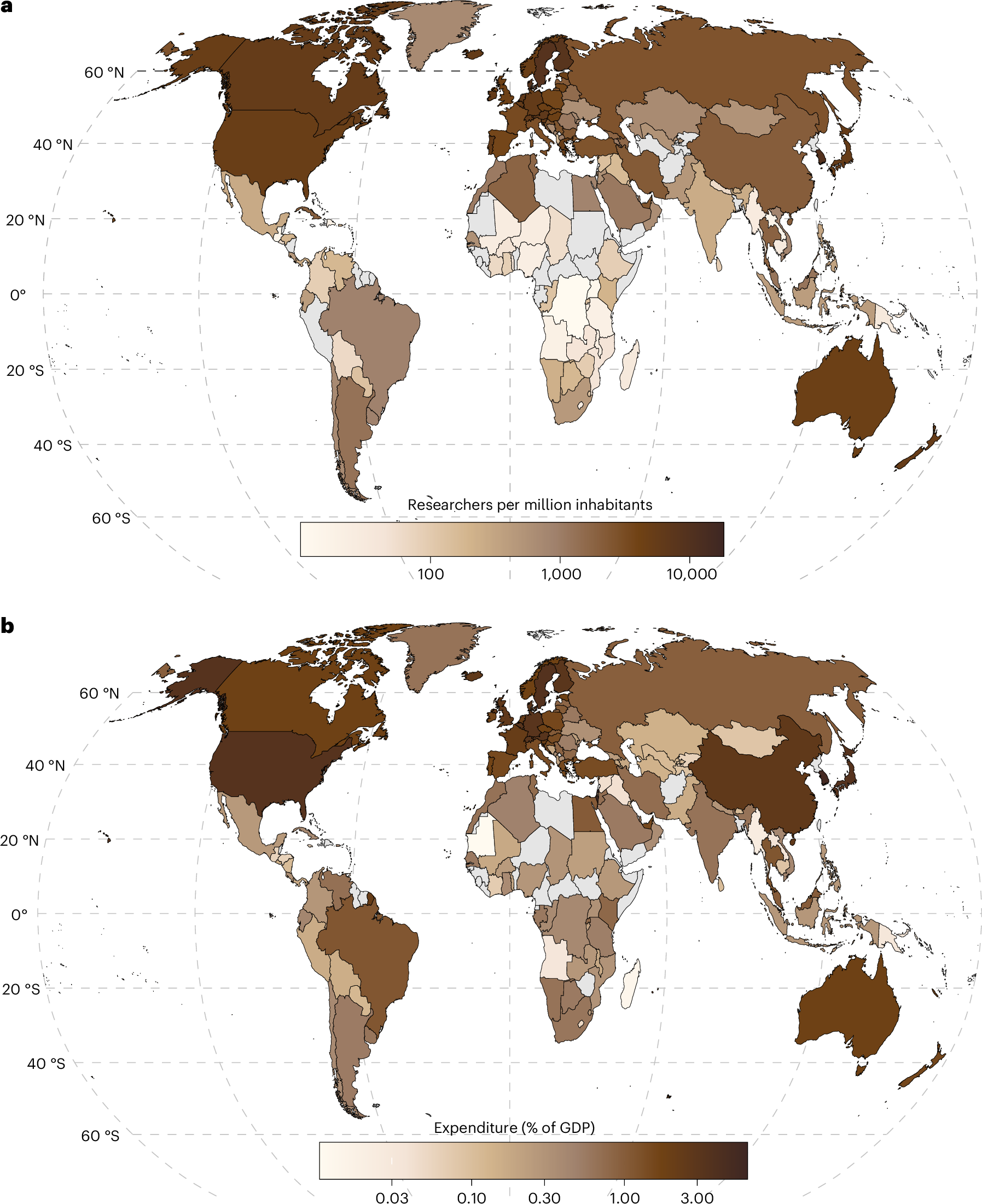
We argue that contemporary scientific systems progressively constrain high-risk and conceptually innovative research while being increasingly structured around short funding cycles, productivity-based evaluation criteria and risk-averse frameworks that favour predictable and non-transformative research outputs. Drawing on recent empirical literature, we show how such systems can place disproportionate pressure on early-career researchers by incentivizing safe, tractable and easily evaluated outputs. Structural academic mechanisms such as peer review and funding, escalating publication costs and institutional inequalities interact with precarious employment and hierarchical dependencies. In this environment, we contend that strategic conformity becomes a rational career path. This risks suppressing creativity and critical thinking precisely at the stage when scientific independence could otherwise emerge. Consequently, the probability of substantive contributions by early-career researchers is declining, while talent may increasingly abandon academia or cluster within a limited number of well-resourced institutions and national systems. By adopting a systems-level perspective, we argue that scientific creativity is not merely an individual trait but an emerging property of a supportive academic landscape and that maintaining or restoring it may require substantial structural reforms. These include promoting stable research pathways, decentralized decision-making and evaluation frameworks that better recognize collaboration, originality, persistence and nonlinear career trajectories. Without systemic change, we risk stifling the potential of early-career researchers to go beyond the confines of existing methods and approaches and deliver transformative advances. This would limit their capacity to meaningfully change our understanding of the world or benefit society, with impacts that fall short of their potential.
The Robyn Dawes Institute for the Improvement of Science
Making research quality visible so everyone can act on reliable evidence.

What stories should we tell about scientific progress now?
In search of the mysterious fruits of basic science

Science Works
Science Works is an independent research and policy studio tackling the biggest problems facing UK science and technology.


The Dissemination of Scholarly Information: Journals, Open-Access and Distributed Filtering
Current methods of disseminating scholarly information focus on the use of journals who retain exclusive rights in the material they publish. Recently there has been increasing dissatisfaction with this model, with suggestions for alternative approaches such as "Open Access".
Open Research Community Accelerator
Open Research Community Accelerator®, subject to a Creative Commons Attribution 4.0 International License. ORCA is an operating project of Multiplier, a 501(c)(3) nonprofit organization (Tax ID 91-2166435).


IOSP - Institute of Open Science Practices
Building the infrastructure for open science.
Publish | Review | Curate
This is a joint initiative of COAR and ASAPbio, with funding from Arcadia as part of the COAR Notify Project

Coordinating Research Assessment And Publishing Reform: Action Groups – ASAPbio
Connect with focused ASAPbio groups working on specific aspects of scientific communication, from preprint review to community engagement.
