A result does not tell you how it was made - Sensemaker
A correct formula can have an unverified origin, and a successful AI answer can hide a forbidden route. Those claims need different evidence.
A result does not tell you how it was made - Sensemaker
A correct formula can have an unverified origin, and a successful AI answer can hide a forbidden route. Those claims need different evidence.
New evidence, new challenges: ICC judges’ perspectives on user-generated evidence and judging in an age of artificial intelligence
Evidence recorded on personal digital devices, or “user-generated evidence” (UGE), has profoundly shaped our ways of knowing about international crimes. UGE can be expected to play an important role in future cases before the International Criminal Court (ICC), yet few trials to date have relied extensively on UGE.. This research provides important insights into how ICC judges define UGE and perceive its strengths and weaknesses, and on the readiness of the Court to adapt to judging in an age of Artificial Intelligence. Using grounded theory to analyse interviews with ICC judges, we identified several key themes, including concerns about the perceived importance and potential bias of evidence sources; the practical challenges of employing UGE; the burden placed on the parties to ensure the reliability of the evidence, to rigorously challenge the opposing party’s evidence, and the importance of preparing legal professionals to address the risks associated with misinformation and disinformation.
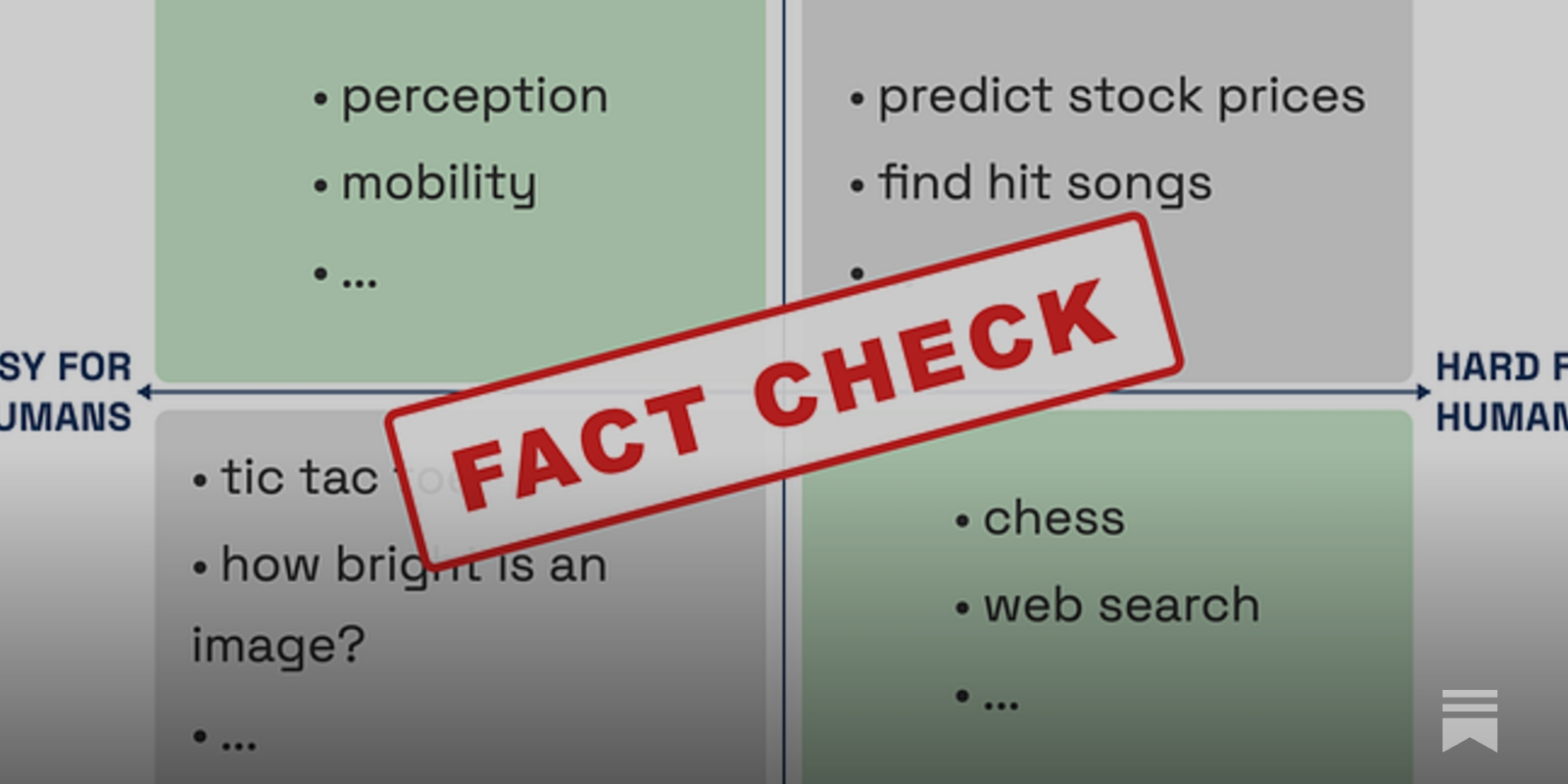
A Meta-Analytic Examination of the Continued Influence of Misinformation in the Face of Correction: How Powerful Is It, Why Does It Happen, and How to Stop It?
A meta-analysis was conducted to examine the extent of continued influence of misinformation in the face of correction and the theoretical explanations of this phenomenon. Aggregation of results from 32 studies ( N = 6,527) revealed that, on average, correction does not entirely eliminate the effect of misinformation ( r = –.05, p = .045). Corrective messages were found to be more successful when they are coherent, consistent with the audience’s worldview, and delivered by the source of the misinformation itself. Corrections are less effective if the misinformation was attributed to a credible source, the misinformation has been repeated multiple times prior to correction, or when there was a time lag between the delivery of the misinformation and the correction. These findings are consistent with predictions based on theories of mental models and offer concrete recommendations for practitioners.

Konrad Hinsen's blog
By now, most scientists have probably seen figures, tables, and even entire journal articles made by so-called "generative AI", containing more or less subtle mistakes or inconsistencies. What I haven't seen yet, but expect to see soon, is the scientific equivalent of deepfakes: made-up results that come with made-up code that reproduces them. This is likely to become a new challenge for reproducible research.
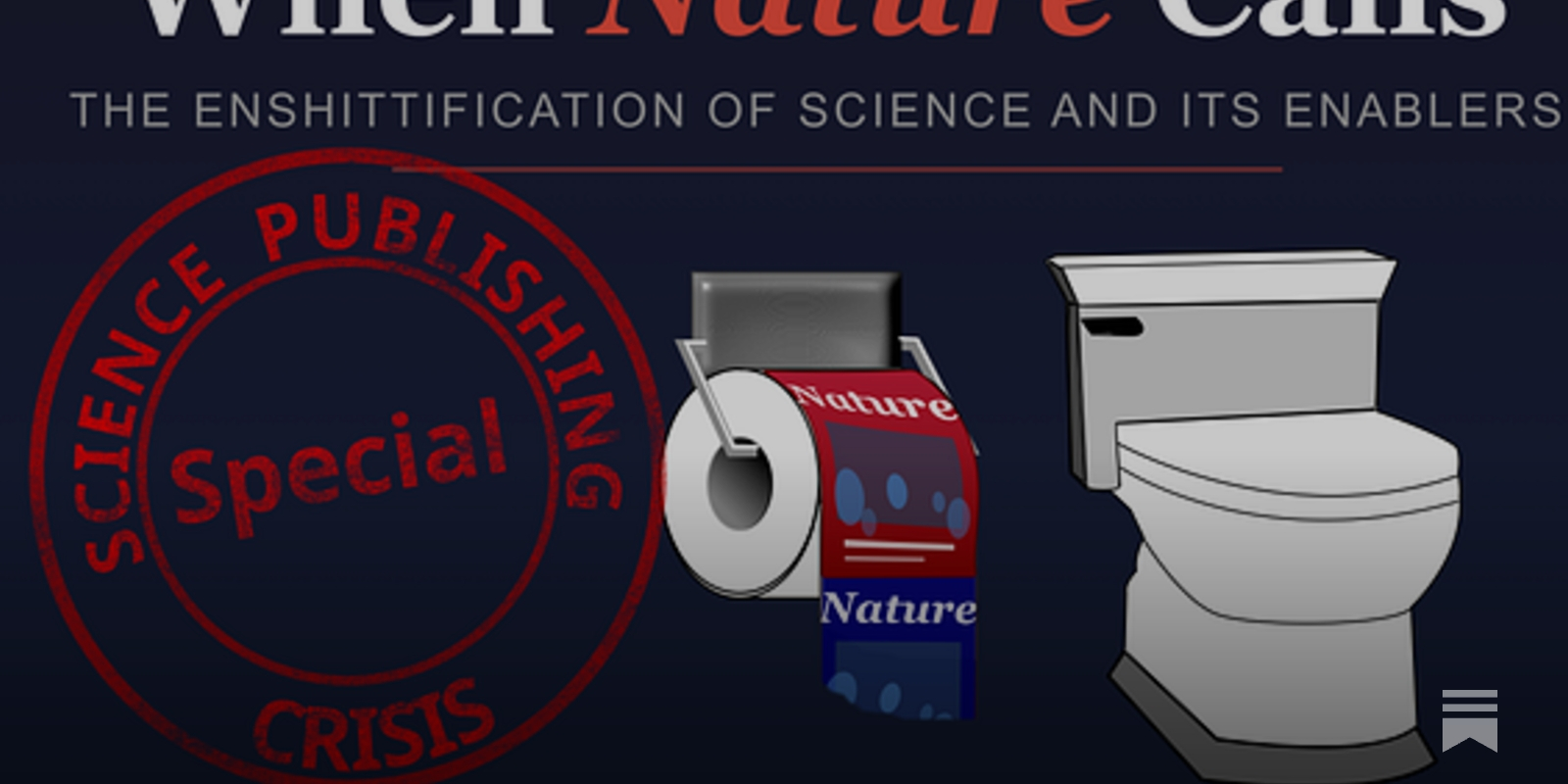
When Nature Calls: The Enshittification of Science and Its Enablers
Proof-of-work papers, policy laundering, and the collapse of self-correction
Epistemic Infrastructure: Building Shared Truth in an Era of Disaggregation
The Construct of Collective Perception

Who earned the score? - Sensemaker
This week's AI claims blurred models, systems, simulations and people. The evidence becomes clearer when the tested subject comes first.
Guest Post — When Errors Become Consensus: Science’s Self-Correction Can No Longer Keep Up - The Scholarly Kitchen
From 19th-century beef tea to paper mills and generative AI, the challenge is no longer detection alone; it is preventing bad claims from becoming embedded knowledge.

Judges and Grand Juries Reject Trump's Efforts to Investigate
A detailed record of federal courts and grand juries rejecting the Trump administration’s use of subpoenas, search warrants, and indictments.
I tried to report scientific misconduct. How did it go?
This is the story of how I found what I believe to be scientific misconduct and what happened when I reported it. Science is supposed to b...

Don't Just Fact-Check Misinformation. First, Understand The Value It Holds. A Conversation w Researchers Michael Simeone & Kristy Roschke
Podcast Episode · Why Should I Trust You? · June 25 · 1h 7m

in my imagination of the future, of AIs doing raw research, it was the AIs that had full control over the proofs they wrote--attribution was clear, and so was the choice to disclose it. but as it stands we are in some hybrid situationship where the human prompter still assumes responsibility.
Computational reproducibility

The why and how of making scientific computations reproducible
dc: data provenance and source attribution

Part of the datacounterfactuals.org reading lists. Research on data provenance, dataset documentation, licensing and attribution audits, and technical source-attribution methods for understanding which data sources are available, permitted, or responsible for model behavior.
Konrad Hinsen's blog
Home Page - Software Heritage
GNU Guix transactional package manager and distribution — GNU Guix

Keynote: Reproducibility and replicability of computer simulations | Canal U
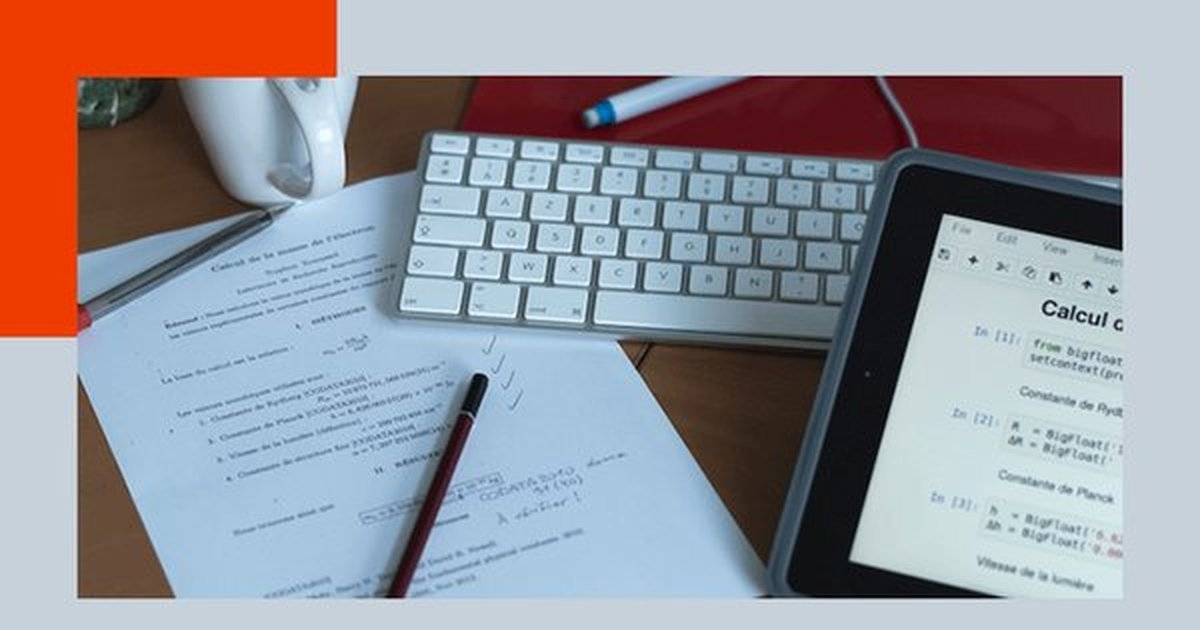
Reproducible research: methodological principles for transparent…
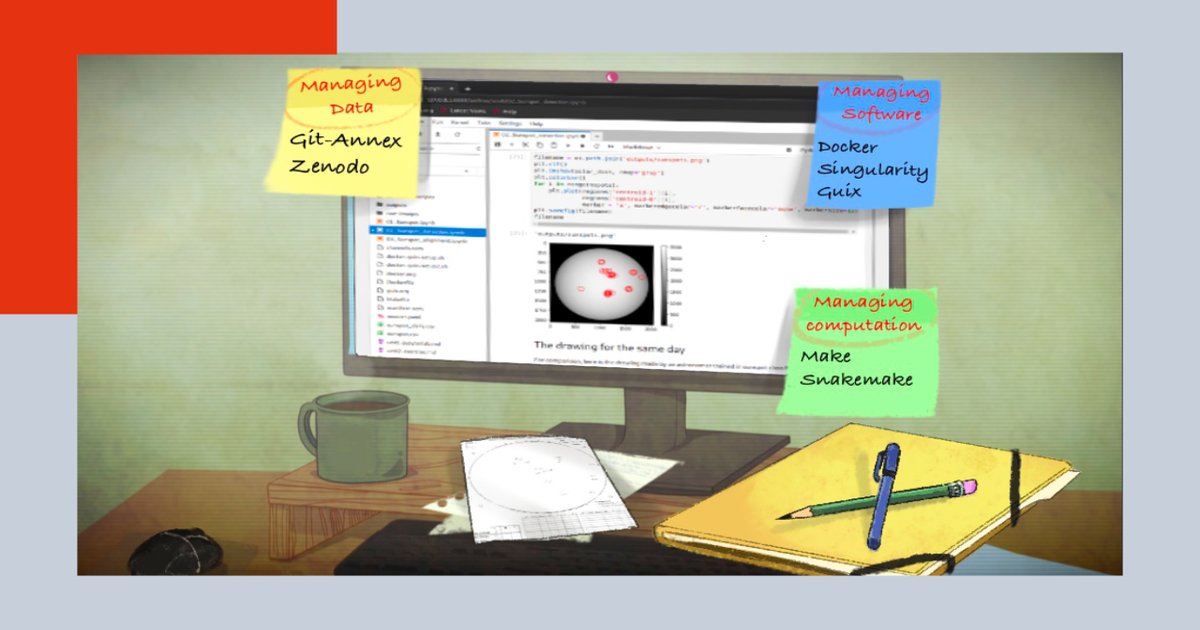
Reproducible Research II: Practices and tools for managing compu…
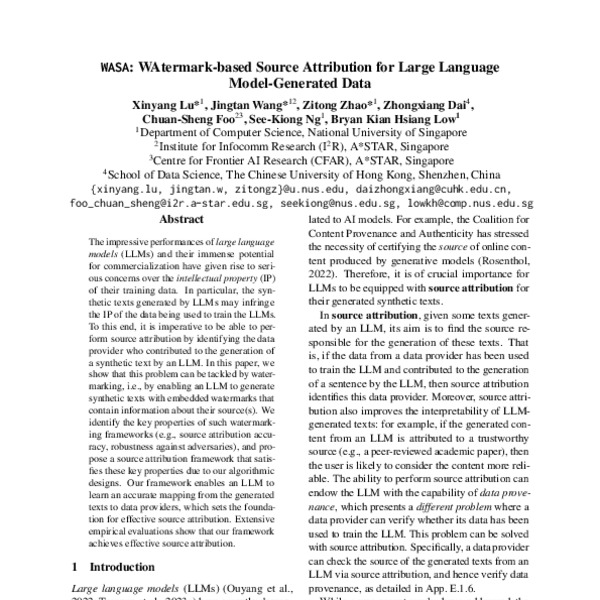
WASA: WAtermark-based Source Attribution for Large Language Model-Generated Data
SILO Language Models: Isolating Legal Risk In a Nonparametric Datastore

Datasheets for Datasets
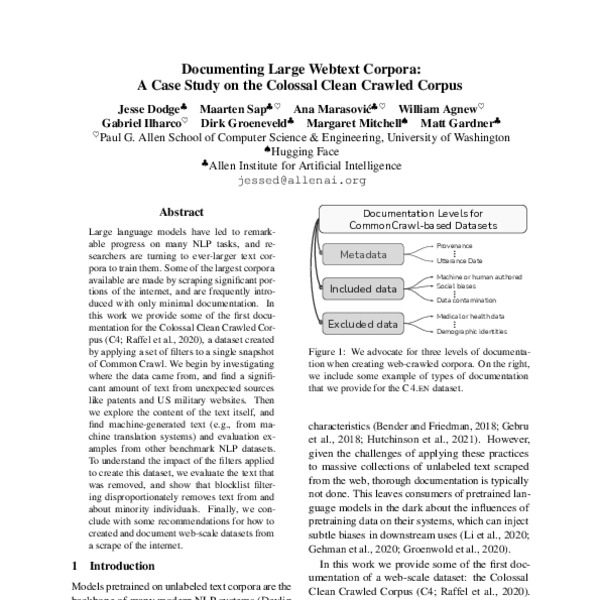
Documenting Large Webtext Corpora: A Case Study on the Colossal Clean Crawled Corpus

A large-scale audit of dataset licensing and attribution in AI
