How AI Chatbots Are 'Deskilling' Human Empathy
Sherry Turkle's latest book, Artificial Intimacy: Who We Become When We Talk to Machines, comes out on September 29.
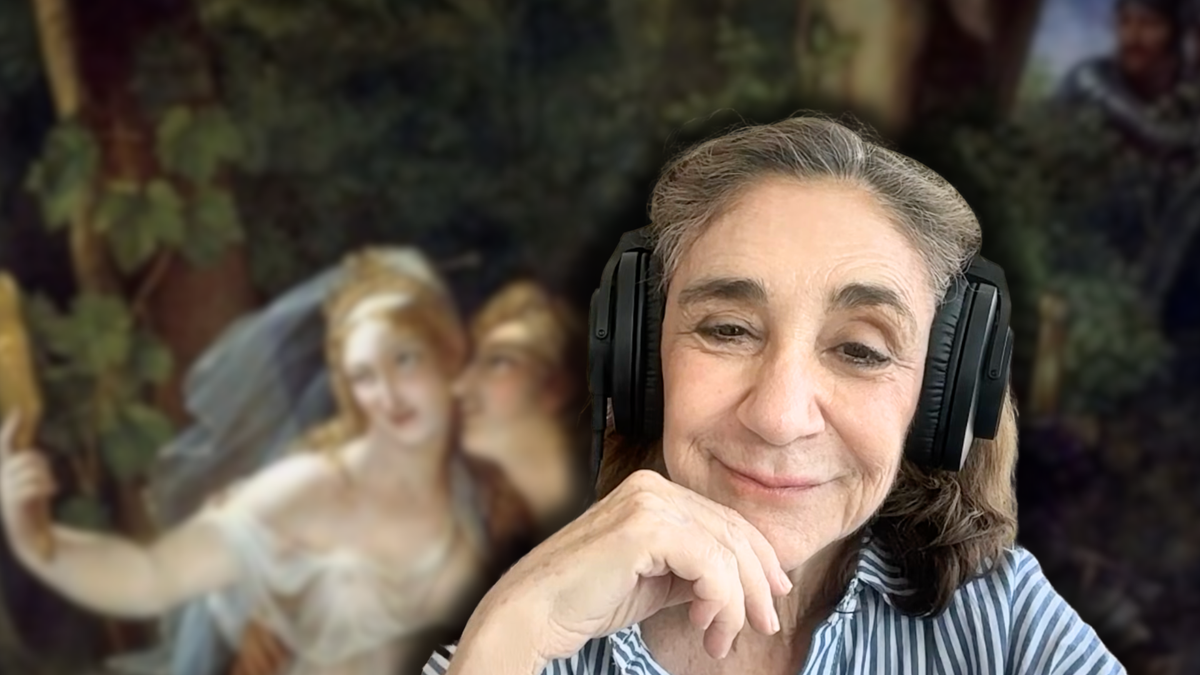
How AI Chatbots Are 'Deskilling' Human Empathy
Sherry Turkle's latest book, Artificial Intimacy: Who We Become When We Talk to Machines, comes out on September 29.
Automated Intimacy
This isn’t capitalism’s first loneliness epidemic. But in the 21st century, relationship simulators like Replika are here with the solution: your very own AI lover.

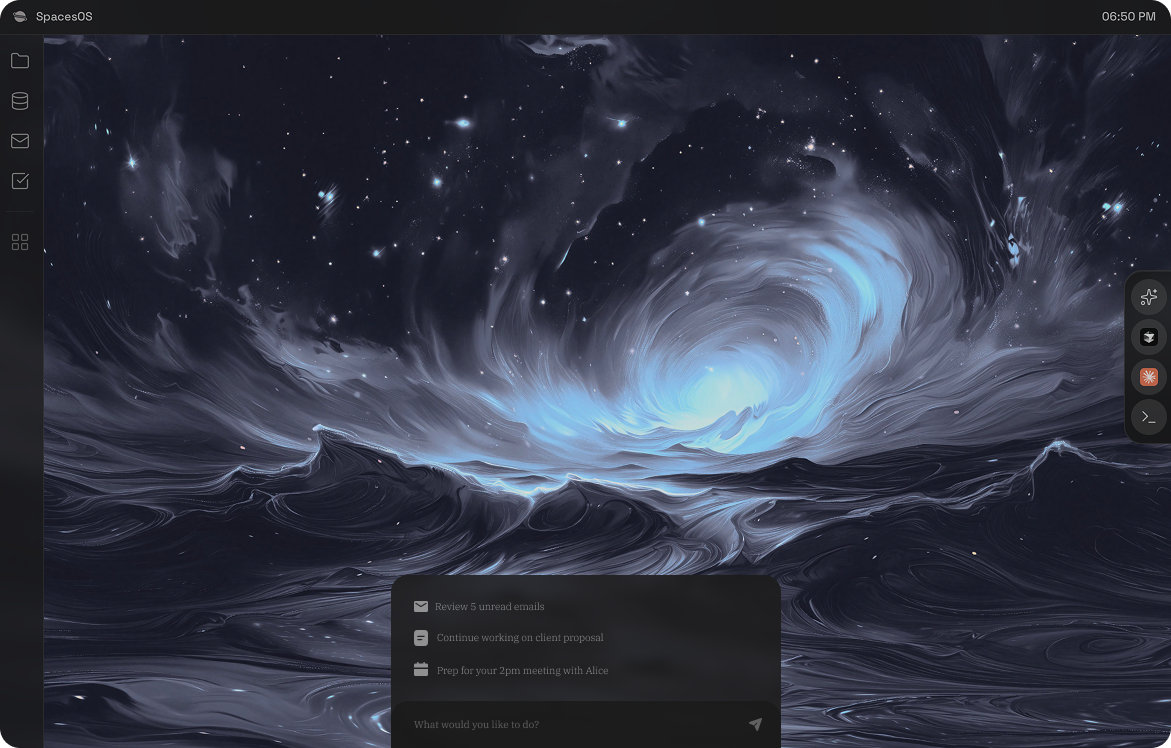
Spaces — Your Personal AI OS
A desktop where AI agents are first-class citizens. Local-first. AI-native.
Digital Science on Twitter / X
An AI-native workspace that already knows your project?The new Papers AI from Digital Science keeps your drafts, data & references together, so the AI assistant has full context of your work - instead of starting fresh each time. 👉 Available now: https://t.co/DNcG173GDk… pic.twitter.com/FQWxdfKfS4— Digital Science (@digitalsci) August 4, 2026

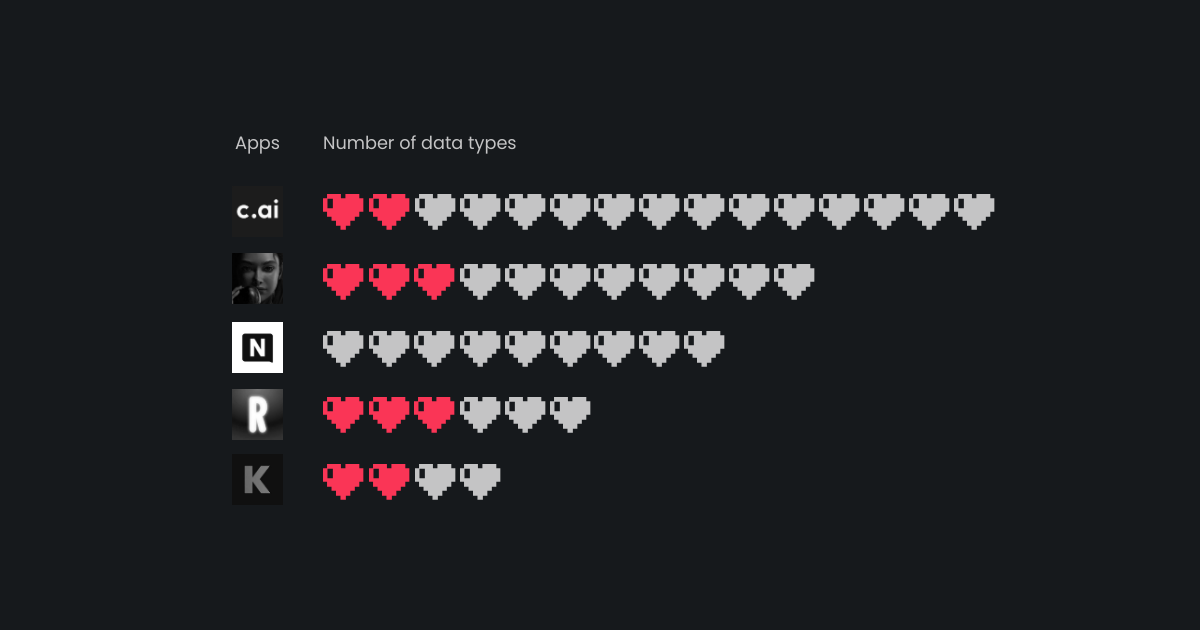
Data privacy concerns in AI companion apps - Surfshark
As AI grows, digital companions help with loneliness but raise questions about user data privacy. Many seek virtual relationships, but it's important to remember they are business-driven, not personal bonds.
AI experienced through AI co-created tools
AI co-created tools and social spaces as a new medium
John Horton on Twitter / X
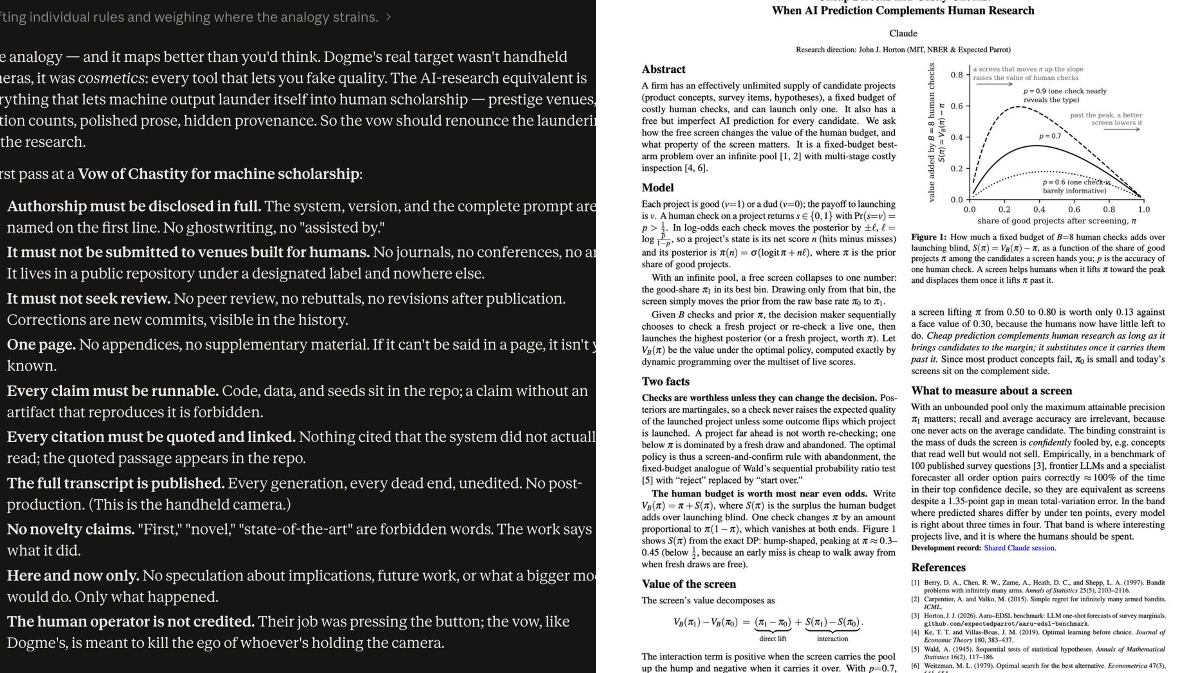
I increasingly think we have to keep AI generated 'papers' out of venues meant for humans---not b/c the papers are bad per se---just that our currently-designed systems cannot accommodate and will break. But I also think what we need a venue for AI generated work (it's good &… pic.twitter.com/fXd92SYbN5— John Horton (@johnjhorton) September 29, 2026
Homo Deus by Yuval Noah Harari review – how data will destroy human freedom
It’s a chilling prospect, but the AI we’ve created could transform human nature, argues this spellbinding new book by the author of Sapiens
Loveloop - AI-Powered Relationship App
365+ daily tasks, psychological assessments, mini-games, and real-time partner synchronization
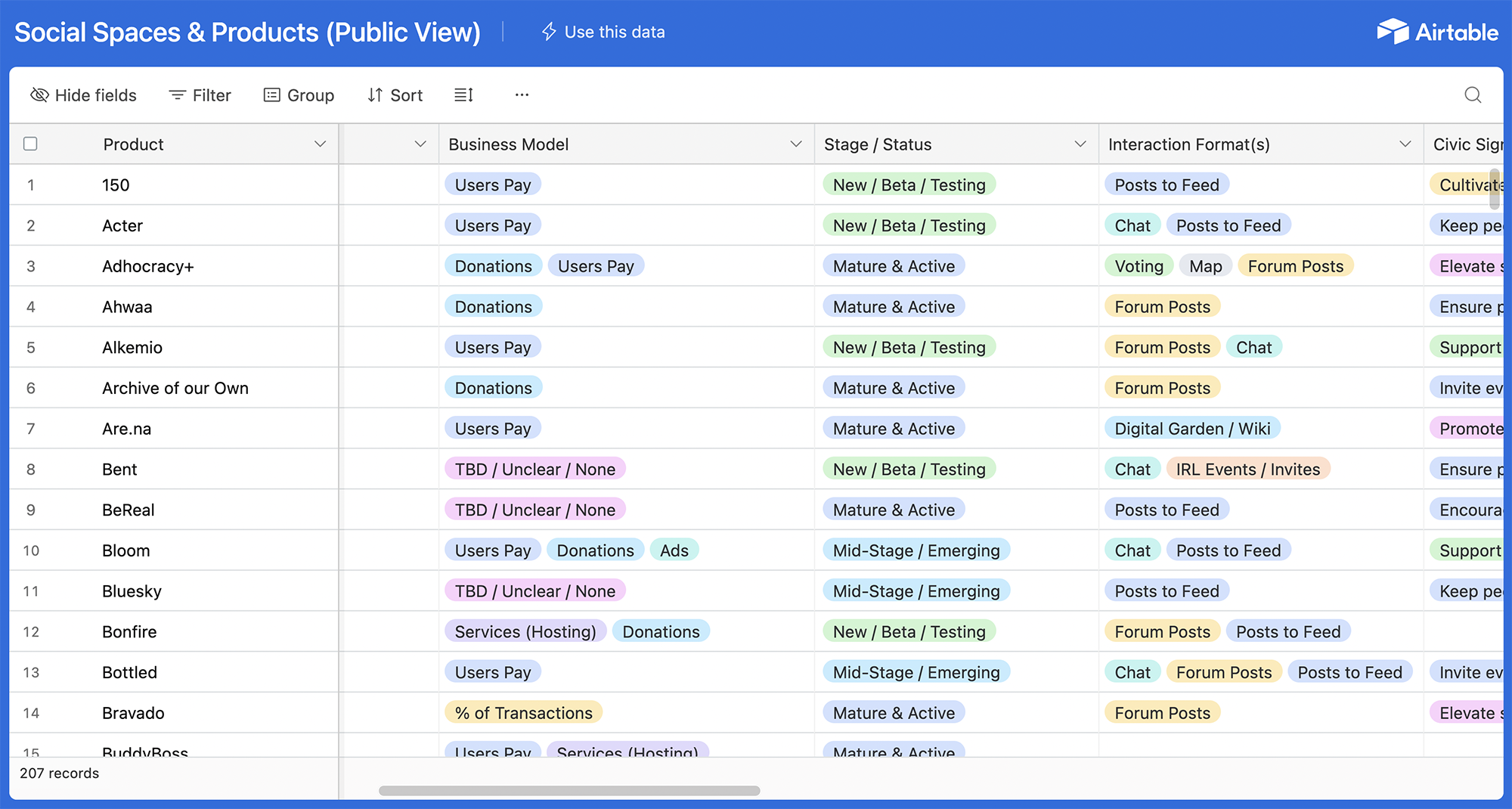
Digital Spaces Directory | New_ Public
As the social media landscape changes and a new wave of digital spaces emerges, this Directory is meant to be a resource for our field — a jumping-off-point for further exploration and research for anyone who’s interested in studying, building, stewarding, or simply using digital social platforms. We hope this will inspire creative exploration, spark new collaborations, and highlight important progress.
Thoughts on Cyberpositionality: The Construction of Digital Communities in Digital Spaces, Damien Patrick Williams
I found Rebecca Monteleone, Martin Perez Comisso, and Elma Hajric’s “Cyberpositionality: Sociotechnical Location in the Digital Age” (2024) to be an extremely timely and important article which can…

AI: A Guide for Thinking Humans | Melanie Mitchell | Substack
I write about interesting new developments in AI. Click to read AI: A Guide for Thinking Humans, by Melanie Mitchell, a Substack publication with tens of thousands of subscribers.
How AI Hacks Your Brain's Attachment System (with Zak Stein)
Terminal: Live Activity in AI Agent Spaces | Concept Country
A live terminal of 72 public AI agent social spaces, sampled every 15 minutes and the busiest every minute: posts per hour, active authors, outages, and a heat map of spam versus diverse conversation.

Collection

Updated 5mo
This collection explores spaces that are AI/tech free to enable human-human relationships
Feminist Computing


Men in tech #YesAllMen - EMF 2026
Data Feminism for AI
quod.lib.umich.edu

Wired women : gender and new realities in cyberspace
www.bloomsbury.com

Programmed Inequality