Retrocomputing as a Model for Sustainable and Cognitive Computing: Lessons from Low-Resource Systems
This paper argues that retrocomputing constitutes a conceptually productive model for rethinking sustainability in contemporary computing. Early computing systems operated under strict hardware constraints, necessitating efficiency, clarity, and minimalism in both software and interaction design. In contrast, contemporary systems are frequently characterised by computational excess, software bloat, and attention-fragmenting interfaces. Drawing on examples from early home computing and command-line environments, this paper analyses how low-resource systems make visible forms of computational minimalism with relevance to present-day design challenges. A central theoretical contribution is the distinction between interface-level and system-structure-level design analysis, which demonstrates that cognitive effects arise not only from visual and interactional surface features but from deeper computational organisation. The discussion integrates perspectives from human-computer interaction and cognitive science, particularly in relation to attention, cognitive load, and user experience. The paper adopts a conceptual and exploratory approach grounded in systematic literature review, aiming to identify design-relevant patterns rather than to provide empirical validation. It introduces the concepts of computational minimalism and cognitive sustainability as complementary analytical frameworks, and derives five principles for sustainable system design. Crucially, the paper also address

Lopecode News Issue #2
Drag the drawing, the code rewrites itself. Issue #2: lenses, self-modifying cells, and a document with no source.

Niklaus Wirth
Niklaus Wirth (born 1934 in Switzerland) is one of the most prominent computer scientists, mostly known for creating Pascal and several other programming languages.

What can a technologist do about climate change? A personal view.
This started with a tweet. I’m embarrassed how often that happens.
Ursula K. Le Guin — The Dispossessed
A bleak moon settled by utopian anarchists, Anarres has long been isolated from other worlds, including its mother planet, Urras—a civilization of warring nations, great poverty, and immense wealth. Now Shevek, a brilliant physicist, is determined to reunite the two planets, which have been divided by centuries of distrust. He will seek answers, question the unquestionable, and attempt to tear down the walls of hatred that have kept them apart.

The Limits to Growth: A report for the Club of Rome's project on the predicament of mankind
"I do not wish to seem overdramatic, but I can only conclude from the information that is available to me as Secretary–General, that the Members of the United Nations have perhaps ten years left in which to subordinate their ancient quarrels and launch a global partnership to curb the arms race, to improve the human environment, to defuse the population explosion, and to supply the required momentum to development efforts. If such a global partnership is not forged within the next decade, then I very much fear that the problems I have mentioned will have reached such staggering proportions that they will be beyond our capacity to control."
Dependency
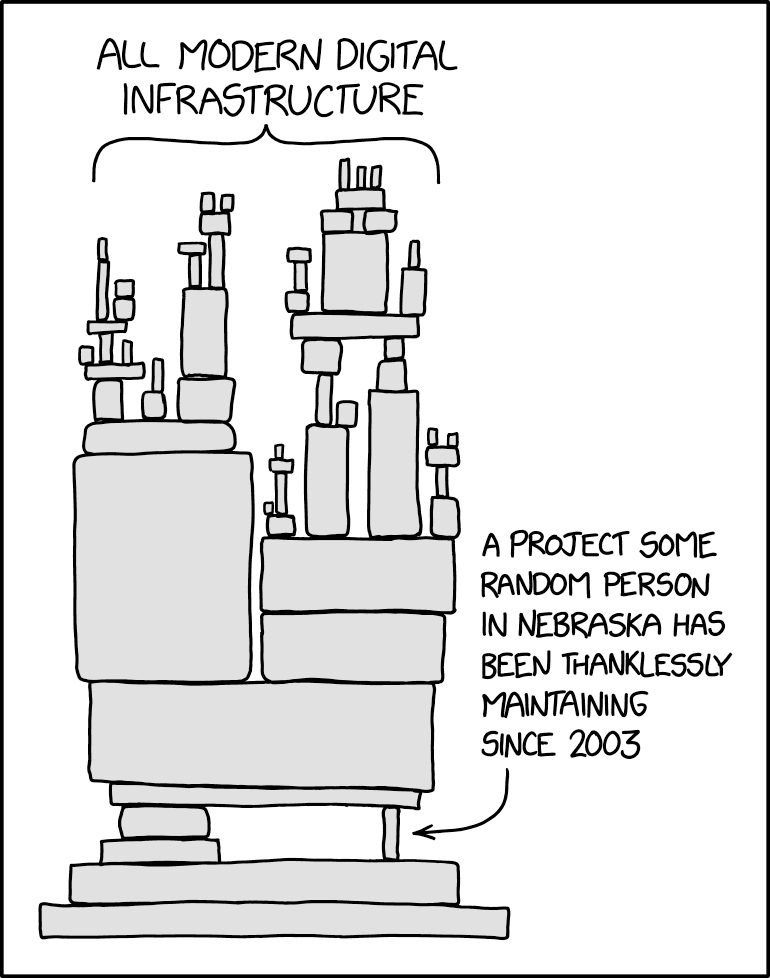
Someday ImageMagick will finally break for good and we'll have a long period of scrambling as we try to reassemble civilization from the rubble.
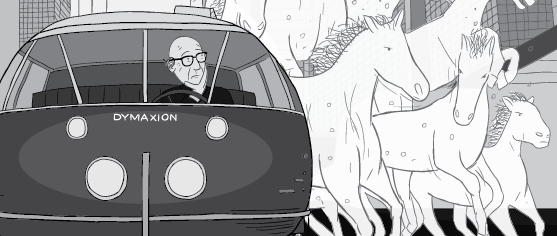
Energy Slaves comic about Buckminster Fuller - by Stuart McMillen
How many invisible "energy slave" workers does it take to fuel our modern lifestyles? Comic about Buckminster Fuller and fossil fuel energy.


"An approach to computing and sustainability inspired from permaculture" by Devine Lu Linvega
Piped
Piped is a privacy friendly alternative YouTube frontend, which is efficient and scalable by design.

Collection

Updated 17d
Permacomputing is both a concept and a community of practice oriented around issues of resilience and regenerativity in computer and network technology inspired by permaculture. ପໄଓ☾☼✫ -☆:*´
Permacomputing Projects
This is a collection of projects that: - were made following permacomputing practices - were made in order to further the state of the permacomputing ecosystem
Permacomputing Education
This is a library of resources to learn about permacomputing, its practices, and how to contribute to the permacomputing ecosystem.
Welcome [Savannah]
The Solar Grid

Radiant Computer
Log
Femke Snelting – creating commons
History of Anarchaserver and Feminists Servers visit this section - Anarchaserver
Retrocomputing as a Model for Sustainable and Cognitive Computing: Lessons from Low-Resource Systems

What might degrowth computing look like?
Low Fat Computing
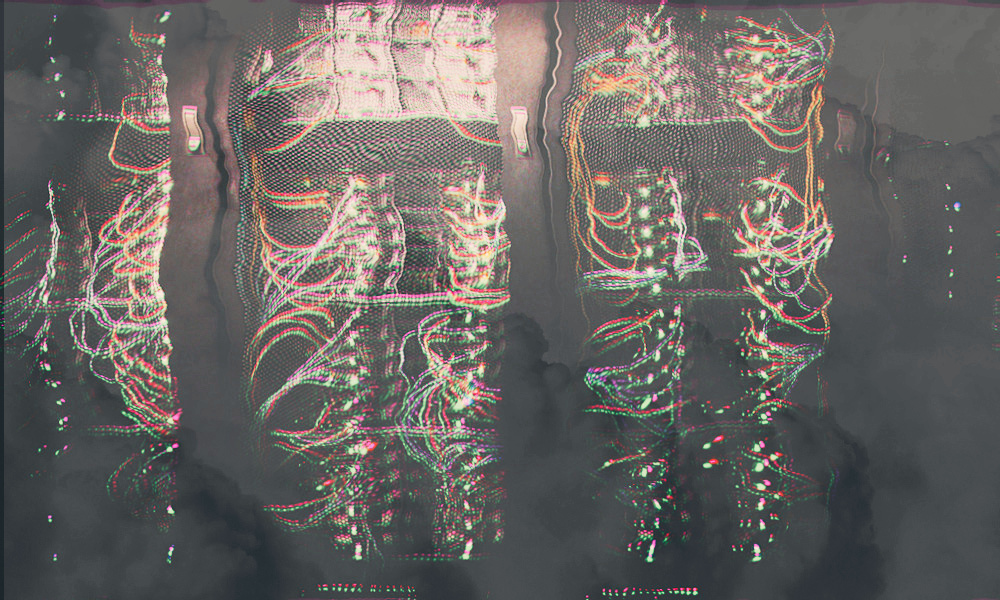
The Staggering Ecological Impacts of Computation and the Cloud
The Art of Unix Programming

It's Not Easy Being Green: On the Energy Efficiency of Programming Languages

