Collection
🐝 Saved for Later (misc)

Updated 1mo
Collection
Updated 1mo

OpenAI and Broadcom unveil LLM-optimized inference chip
OpenAI and Broadcom introduce Jalapeño, a custom AI chip built for LLM inference to improve performance, efficiency, and scale across AI systems.

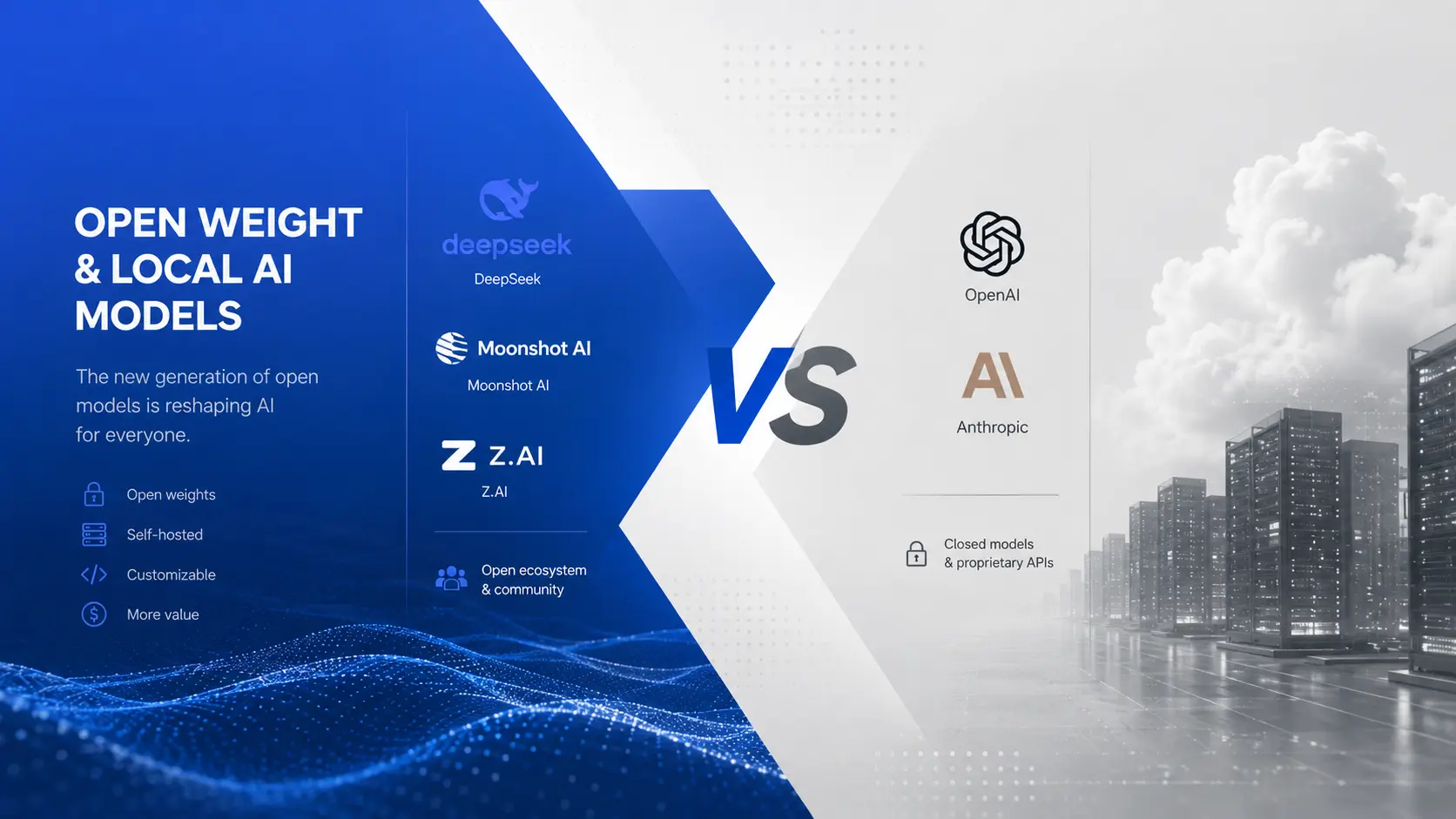
How Open Weights Are Changing the AI Race | Serverless Guru
Open Weight models: what they are, why you should care, and how the work of the open-source fine-tuning community around those models is reshaping daily life, both for developers and for everyday AI users.
Driving the UK’s next chapter: From AI potential to agentic reality | Google Cloud Blog
Organizations like HSBC, Ineffable Intelligence, Starling, Vodafone, and the UK and local governments are showcasing their transformation with Google Cloud at the London Summit.

Extensible Software in the age of LLMs | Jeremy Morrell
Solid core + capability-based sandboxes + LLMs = Users with superpowers
Beyond the Individual: Understanding the Evolution of Collective Intelligence
This chapter outlines the evolution of collective intelligence, starting from its ancient roots and concluding with modern digital platforms. It discusses intelligence theories, project examples, and the impact of technology on collaborative efforts. Key focuses include the role of the internet and online communities in boosting our collective IQ, with a particular emphasis on Douglas Engelbart's contributions and the open-source movement, as exemplified by Linux's development. The chapter examines how digital transformation has facilitated new forms of community and knowledge sharing, significantly influencing fields such as management, decision-making, and organizational learning. Various scholars and their definitions of CI are discussed, including Pierre Lévy's vision of universally distributed intelligence and the concept of swarm intelligence in biological sciences. We then move on to practically implemented CI projects, exploring crowdsourcing as a manifestation of CI in business and social projects and examining possibilities of harnessing the wisdom of crowds for problem-solving and innovation. The chapter concludes with a presentation of the current state of collective intelligence academic research.

Tiiny Pocket | Personal AI Infrastructure for Local LLMs
Run open-source LLMs locally on Tiiny AI Pocket, with 80GB of memory, simple setup, API access for agents and workflows, and zero token fees.
How LLMs Actually Work
A from-the-ground-up walkthrough of how modern LLMs work, from tokens to transformer blocks to the next-token loop
Knowing less about AI makes people more open to having it in their lives – new research
People with less AI literacy often see the technology as ‘magical’ and awe-inspiring.

The Curse of Recursion: Training on Generated Data Makes Models Forget
Stable Diffusion revolutionised image creation from descriptive text. GPT-2, GPT-3(.5) and GPT-4 demonstrated astonishing performance across a variety of language tasks. ChatGPT introduced such...

Why do LLMs make stuff up? New research peers under the hood.
Claude's faulty "known entity" neurons sometimes override its "don't answer" circuitry.

The Design of the Internet, Revealed by Conversation
Internet architecture principles revealed by IETF conversation analysis using vCons
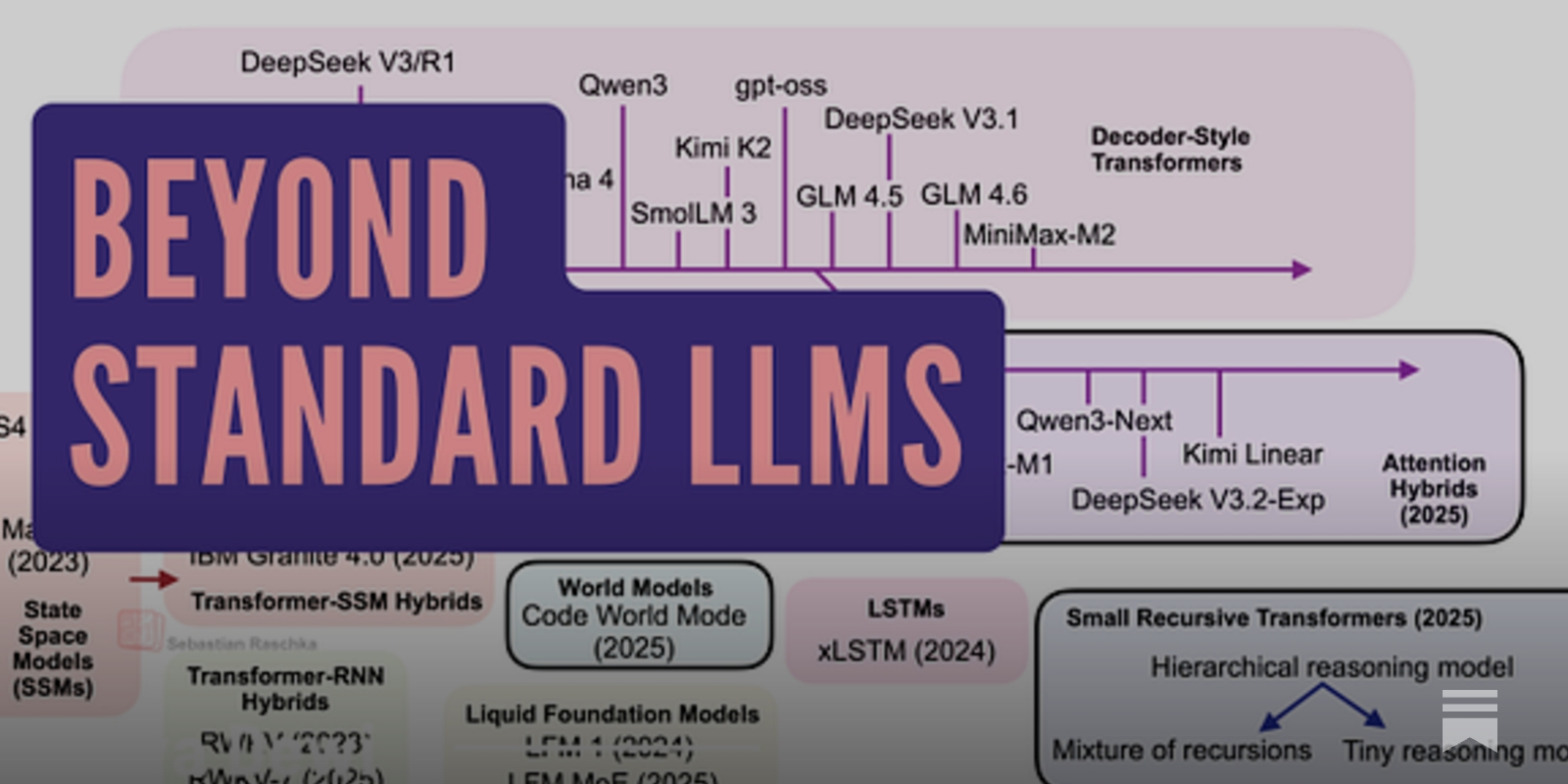
Beyond Standard LLMs
Linear Attention Hybrids, Text Diffusion, Code World Models, and Small Recursive Transformers
LLMs and performative productivity
It's worth asking whether LLMs are actually making us more productive at all—and if so, what we might be sacrificing in return.

Copyright and DMCA Best Practices for Fediverse Operators
People building the future of the social web—interoperable and decentralized—need to protect themselves against copyright liability. This post gives an overview of the steps to take. It’s meant for

Netiquette Guidelines
This document provides a minimum set of guidelines for Network Etiquette (Netiquette) which organizations may take and adapt for their own use. This memo provides information for the Internet community. This memo does not specify an Internet standard of any kind.
Lea: research-oriented social media
Introducing a beta-version of our new research-focused social media platform
A Queer and Feminist Defense of Being Anonymous Online
From the earliest days of digital communities, online abuse has been connected to anonymity. While concerns around the impact of anonymity, particularly for women, people of color and LGBTQ folks, is legitimate, this paper argues that a flat rejection of digital anonymity is problematic, foreclosing certain forms of queer and feminist praxis. To make this case, I turn to the platform politics of Craigslist. Using Craigslist as a case study, I discuss the persistent stigma attached to online anonymity, before addressing specific tactics of online anonymity associated with queer and feminist values of privacy and mutual aid. Drawing on accounts of Craigslist users who saw anonymity as a protective form of control over their personal information, I outline ways in which anonymity is not solely an enabler for misogyny and homophobia, and can instead (or rather, also) be a subversive tool for self-expression and intimacy.
roostorg/coop
Review and moderation, your way. Online safety dashboard, queues, routing and automatic enforcement rules, and integrations.