BAAJA Analysis of Impact on Detention Expansion
The Bipartisan American Affordability and Jobs Act Will Accelerate the Expansion of Deadly Immigration Detention Facilities. The Bipartisan American Affordability and Jobs Act (BAAJA) is slated for a vote soon after the midterm elections. As written, this bill would pave a path for detention expansion by making immigration detention facilities easier to build and much harder to stop. It would undermine years of work by organizations across the country to protect communities and resist detention expansion, weakening the tools we use to hold immigration agencies accountable.
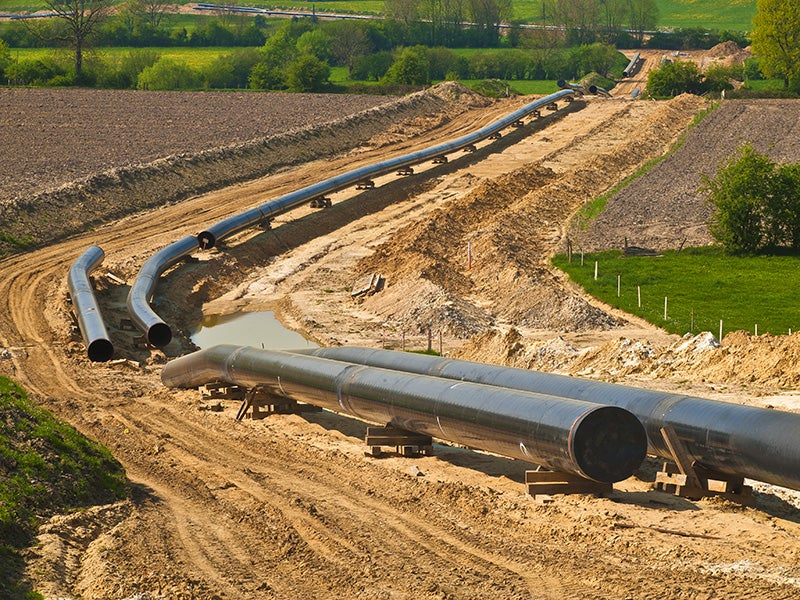
BAAJA Will Speed Gas Pipeline Build-Out and Limit Protections for Public Health and the Environment
The gas industry and the Trump Administration have their sights set on expanding fossil fuel infrastructure to increase our dependence on and export of gas. BAAJA delivers.
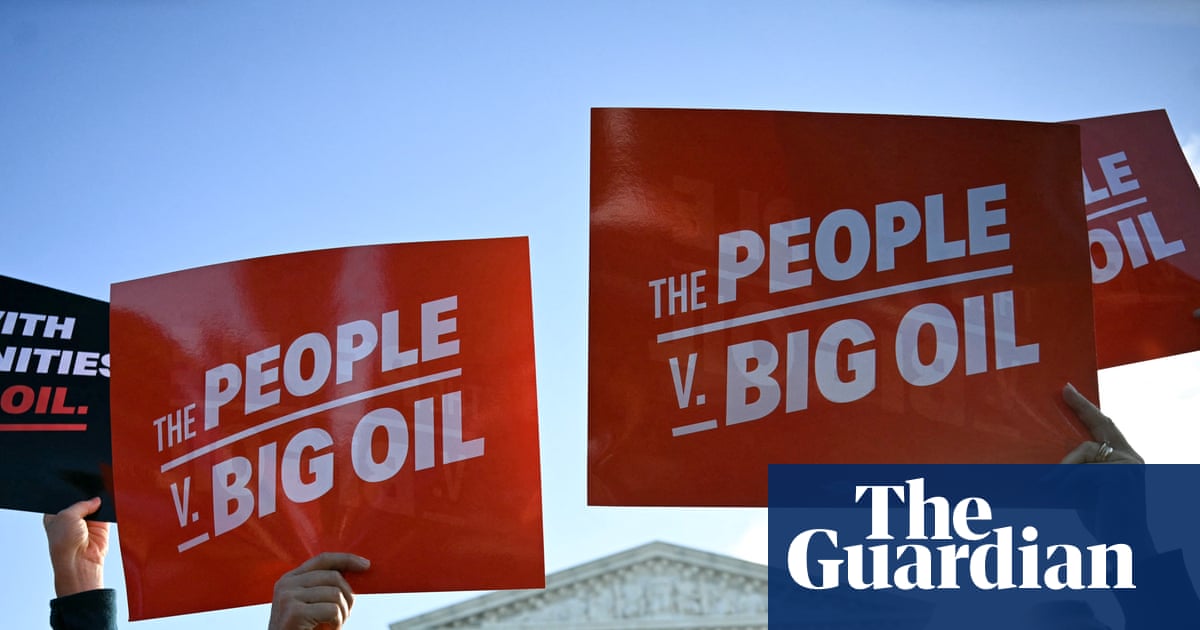
Climate scientists urge US lawmakers to vote no on sweeping permitting bill
Open letter warns Baaja, intended to expedite energy and infrastructure projects, will cause irreversible climate harm

Permitting Reform, BAAJA, & Tribal Historic Preservation
Permitting Reform, BAAJA, & Tribal Historic Preservation Congress is considering major changes to federal permitting laws through the Bipartisan American Affordability and Jobs Act of 2026 (BAAJA), S. 5653. BAAJA would expedite federal permitting by amending laws including the National Historic Preservation Act (NHPA). NATHPO supports efficient permitting, responsible infrastructure development, and effective federal decision-making…

Urge Congress to Halt BAAJA Over Threats to Tribal Sovereignty - Native American Rights Fund
On November 19, 2026, the Senate passed the Bipartisan American Affordability and Jobs Act (BAAJA) despite strong opposition from Tribal Nations. The bill now moves to the House of Representatives. BAAJA would weaken protections for sacred places, limit meaningful Tribal consultation, and make it harder for Tribal Nations to challenge harmful projects in court. The … Continued