cellist • teacher • sailor ⛵ co-founder: ruxeel.com 🎻 & Nautilus Trio 🐚
Design: A powerful but neglected marketing tool
Design is a potent marketing tool that can be used to gain competitive distinctiveness and provide consumer satisfaction. But with few exceptions, most companies neglect or mismanage design as a marketing tool. The authors describe what constitutes good design; how companies can employ design to enhance their products, environments, communications, and corporate identity; and how companies can improve the working relationship between designers and marketing people. The article includes two audit instruments which companies can use for measuring company design sensitivity and design management effectiveness. Design (Entwurf und Gestaltung von Produkten) ist ein wirksames Marketinginstrument im Rahmen der Konkurrenzstrategie und zur Erhöhung der Konsumentenzufriedenheit. Mit einigen Ausnahmen jedoch vernachlässigen die meisten Unternehmungen das Design als Marketinginstrument oder setzen es schlecht ein. Die Autoren beschreiben, wodurch sich ein gutes Design auszeichnet, wie Unternehmungen das Design zur Aufwertung und Verbesserung ihrer Produkte, zur Abgrenzung in ihrer Umwelt und in ihrer Kommunikationspolitik und im Bereiche der Corporate Identity einsetzen können. Ferner zeigen die Autoren, wie die Unternehmungen die Zusammenarbeit zwischen den Produktgestaltern (designers) und den Marketingspezialisten verbessern können. Der Beitrag zeigt zwei Kontrollinstrumente für die Unternehmung zur Abschätzung der Design-Empfindlichkeit von Unternehmungen und zur Messung der Effizienz des DesignManagements (Handhabung der Produktgestaltung).
The Four-Phase Model of Interest Development
Building on and extending existing research, this article proposes a 4-phase model of interest development. The model describes 4 phases in the development and deepening of learner interest: trigg...

Do we actually need to write research papers at all?
If we are going to lean on the creativity and the cross-domain thinking of human researchers, then surely that should be where the human time goes.

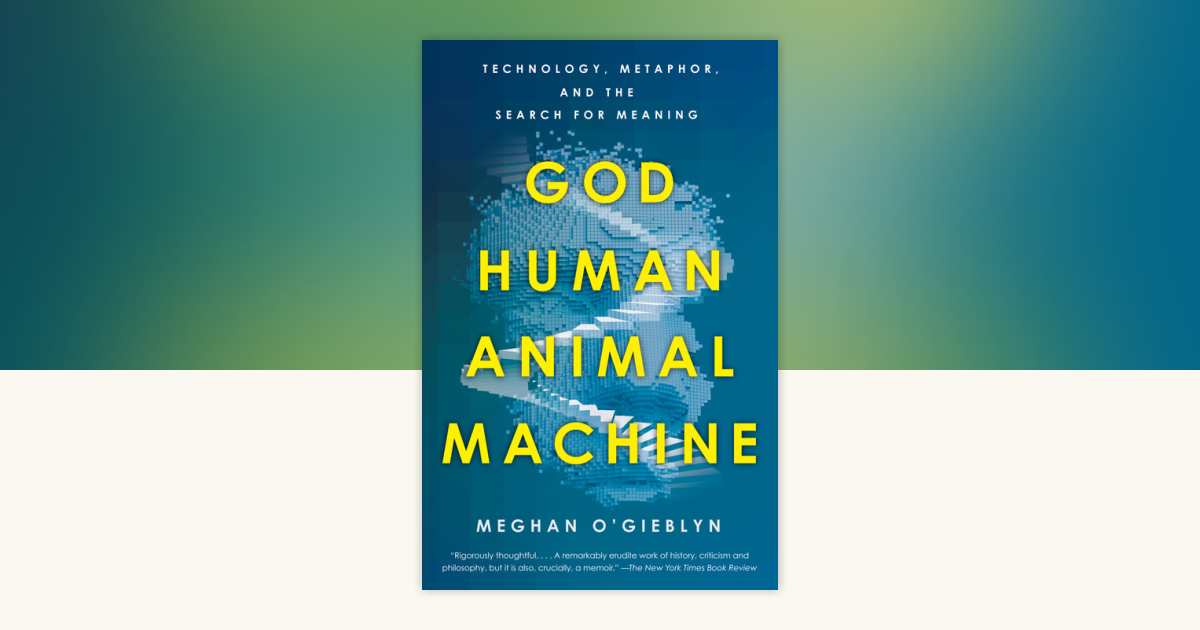
God, Human, Animal, Machine by Meghan O'Gieblyn: 9780525562719 | PenguinRandomHouse.com: Books
A strikingly original exploration of what it might mean to be authentically human in the age of artificial intelligence, from the author of the critically-acclaimed Interior States. • "At...
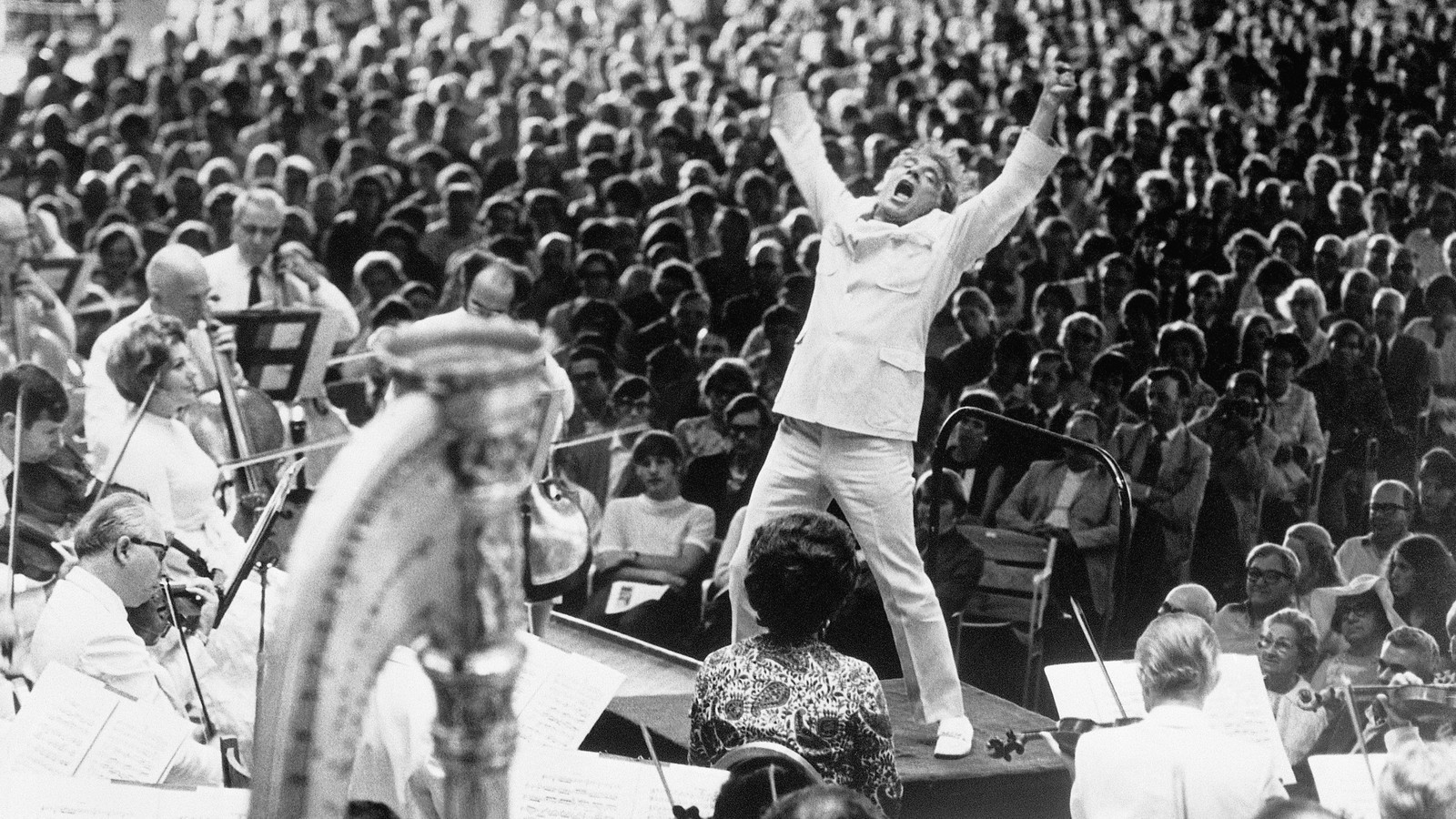
Speaking of Music
“Can anyone explain in mere prose the wonder of one note following or coinciding with another so that we feel that it is exactly how those notes had to be? Of course not.”
Can Dave Hurwitz Save Classical Recording?
An unlikely YouTube star surveys the spoils of an overflowing but precarious industry.

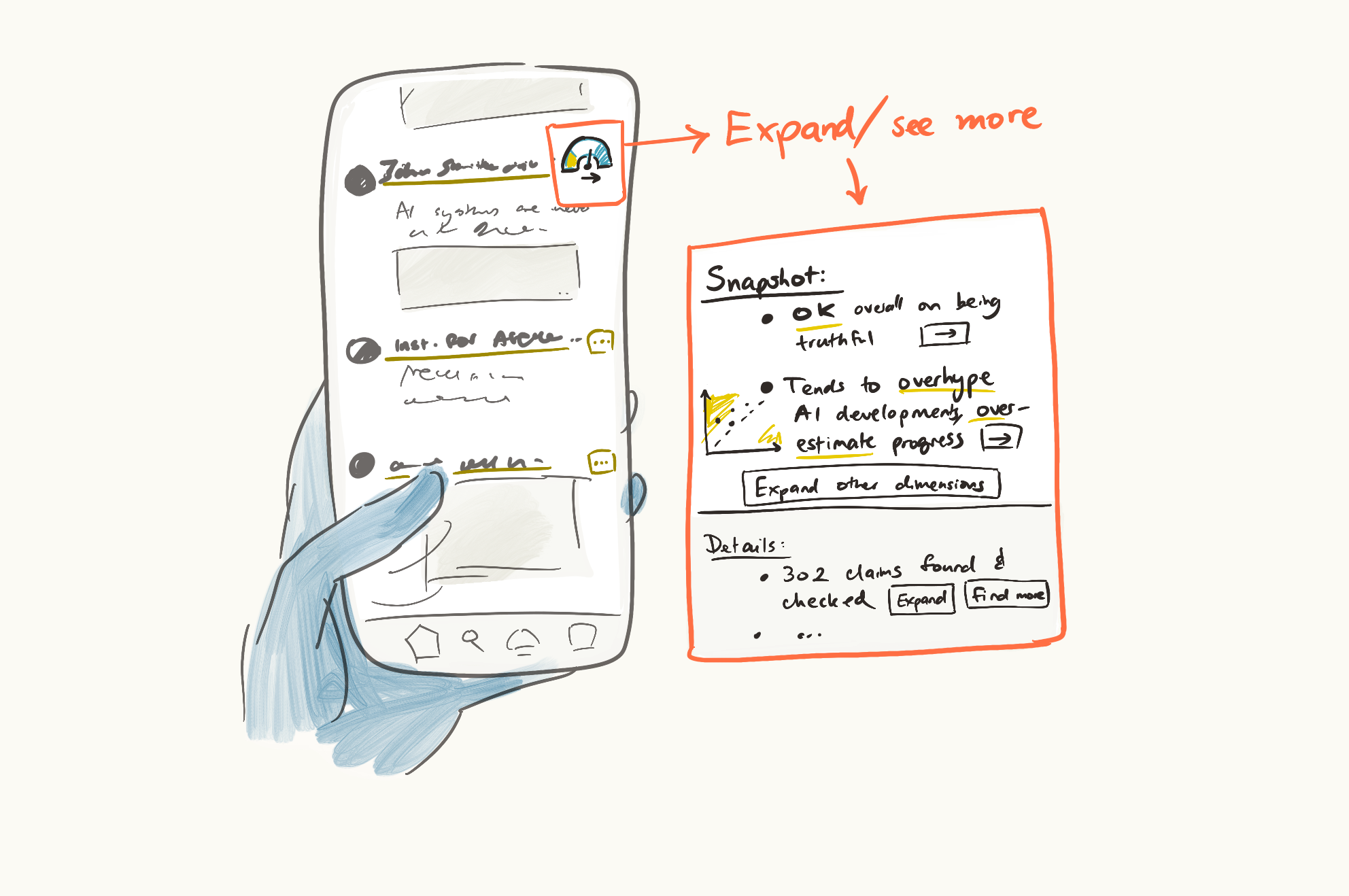
AI Tools for Trust: Community Notes, Rhetoric Detection & More
Five AI technologies to combat misinformation: community notes, rhetoric detection, reliability tracking, epistemic evals, and provenance tracing.
Can generative artificial intelligence be considered a cognitive subject? An analytic analysis
This paper examines whether contemporary generative artificial intelligence (GAI), especially large language models (LLMs), can be regarded as a “cognitive subject” in the epistemic sense relevant to the production and endorsement of knowledge claims. GAI systems increasingly participate in writing, research, and decision-making workflows and can display striking competence in information processing and task-directed problem solving. Yet, the thesis that GAI is a cognitive subject is stronger than the observation that GAI contributes as a cognitive tool. Therefore, we propose an explicit set of necessary and sufficient conditions for cognitive subjecthood and evaluate each condition in light of recent philosophical and empirical scholarship. The analysis supports a two-part conclusion: (i) present-day GAI can reasonably be described as a cognitively significant contributor to knowledge production, but (ii) it does not satisfy the conditions for cognitive subjecthood, largely because robust intentionality, metacognitive self-representation, and consciousness-related indicator properties are not established.
What Libraries Actually Do – Libraries as Epistemic Institutions
One of the biggest challenges for libraries telling their story is that the library means something different depending on who’s in the room. For a student, it’s a place to study and a staff full of people who want them to succeed. For a faculty member, it might be the invisible infrastructure that delivers electronic articles or the subject liaison who visits their class each year. For a graduate student, it’s often something more: a research partner, a data collaborator, a guide through the methodological expectations of a discipline. And that’s before accounting for the larger information environment that those users are already swimming in, where disciplines publish at high rates; trade publications and newsletters and Substacks produce sense-making content daily; and social media, messaging apps, and community channels add still more. The information environment is a flood around us, and the library is one stream of that flow.
Epistemic Infrastructure: Building Shared Truth in an Era of Disaggregation
The Construct of Collective Perception