The World Beyond Hormuz
What plate tectonics, Taichi Ohno and ecology could teach us in the matter

CRISES AVERTED. How A Few Past Societies Found Adaptive Reforms in the Face of Structural-Demographic Crises
Historians and social scientists have long been preoccupied with understanding and documenting periods of crisis. Such emphasis is only growing, and becoming more pressing, as the world continues to face a number of interrelated stressors in the form of irreversible climate change, major ecological shocks and disease outbreaks, eruptions of military violence, economic disruptions and deepening inequalities, political polarization and unrest, the rise of authoritarian and nationalist regimes. Crises in these domains are not new, but have been recurrent features of past societies. Although these periods have typically led to massive loss of life, the failure of critical institutions, and even complete societal collapse, there are instances in the historical record of societies managing to turn the tide of crisis even as violence and social turmoil grow. Here, we focus on four such cases of crises mitigated with structural reforms revealed from our previous historical analyses: early Republican Rome, mid-19th century England and Russia, USA during the the late 20th to early 21st centuries. Utilizing structural demographic theory as a lens to explore these cases, we seek to expose the pressures that built up leading to crisis and the early signs of violent confrontation revealed by these societies, as well as to examine the conditions and key decisions made in the midst of this unrest that allowed these societies to turn the tide and enact significant structural adaptations. Our findings have clear relevance to understanding and navigating similar crises in contemporary societies.
The World Beyond Hormuz
What plate tectonics, Taichi Ohno and ecology could teach us in the matter
The institutional politics of Carney’s defence bank - The Hill Times
Canada’s role in NATO finance risks locking in a defence-driven political economy that will be difficult to reverse.

010 - Greg Stoker on Iran, U.S. Imperialism, and Why the Wars Never Stop
Project Turtle
As worst-case scenarios rapidly unfold, will the US move to protect home base?
The New Gulf War: Epic Fubar Goes Global
Why there is much more at stake here than rising prices

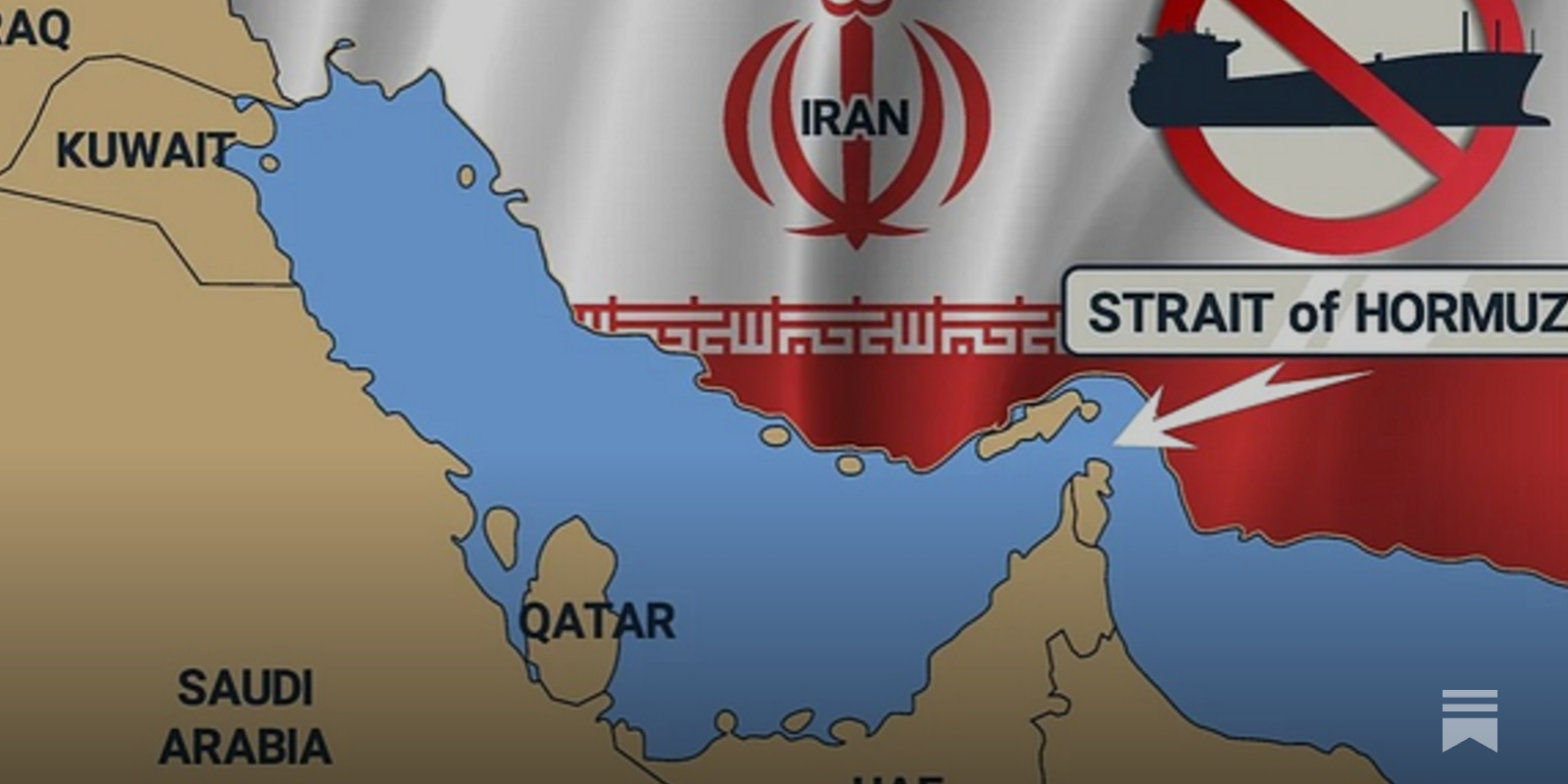
Systemic Risk: A 12-Order Cascading Analysis of a Zero-Flow Strait of Hormuz Closure
Executive Summary
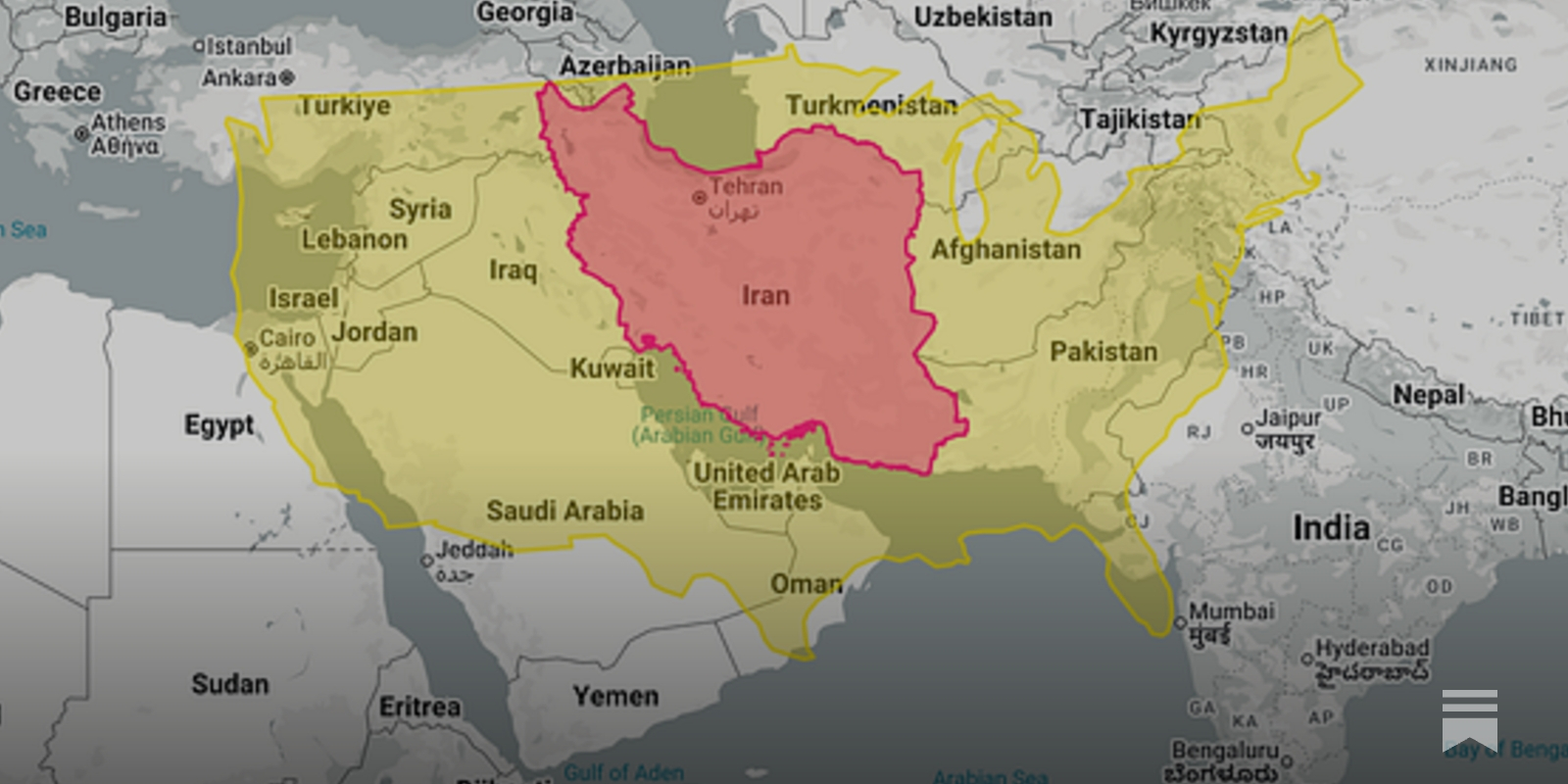
A War for Oil: Economist Michael Hudson on U.S. Quest to Control the World's Oil Trade
Wide Boundary News 2/23/26: Biodiversity Depletion, Iran & the Strait of Hormuz, and the Green Wedge
Collection

Updated 3mo
Trying to see the world for what it is, in all its complexity
