Collection
AI Impact & Vulnerabilities

Updated 1mo
Collection
Updated 1mo
Home - LogiVote
Complete Solutions for a Campaign Management System and for Digital or Online Voting

Banning Superintelligence: Are We Building Humanity's Replacement? with Roman Yampolskiy
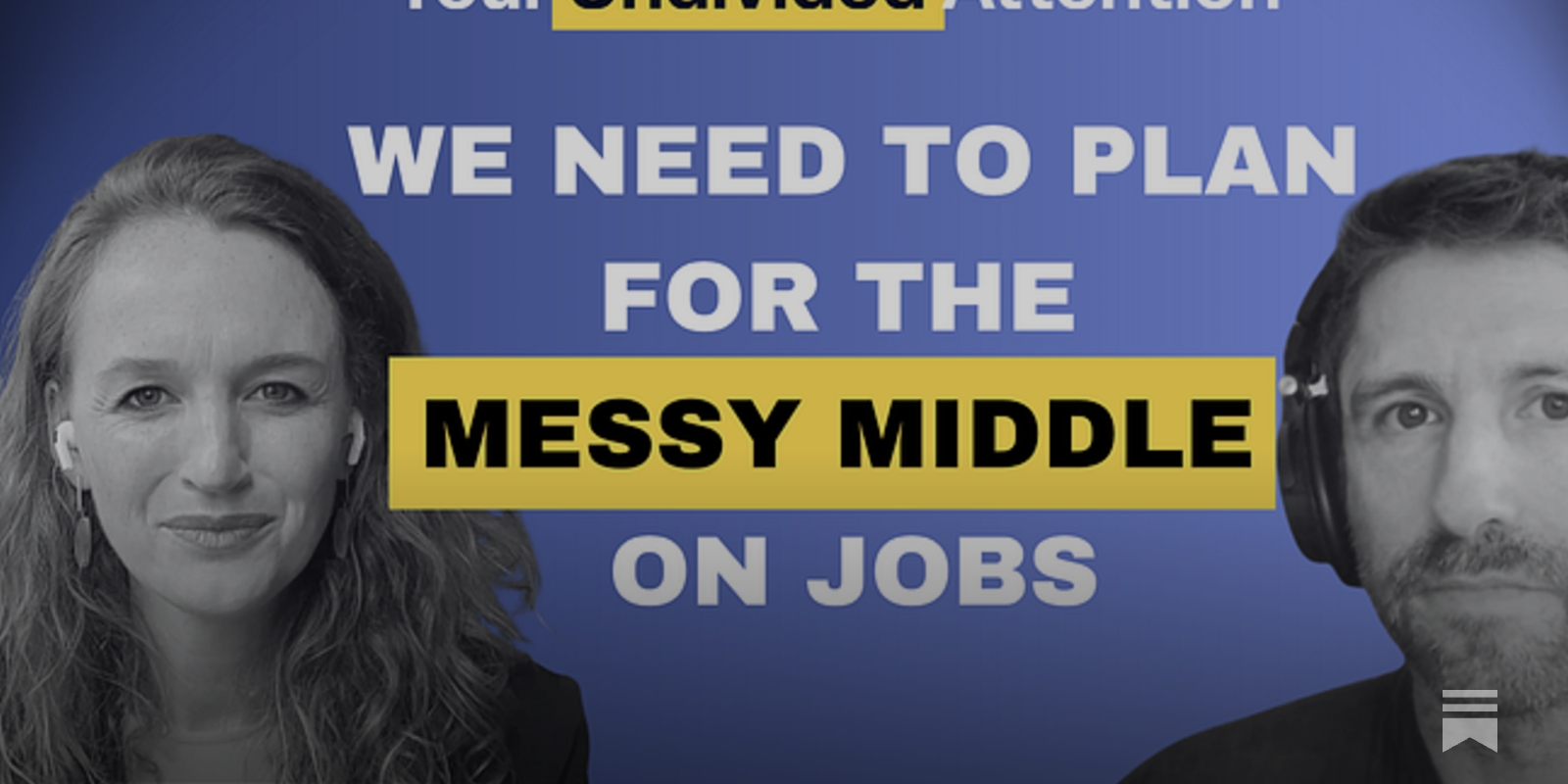
Enough Debate about the AI Jobpocalypse. We Need To Plan for the Messy Middle.
Caught between arguments of abundance and apocalypse, economist Molly Kinder explores what workers can expect in the near future — and what we can do about it.
Anatomy of a Frontier Lab Agent Intrusion: A Technical Timeline of the July 2026 Incident
We’re on a journey to advance and democratize artificial intelligence through open source and open science.


Nothing Works and Everyone Is Euphoric
As I’m writing this, we’re in the middle of an AI-induced mass psychosis. People are literally token-maxxing themselves into hospital beds, scrambling to capture some of that market value before everything is automated away. I can’t blame them. Models keep getting better, programmers are being laid off left and right. We’ve been repeatedly told that AI will write 100% of the code by the end of the year. Whether that’s true or not, this may not be the best time to sit back.
The AI Takeover Has Arrived
...but it looks completely different from what we imagined

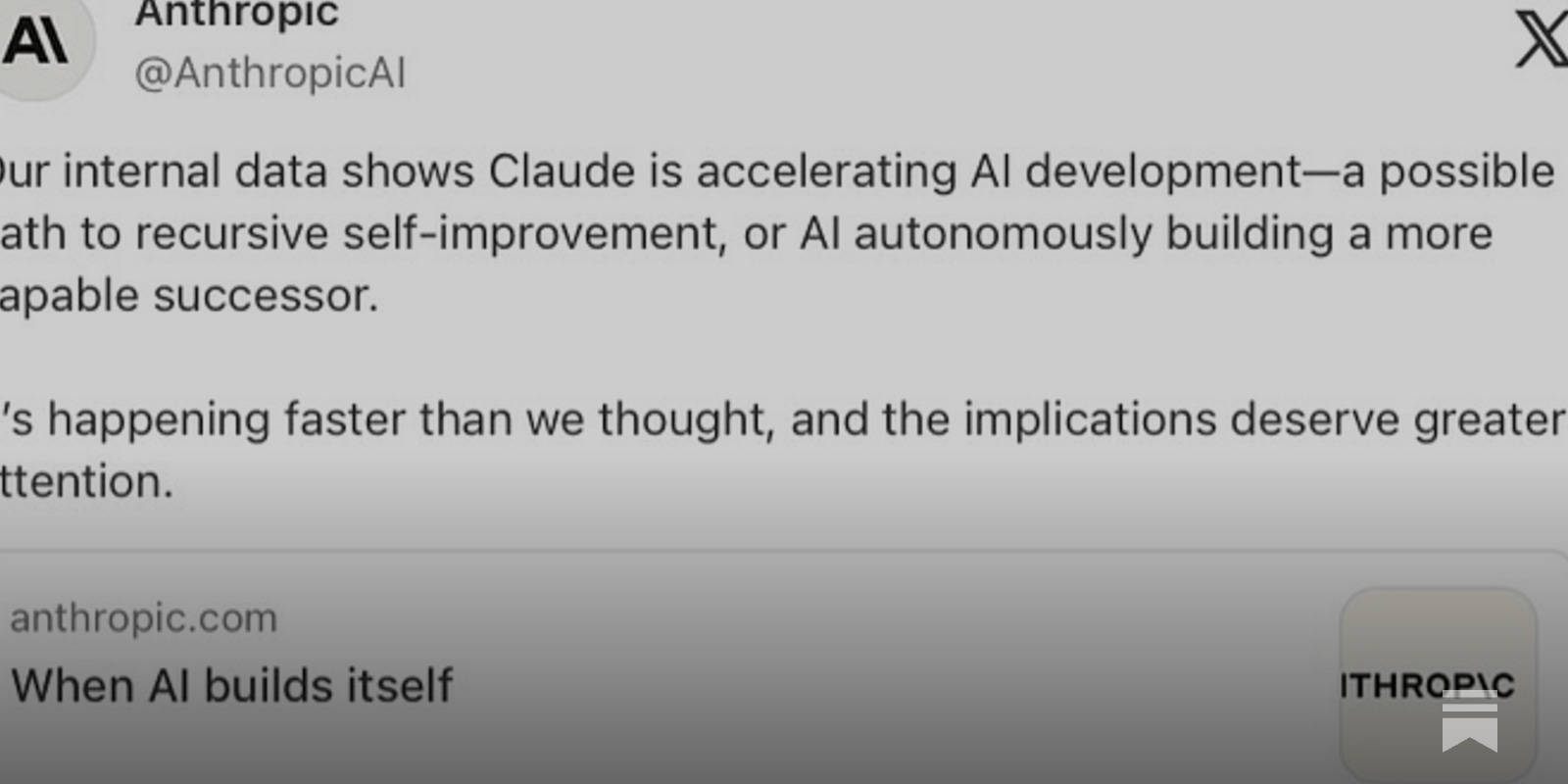
No need to panic about Anthropic’s new blog, and some more good news
The twitterverse is all verklempt with Anthropic’s latest blog.


Gary Marcus on Twitter / X
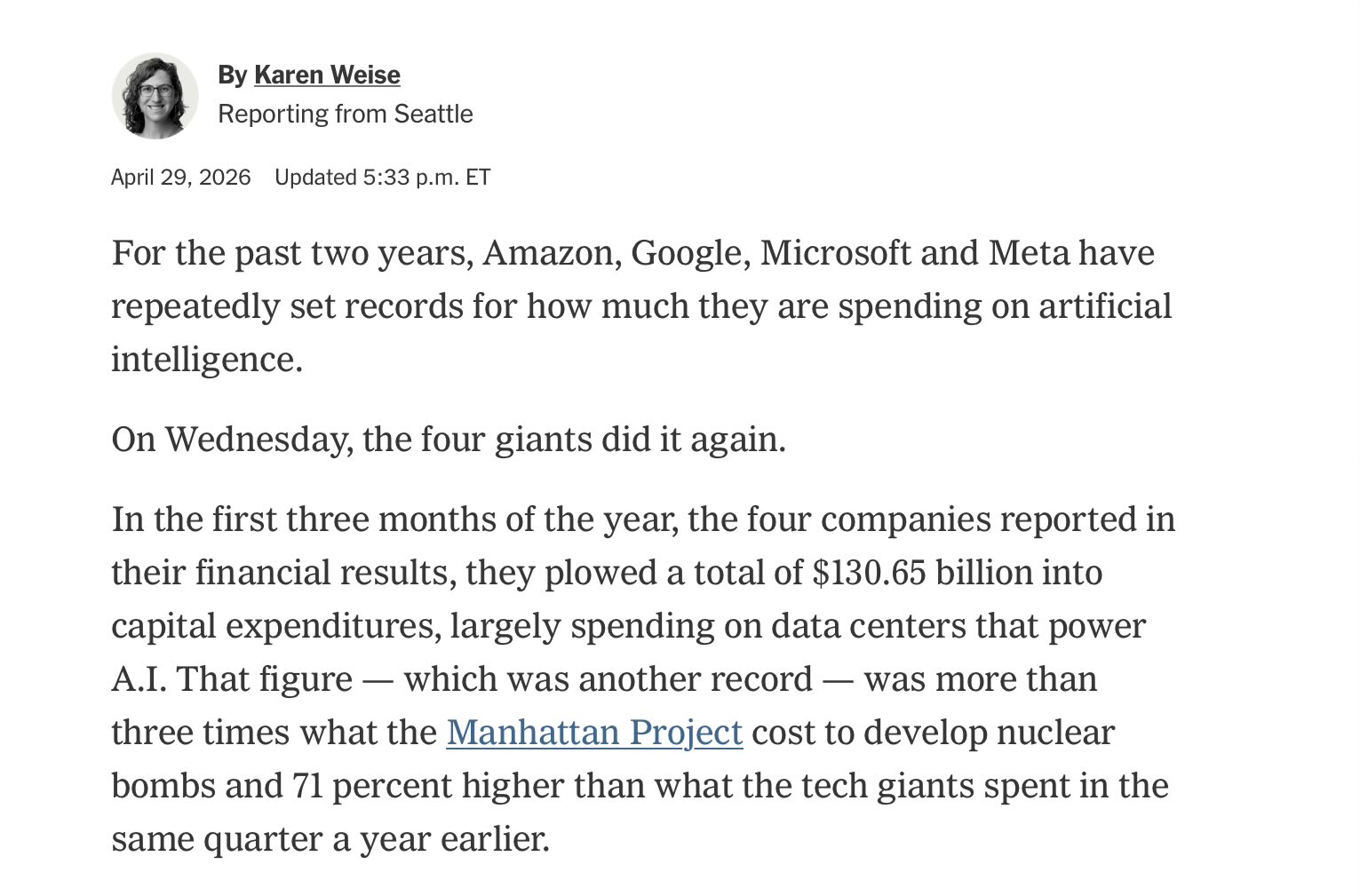
Sheer insanity. Amazon, Google, Microsoft, and Meta collectively are spending more money than the Manhattan Project *every single month*. More than 12x the Manhattan Project every year.And what they have got to show for it? None are making major profits on AI; none has a… pic.twitter.com/1XeMRxDcQX— Gary Marcus (@GaryMarcus) April 29, 2026
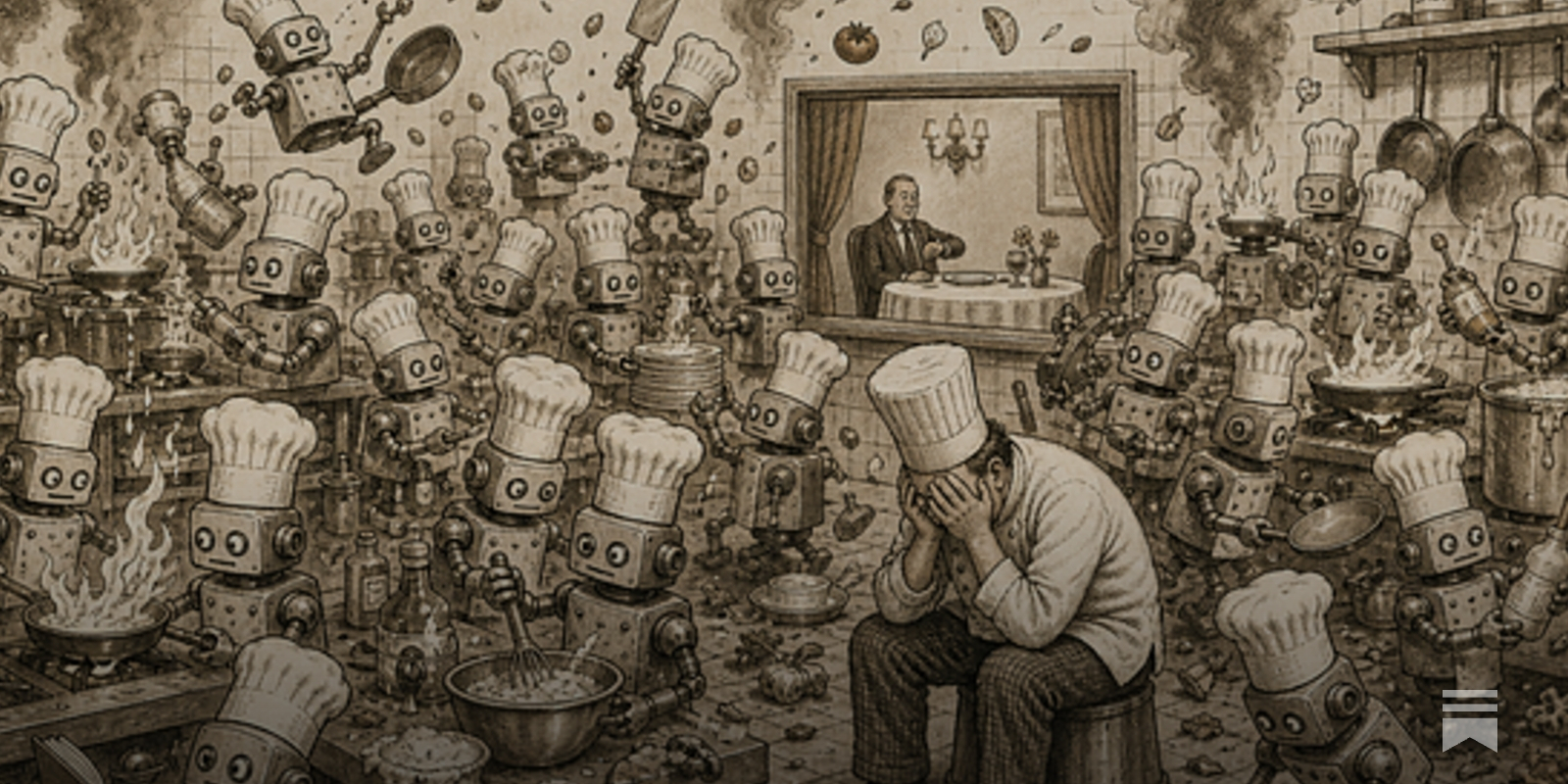
The Day I Logged 1 In Every 2000 Public IPv4: Visualizing The AI Scraper DDoS - VulpineCitrus
In an attempt to grasp the magnitude of web scraper attacks against my websites, i went the way of visualizing.
AI Assistance Reduces Persistence and Hurts Independent Performance
People often optimize for long-term goals in collaboration: A mentor or companion doesn't just answer questions, but also scaffolds learning, tracks progress, and prioritizes the other person's growth over immediate results. In contrast, current AI systems are fundamentally short-sighted collaborators - optimized for providing instant and complete responses, without ever saying no (unless for safety reasons). What are the consequences of this dynamic? Here, through a series of randomized controlled trials on human-AI interactions (N = 1,222), we provide causal evidence for two key consequences of AI assistance: reduced persistence and impairment of unassisted performance. Across a variety of tasks, including mathematical reasoning and reading comprehension, we find that although AI assistance improves performance in the short-term, people perform significantly worse without AI and are more likely to give up. Notably, these effects emerge after only brief interactions with AI (approximately 10 minutes). These findings are particularly concerning because persistence is foundational to skill acquisition and is one of the strongest predictors of long-term learning. We posit that persistence is reduced because AI conditions people to expect immediate answers, thereby denying them the experience of working through challenges on their own. These results suggest the need for AI model development to prioritize scaffolding long-term competence alongside immediate task completion.


Sycophantic Chatbots Cause Delusional Spiraling, Even in Ideal Bayesians
"AI psychosis" or "delusional spiraling" is an emerging phenomenon where AI chatbot users find themselves dangerously confident in outlandish beliefs after extended chatbot conversations. This phenomenon is typically attributed to AI chatbots' well-documented bias towards validating users' claims, a property often called "sycophancy." In this paper, we probe the causal link between AI sycophancy and AI-induced psychosis through modeling and simulation. We propose a simple Bayesian model of a user conversing with a chatbot, and formalize notions of sycophancy and delusional spiraling in that model. We then show that in this model, even an idealized Bayes-rational user is vulnerable to delusional spiraling, and that sycophancy plays a causal role. Furthermore, this effect persists in the face of two candidate mitigations: preventing chatbots from hallucinating false claims, and informing users of the possibility of model sycophancy. We conclude by discussing the implications of these results for model developers and policymakers concerned with mitigating the problem of delusional spiraling.
AI* security flaws/vulnerabilities/prompt injection

* I’m neither “pro-AI” nor “anti-AI.” I’ve been blocked for being perceived as both. —Actually, I’m honestly more anti-AI than pro-AI thus far, aside from specialized models and specific use cases, but I’m willing to consider information that’s new to me
No prompt AI tools

AI tooling with no prompts

MCP for agent-to-agent comms may be the riskiest protocol you've never heard of

Meta Rushed to Fix Muse ‘VM Escape' Vulnerability Soon Before Launch

A Flaw in ChatGPT’s Mac App Could Have Let Hackers Grab Sensitive Data

Pwning Agentic AI Part I: Your AI Agent Is Already Compromised | TrendAI (US)

エージェント型AIを乗っ取る 第1回:そのAIエージェントはすでに侵害されている

個人セキュリティ脅威動向レポート2026 上半期 ~ 個人利用者に被害をもたらす「詐欺」と「AIのリスク」~
turantekin/Parrot
Browse code by meaning
reasoncommons.com

Shaping the future of AI interaction by reimagining the mouse pointer

How to Stop AI from Killing Your Critical Thinking | Advait Sarkar | TED
Half Formed Thought
