

In 2006, after visiting the Computer History Museum’s exhibit on Chess, I opined: We may have reached an inflection point. The problem space of chess is so astonishingly large that incremental increases in hardware speed and algorithms are unlikely to result in meaningful gains from here on out. So.
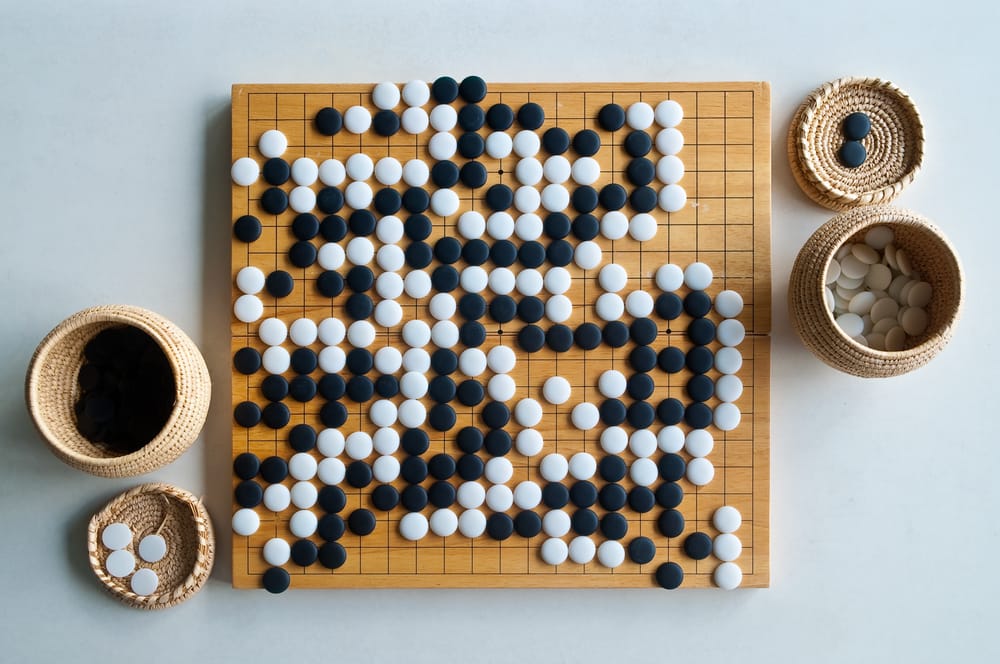
Scientists Are Discovering Long-Lost Rules for Ancient Board Games
You can play reconstructions of ancient board games thanks to these scientists and their algorithms.

World Chess Championship 2018 Is Made for the Internet
How and why a 1,500-year-old game has conquered the internet.

Defining the Dimensions of the “Space” of Computing
The first computing machines were so large they filled entire rooms. Today they are ubiquitous, built invisibly into our environments. While it's tempting to view this change within a predetermined space of progress, we can still shape the future on our own terms.

Game theory: Chess is taking over the online video game streaming world and that will change it too
The game of kings is more popular than ever, with over 605 million players worldwide, and now, memes are involved.

r/incremental_games
Welcome! This subreddit is for us lovers of games that feature an incremental mechanism, such as unlocking progressively more powerful upgrades, or discovering new ways to play the game. This genre is growing at a break-neck pace, be part of the revolution!

r/incremental_games
Welcome! This subreddit is for us lovers of games that feature an incremental mechanism, such as unlocking progressively more powerful upgrades, or discovering new ways to play the game. This genre is growing at a break-neck pace, be part of the revolution!

Illustration of Harvard Mark III | Mastering the Game | Computer History Museum
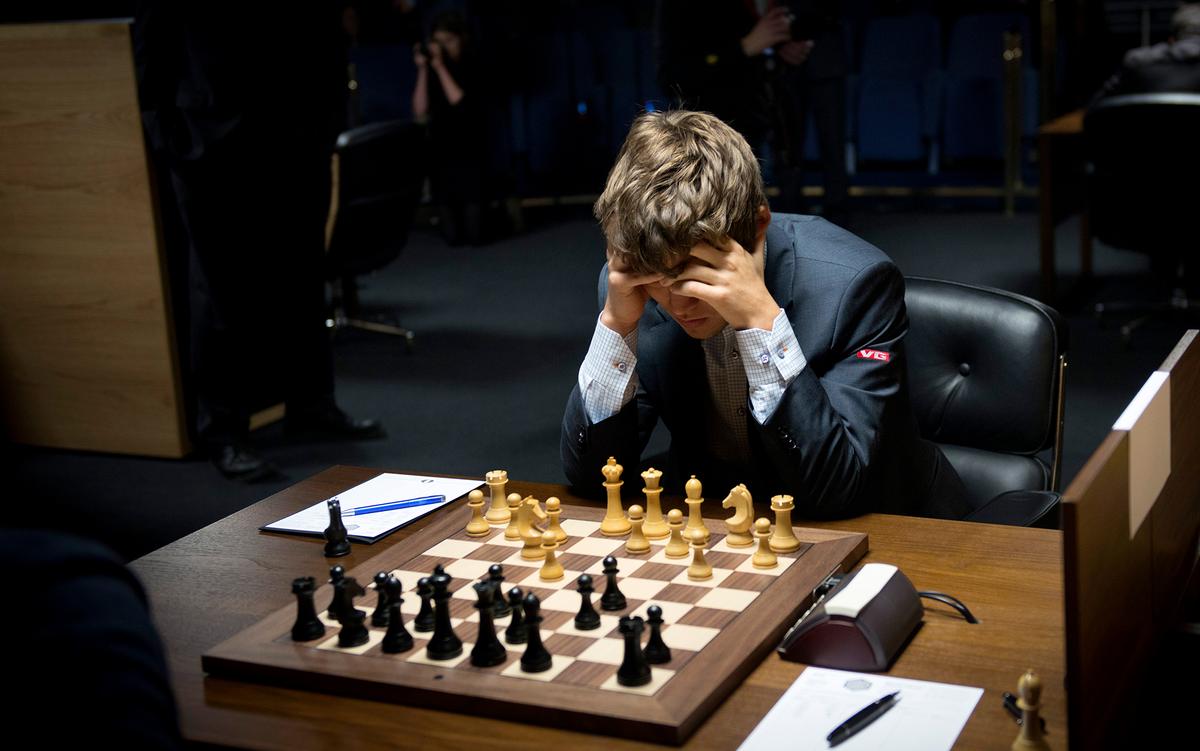
Playing chess is an essential life lesson in concentration | Aeon Essays
The challenge of chess – learning how to hold complexity in mind and still make good decisions – is also the challenge of life
Theory Beyond Theorems and Proofs: A Guest Post
Scott’s foreword: I’m extremely grateful to my brilliant colleagues, Pravesh Kothari, Raghu Meka, and Prasad Raghavendra, for sharing the guest post below about how theoretical computer…

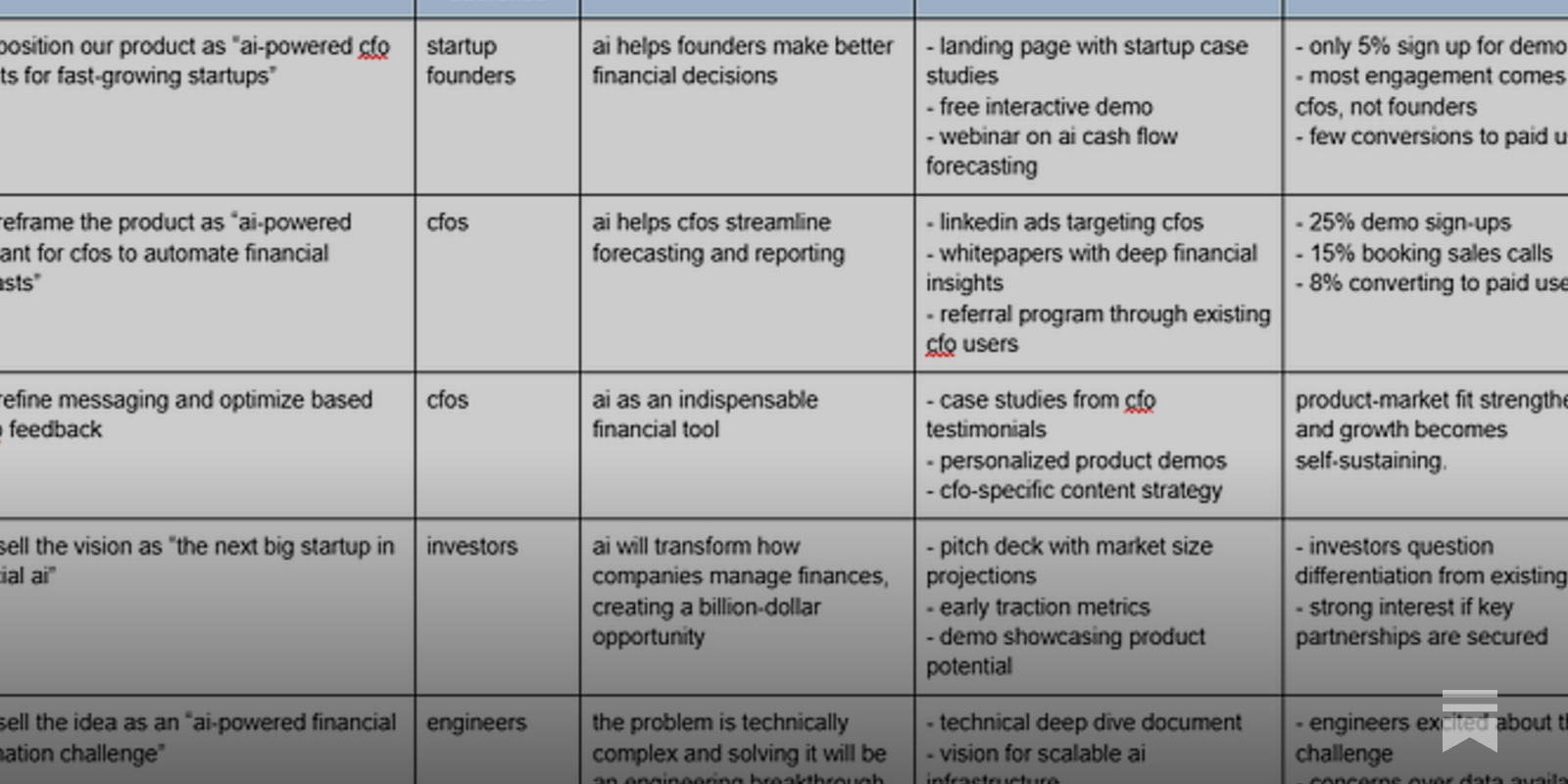
computational product market fit
‘computer science is no more about computers than astronomy is about telescopes.’ — edsger dijkstra
zach lieberman on Twitter / X
Today I was able to weave a line from Myron Krueger in a talk I gave : Computation is the medium of our lifetimes - it’s not just a technical medium but a cultural medium as well. We should explore the culture of computation.— zach lieberman (@zachlieberman) April 10, 2024
The Bitter Lesson: Rethinking How We Build AI Systems
The Race for AI Progress In 2019, Richard Sutton, wrote his groundbreaking essay titled ‘The Bitter Lesson’. Simply put, the essay concludes that systems which get better with higher compute beat the systems that do not. Or specifically in AI: raw computing power consistently wins over intricate human-designed solutions. I used to believe that clever orchestrations and sophisticated rules were the key to building better AI systems. That was a typical sofware dev mentality. You build a system, look for edgecases, cover them and you are good to go. Boy, was I wrong.
Celebrating the 75th Anniversary of the Turing Test
Quickly Training Game-Playing Agents with Machine Learning
Posted by Leopold Haller and Hernan Moraldo, Software Engineers, Google Research In the last two decades, dramatic advances in compute and connecti...

Algorithm Mediated Experiences

On the effects of algorithms on everyday experiences

Generative Ethics: How AI Model Choice Shapes Social and Financial Performance

Political Sorting Can Drive AI Models Apart Through User Feedback

Network dynamics of social influence in the wisdom of crowds

Biased AI writing assistants shift users’ attitudes on societal issues

Generative AI enhances individual creativity but reduces the collective diversity of novel content

How Heavily Are PhD Students Offloading Their Scientific Writing to AI? Evidence from US STEM PhD Dissertations