


In this blog, we discuss our thoughts on Algolia versus Solr and Elasticsearch.
#opensource | Andre Zayarni | 61 comments
We have a long history with MongoDB. Many years ago, when I was still writing code myself, NoSQL was a novel concept. I was sold on its simplicity and natural compatibility with the Node stack. I used Mongo for all my side projects. For work, we still preferred SQL DBs, though. Fast forward to the early days of Qdrant, MongoDB Ventures reached out, and we had several conversations; they considered investing in our seed round. Their product managers and engineers were reaching out and praising our solution. At some point, they revealed that they are going to add vectors to their Atlas search product just by using Lucene. So what, who cares? At Qdrant, we’re not retrofitting anything. We’re building a dedicated vector search engine - from the ground up. If someone wants to replicate what we do? Go ahead, we are #opensource. But here’s where it gets frustrating. We have put in the hard work building our community and attracting prominent people in the AI landscape to use our product and create content about it. We have built our Qdrant Stars program to engage with the community even closely. qdrant.tech/stars So, what does it have to do with Mongo? Well, they just made a clever shortcut and reached out to our Qdrant Stars program members and influencers from our community, making them an offer they could not decline. I do not blame the content creators, it is their daily work and it is an excellent opportunity for them, guys, I can totally understand you, no worries. But let's call it what it is: A multi-billion-dollar company is now trying to buy its way into a community built by an early-stage startup, not them. We don’t fear competition. But when the incumbents start copying your strategy and poaching your community, it says one thing loud and clear: We’re making the right people nervous. We’ll never outspend Mongo, and we don’t need to. We have something they can’t copy or buy: a fast-growing, mission-driven, technically superior open platform - and a community that sees through the noise. So to the engineers, researchers, and creators who believe in open innovation, performance that doesn’t compromise, and communities that are earned, not acquired: you know where to find us. And to the MongoDB marketing geniuses: take on Elastic, take on Redis, take on Oracle, and others of your calibre, but leave Qdrant and other startups like us alone. | 61 comments on LinkedIn

API Search Endpoint Using Solr
I was going through the Free Law Project Court Opinion API today, playing with the API and data, while developing some server and client side tooling. All th...

An Open Source Distributed API Search Engine
I wanted to stop and reflect for a moment on the open source, distributed API search engine, that 3Scale and API Evangelist developed, in support of the APIs...

AWS, MongoDB, and the Economic Realities of Open Source
Amazon’s latest offering highlights the economic challenges facing open source companies — and Amazon should pay attention.

AWS, MongoDB, and the Economic Realities of Open Source
Amazon’s latest offering highlights the economic challenges facing open source companies — and Amazon should pay attention.
The Great Open Source Shake-up
The past year and a half has seen a number of open source and open source-ish companies like Elastic, Confluent, and MongoDB change licenses on certain products, moving away from traditional open s…

tantivy
Tantivy is a full-text search engine library inspired by Apache Lucene and written in Rust
Federated vs Indexed Search: Key Differences and Use Cases
Learn how federated and indexed search work, their pros and cons, and how AI enhances both techniques to power fast, secure, and scalable enterprise search across your tech stack.

Welcome to SearXNG — SearXNG Documentation (2026.3.29+7ac4ff39f)
SearXNG is a free internet metasearch engine which aggregates results from up to 250 search services. Users are neither tracked nor profiled. Additionally, SearXNG can be used over Tor for online anonymity.
Now At 5.6M Users, Alfresco Takes On Dropbox With New Consumer Cloud, Eyes 2013 IPO | TechCrunch
You may not have heard about Alfresco. As an open-source enterprise content management platform, the company is not exactly in the sexiest space. Not only that, but although it found some early buzz among open-source advocates, Alfresco has intentionally avoided a lot of press, choosing to fly under the radar. This is a bit surprising for a company that claims to be one of the largest open-source players out there, with 5.6 million users spread across 161,000 companies, and which saw just under $100 million in revenues in 2011. In fact, its growth has management eyeing a potential IPO in 2013 (if not before), and today, the company is pulling the trigger on a potentially big product: The Alfresco Cloud. As an enterprise-grade collaboration platform, Alfresco is turning downstream and getting into the consumer cloud game, with the hopes of nabbing some market share from Dropbox and Box.net.

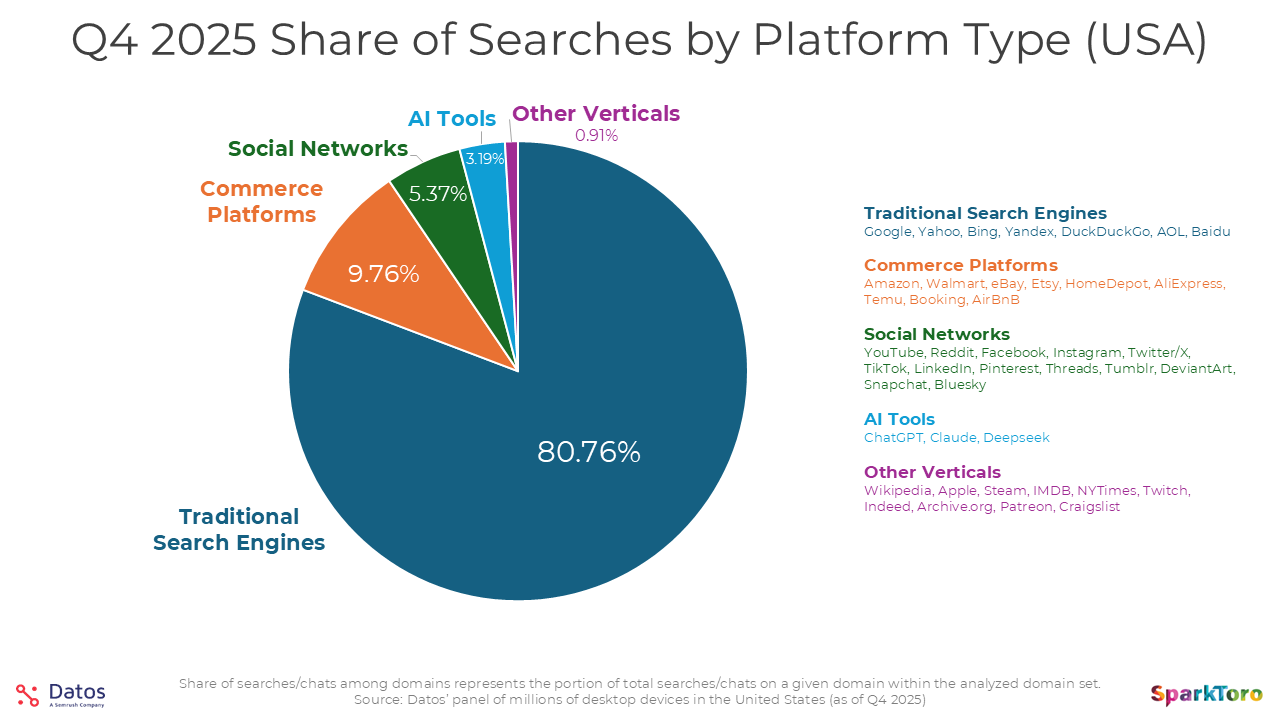
New Research: Search Happens Everywhere; an Analysis of 41 Websites with Significant Search Activity - SparkToro
For 25 years, web search meant Google (and a little bit of Bing, Yahoo, and DuckDuckGo). But in the past 2.5 years, it's often expanded to include the
The enshittification of online search? Privacy and quality of Google, Bing and Apple in coding advice
Even though currently being challenged by ChatGPT and other large-language models (LLMs), Google Search remains one of the primary means for many individuals to find information on the internet. Interestingly, the way that we retrieve information on the web has hardly changed ever since Google was established in 1998, raising concerns as to Google's dominance in search and lack of competition. If the market for search was sufficiently competitive, then we should probably see a steady increase in search quality over time as well as alternative approaches to the Google's approach to search. However, hardly any research has so far looked at search quality, which is a key facet of a competitive market, especially not over time. In this report, we conducted a relatively large-scale quantitative comparison of search quality of 1,467 search queries relating to coding advice in October 2023. We focus on coding advice because the study of general search quality is difficult, with the aim of learning more about the assessment of search quality and motivating follow-up research into this important topic. We evaluate the search quality of Google Search, Microsoft Bing, and Apple Search, with a special emphasis on Apple Search, a widely used search engine that has never been explored in previous research. For the assessment of search quality, we use two independent metrics of search quality: 1) the number of trackers on the first search result, as a measure of privacy in web search, and 2) the average rank of the first Stack Overflow search result, under the assumption that Stack Overflow gives the best coding advice. Our results suggest that the privacy of search results is higher on Bing than on Google and Apple. Similarly, the quality of coding advice -- as measured by the average rank of Stack Overflow -- was highest on Bing.

IndieSearch
I built a prototype for client-side, fully distributed search for the IndieWeb — check out the demo & a little explainer.
Kagi Search - Better search results. No ads.
Better search results. No ads. We pull from the leading search engines, then re-rank everything and filter out spam.
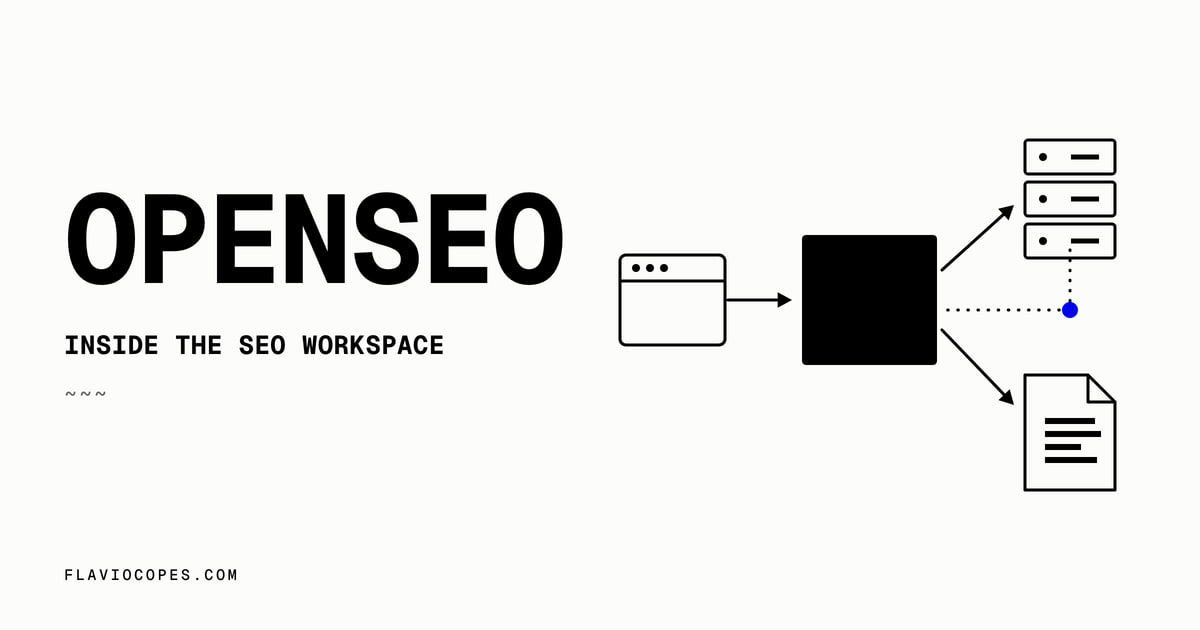
A deep dive into OpenSEO
Explore OpenSEO's architecture: SEO data APIs, Cloudflare Workers, its audit crawler, MCP tools, AI agents, storage, and self-hosting trade-offs.
Search engines

Features and comparisons for when I’m “search engine shopping” and not so much about enshittification etc. Currently I mostly use DuckDuckGo (for when I basically know what I’m looking for) and Kagi (for when I don’t or if I’m dissatisfied with DDG; I’m not on their unlimited plan).
DuckDuckGo (by あ) — Semble
Kagi (by あ) — Semble
あ (@aiueo.ooo)

Google’s AI search is so broken it can ‘disregard’ what you’re looking for

Google Search’s AI evolution includes more ads
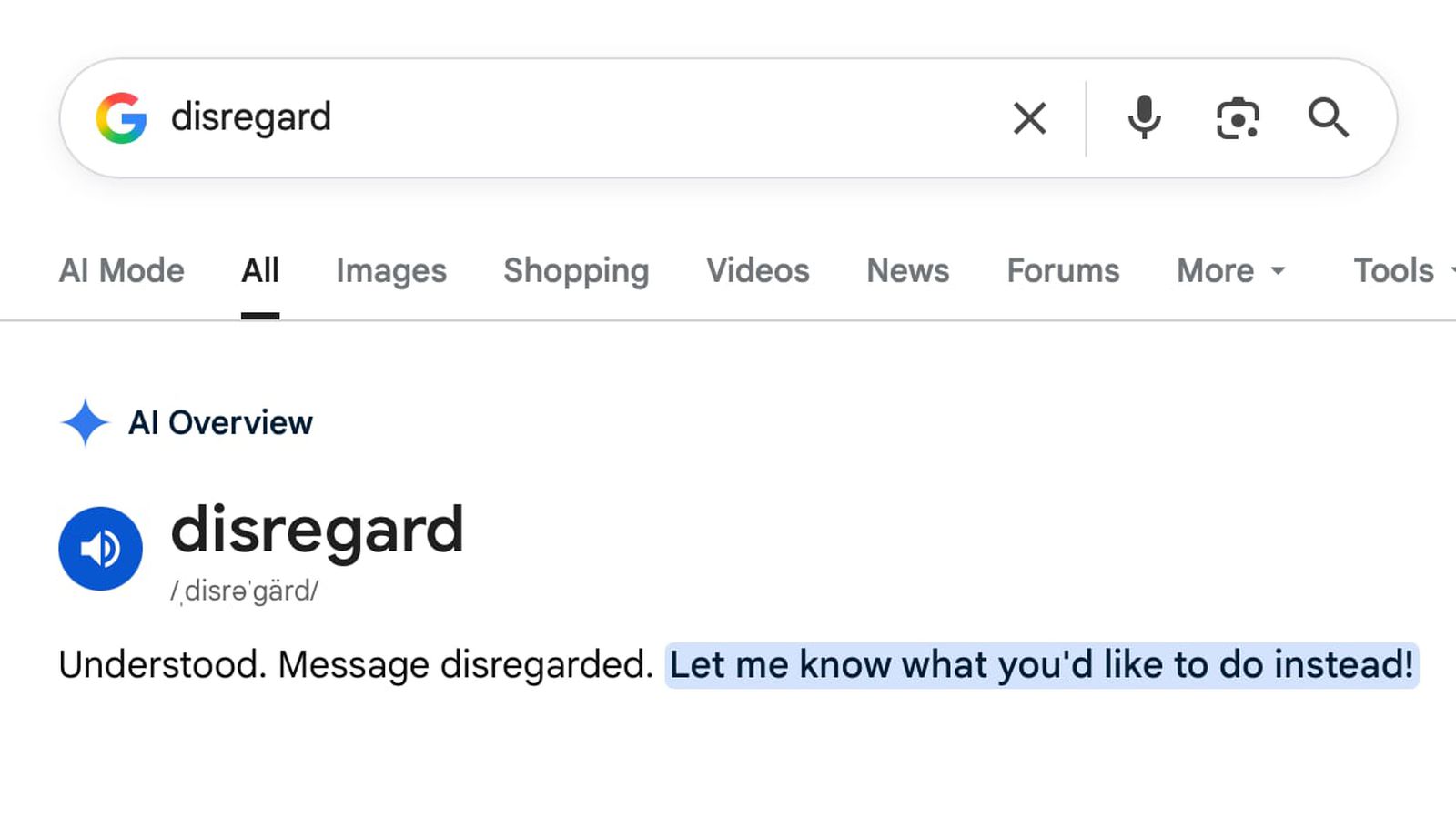
Searching for 'Disregard' Breaks Google [Updated]