

I hear a lot of talk these days about TDD and BDD and Extreme Programming and SCRUM and stand up meetings and all kinds of methodologies and techniques for developing better software, but it’s all irrelevant unless the software we’re building meets the needs of those that are using it. Let me put that another way. A perfect implementation of the wrong specification is worthless. By the same principle a beautifully crafted library with no documentation is also damn near worthless. If your software solves the wrong problem or nobody can figure out how to use it, there’s something very bad going on.
Semantics-Driven Development (SDD): A brief introduction
A method for building software: agree on the meaning first, write it as mathematics, and prove that the code obeys it.
Domain-Driven Design: Tackling Complexity in the Heart of Software
Domain-Driven Design fills that need. This is not a book about specific technologies. It offers readers a systematic approach to domain-driven design, presenting an extensive set of design best ...
Malleable Software in the Age of AI - Geoffrey Litt
Disability-Driven Development
Specification by example
Specification by example (SBE) is a collaborative approach to defining requirements and business-oriented functional tests for software products based on capturing and illustrating requirements using realistic examples instead of abstract statements. It is applied in the context of agile software development methods, in particular behavior-driven development. This approach is particularly successful for managing requirements and functional tests on large-scale projects of significant domain and organisational complexity.[1]
Understanding Spec-Driven-Development: Kiro, spec-kit, and Tessl
Notes from my Thoughtworks colleagues on AI-assisted software delivery

Making Documentation Simpler and Practical: Our Docs-as-Code Journey — Squarespace Engineering Blog
In the fast-paced world of software development, documentation often gets a bad rap. It's perceived as a chore, a necessary evil, and sometimes, unfortunately, an afterthought. But what if writing documentation could be as dynamic and collaborative as writing the code itself? What if it could be si

Introducing the Accessible Components Library - TetraLogical
We've open-sourced our Accessible Components Library, and, as you might expect, this includes the HTML, CSS, and JavaScript code. But, we thought, "Why stop there?" So, we've also published our documentation, including the accessibility requirements, test scenarios, and even the working automated tests which validate each one.
How to write a game design document (GDD)
Learn how to create a modern GDD and keep your project on track.
What spec-driven development gets wrong
The most powerful AI software development platform with the industry-leading context engine.

Malleable software
computing environments where anyone can mold their tools to their own unique needs.That definition is by [[Geoffrey Litt]], who wrote [[Malleable software ...

Design system doc spec 0.15.2
A machine-readable format for design system documentation. DSDS structures components, tokens, themes, foundations, patterns, and guides as a single source of truth for humans, parsers, and agents.
Disability-driven Development

Disability-driven Development is a practice that reimagines computing from a disabled perspective.
Malleable Software

Software that gives users extreme agency over the interface, such as JIT interfaces.
Inclusive Design 24 #id24

say eugenics, say it again

Why AI is exposing design’s craft crisis

tech isn’t the future it’s just capitalism faster
The Dunning-Kruger effect in accessibility - Craig Abbott
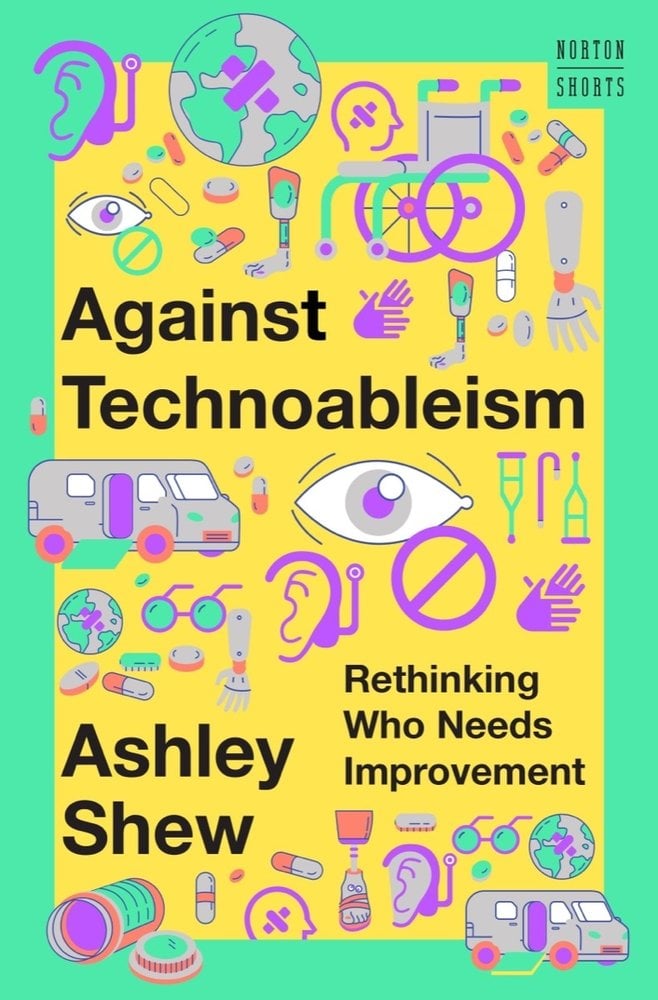
Against Technoableism
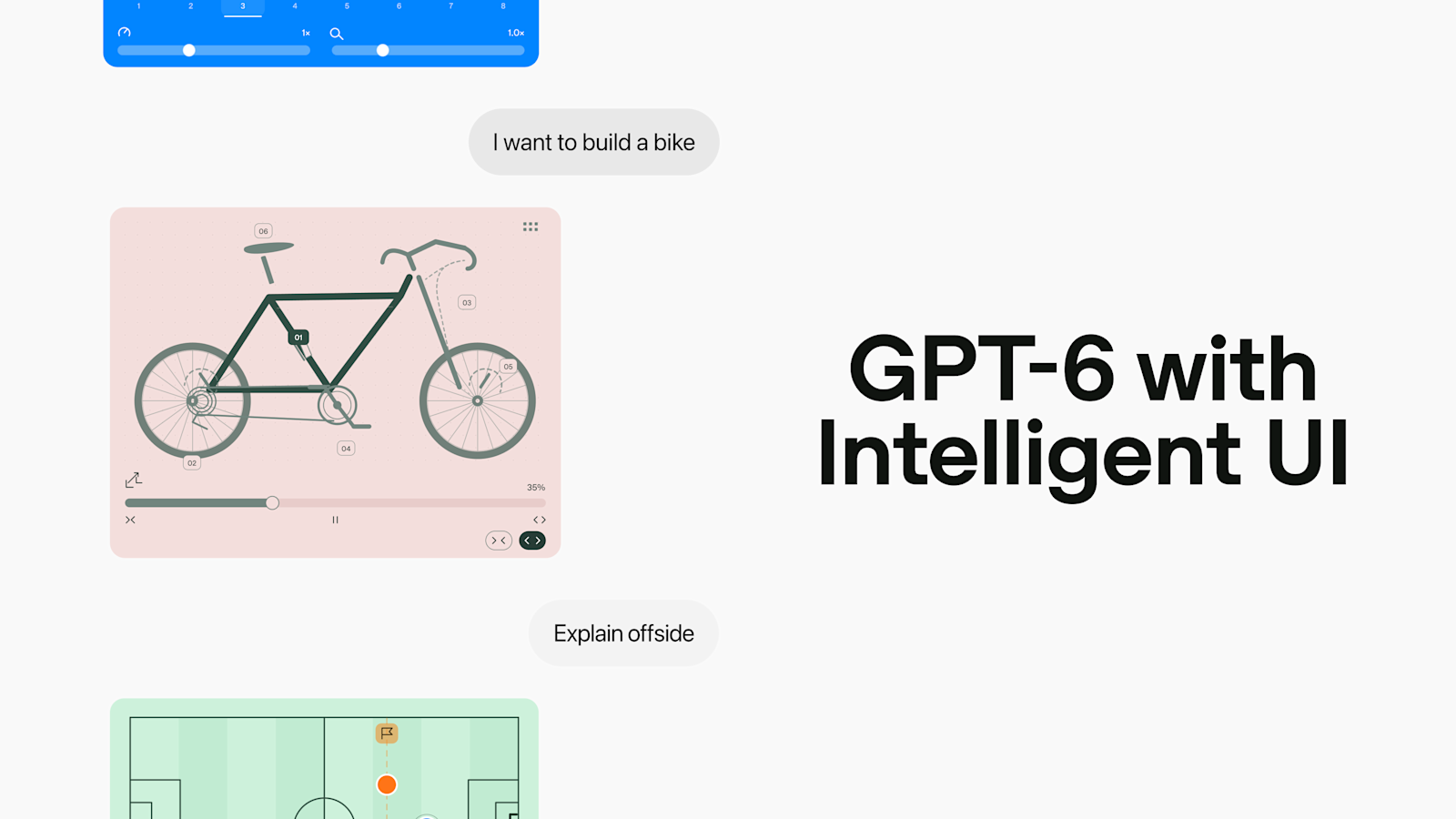
GPT-6 and Intelligent UI for everyone
Web Tiles (by paperpilot.dev) — Semble

Introducing Patchwork-26