


On September 22nd, Matt Mullenweg participated in a question and answer session on Product Hunt. Product Hunt is a site that lets users share and discover new products. In the session, Mullenweg an…


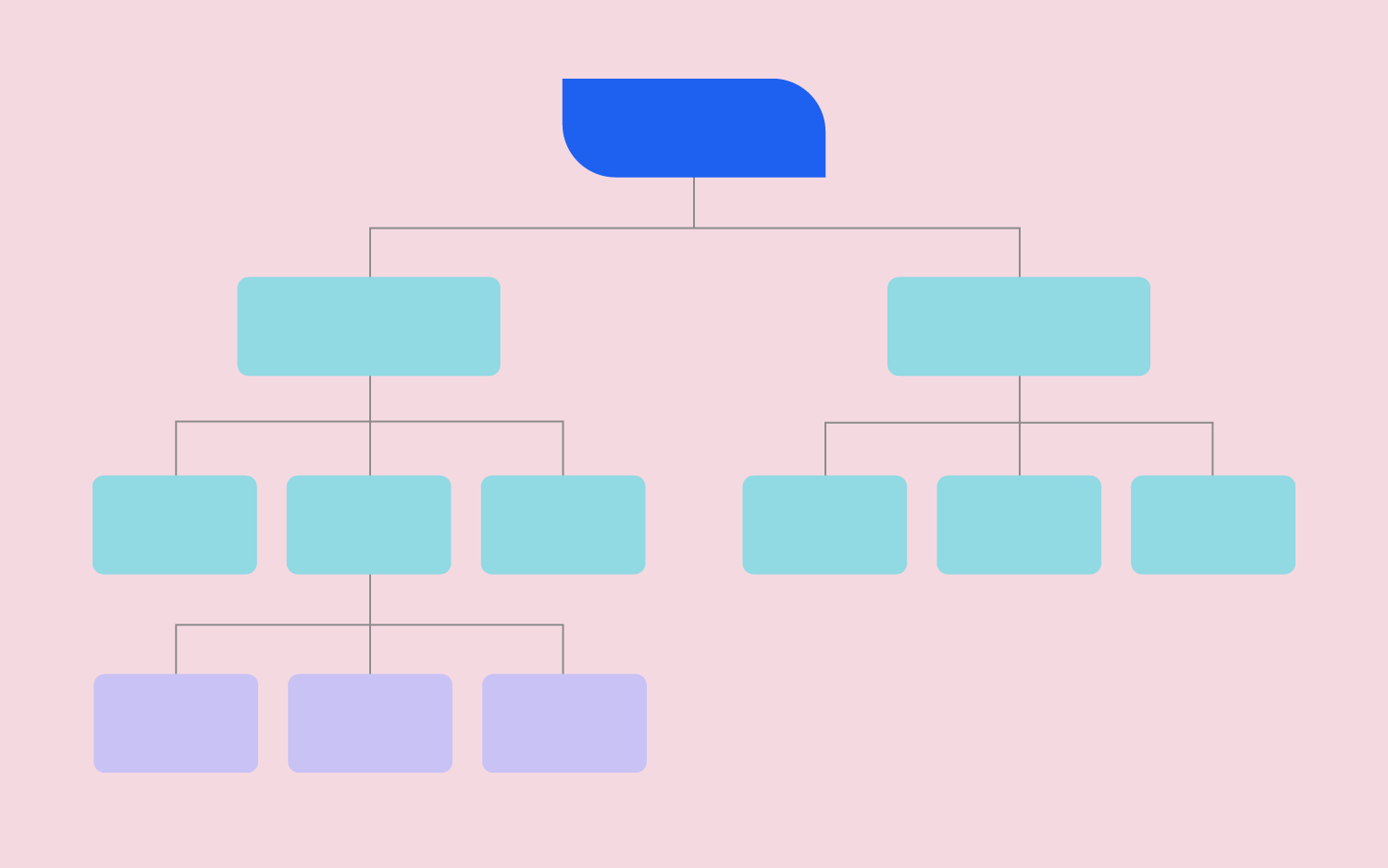
Opportunity Solution Tree: A Visual Tool for Product Discovery
Learn how to use the Opportunity Solution Tree framework to create products customers crave and generate more revenue.
The Product Picnic
Writing on UX and product management to connect today's discourse with classic insights that the industry forgot.

Highlights of Matt Mullenweg’s Q&A at WordCamp Europe 2016
During the first day of WordCamp Europe, Brian Krogsgard interviewed Matt Mullenweg on stage before his Q&A session with the audience. Mullenweg opened up about his multi-decade vision for Word…

The Art of Writing One-Sentence Product Descriptions
A look back at early interviews with Facebook and Uber CEOs illustrates an ingenious way to communicate hard-to-describe products.

Bob Moesta - Jobs-to-be-Done Find Out the Why!
Signals: Toward a Self-Improving Agent | Factory.ai
Traditional product analytics tell you what happened. Session duration, tool calls executed, completion rates. But they...
Platform Information Provision and Consumer Search: A Field Experiment
Despite substantial efforts to help consumers search in more intuitive ways, text search remains the predominant tool for product discovery online. In this paper, we explore the effects of visual and textual cues for search refinement on consumer search and purchasing behavior. We collaborate with one of the largest e-commerce platforms in China and study its roll out of a new search tool. When a customer searches for a general term (e.g., “headphones”), the tool suggests refined queries (e.g., “bluetooth headphones” or “noise-canceling headphones”) with the help of images and texts. The search tool was rolled out with a long-run experiment, which allows us to measure its short-run and long-run effects. We find that, although there was no immediate effect on orders or total expenditures, the search tool changed customers’ search and purchasing behavior in the long-run. Customers with access to the new tool eventually increased orders and expenditures compared to those in the control group, especially for non top-selling products. The purchase increase comes from more effective searches, rather than an increase in activity on the platform. We also find that the effect is not only driven by the direct value of suggested searches, but also by customers indirectly learning to perform more effective searches on their own.

The issue tracker that runs inside the loop.
A local-first issue tracker for coding agents and the humans steering them. Queries in 4ms, on your own machine.

Issue tracking is dead – Linear
The next era of product development is built on context and agency. Here's how Linear is evolving. And what we're launching today.

The ATProto community built a ton of great features and products over the past year. For our next trick, let's mature them into products and businesses.

Mosh Lee
(2/n) A feature solves one problem well — even delightfully well. But features get copied easily or absorbed into larger products. They have no distribution or adoption model. If your whole thing can become a pane in someone else's app, it's a feature.