


Interactive lessons for learning Music Theory.
teoria : Music Theory Web
Web site dedicated to the study of Music Theory. Articles, reference, interactive exercises.
musictheory.net - Exercises
Introductory and intermediate music theory lessons, exercises, ear trainers, and calculators.

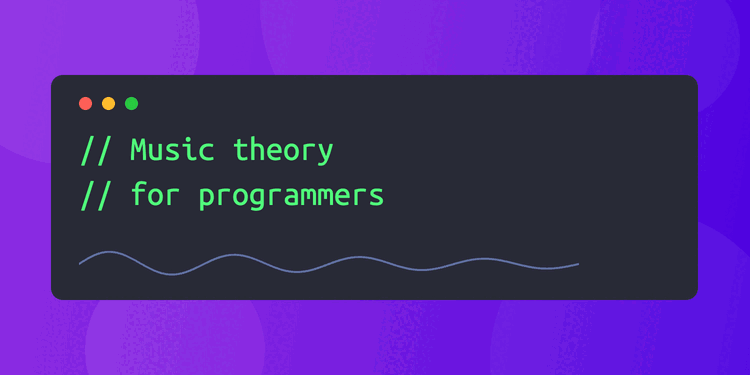
Music theory for programmers
I can't play an instrument, so I worked out music theory in JavaScript instead. Twelve notes, scales and chords, derived from scratch with code you can hear.
Ask HN: How Can I Learn Music Theory? | Hacker News
Books aside, in my view the #1 thing you can do to help your music theory understanding is to train your ear: if you can't reliably identify all the intervals within an octave and identify major, minor, diminished and augmented triads, as well as the basic 4-note chords (major 7, minor 7, dominant 7, minor-7-flat-5) by ear, knowing a bunch of rules about tone-tone-semitone-tone-tone-tone-semitone won't be all that useful. Back in music school days I practised daily with EarMaster and within a couple of months had gotten solid enough at recognising intervals and chords by ear that it made all the other music learning I did subsequently much much easier. I am sure there are way better ear training tools now!
Ishkur's Guide to Electronic Music
Worth, Stepney : Growing Music
home > publications > non-standard computation > Growing Music > accompanying material
Composing Music With Recurrent Neural Networks
Writeup for my first major machine learning project.
Malleable Music Ensembles
A framework using generalized algebraic theories and categorical lenses to enable interoperable, local-first networked music ensembles.
Creativity through Recomposition in the Music Ensemble
Musical creativity is an essential component of a robust music education. There are many ways to invite and develop the creative capacities of K–12 music students. In this article, we propose the idea that recomposing within and around repertoire can be a creative starting point for student composition in an ensemble music classroom. We share examples of potential recomposition projects, questions to prompt student reflection, and other pedagogical considerations as a springboard for compositional projects with students. We hope that the open-ended nature of this mindset will encourage more creative musical spaces.

Speaking of Music
“Can anyone explain in mere prose the wonder of one note following or coinciding with another so that we feel that it is exactly how those notes had to be? Of course not.”
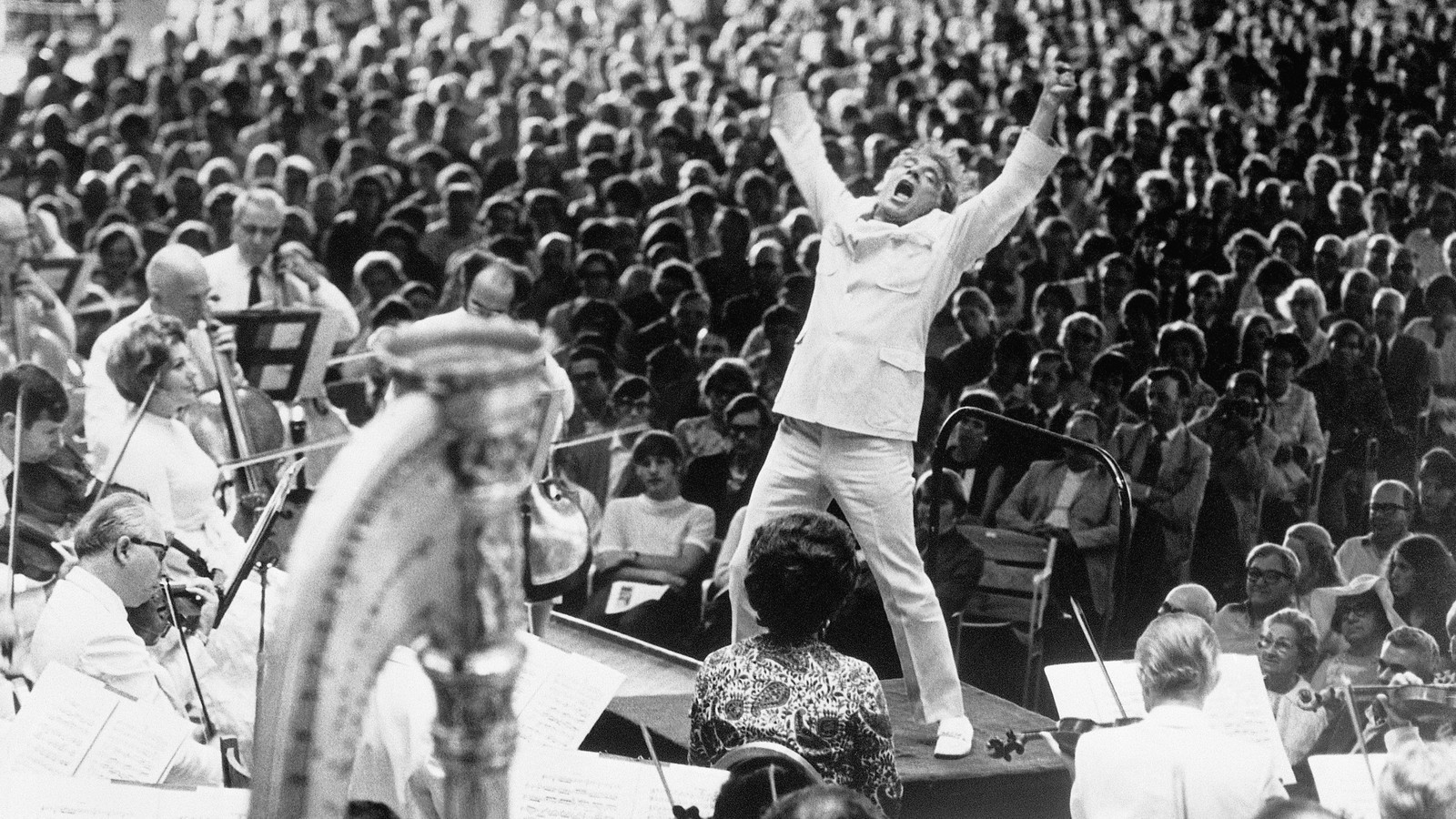
Music Chat: Classical Music's Ten Dirtiest Secrets
The power of community learning
It's easy to imagine that some things have to be the way they've always been. That music has to be delivered on a round platter. That an overnight stay needs to be in a hotel. And that le…

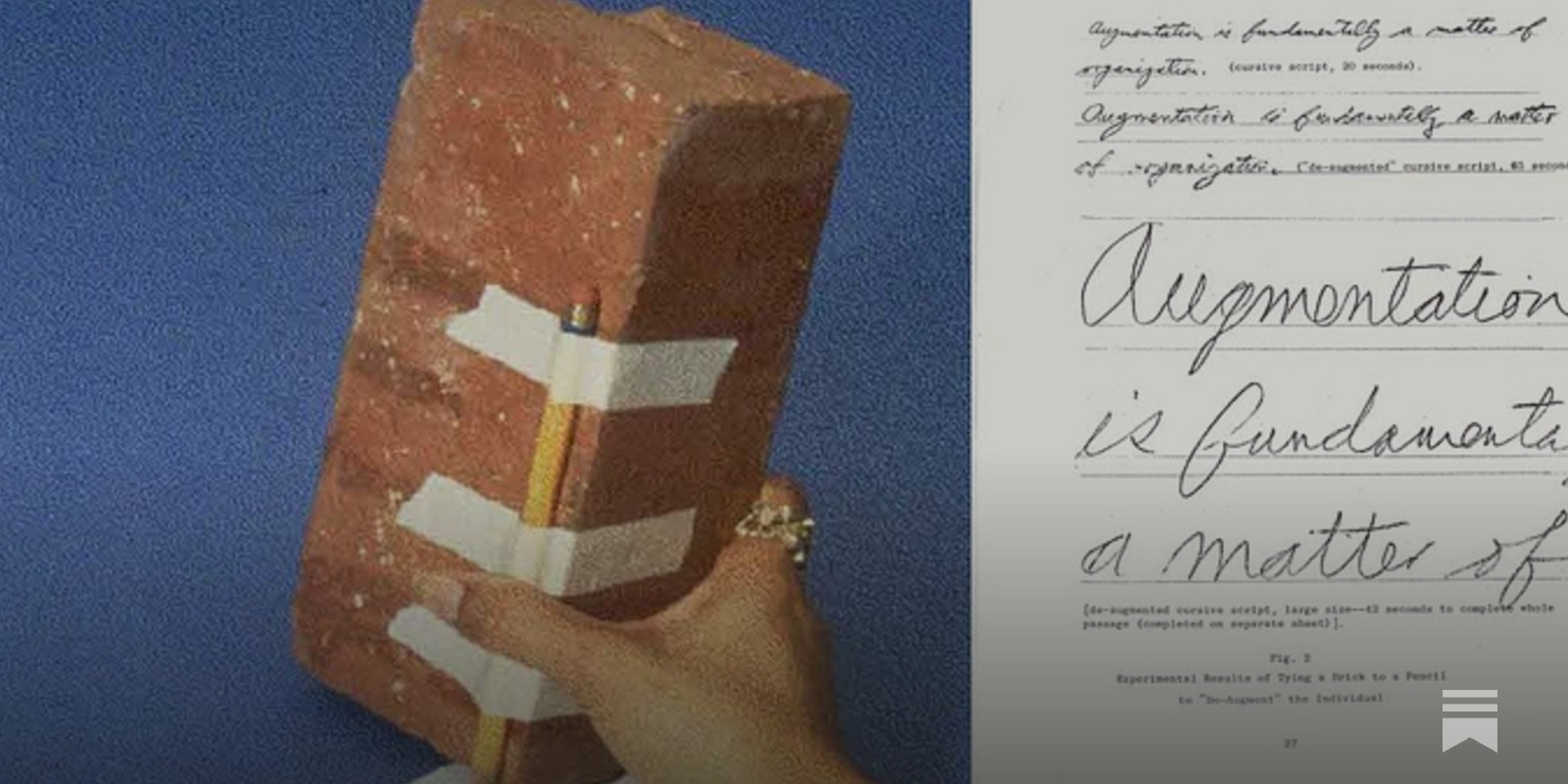
The Knowledge Ecology
The important thing here is that the music is not in the piano. And knowledge and edification is not in the computer. The computer is simply an instrument whose music is ideas. Yes? No? Yes-no-yes-no-yes-no.
What is Music? Music Generates Feelings That Are Only Weakly Bound To The Music
Here I use the word "bound" in the same sense as "bind" in the "binding problem".
AI & Music - developments & perspectives

Perspectives, developments, & news re: AI & music

Owners of Elvis Presley’s Music Sue Anthropic for Copyright Infringement

YouTube Music adds new labels for AI music
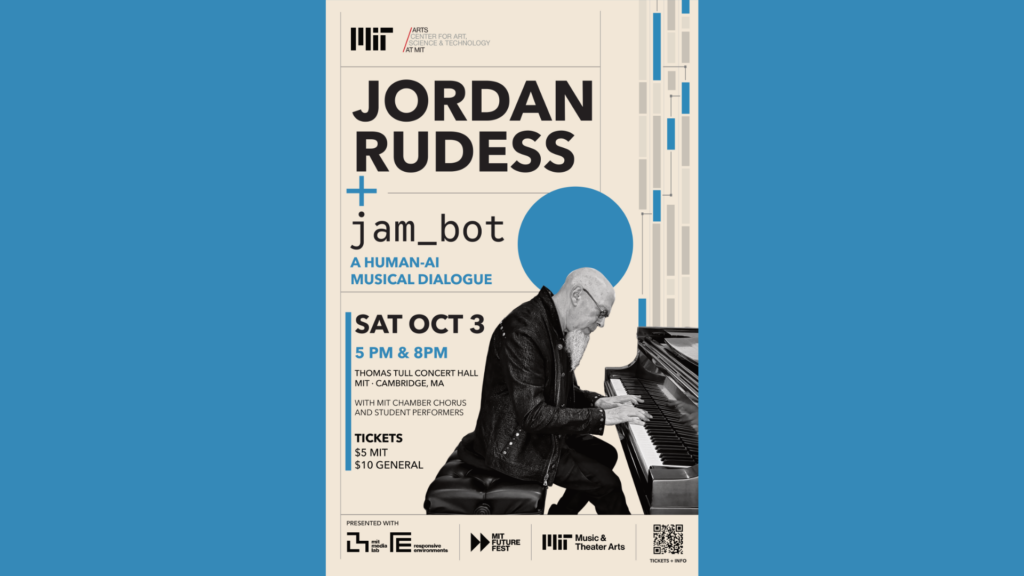
Jordan Rudess + jam_bot at MIT October 3

Jordan Rudess and MIT’s jam_bot: A New Era of Human-AI Musical Collaboration
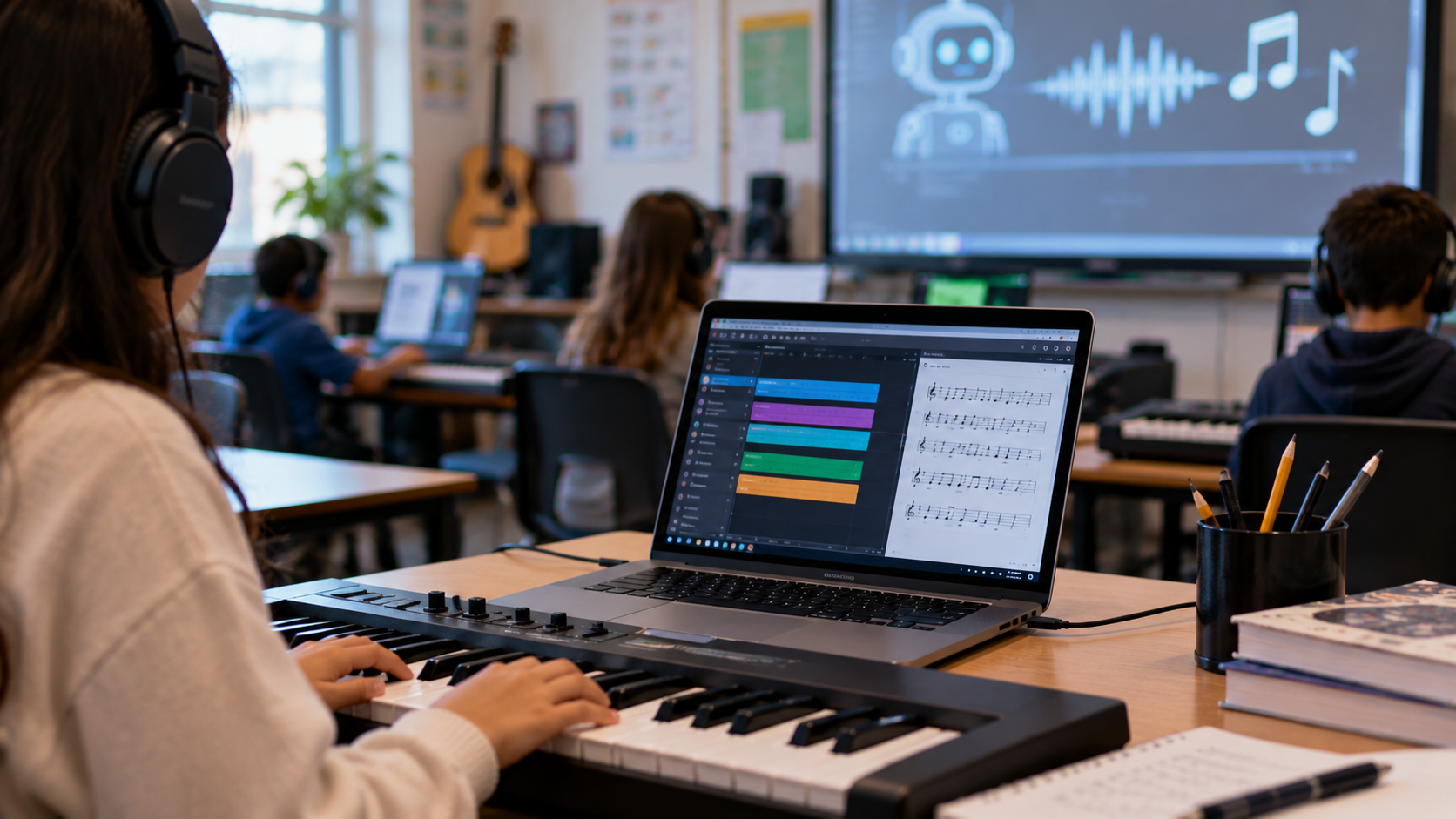
Artificial Intelligence in Music Classrooms: PK-12 Educators’ Practices, Concerns, and Confidence

“It frustrates me to hear people bashing something that's so amazing”: Todd Edwards is optimistic about AI in music production