

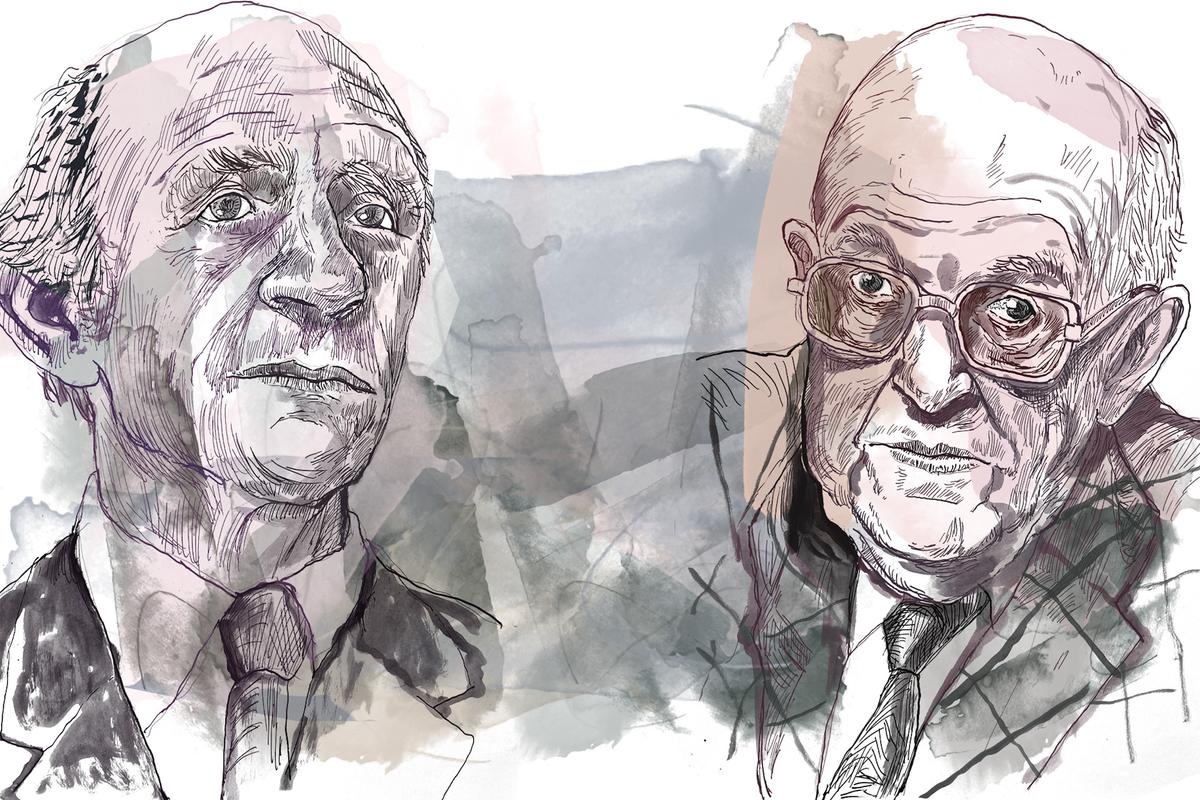
C P Snow’s ‘Two Cultures’ lecture provoked a savage response from fellow critic F R Leavis. What was at the heart of it all?
Culture & truth : the remaking of social analysis
xii, 253 pages ; 22 cm; Argues for a new approach to thinking and writing about culture. Exposing old conceptions, the book argues that new ethnographic writing must come to terms with the dynamic nature of social reality - with history, spontaneity, and human emotions; Originally published: Boston: Beacon, 1989; Includes index; Self-Renewing 2017; Includes index

Vanishing Culture: A Report on Our Fragile Cultural Record (2026)
DOWNLOAD THE FREE EBOOK: PDFEPUBPURCHASE A PRINT COPY: Buy the book from Better World Books or any online bookstore.Order a copy through your local bookstore!LISTEN TO THE PODCAST (Release dates: July 1 - August 5, 2026): Vanishing Culture Episode #1: What We Stand to Lose with Luca MessarraVanishing Culture Episode #2: The Stories Hidden in Cookbooks with Katie LivingstonVanishing Culture Episode #3: Saving Queer Memory with Brooke PalmieriVanishing Culture Episdoe #4: Keeping African Folktales Alive with Helen Nde & Laura GibbsVanishing Culture Episode #5: A Language Worth Saving with Peter ScholingVanishing Culture Episode #6: What We've Learned with Vida Vojić & Alice BridgwoodABOUT VANISHING CULTURE: In today’s digital landscape, corporate interests, shifting distribution models, and malicious cyber attacks are threatening public access to our shared cultural history. The rise of streaming platforms and temporary licensing agreements means that sound recordings, books, films, and other cultural artifacts that used to be owned in physical form, are now at risk—in digital form—of disappearing from public view without ever being archived. Web sites like MTV News, Gawker, and others are removed from the live web by their corporate owners, leaving only web archives like those in the Wayback Machine as the last remaining public record of their reporting and cultural impact. Cyber attacks, like those against the Internet Archive, British Library, Seattle Public Library, Toronto Public Library and Calgary Public Library, are a new form of digital barrier, impeding access to information at community scale. When digital materials are vulnerable to sudden removal—whether by design or by attack—our collective memory is compromised, and the public's ability to access its own history is at risk. Vanishing Culture: A Report on Our Fragile Cultural Record aims to raise awareness of these growing issues, featuring essays from: Digital librarian Brewster Kahle, founder of the Internet Archive; Humanities scholar Luca Messarra; Book historian and social media star Allie Alvis; Game designer Jordan Mechner; Journalist Philip Bump; Writer and editor Maria Bustillos; Film archivist Rick Prelinger; Digital humanities scholar Nichole Misako Nomura; Writer and book artist Eve Scarborough; And many more… The report details recent instances of cultural loss, highlights the underlying causes, and emphasizes the critical role that public-serving libraries and archives must play in preserving these materials for future generations. By empowering libraries and archives legally, culturally, and financially, we can safeguard the public’s ability to maintain access to our cultural history and our digital future.

A Grand Unified Theory of Cultural Stagnation
Listen to your favorite podcasts online, in your browser. Discover the world's most powerful podcast player.

The Rise and Fall of Agent Civilizations
The whole OpenAI/Hugging Face story in plain English
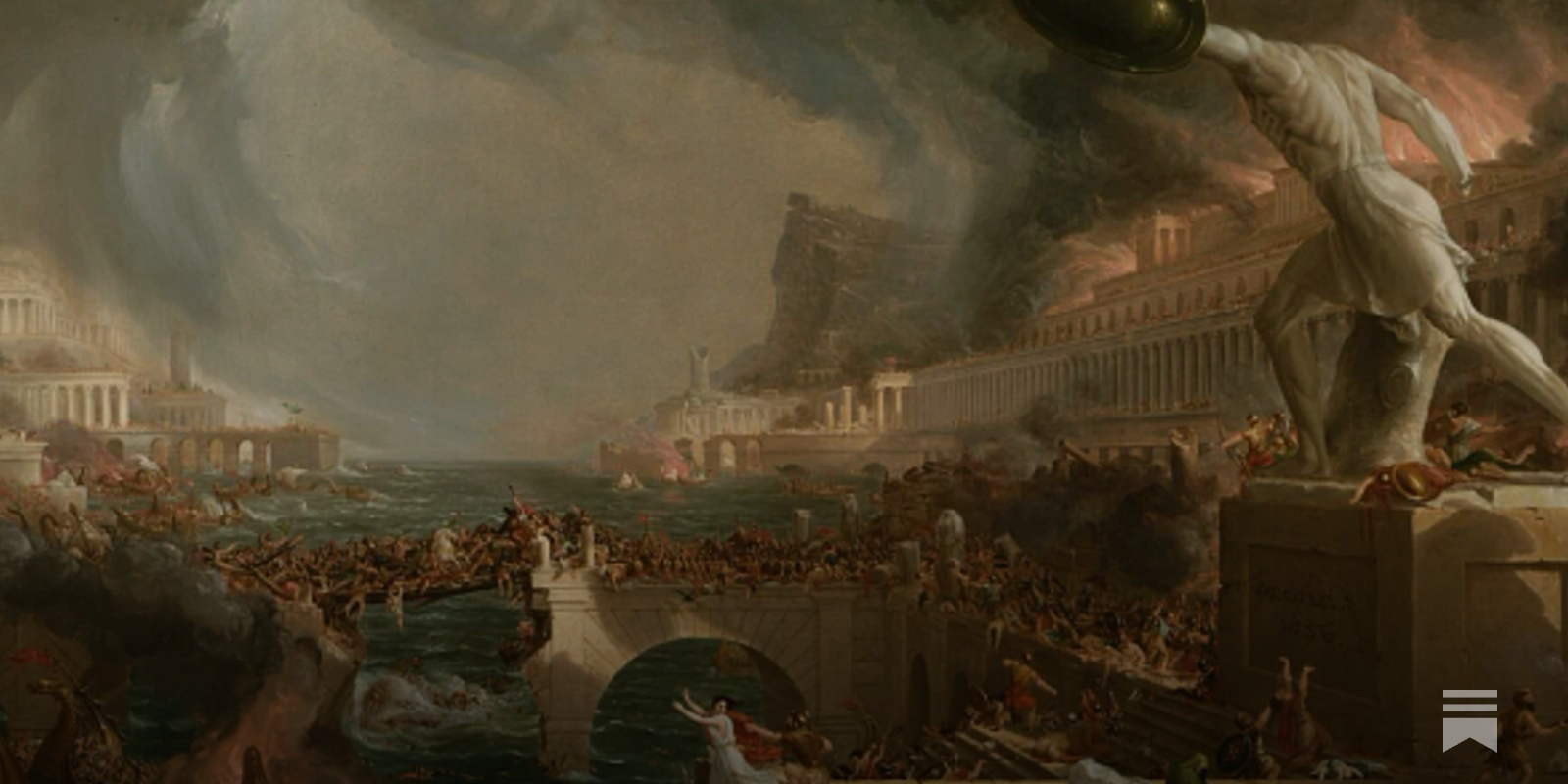
From information free-riding to information sharing: how have humans solved the cooperative dilemma at the heart of cumulative cultural evolution?
Abstract. Cumulative cultural evolution, where populations accumulate ever-improving knowledge, technologies and social customs, is arguably a unique featu
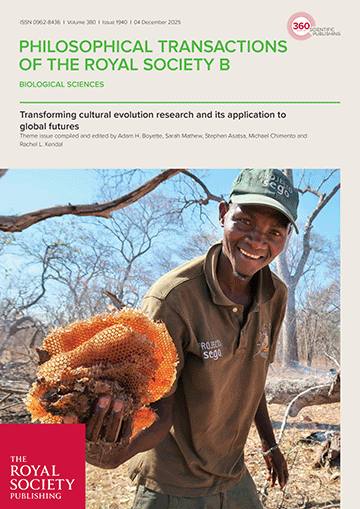
Our Overfitted Century
Cultural stagnation is because we're stuck in-distribution
Foreign Man in a Foreign Land — The Rise of Homonationalism
Gay Coonservatives are Black & Queer folk who throw their respective communities into the fire to feel some warmth. In this video, We explore the concept of strategic disavowal, Black American exceptionalism, Transmedicalism & more.

Black Migrants Bear Brunt of ICE's Facial Recognition Push
The racialized, uneven consequences of these technologies often go unscrutinized, write Tsion Gurmu, Nekessa Opoti and Fatima Mohamed.

Theorizing the Human Sciences in the Age of Absolute Disruption: Historical Criticism and Its Remainders | The Journal for Cultural and Religious Theory | JCRT
Adam DJ Brett reads Jason Ānanda Josephson-Storm’s trilogy — The Myth of Disenchantment, Metamodernism, and The Genealogy of Genealogy — as one project asking whether a thing exists, how it arose, what grounds our claims

That Winter the Wolf Came — Oakland Public Library
That Winter the Wolf Came — Spahr, Juliana — <p>That Winter the Wolf Came is written for this era of global struggle. It finds its ferment at the intersection of ecological and economic catastrophe. Its feminist and celebratory energy is fueled by street protests and their shattered windows. Amid oil spills and austerity measures and shore birds and a child holding its mother’s hand and hissing teargas canisters, it reminds us exactly what we must fight to defend with a wild ferocity, and what we’re up against.</p><br /><p>"In her poems, love does not resist the world beyond; love lets it in. Politics demands feeling rather than denuding it." —<i>Los Angeles Review of Books</i></p><p>"Geography, economics, ecology, hydrology, local and international history; repetition, flat limited diction, lengthy chant; intersections of incompatible discourses, such as a field biologist’s checklist plus memoir, medical record plus ode, incantation plus site report: Spahr draws on these resources and procedures to make poems that feel like bizarre, careful essays, and essays that feel like sad, extended poems." —<i>The Nation</i></p><p>"...a work of crisp wit, bizarre conjunctions and ultimately enduring moral authority." —<i>Publisher’s Weekly</i></p><br /><br />Excerpt:<br /><br /> It was Non-Revolution. Or it was me. Or it was Non-Revolution and me. I was unsure what it really was. Maybe it was my thoughts. My thoughts at one minute about Non-Revolution. About the smell of Non-Revolution. Sweat, urine, sage, pot, rotting food, hay, all mixed together. Perhaps about Non-Revolution’s body. I am sure I am not the only one who has thought it exceptional, but I am also just as sure that by the standards of bodies, Non-Revolution’s is fine but not exceptional. That is the point. That is why Non-Revolution is called Non-Revolution, why they have revolution as a possibility in their name but it is a modified and thus negated possibility so as to suggest they are possibly neither good nor fucked. Still something about Non-Revolution’s smell and body had gotten into me.<br /><br/>Renewed poetry of struggle at the intersection of ecological and economic catastrophe—feminist, ferocious, and finally celebratory.<br />
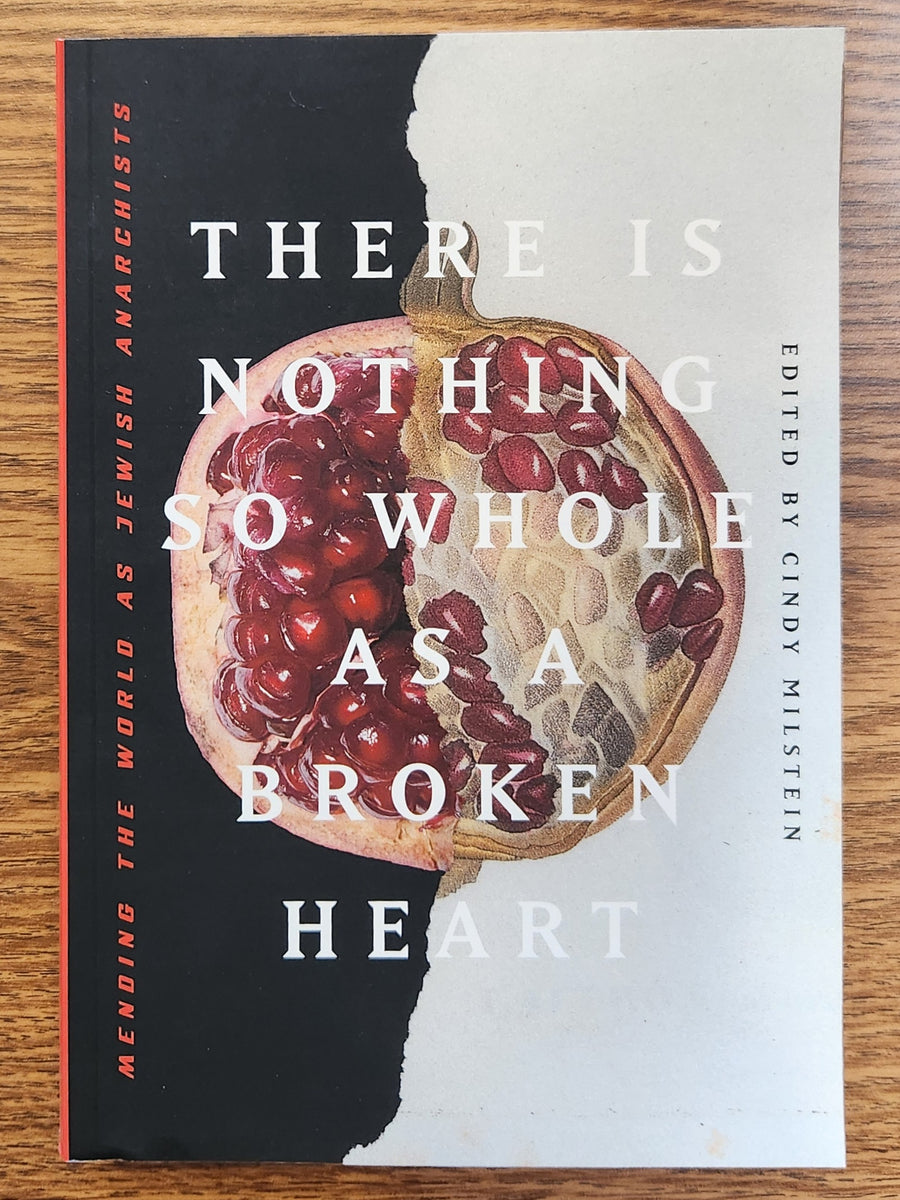
There Is Nothing So Whole as a Broken Heart
By Cindy Milstein Published by AK Press, 2021 392 pages, paperback The contemporary renewal of Jewish anarchism draws on a history of enslavement, displacement, white supremacy, and genocide as well as ancestral resistance, strength, imagination, and humor—wisdom that is sorely needed today. Through stories at once poetic and poignant, There Is Nothing So Whole as a Broken Heart offers a powerful elixir for all who rebel against systemic violence and injustice. The contemporary renewal of Jewish anarchism draws on a history of suffering, ranging from enslavement and displacement to white nationalism and genocide. Yet it also pulls from ancestral resistance, strength, imagination, and humor—all qualities, and wisdom, sorely needed today. These essays, many written from feminist and queer perspectives, journey into past and contemporary trauma in ways that are humanizing and healing. They build bridges from bittersweet grief to rebellion and joy. And via concrete illustrations of how Jewish anarchists lovingly transform their own ritual, cultural, and political practices, they clearly illuminate the path toward mending ourselves and the world. Praise for There Is Nothing So Whole as a Broken Heart... "There Is Nothing So Whole as a Broken Heart is a breathtaking kaddish to everyone living the revolutionary vision that Jewish radicals dreamed was possible. It drives to the heart of a tradition that we must rediscover, a story that is simultaneously particular and universal: we can survive if we do it together." —Shane Burley, author of Why We Fight: Essays on Fascism, Resistance, and Surviving the Apocalypse "In this moment of resurgent fascism and authoritarianism, the foundational relationship between antisemitism and anti-Blackness is more stark and apparent than ever. The vibrancy of this collection articulates not only a foundation for solidarity in shared struggles against white supremacy but also the vast imaginaries and world-making potential in the diversity of Jewish cultural expression and radical—specifically anarchist—thought. As a Black anarchist, I could not be more grateful for the generosity, vulnerabilities, and fierce, unwavering love for humanity shared within these pages." —Zoé Samudzi, coauthor of As Black as Resistance: Finding the Conditions for Liberation “The texts collected here are striking in their literary richness and emotional openness, awakening both pain and solace, insights and further questions . . . A highly rewarding reading experience that will appeal well beyond the Jewishanarchist intersection.” —Uri Gordon, co-editor of The Routledge Handbook of Radical Politics "There Is Nothing So Whole as a Broken Heart offers an ardent new archive of Jewish anarchism. These voices expand a defiant tradition: they speak of the disruptiveness of care, the labor of grief, and the pleasures of survival. As fascism and antisemitism rise, these poets, rabbis, and organizers urgently reach for another world through this one." —AE Torres, author of Horizons Blossom, Borders Vanish: Anarchism and Yiddish Literature "This book asks how modern generations of Jewish anarchists are wrestling with rising fascism, white supremacy, and antisemitism, and lifts up the specific cultural tools we bring to the work of mending (or maybe reimagining) the ever-shattering world. Today the book is a mirror; tomorrow, a new window into the archive of Jewish anarchists throughout history." —Ezra Berkley Nepon, author of Justice, Justice Shall You Pursue: A History of New Jewish Agenda "As leftist Jewish thought and organizing today witnesses a resurgence, this collection provides an important document of its anarchist current." —Treyf Podcast “A poem and a love note, a prayer song and a protest, an attempt to mend a burning world with the best of Jewish, anarchist, and Jewish anarchist traditions.” —Dan Berger, author of Captive Nation: Black Prison Organizing in the Civil Rights Era "There is Nothing So Whole as a Broken Heart is a powerful celebration of ritual—both Jewish and anarchist."—Gabriel Moshenska for Jewish Socialist
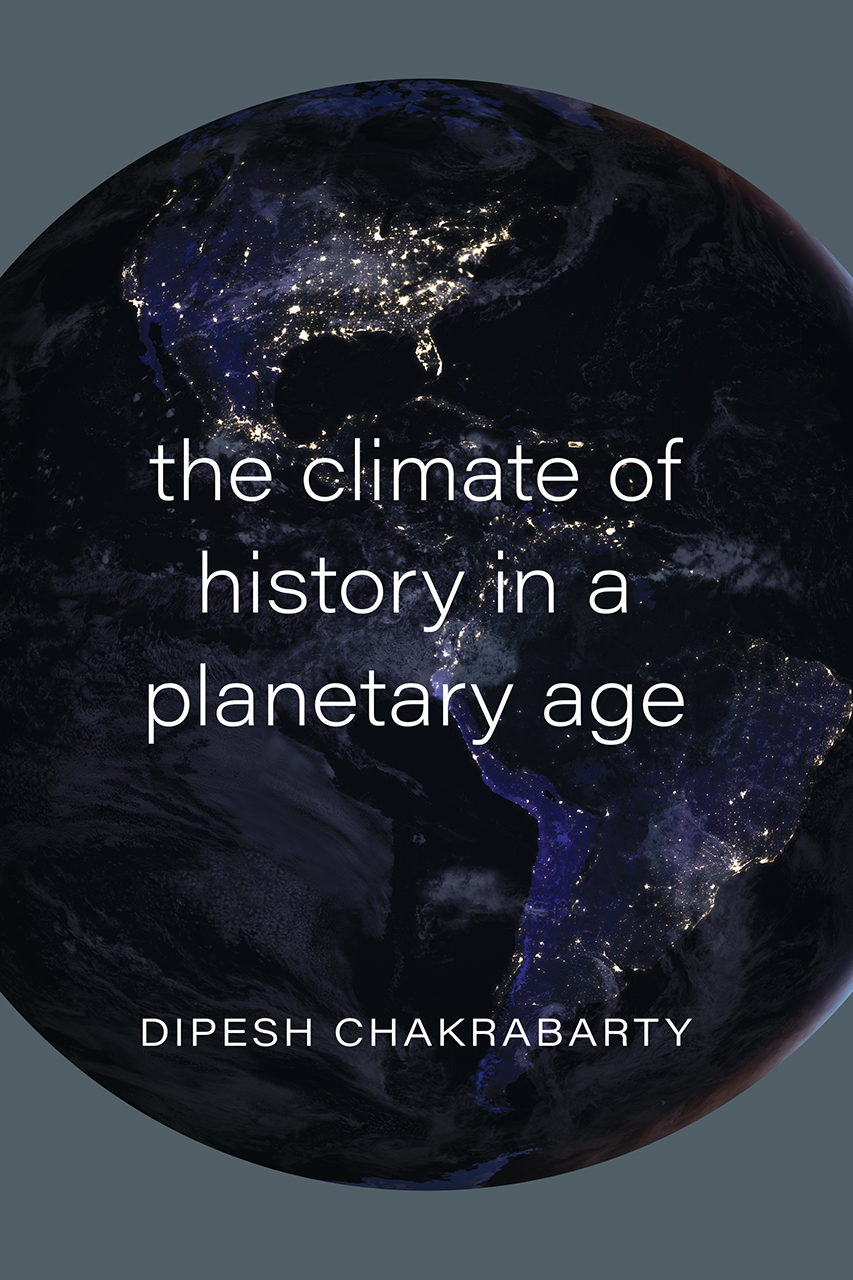
The Climate of History in a Planetary Age
For the past decade, historian Dipesh Chakrabarty has been one of the most influential scholars addressing the meaning of climate change. Climate change, he argues, upends long-standing ideas of history, modernity, and globalization. The burden of The Climate of History in a Planetary Age is to grapple with what this means and to confront humanities scholars with ideas they have been reluctant to reconsider—from the changed nature of human agency to a new acceptance of universals. Chakrabarty argues that we must see ourselves from two perspectives at once: the planetary and the global. This distinction is central to Chakrabarty’s work—the globe is a human-centric construction, while a planetary perspective intentionally decenters the human. Featuring wide-ranging excursions into historical and philosophical literatures, The Climate of History in a Planetary Age boldly considers how to frame the human condition in troubled times. As we open ourselves to the implications of the Anthropocene, few writers are as likely as Chakrabarty to shape our understanding of the best way forward.
Another World Archive
Another World is a people's archive of free educational materials about artists and cultural workers in the struggle to build and imagine another world. It affirms that the artist must take sides against oppression and uplift the courage, dignity, and power of everyday people. Their creative labor a

If you were curious about Tooze's new climate book, check out this convo with @kaiserkuo.bsky.social “This is the material dethroning of the west as the central driver of world history. This is really what the provincialization of the west really looks like" sinicapodcast.com/p/the-thing-we-still-cant-say…

Albert Pinto
Adam Tooze's book Carbon is finally going to be out in February 2027. Pre-order here! Climate Crisis and the Eclipse of the West
Cultural Homogenization

Links about how our societal structures are contributing to the homogenization of culture.
Meta Culture

The meta game of cultural impact and evolution
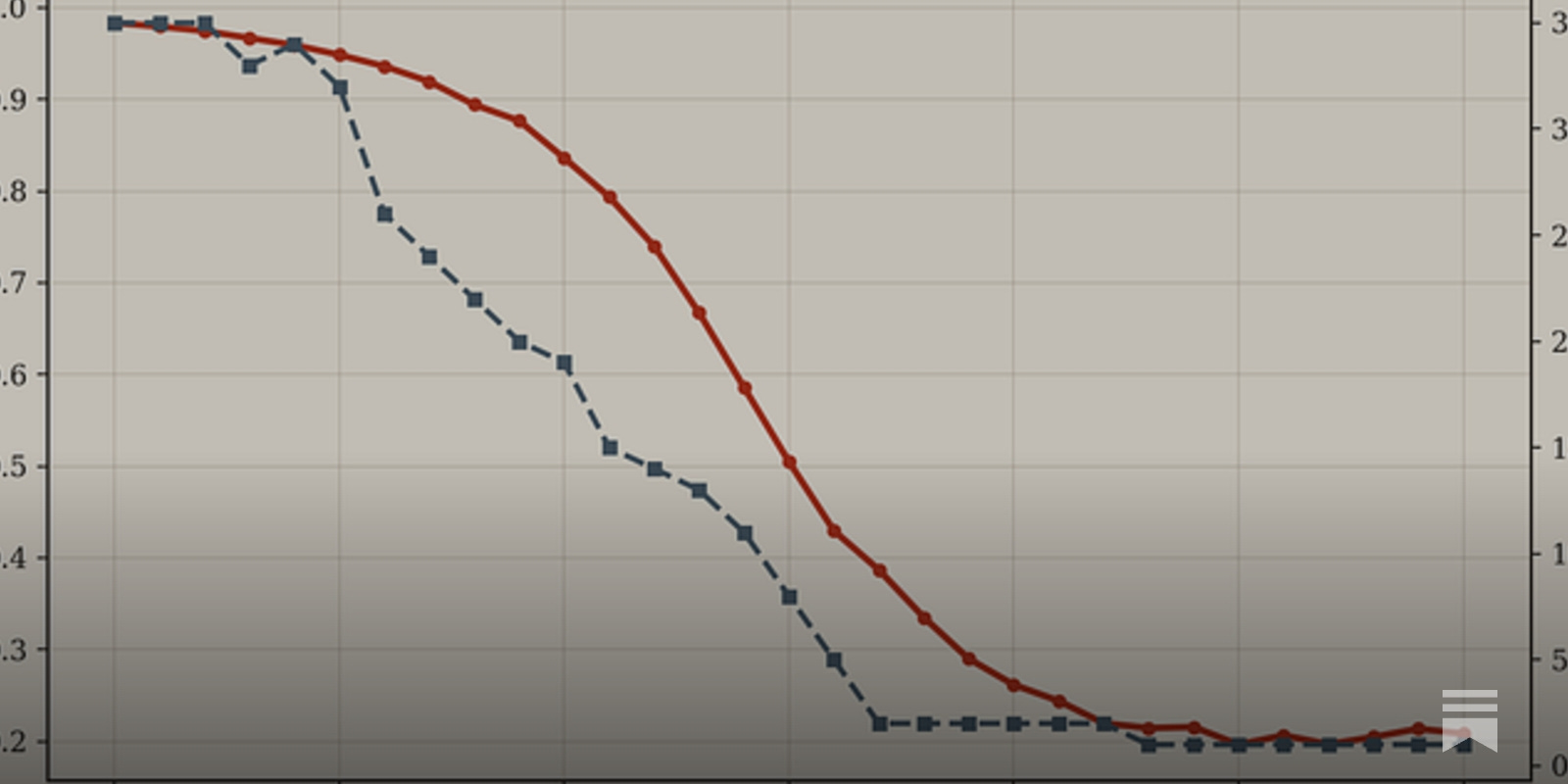
Temperature Zero for Culture: Why Everything Is Starting to Look the Same

20-year devs can't find work anymore
The Twelve-Factor App
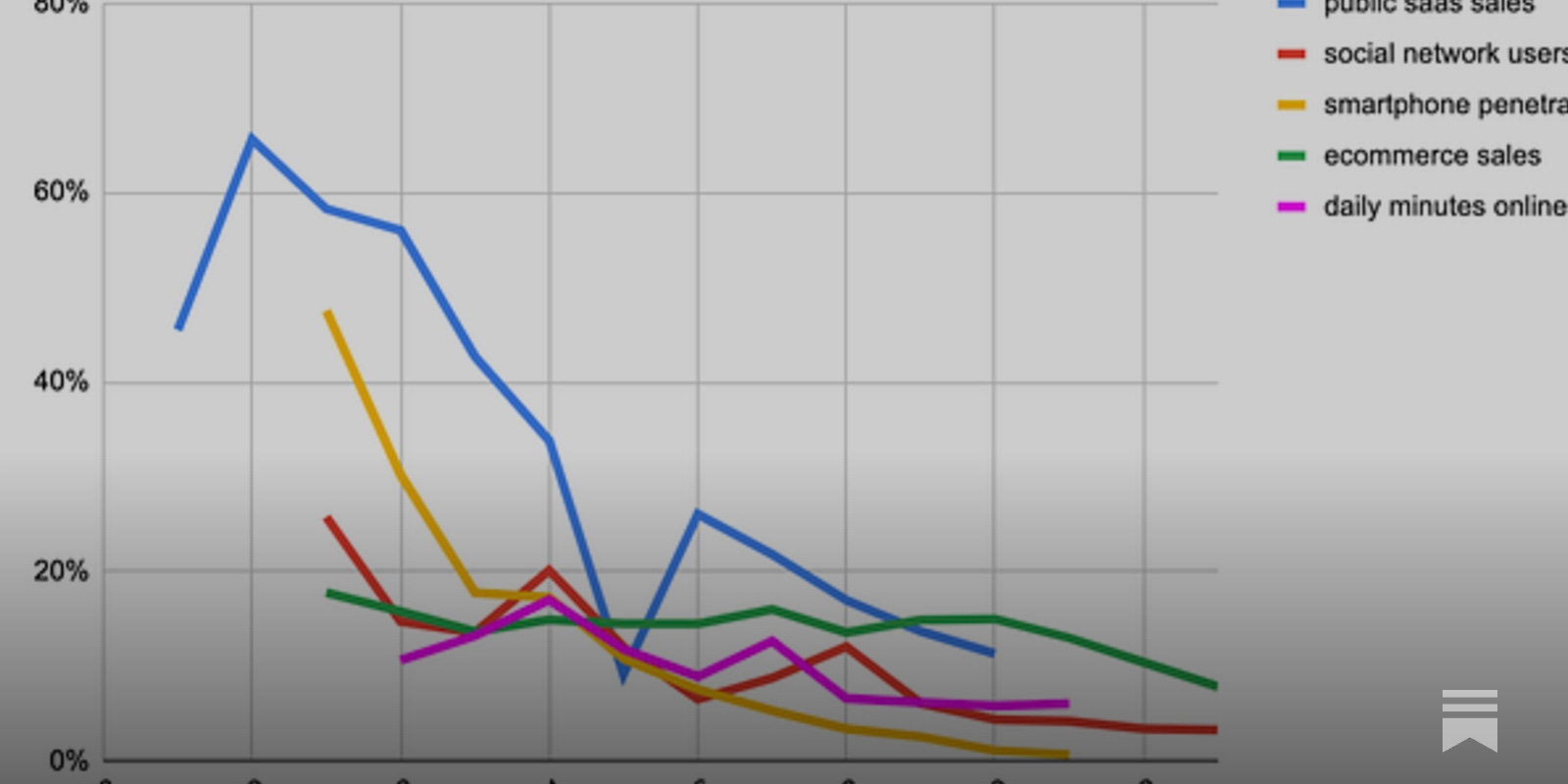
When Tailwinds Vanish

Friendslop = Friendless<<Slop>> Or: Will We Ever Lock Eyes When We Play Again?

Rewilding cultures
Feral Labs – A network of temporary dislocated hubs for research in art, technology and communities.