


Hopefully clearing up some of my vagueness to reduce misunderstanding.
Making and Tool-Making
Bad tools as the main source of friction for Citybound development - and what I'm going to do about it.
FRICTIONAL AI WORKSHOP
Topics of the Workshop In its third edition, this workshop builds on and expands its exploration of friction-in-design in AI systems, hosting a full-day event that challenges the pursuit of seamless, rapid interactions. In contrast to the conventional narrative that human over-reliance on AI stems
Close to the Metal — Real Life
The value of reintroducing friction into our interactions with computers
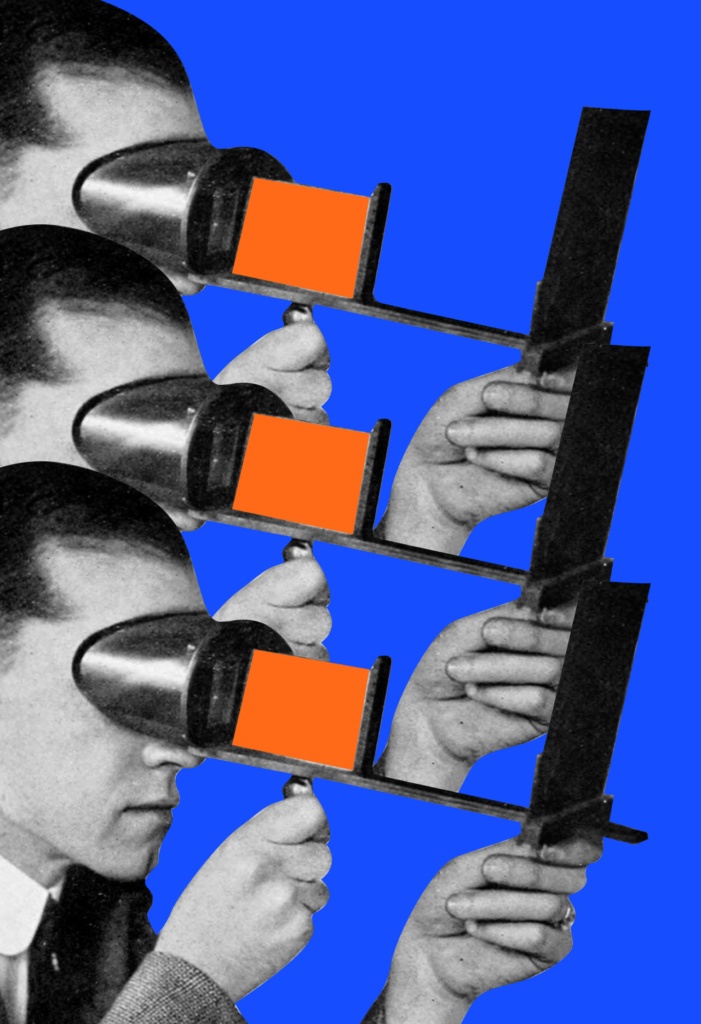
Manifold Tool - D&D 5e (2024)
This tool takes the form of a wrench, a screwdriver, or another basic tool. As a Magic action, you can touch the item and transform it into a type of Artisan’s Tools of your choice. Whatever form the tool takes, you have proficiency with it when you use it.
The Friction is Your Judgment — Armin Ronacher & Cristina Poncela Cubeiro, Earendil
The Friction I Don't Want to Lose
I love learning. And while the friction of solving new problems is increasingly traded for speed, the experience gained by overcoming that friction is as important as ever.
Tools – The Markup
Our tools hold institutions accountable for the way they use technology, pulling back the curtain so readers can see for themselves how technology affects them.
Unboxing the Toolkit - Toolshed
Perhaps our toolkits can offer new ethical and pedagogical frames, reshaping the contexts for tool use – and informing the worlds we build with them.

What If Sliding Could Be Controlled?
Design Frictions for Mindful Interactions: The Case for Microboundaries
Design frictions, a term found in popular media articles about user experience design, refer to points of difficulty occurring during interaction with technology. Such articles often argue that these frictions should be removed from interaction flows in order to reduce the risk of user frustration and disengagement. In this paper we argue that, in many scenarios, designing friction into interactions through the introduction of microboundaries, can, in fact, have positive effects. Design frictions can disrupt "mindless" automatic interactions, prompting moments of reflection and more "mindful" interaction. The potential advantages of intentionally introduced frictions are numerous: from reducing the likelihood of errors in data-entry tasks, to supporting health-behaviour change.

Stop saying that AI is just a tool and it only matters how it is used
I’m tired of this phrase and this simple way of thinking about tools. This blog post is a wandering train of thought on the topic of what tools are and why it matters to be even slightly more mature in how we think about them.
friction is good

how friction and struggle help grow, learn, create, develop.
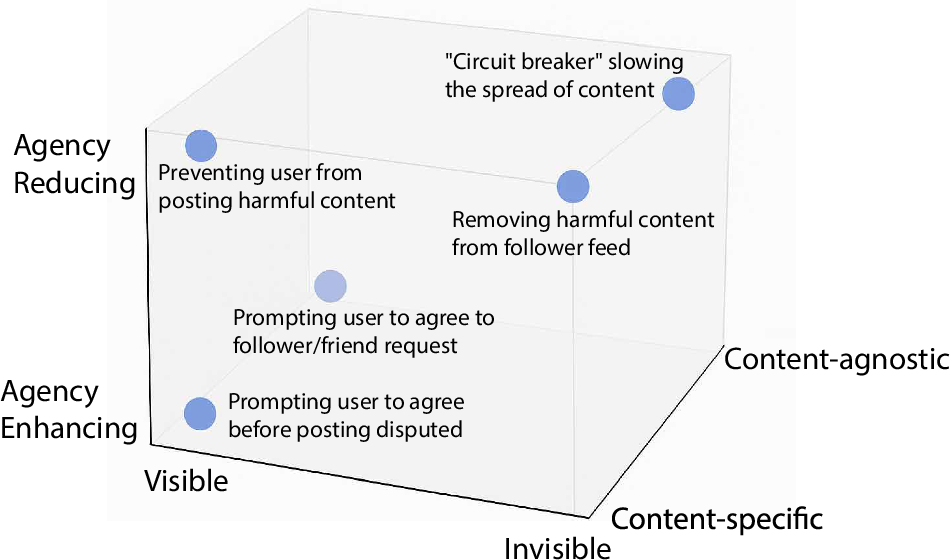
The case against efficiency: friction in social media
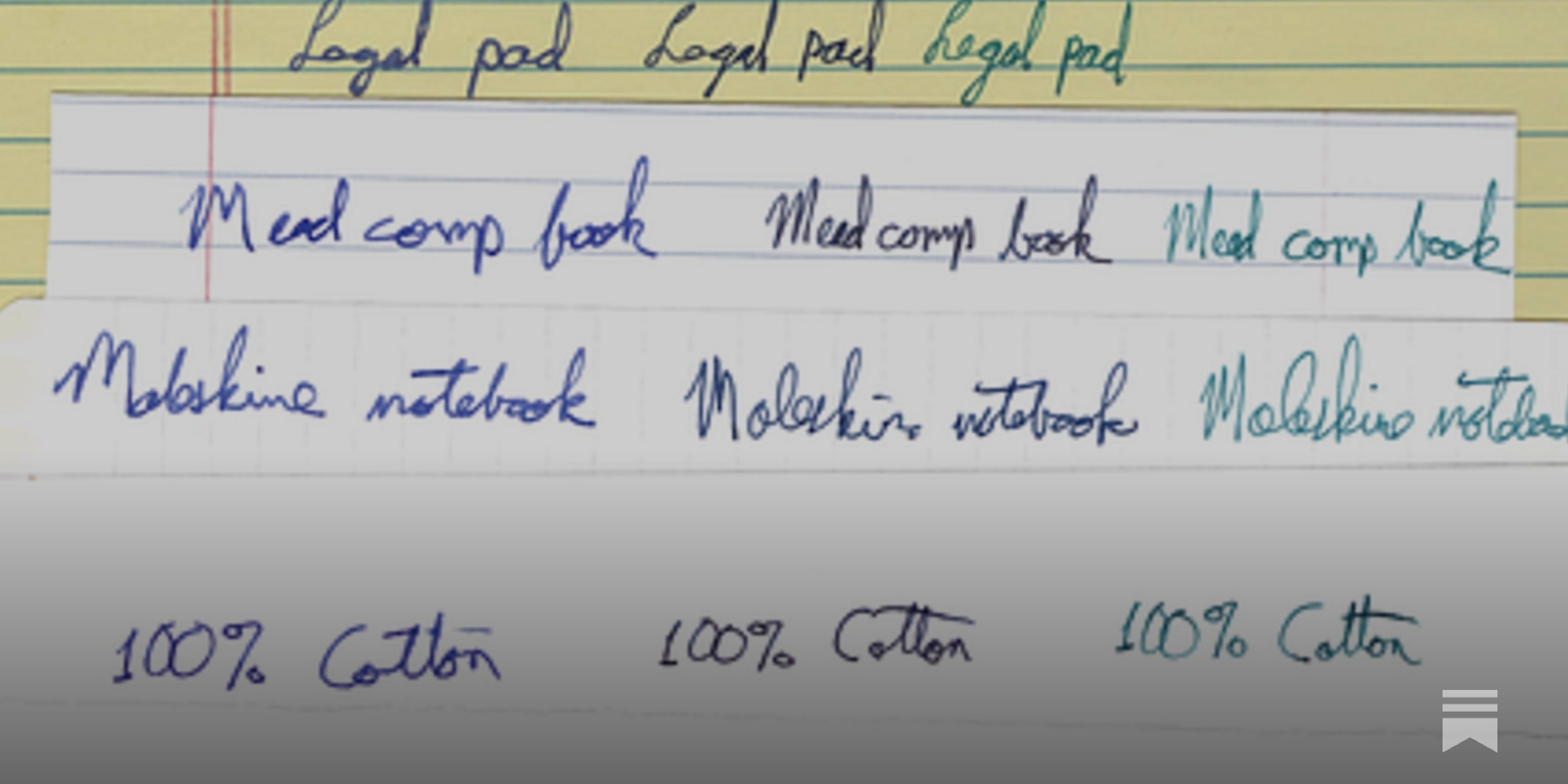
Writing by Hand is Good for your Brain - Here's how to do it

AI Coding will Prevent Expertise | Lars Faye
Cognitive Surrender

AI Dry July: Aborted

Japanese web design: weird, but it works. Here's why
