


Price: 0€ AI completes the enclosure that the autonomists called the social factory, where capitalist relations of power extend to the smallest corner of social reproduction. But the very generalisability of these algorithmic exploitations creates the ground for a recomposition of resistance from forms of relationality that still escape the algorithmic gaze. ― Dan McQuillan […]
Deconstructing the algorithmic sublime
This special theme contextualizes, examines, and ultimately works to dispel the feelings of “sublime”—of awe and terror that overrides rational thought—that much of the contemporary public discourse on algorithms encourages. Employing critical, reflexive, and ethnographic techniques, these authors show that while algorithms can take on a multiplicity of different cultural meanings, they ultimately remain closely connected to the people who define and deploy them, and the institutions and power relations in which they are embedded. Building on a conversation we began at the Algorithms in Culture conference at U.C. Berkeley in December 2016, we collectively study algorithms as culture (Seaver, this special theme), fetish (Thomas et al.), imaginary (Christin), bureaucratic logic (Caplan and boyd), method of governance (Coletta and Kitchin; Lee; Geiger), mode of inquiry (Baumer), and mode of power (Kubler). [Box: see text]

Mindless Machines, Mindless Myths | Los Angeles Review of Books
Erik J. Larson thinks about “Mindless: The Human Condition in the Age of Artificial Intelligence,” which traces Robert Skidelsky’s philosophical reckoning with AI, automation, and the illusion of progress.
:quality(75)/https%3A%2F%2Fassets.lareviewofbooks.org%2Fuploads%2FMindless.jpg)
Mindless Machines, Mindless Myths | Los Angeles Review of Books
Erik J. Larson thinks about “Mindless: The Human Condition in the Age of Artificial Intelligence,” which traces Robert Skidelsky’s philosophical reckoning with AI, automation, and the illusion of progress.
:quality(75)/https%3A%2F%2Fassets.lareviewofbooks.org%2Fuploads%2FMindless.jpg)
Socialized Proof of Work — Open Indie
There’s an increasing obsession with “humanness” these days: Humanness in the age of AI Worldcoin: a solution in search of its problem (...

[Keynote 01] A Theory of Appropriateness: Social Norms for Humans and AIs
AI as Social Technology
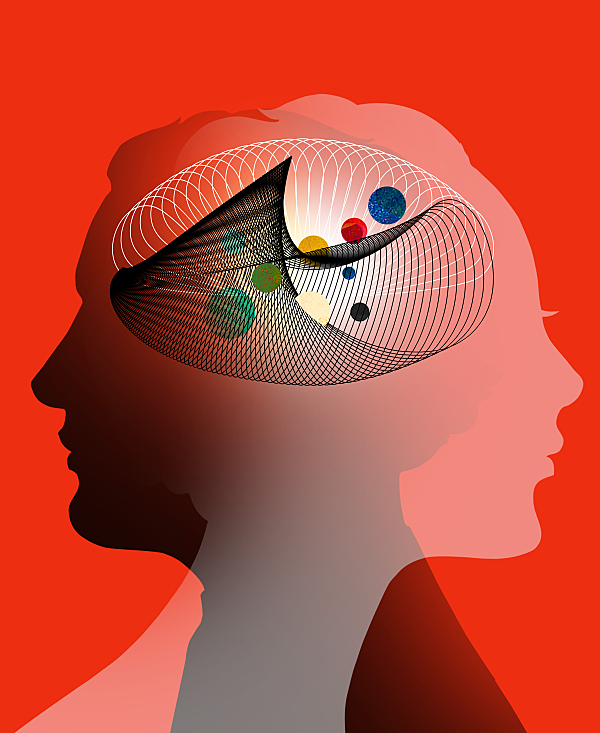
Our debates about ‘AI’ grow out of 1990s science fiction. Back then, Vinge (1993) wrote essays and novels urging us to face up to the oncoming “Singularity”: a moment of rapid change that would fundamentally transform the human condition. On that day, AI would rapidly evolve from merely human-level intelligence, what some now call ‘artificial general intelligence’ (AGI), into something super-intelligent with its own interests and goals. Humanity would then either be casually eliminated by out-of-control machines, or humans would become as gods, with super-human servitors at our command.
The rise of AI ‘civilizations’ and the fall of corporate responsibility
The internet fights over anthropomorphism around the Hugging Face hack.

The Irrational Decision
How the computer revolution shaped our conception of rationality—and why human problems require solutions rooted in human intuition, morality, and judgment

Rethinking the cognitive foundations of the attention economy
The attention economy is the economic system in which human attention is the scarce resource. This literature takes a particular passage in Herbert Simon’s seminal Chapter Designing Organization fo...

Anthropomorphism in AI: hype and fallacy
This essay focuses on anthropomorphism as both a form of hype and fallacy. As a form of hype, anthropomorphism is shown to exaggerate AI capabilities and performance by attributing human-like traits to systems that do not possess them. As a fallacy, anthropomorphism is shown to distort moral judgments about AI, such as those concerning its moral character and status, as well as judgments of responsibility and trust. By focusing on these two dimensions of anthropomorphism in AI, the essay highlights negative ethical consequences of the phenomenon in this field.

Anthropomorphism in AI: hype and fallacy
This essay focuses on anthropomorphism as both a form of hype and fallacy. As a form of hype, anthropomorphism is shown to exaggerate AI capabilities and performance by attributing human-like traits to systems that do not possess them. As a fallacy, anthropomorphism is shown to distort moral judgments about AI, such as those concerning its moral character and status, as well as judgments of responsibility and trust. By focusing on these two dimensions of anthropomorphism in AI, the essay highlights negative ethical consequences of the phenomenon in this field.
AI, Ethics, and Society — Home
Eryk Salvaggio: Critical AI & Culture | Glossary — Cybernetic Forests.
Stochastic Flocks, Systems From Nowhere and other citable terms for describing AI systems without borrowing from cognition, by Eryk Salvaggio.

AI as Social Technology: Astor Lecture by Professor Henry Farrell
"Fisher/Jameson said "It's easier to imagine the end of the world than the end of capitalism". And yet, that act of imagining alternatives is urgent; if AI tells us nothing else, it tells us that capitalism is actively imagining the end of us" x.com/danmcquillan/status/209400707…
Algorithm Mediated Experiences

On the effects of algorithms on everyday experiences

Generative AI enhances individual creativity but reduces the collective diversity of novel content
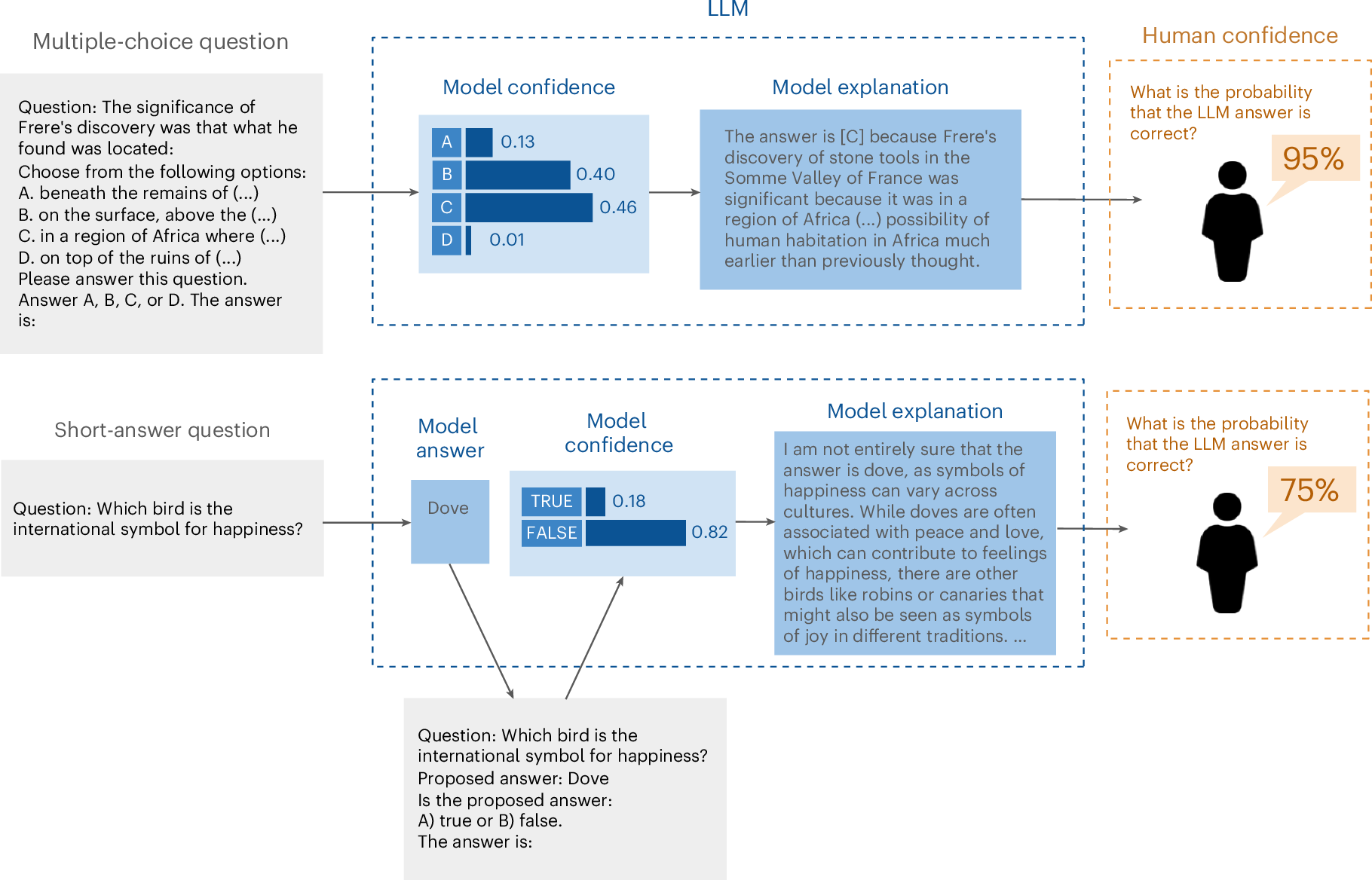
What large language models know and what people think they know

Do Large Language Models Perform the Way People Expect? Measuring the Human Generalization Function
Sycophantic AI makes human interaction feel more effortful and less satisfying over time

Propagation and preservation of AI-discovered problem-solving strategies in human culture
Searching for explanations: How the Internet inflates estimates of internal knowledge.
