

I was born and raised in South Jersey. As a kid, I was passionately interested in music, science and nature. Within a year of entering college, I discovered neuroscience and quickly became enamored by the prospect of understanding human cognition in the context of experiment and data-driven analysis.
Learning Outside the Brain: Integrating Cognitive Science and Systems Biology
Learning is commonplace in organisms such as ourselves and even in organisms as far distant as the bee and the octopus. Such learning is implemented by brains, or neuronal networks, and has been extensively studied within ethology, psychology, cognitive science, and neuroscience. Whether learning also takes place in nonneuronal settings has remained a matter of sustained controversy, too often dominated by ideological views. In this survey, I will explain how learning can be rigorously interpreted as a form of information processing and then explore the evidence for whether learning also takes place in organismal contexts outside the brain, such as physiology, development, and individual cells. I will try to explain why it is important to build bridges in this way between cognitive science and systems biology, why concepts and methods from various branches of engineering may be helpful in this task, and what the eventual impact may be on how we think about the organism.
NeuroAI
Neuroscience, cognitive science, and AI are all questing for principles that help generalization. Learn more through a live, synchronous program designed for focused, hands-on learning.
Developing creative identity
I was a theoretical physicist from 1992 to 2007. It was a romantic activity, exploring the fundamental nature of the cosmos! I became a university professor, wrote papers and books, and got to explore some of the most beautiful ideas ever discovered. In parallel, I also developed a fascination with the social systems humanity uses to make knowledge. Systems like the university or peer review are immensely deep inventions: our discovery system is itself one of the great inventions of humanity! But I believed a radically better discovery system must be possible. I became obsessed with this idea, eventually giving up tenure to work on it1. My first big project was to write a book helping develop and spread the fundamental ideas underlying the modern open science movement.
Learning How to Learn (And 20+ Studies) – Max's Two Cents
I have been interested in cognitive science and effective learning methods for years. I’ve read multiple books and articles and put many ideas to test. In this post, I aim to synthesize my notes and provide references to scientific studies.
Phillip M. Alday
I was a struggling mathematician, then a linguist and now a (cognitive) neuroscientist, but will probably always be a hacker. I also moonlight as an applied statistician. These are some of the things I’ve done along the way.
Diego Vicente
Data Scientist. I like music, keyboards and Legos. Proficient in pop culture references and xkcd.
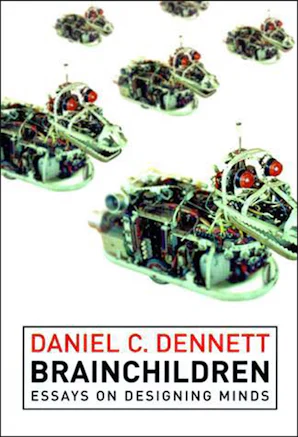
Brainchildren
Minds are complex artifacts, partly biological and partly social; only a unified, multidisciplinary approach will yield a realistic theory of how they came i...
Neuroscience needs a career path for software engineers
Few institutions have mechanisms for the type of long-term positions that would best benefit the science.
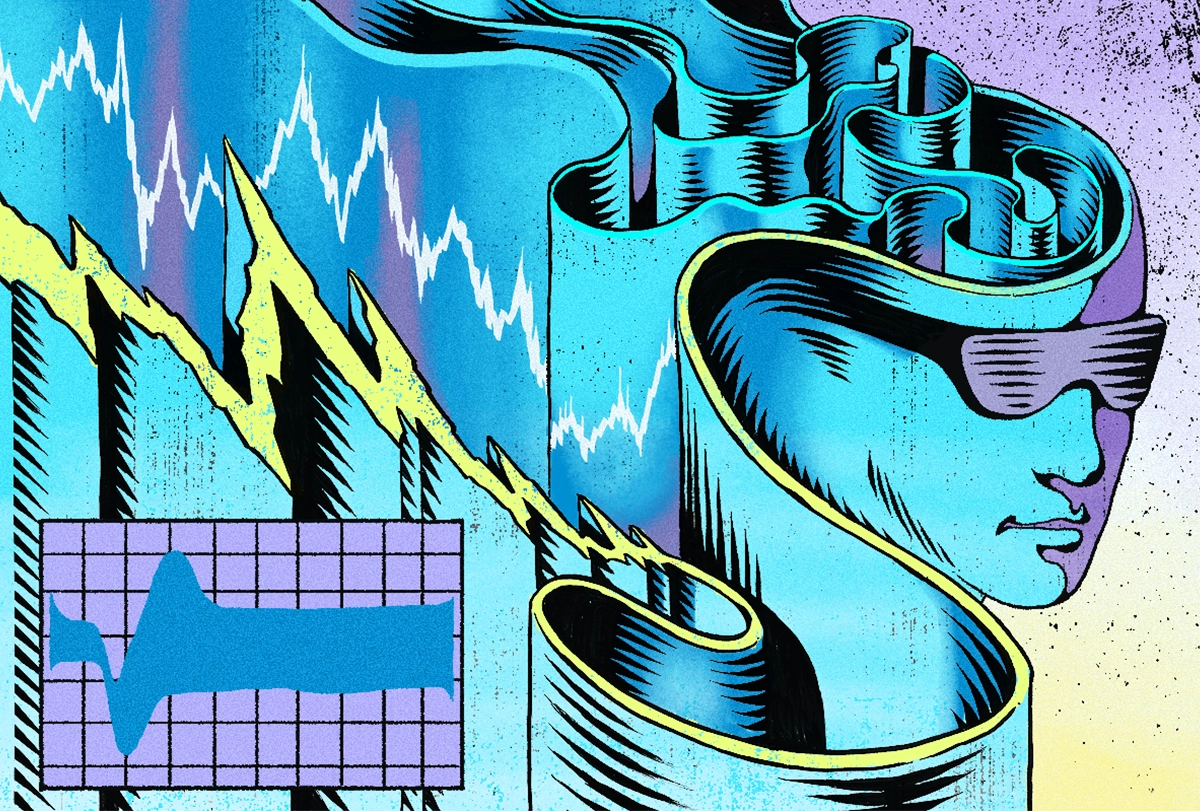
The Periodic Table of Cognition
I’ve been studying the early history of electricity’s discovery as a map for our current discovery of artificial intelligence. The smartest people alive back then, including Isaac Newton, who may have been the smartest person who ever lived, had confident … Continue reading →
Danilo Bzdok | Mila
Danilo Bzdok is a computer scientist and medical doctor by training with a unique dual background in systems neuroscience and machine learning algorithms. After training at RWTH Aachen University (Germany), Université de Lausanne (Switzerland) and Harvard Medical School, Bzdok completed two doctoral degrees, one in neuroscience at Forschungszentrum Jülich in Germany, and another in computer science (machine learning statistics) at INRIA–Saclay and the Neurospin brain imaging centre in Paris. Danilo is currently an associate professor at McGill University’s Faculty of Medicine and a Canada CIFAR AI Chair at Mila – Quebec Artificial Intelligence Institute. His interdisciplinary research centres around narrowing knowledge gaps in the brain basis of human-defining types of thinking in order to uncover key computational design principles underlying human intelligence.
Inventing the future: A neuroscience research roadmap
The past decade of transformative advances in neurotechnology portends an exciting future for neuroscience. This NeuroView charts a strategic path to accelerate and integrate research discovery and speed the development of new cures for human brain disorders.

NeuroNYC
As the global leader in finance, policy, art, research, and medicine, the region is well-positioned to lead neurotech. We help foster and promote the local neurotech ecosystem: clinics, companies, funders, labs, and users.

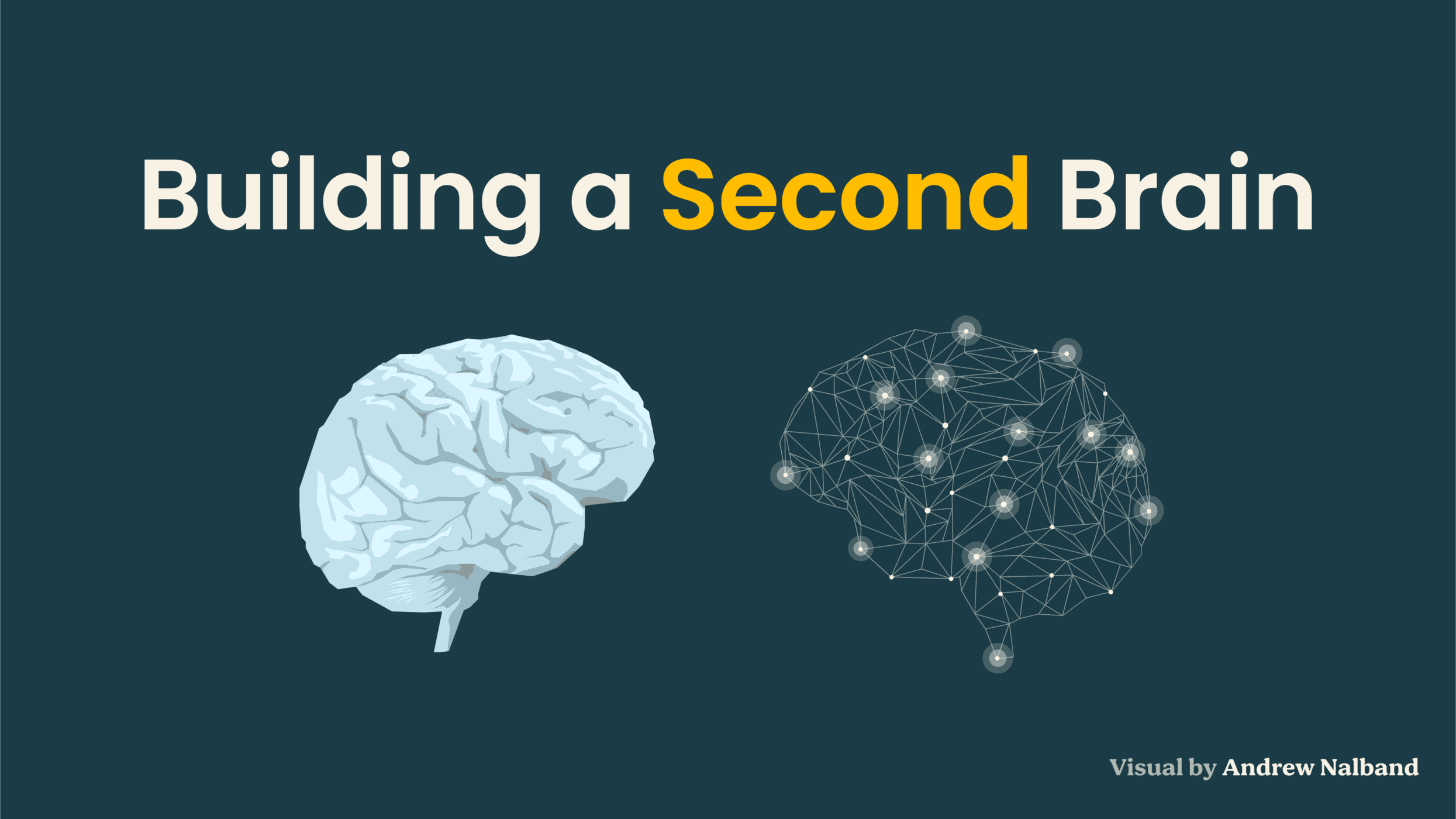
Building a Second Brain: The Definitive Introductory Guide
This is an introduction to Building a Second Brain, the proven method to organize your digital life and unlock your creative potential
1. New preprint resolving a conundrum in systems neuroscience with an AI scientist, and humans Reilly Tilbury, Dabin Kwon, @haydari.bsky.social, @jacobmratliff.bsky.social, @bio-emergent.bsky.social, @carandinilab.net, @kevinjmiller.bsky.social, @neurokim.bsky.social biorxiv.org/content/10.1101/2025.11.12.68…

Characterizing neuronal population geometry with AI equation discovery
www.biorxiv.orgNeuroscience, Cognition & Psychology

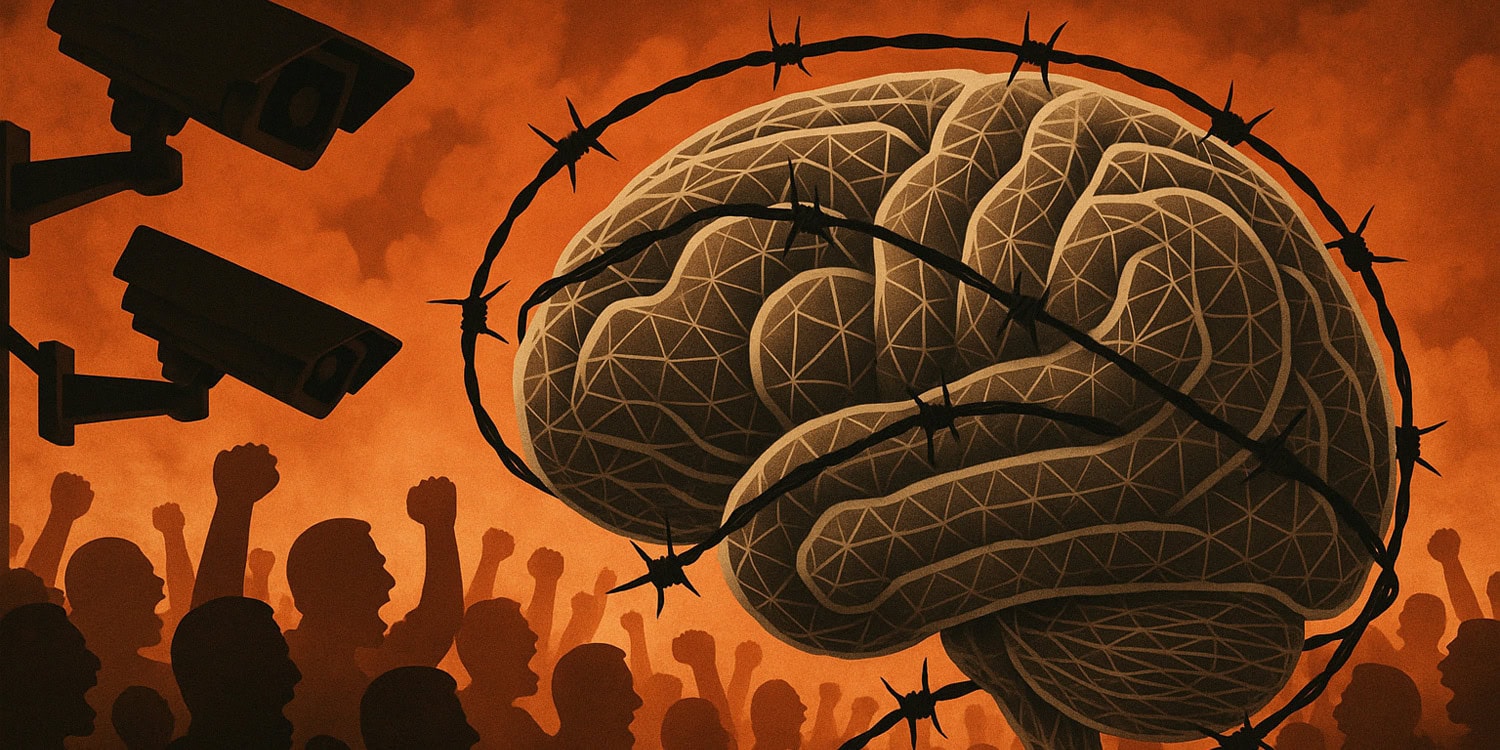
Anti-democratic attitudes are highly contagious, new psychology study finds
Hyperactive–impulsive ADHD traits predict higher curiosity in adults: evidence from a cross-sectional study
Understanding the influence of digital technology on human cognitive functions: A narrative review
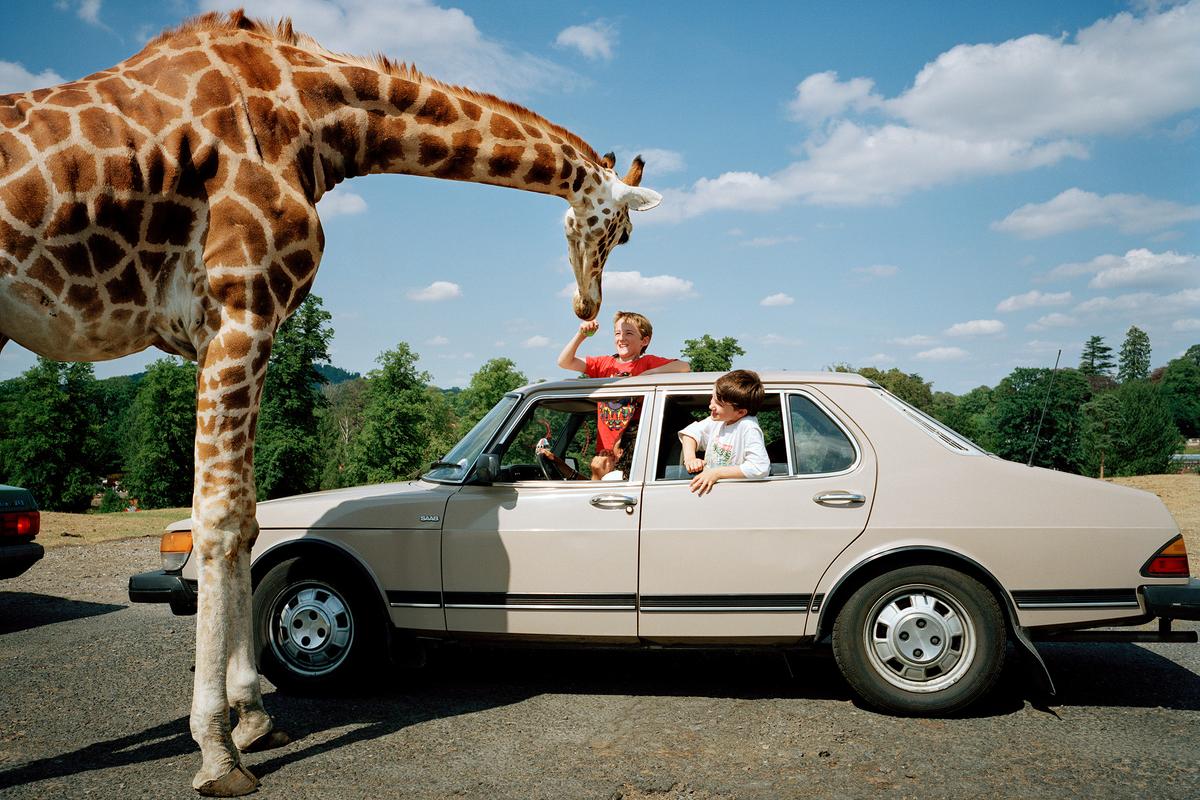
How the hypercuriosity of ADHD may have helped humans thrive | Aeon Essays
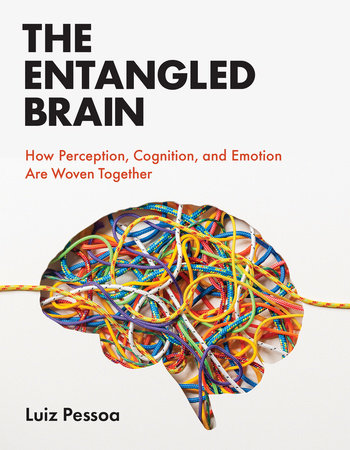
The Entangled Brain: How Perception, Cognition, and Emotion Are Woven Together
