


generally presented its vision as compelling.12 The most vocal critics were the African delegation to Tunisia, which as a group was largely unimpressed by the demonstration and voiced concerns about project and infrastructure costs, resources diverted from clean water and better schools, and machine obsolescence and recycling.13 But these voices were quickly marginalized within the broader discourse around the hundred-dollar laptop. (Location 158)
Appropriating Technology | Public Sphere Project — Liberating Voices Pattern Language
Dematerialization, Participatory Design, Techno-Criticism, Intermediate Technologies, Users' IT Quality Network, Wholesome Design for Wicked Problems, Labor Visions, Community Inquiry, Tactical Media
The Social Meaning of the Personal Computer: Or, Why the Personal Computer Revolution Was No Revolution
This essay presents a processual model of the personal computing movement that depicts the PC's birth within the context of complex and often contradictory social strategies, each of which used the meaning of computer technology in a distinctive way. It suggests that innovators are constrained by such processes to depict new artifacts in culturally meaningful ways, so that it is difficult for them to conceive of their technologies in radical terms. The rhetoric of "revolution" aside, innovators found it expedient to draw from the stock of meanings at hand as they created new meaning-frameworks for their artifacts. The result is that the new artifacts did not express a coherent or effective political vision and failed to have the intended social effects. This study implies that new technologies frequently reproduce existing social and meaning systems; if they do bring about social change, the changes may differ from those intended by the innovators.
How Europe Underdeveloped Africa
The decisiveness of the short period of colonialism and…

Magamba Network – We are Africa's trailblazing creative & digital media organisation.
We’re all about using arts, digital media, civic tech & activism to reach young people and get them involved in the big issues of our time. We run some of the most disruptive digital platforms & creative initiatives on the African continent with an online community of over 500,000 young people.
annotations: Y a-t-il une malédiction des ressources naturelles ? Le cas du Cameroun
traduction française du billet de blog "Is there a curse of resources? The case of the Cameroon" de Daron Acemoglu & James Robinson
Paul's Leaflets
There's a surprisingly nuanced discussion in development about the political economy of clients and servers in the Atmosphere
Influence without authority — Gabriel Valdivia
Some of the most influential designers I’ve worked with had no direct reports. They didn't spend their days assigning work, running performance reviews, or deciding who got promoted. Yet they could change the direction of a project, raise the quality bar of a team, and sometimes change the strategy for the entire company. Individual contributors can develop influence by giving people reasons to trust their judgment, then finding ways for that judgment to travel beyond the things they personally make.
The scent of Musk: Power, charisma and paranoia in Silicon Valley

Human perspectives on AI · Global Voices
This GV Spotlight edition will explore how the use of, promotion of, and resistance to artificial intelligence is playing out for the Global Majority.

From groups to individuals, micro-computing and us, Paul Rony
From groups to individuals, micro-computing and us, Paul Rony
If you care about fighting misinformation, strengthening information integrity and safeguarding democracy, you should read this account I've written about the journalist-creator lab my colleagues and I have just delivered in Kenya. Spoiler: it was an absolute success.

What happens when content creators and journalists come together?
www.trust.orgCAIROS - motivation

Why we need community stewarded research commons
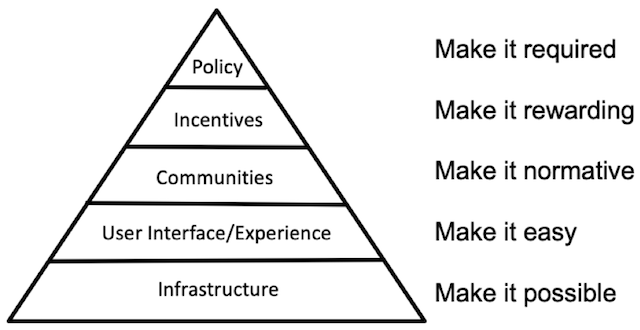
Strategy for Culture Change

The Least Agentic People Alive

The Tragedy of the Cognitive Commons: How AI Could Disrupt the Regeneration of Professional Expertise

Oof. Bending spoons now owns Evernote, Meetup, Eventbrite, Vimeo, and a handful of others. 1.2B is pretty substantial. Are those products…

Digital Science on Twitter / X

Governing the scholarly AI Commons – Open Future

