


Musical perception is, surprisingly, not shared by all humans.
How the brain perceives rhythm
MIT neuroscientists have found that people are biased toward hearing and producing rhythms composed of simple integer ratios. This holds true for musicians and non-musicians living in the United States, as well as members of a Bolivian tribe who have little exposure to Western music.

Study Reveals Music's Universal Patterns Across Societies Worldwide - Slashdot
From love songs to dance tunes to lullabies, music made in disparate cultures worldwide displays certain universal patterns, according to a study by researchers who suggest a commonality in the way human minds create music. From a report: The study focused on musical recordings and ethnographic reco...

phonology-202409
Tangut tones are a more complex issue than what is presented here. However, it is generally accepted that most characterswere categorized by native Tangut phonologists into two tones:
Music and the Decline of Civilization
Both Greek and Chinese traditions see the abandonment of musical laws as calamitous for the common good.

Music on the brain: Listening can influence our brain’s activity
The "Mozart effect" isn't real—but music does affect our mental processes.

What Makes Metroid Music Sound Like Metroid Music?
Listening To Music May Be Damaging Your Creativity - Slashdot
The results of a new study suggest that listening to music can significantly impair your ability to perform creative tasks. Whilst music was found to disrupt creative processes, ambient "library noise" was found to have no significant effect. From a report: The first experiment saw volunteers comple...
What is Music? Music Generates Feelings That Are Only Weakly Bound To The Music
Here I use the word "bound" in the same sense as "bind" in the "binding problem".
We Might Soon Know What Ancient Greek Music Actually Sounded Like
Music has been with humans for a very, very long time. But as time marches on, history can lose the records of what that music sounded like

Speaking of Music
“Can anyone explain in mere prose the wonder of one note following or coinciding with another so that we feel that it is exactly how those notes had to be? Of course not.”
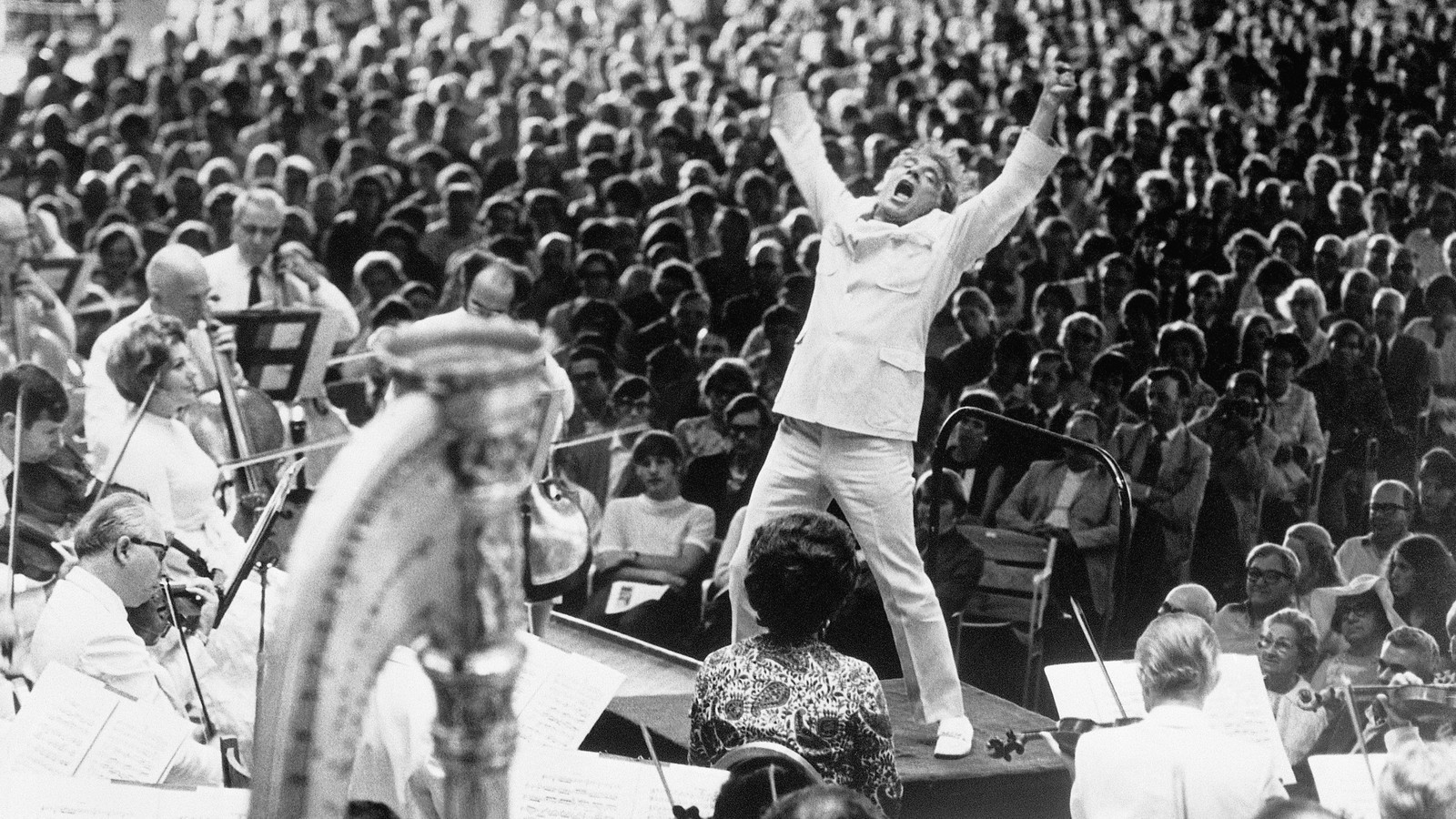
When Music Is Violence
From trumpets at the walls of Jericho to pop songs as torture in the Iraq War, sound can make a powerful weapon.

What making music does to your brain
What’s it like to have a song inside your head, itching to get out? A neuroscientist and a songwriter compare notes from the frontier of music and science.

The “432 Hz vs. 440 Hz” conspiracy theory
<p>Would you believe that there is a conspiracy theory about the way we tune musical instruments? And that this theory even involves the Nazis, chakras, and whatnot? No? Then sit down and enjoy

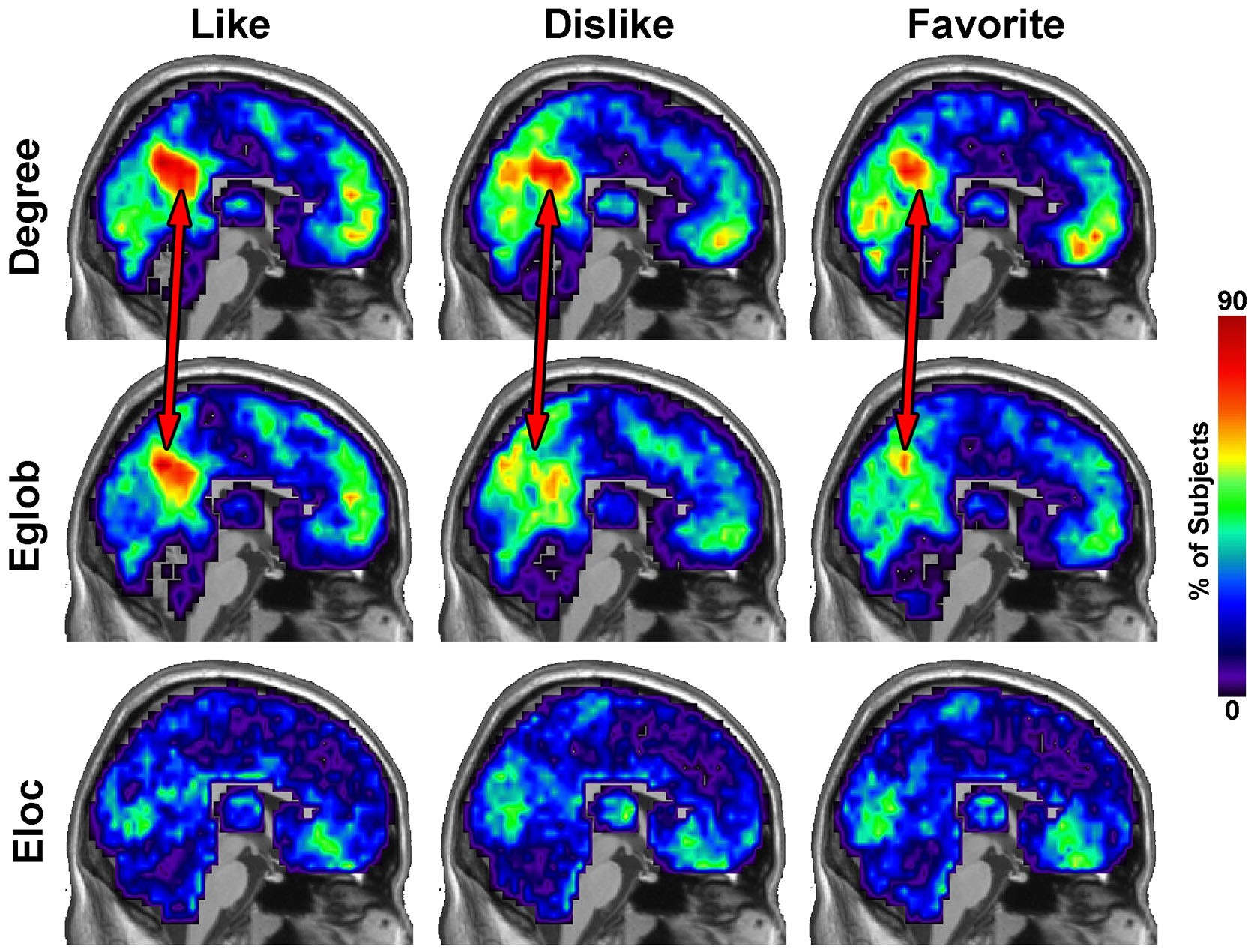
Network Science and the Effects of Music Preference on Functional Brain Connectivity: From Beethoven to Eminem
Most people choose to listen to music that they prefer or ‘like’ such as classical, country or rock. Previous research has focused on how different characteristics of music (i.e., classical versus country) affect the brain. Yet, when listening to preferred music—regardless of the type—people report they often experience personal thoughts and memories. To date, understanding how this occurs in the brain has remained elusive. Using network science methods, we evaluated differences in functional brain connectivity when individuals listened to complete songs. We show that a circuit important for internally-focused thoughts, known as the default mode network, was most connected when listening to preferred music. We also show that listening to a favorite song alters the connectivity between auditory brain areas and the hippocampus, a region responsible for memory and social emotion consolidation. Given that musical preferences are uniquely individualized phenomena and that music can vary in acoustic complexity and the presence or absence of lyrics, the consistency of our results was unexpected. These findings may explain why comparable emotional and mental states can be experienced by people listening to music that differs as widely as Beethoven and Eminem. The neurobiological and neurorehabilitation implications of these results are discussed.
Deezer and Ipsos study: AI fools 97% of listeners
Deezer and Ipsos unveil a unique study exploring perceptions around AI and music, conducted across 8 countries. Discover the surprising results!

AI & Music - developments & perspectives

Perspectives, developments, & news re: AI & music

Owners of Elvis Presley’s Music Sue Anthropic for Copyright Infringement

YouTube Music adds new labels for AI music
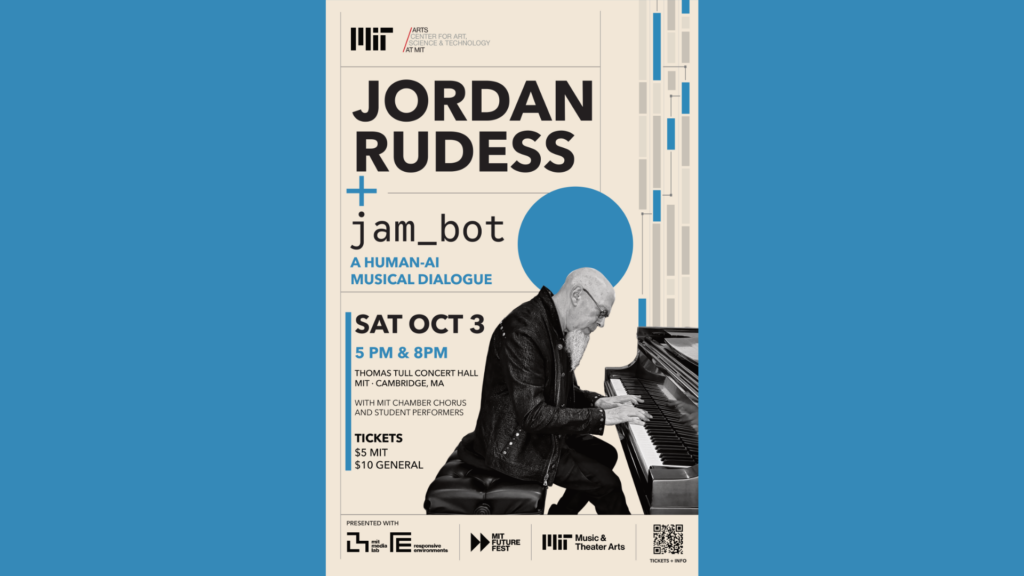
Jordan Rudess + jam_bot at MIT October 3

Jordan Rudess and MIT’s jam_bot: A New Era of Human-AI Musical Collaboration
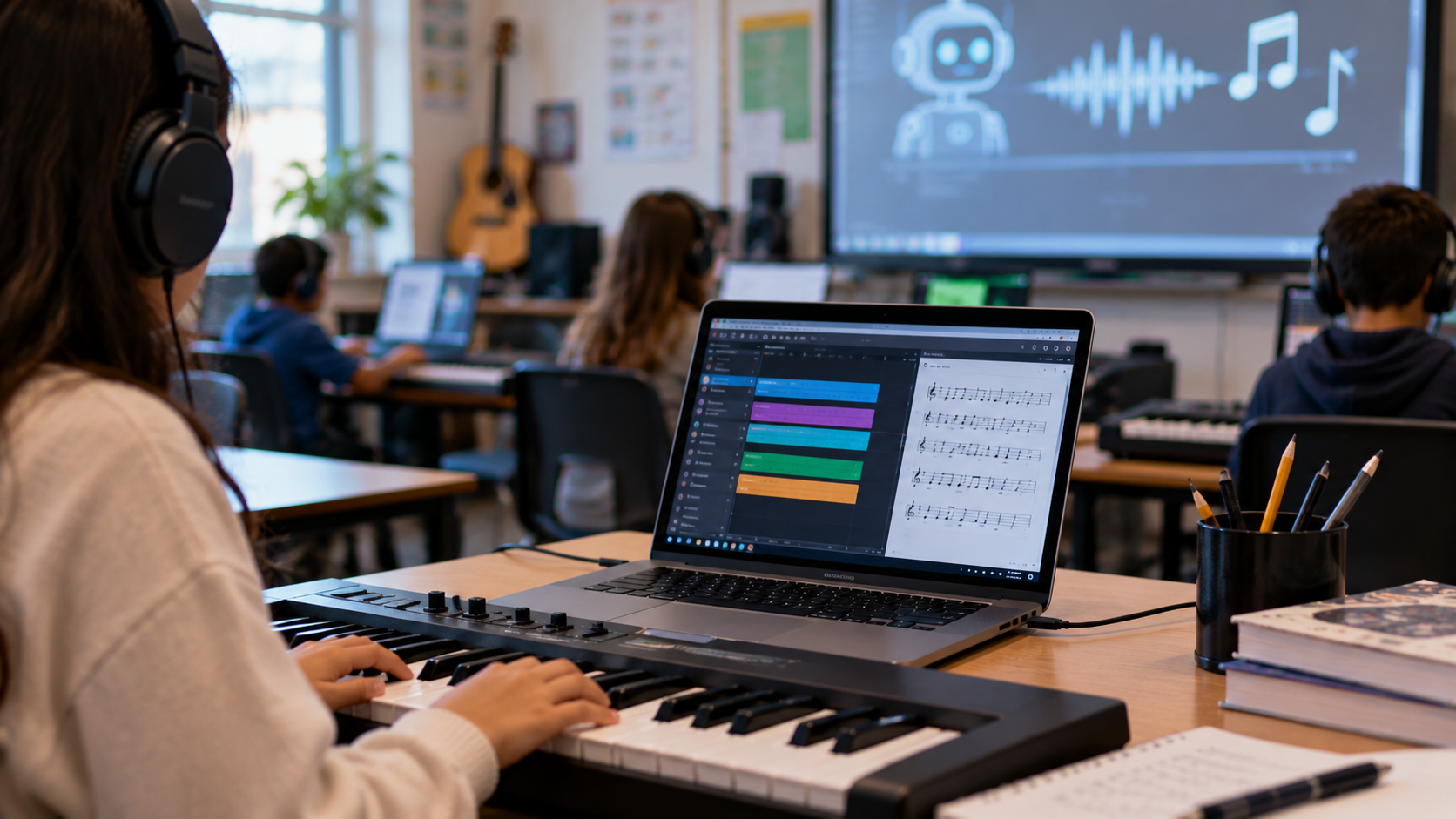
Artificial Intelligence in Music Classrooms: PK-12 Educators’ Practices, Concerns, and Confidence

“It frustrates me to hear people bashing something that's so amazing”: Todd Edwards is optimistic about AI in music production