

Science is trapped in a paper-shaped box. In this talk at the ATProto community, Rowan Cockett introduces the structural states of scientific components — the floor, the buckets, and the shelf — and makes the case for a second wave of modular science where modularity emerges from packaging rather than being imposed as a precondition. The talk introduces the Open Exchange Architecture (OXA), a new standard for modular and composable scientific content.
Introducing the Open Exchange Architecture
Scientific communication still privileges narrative over utility, while the data, code, protocols, and computation that underpin modern research are pushed into hard-to-access supplements. Rowan Cockett introduces the Open Exchange Architecture (OXA), an emerging, community-driven standard designed to unbundle research from its paper-shaped container and expose the rich evidence underneath it.
Open Exchange Architecture
A specification for representing scientific documents and their components as structured objects.
Open Exchange Architecture
A specification for representing scientific documents and their components as structured objects.
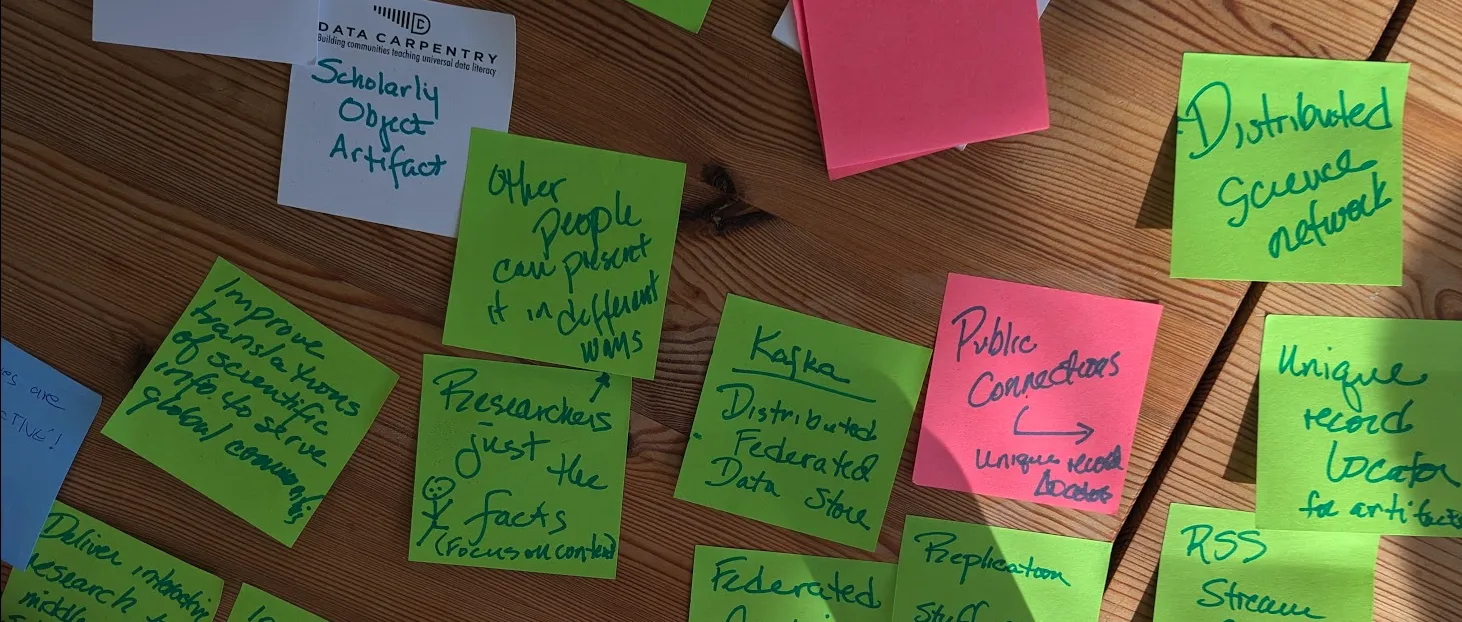
Open Exchange Architecture
A specification for representing scientific documents and their components as structured objects.
From Albums to Streams: How Modularity Changes Systems
Scientific publishing is breaking under document-centric formats designed for a physical world. Borrowing from music’s shift from albums to streaming, we make the case that open access alone cannot deliver reuse, trust, or scale. The future of science depends on modular, interoperable research components that move across tools, enabling new workflows, tools, and ecosystems.
Scientific Documents as First-Class Objects on AT Protocol
OXA now defines an AT Protocol lexicon for publishing scientific documents to the Atmosphere. The `pub.oxa.*` namespace lets documents live in any Personal Data Server, making scientific content user-owned, portable, and discoverable alongside social interactions, feeds, and moderation infrastructure.
Scientific Documents as First-Class Objects on AT Protocol
OXA now defines an AT Protocol lexicon for publishing scientific documents to the Atmosphere. The `pub.oxa.*` namespace lets documents live in any Personal Data Server, making scientific content user-owned, portable, and discoverable alongside social interactions, feeds, and moderation infrastructure.
A protocol for attributable modular research contribution - Matsuthoughts
I wrote this essay in response to Seemay Chou's call for essays on systemic bottlenecks to science. Structural change in scholarly communication practices i…
MIRA 2026 - Modular Interoperable Research Attribution
Catalyzing Modular Interoperable Research Attribution - A workshop to design and prototype interoperable frameworks for modular research attribution. June 7-11, 2026 in Ireland.
MIRA 2026 - Modular Interoperable Research Attribution
Catalyzing Modular Interoperable Research Attribution - A workshop to design and prototype interoperable frameworks for modular research attribution. June 7-11, 2026 in Ireland.
Great survey of the "scholarly interface design" frontier that also highlights the emerging role of the atproto.science and modular research ecosystems - @chive.pub @paperstarsorg.bsky.social @cosmik.network @semble.so @margin.at @discoursegraphs.bsky.social @curvenote.com and many more!

leotrs
1/ Scholarly publishing spent thirty years arguing about access. It has barely started arguing about what readers do with the paper once they have it. That second argument is turning into a field, forming around how science gets read and judged. Here is the map as I see it: aris.pub/blog/scholarly-interface-desi…
"experiments to be in the realm of search and discovery, enabling curation, trust signals, and other approaches that build on the modular elements of science" #modularscience #atscience Congrats to the whole @openrxiv.bsky.social team!! So exciting.

openRxiv
Introducing openRxiv Labs! 🔬 Growing from the strong foundation of bioRxiv & medRxiv, Labs is an experimental space for working with collaborators to push the boundaries of open scientific communication. 👉 Check it out and learn more: openrxiv.org/openrxiv-labs-launch/ #OpenScience #Preprints #Scicomm
@airglow.run + @continuous.foundation oxa.dev + @discoursegraphs.bsky.social + @scios.tech mira.science + @semble.so connections + ... = modular science revolution 🚀
Chive | Decentralized Eprint Service
chive.pub
Semble
@airglow.run + page.parts (tba @awarm.space) + @standard.site + Semble connections = community knowledge gardening at scale 🤯
Why Modular Research

Content relating to how modular research addresses issues in traditional science
ATScience 2026 Presentations

Modular research

Hyperproblems: New Ways of Doing and Communicating Science - Hyperproblems
Nathan Skene on Twitter / X

ScienceIDE: Turning World's Scientific Codebase into Agent Learnable Environments
Where does the rigor go? Research software and the future of trustworthy science.
Is the scientific paper still a fraud?

I have a friend who replicates every study he wants to follow up on before starting his follow up, just to make sure he's not chasing phanto…
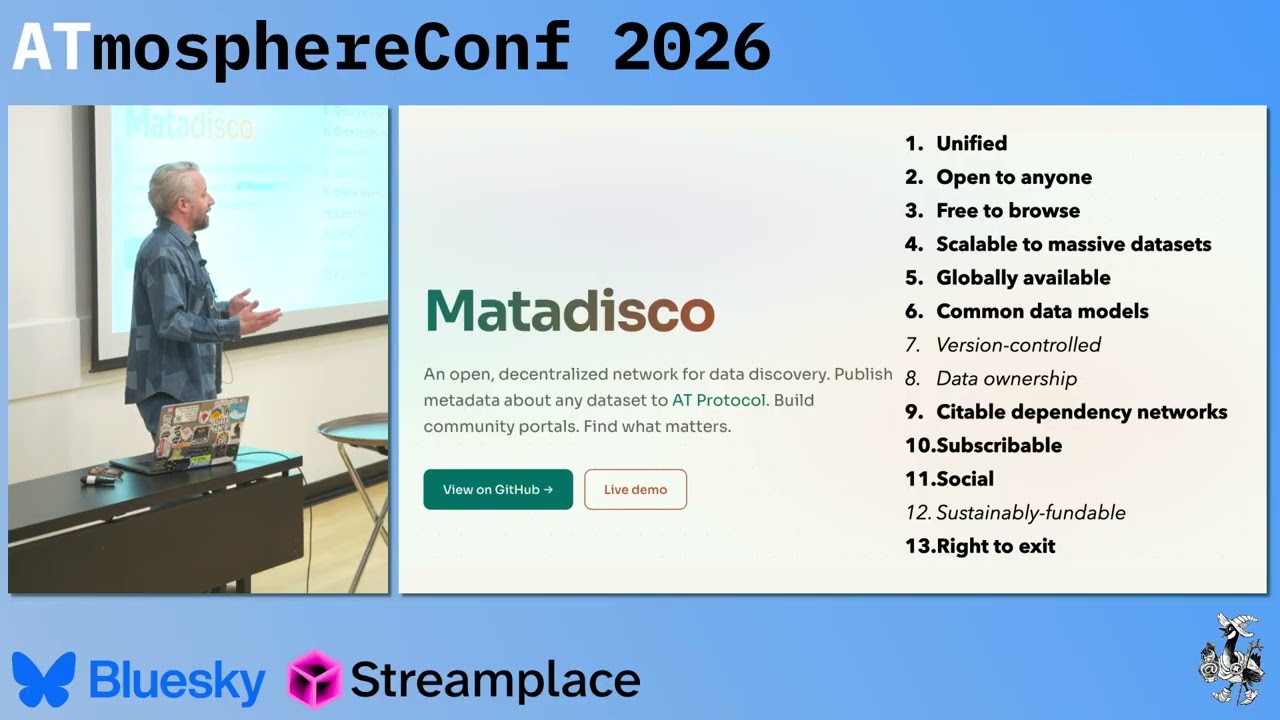
Matadata! Publishing scientific data straight to AT - ATmosphereConf 2026
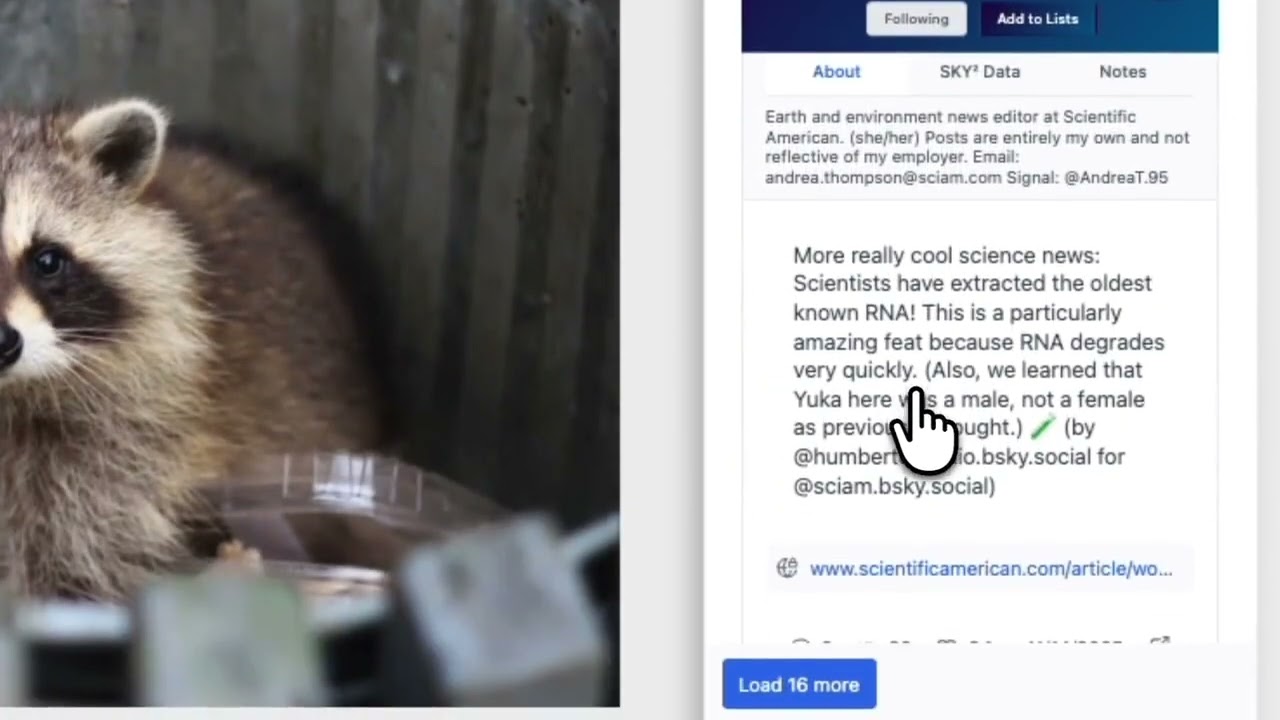
Skysquare is context as a service - Travis Simpson - @skysquare.app - ATmosphereConf 2026
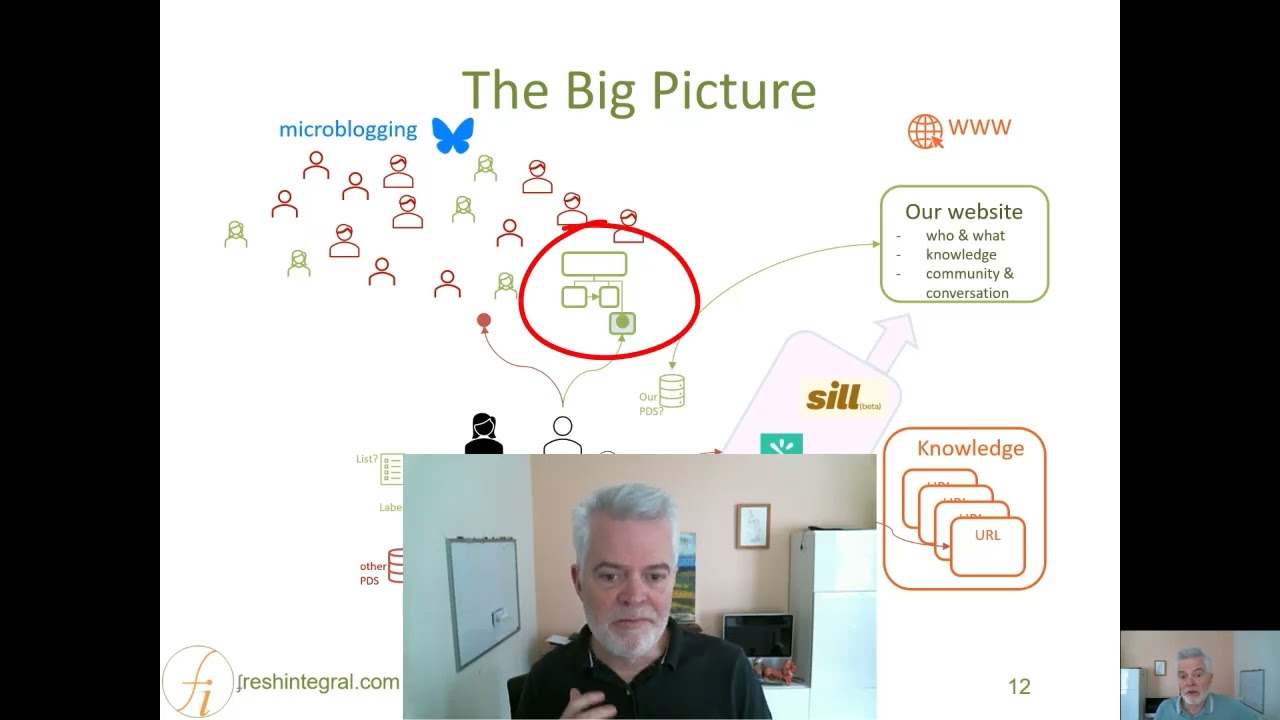
The Atmosphere as research infrastructure

Reigniting the Party: Lessons from a Stalled Migration to Bluesky - ATmosphereConf 2026
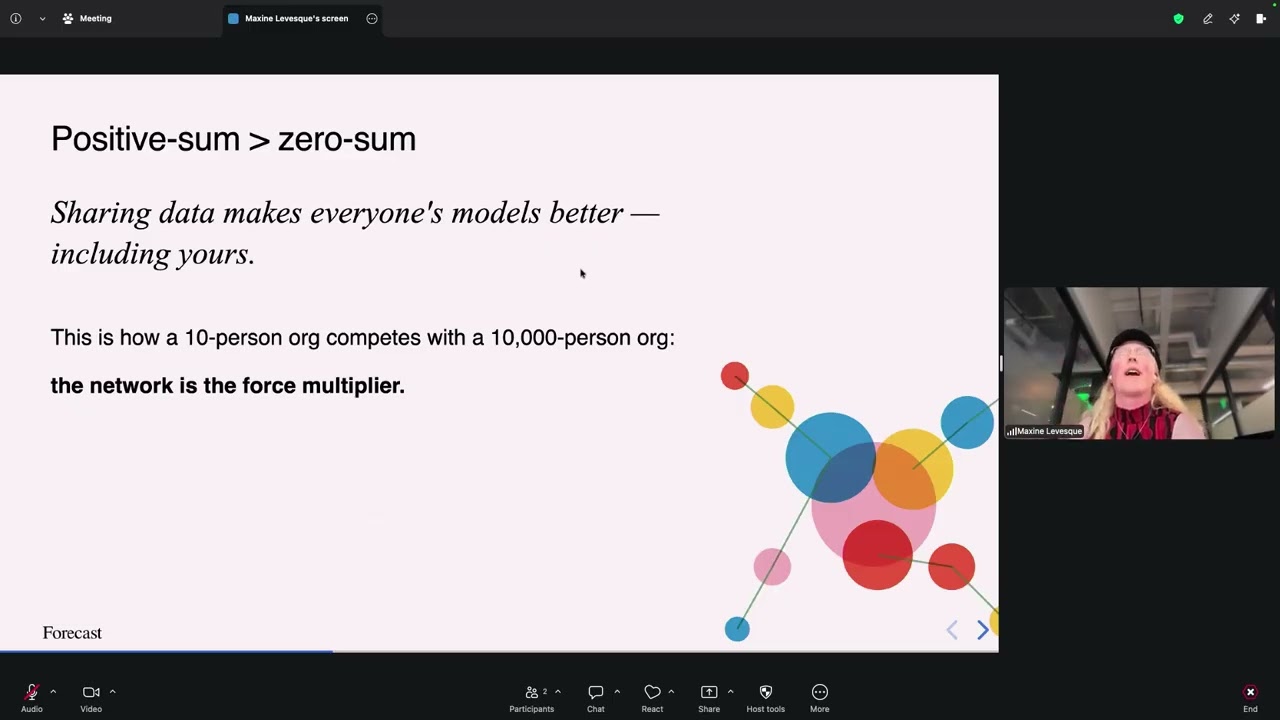
Building decentralized AI on atproto - ATmosphereConf 2026
Making wisdom together - seams.so - @hyl.st - ATmosphereConf 2026
The Trace and the Artifact | shishyko!

Curvenote® (@curvenote.com)
The new way we’ll do science
Zotero - InPeeR Ethi-quette (by Jay Patel) — Semble

Science: A New Golden Age
Plan S

