

Since the dawn of computer programming, software developers have been aware of the rapidly growing complexity of code as its size increases. Keeping in mind all the details in a few hundred lines of code is not trivial, and understanding someone else's code is even more difficult because many higher-level decisions about algorithms and data structures are not visible unless the authors have carefully documented them and keep those comments up to date.
Understanding is the new bottleneck
Agents can write code faster than we can absorb it. Here's why it still matters for humans to understand what they build — and some techniques for doing that efficiently: explainer docs, quizzes, micro-worlds, and shared spaces.
Understanding is the new bottleneck
Agents can write code faster than we can absorb it. Here's why it still matters for humans to understand what they build — and some techniques for doing that efficiently: explainer docs, quizzes, micro-worlds, and shared spaces.
Understanding is the new bottleneck
Agents can write code faster than we can absorb it. Here's why it still matters for humans to understand what they build — and some techniques for doing that efficiently: explainer docs, quizzes, micro-worlds, and shared spaces.
All you need is data and functions
It's really easy to tend towards complexity as engineers. I think on some level, we love complexity. There are obviously bad types of complexity, but I think there are other types of it that we seek out, because there's something satisfying about wrapping your head around it; and I think a lot of that kind of complexity ends up in our programming languages.
Modular: The Claude C Compiler: What It Reveals About the Future of Software
Compilers occupy a special place in computer science. They're a canonical course in computer science education. Building one is a rite of passage. It forces you to confront how software actually works, by examining languages, abstractions, hardware, and the boundary between human intent and machine execution.

Why embracing complexity is the real challenge in software today
In the midst of industry discussions about productivity and automation, it’s all too easy to overlook the importance of properly reckoning with complexity.

Coding After Coders: The End of Computer Programming as We Know It - …
archived 16 Mar 2026 15:14:04 UTC

Code Is Cheap Now, And That Changes Everything | Pere Villega
AI coding agents have made code production nearly free. Drawing on insights from Kent Beck, Paul Ford, and Simon Willison, this post argues that the value has shifted from writing code to defining systems — contracts, invariants, SLAs, and verification.
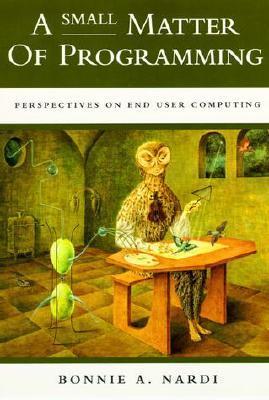
A small matter of programming: perspectives on end user computing
A Small Matter of Programming asks why it has been so d…
Random Tech Thoughts
This article is about standardisation, particularly how it relates to understanding code. I’ll first go into an historical example that highlights the lack of standardisation in an area where we take it for granted today. After that I’ll get into code, and how understanding code is like understanding data via visualisations. In both the historic … Continue reading Standardisation and code

The Story of C++: The World's Most Consequential Programming Language | The Official Story
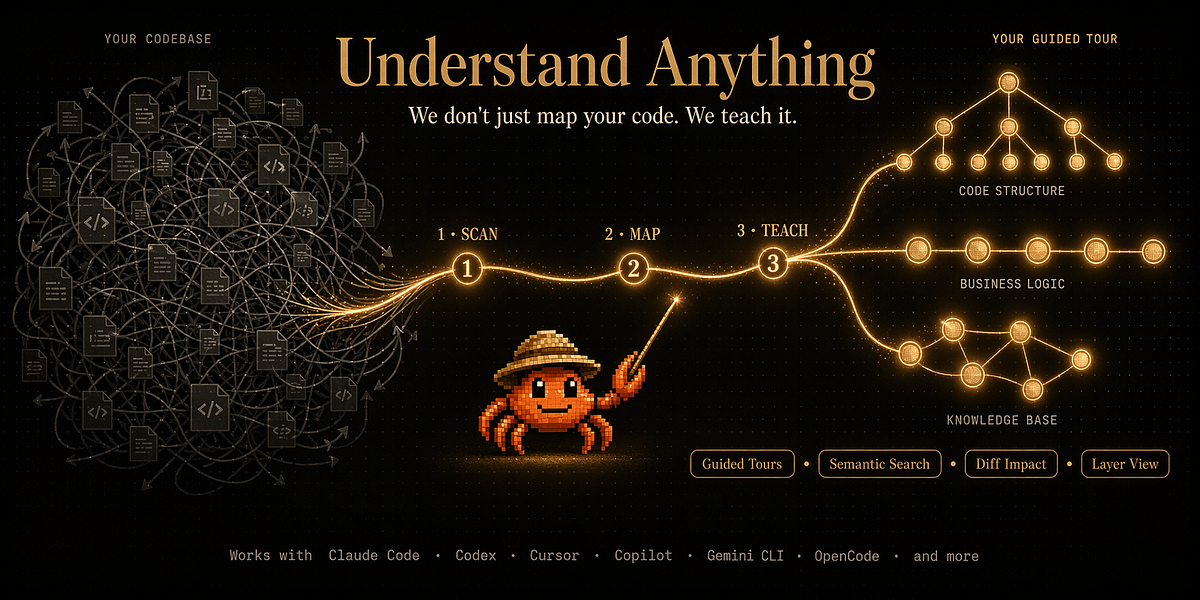
The Definitive Guide to Understand Anything: Turning Code and Knowledge Into Graphs That Teach
You just joined a new team. The codebase is 200,000 lines of code. The original authors left a year ago. The documentation is a wiki last…
Its Time for a New Programming Language
Today, when compared to any other point in programming history, we find ourselves spoiled for choice when it comes to programming…
Sourcegraph — Code Understanding, Oversight and Evolution
Give humans and agents complete context to understand, oversee, and evolve the world's largest, most complex codebases.
Konrad Hinsen's blog
How can we document software and computational analyses in such a way that others can convince themselves of their validity, and build on them for their own work? The question has been around for many years, and a number of attempts have been made to provide partial answers. This post provides a brief review and describes my own tentative answer, inviting you to play with it.
Hey, Computer Scientists! Stop Hating on the Humanities
Opinion: Computer science departments need to teach coders more than just how to code.
