

Facebook Data Privacy Scandal: A Cheat Sheet - TechRepublic
Read about the saga of Facebook's failures in ensuring privacy for user data, including how it relates to Cambridge Analytica, the GDPR, the Brexit campaign, and the 2016 US presidential election.
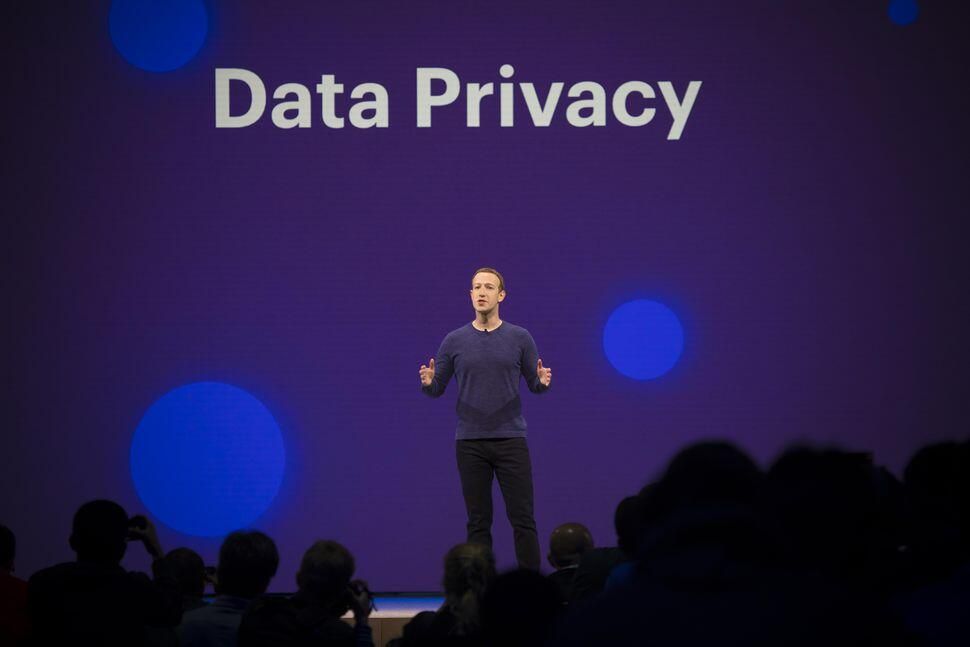
Researcher reveals evidence of private Instagram profiles leaking photos
A researcher has released detailed evidence showing some Instagram private accounts exposed photo links to unauthenticated visitors. The issue was later fixed, but Meta closed the report as not applicable and did not respond to multiple requests for comment.


Caesar (@caesar.dev)
Heads up if you have an account on W Social: your private data does not stay inside the W'alled garden.

W Social (@wsocial.eu)
This is not a leak. It is public information all our users have given consent when they verified

I Asked 100 Companies for My Data. I Got Deletion Notices Instead
California residents have a legal right to access the data that companies collect about them. Actually exercising that right is a burdensome nightmare.

Absent private data, has anyone experimented with encrypted event streams and some sort of auth gated private key exchange at the AppView level? I’m not really trying to solve for security so much as I am trying to solve for the ability to create a contract between a data source and an AppView
Yikes. For anyone interested in more information about this, I recommend checking out @privacyguides.org : discuss.privacyguides.net/t/privacy-com-uses-identity-v…

Privacy.com uses identity verification service Persona, which will keep biometric information for "up to" 3 years
discuss.privacyguides.net@masnick.com I’m listening to your interview with @reckless.bsky.social. This third party doctrine is interesting. Do you think that atproto data would be considered properly owned by the account individual? Would be interesting implications if that public data fall under search and seizure rights.
Emerging from being "down in the technical weeds" of #atproto is a little mashup of @semble.so & WayFinder (wayfinders.network) Semble team released "open collections" this week - here we explore the "private & permissioned data" collection, created by @bmann.ca & now with 3 other contributors
There is one area with Permissioned Data Spaces that I haven't seen discussed. It reveals that data is currently stored in the (I think I'm coining a term here) *Public Space* on Personal Data Servers. Remember, most people on Bluesky aren't aware of where their data is stored, or what that means.
Private & Permissioned Data

ATProto Private & Permissioned data
opensocial.group/proposal
Atproto spaces alpha updates
Habitat's road to release: 06 commenting - building [at] habitat
Arbiter Progress Report 4 - Zicklag's Leaflets
Arbiter Progress Report 3 - Zicklag's Leaflets
Arbiter Progress Report 2 - Zicklag's Leaflets


