

The loudest warning about AI and jobs yet
200 economists and AI leaders say something big is happening. What should we do about it? Plus: Apple sues OpenAI

Pluralistic: When AI prophecy fails (29 Oct 2025) – Pluralistic: Daily links from Cory Doctorow
Amazon made $35 billion in profit last year, so they're celebrating by laying off 14,000 workers (a number they say will rise to 30,000). This is the kind of thing that Wall Street loves, and this layoff comes after a string of pronouncements from Amazon CEO Andy Jassy about how AI is going to let them fire tons of workers.
Meredith Whittaker on Twitter / X
Now that even Goldman, Sequoia, and other major investors are calling it, it's good to remember that the shakiness of the AI market, and the mismatch between capex and ROI, has been clear for a long time to those of us who look closely at the political economy of AI. https://t.co/dLLNAcW5Sn— Meredith Whittaker (@mer__edith) July 30, 2024
The LA Times’ Political Rating “AI” Is A Silly Joke Aimed At Validating Wealthy Media Ownership’s Inherent Bias
Late last year we wrote about how LA Times billionaire owner Patrick Soon-Shiong confidently announced that he was going to use AI to display “artificial intelligence-generated ratings”…

AI's Economics Don't Make Sense
If you liked this piece, please subscribe to my premium newsletter. It’s $70 a year, or $7 a month, and in return you get a weekly newsletter that’s usually anywhere from 5,000 to 18,000 words, including vast, detailed analyses of NVIDIA, Anthropic and OpenAI’s finances,

Pluralistic: Google’s AI pricing plan (21 Jan 2026) – Pluralistic: Daily links from Cory Doctorow
Google is spending a lot on AI, but what's not clear is how Google will make a lot from AI. Or, you know, even break even. Given, you know, that businesses are seeing zero return from AI:
Thousands of CEOs just admitted AI had no impact on employment or productivity—and it has economists resurrecting a paradox from 40 years ago | Fortune
In the 1980s, economist Robert Solow made an observation that reminded economists of today’s AI boom: “You can see the computer age everywhere but in the productivity statistics.”
Dr. Émile P. Torres (they/them) on Twitter / X
What's amazing about this is every time there's a new grand prediction about AI, it's like people forget the 500 previous predictions from the same group of people that were completely wrong. AI by 2025 (Musk). AI doing most coding by 2025 (Amodei). Etc. Why is that?? https://t.co/t9CcMQO4EN— Dr. Émile P. Torres (they/them) (@xriskology) January 28, 2026


March 2026 Global Dialogues Survey | Windfall Trust
Here’s what the world had to say about the AI economy

Thousands of CEOs admit AI had no impact on employment or productivity—and it has economists resurrecting a paradox from 40 years ago | Fortune
In the 1980s, economist Robert Solow made an observation that reminded economists of today’s AI boom: “You can see the computer age everywhere but in the productivity statistics.”
AI is Maybe Sometimes Better than Nothing
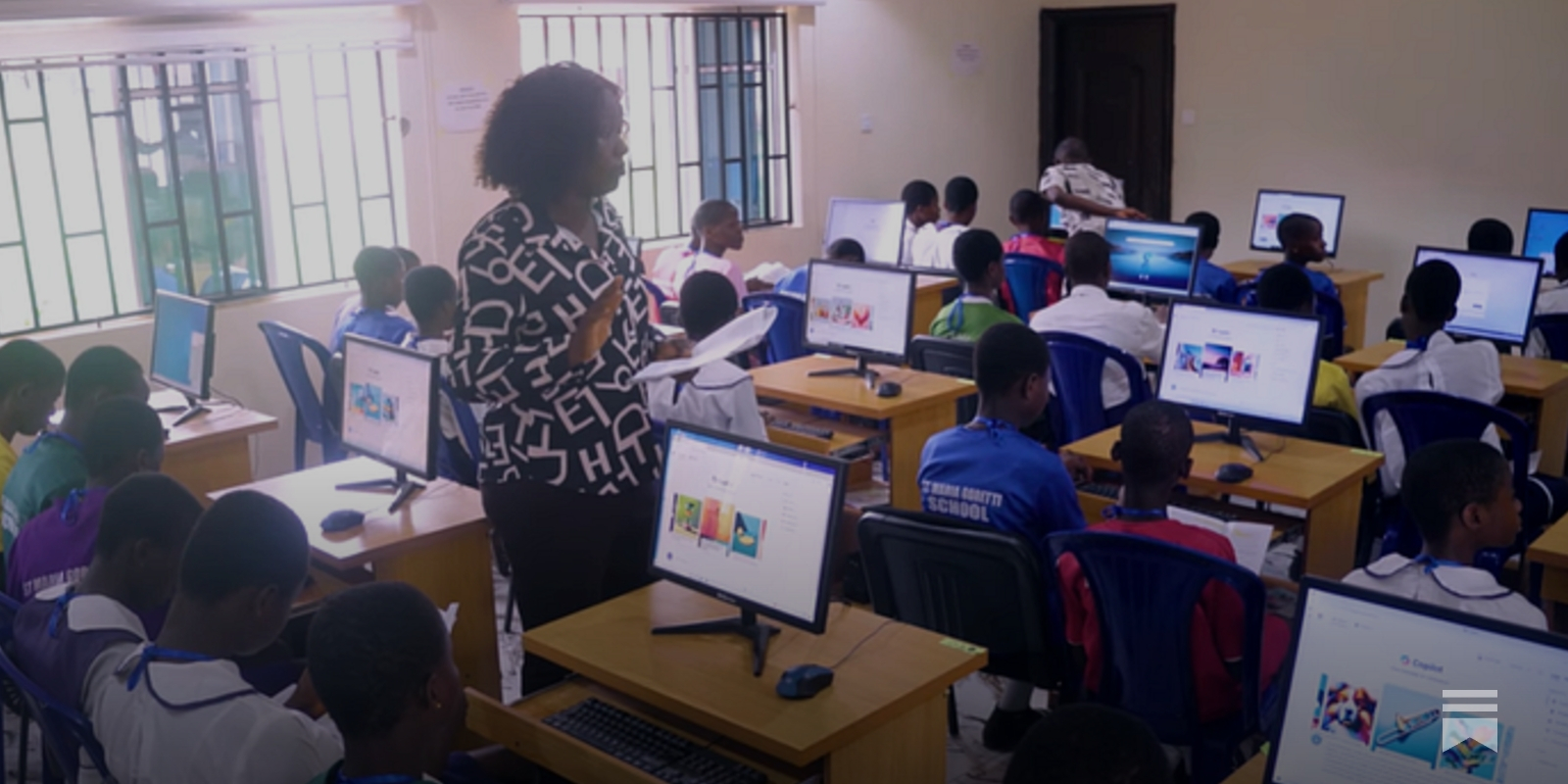
Reporting on that World Bank Nigeria paper
Behind the AI ‘Extinction’ Power Bid: Soaring Costs Could Hit 10% of World GDP
AI firms are invoking unproven extinction warnings to justify restrictions on developments by their smaller rivals whilst seeking greater influence over regulation

I do wish it was better understood by now—especially by folks in the media—that these "warnings" from large AI corporations in fact function as "advertisements" axios.com/2025/04/22/ai-anthropic-virtu…

Exclusive: Anthropic warns fully AI employees are a year away
www.axios.comI do wish it was better understood by now—especially by folks in the media—that these "warnings" from large AI corporations in fact function as "advertisements" axios.com/2025/04/22/ai-anthropic-virtu…
Exclusive: Anthropic warns fully AI employees are a year away
www.axios.com
