

W Social is TruthSocial with a European accent. - We Can Just Do Things
Different politics, identical structure: wealthy insiders, community infrastructure they didn't build, and openness performed just long enough to matter. The establishment always wants its own internet.
The Untold Story About W Social: Unconventional Beginnings, Strategic Pitches and Conflicting Signals
A deep dive into the origin story of W Social, an analysis of the strategic arguments they have been using to appeal to government officials, media companies and advertisers... and the discussion of conflicting signals they have been sending
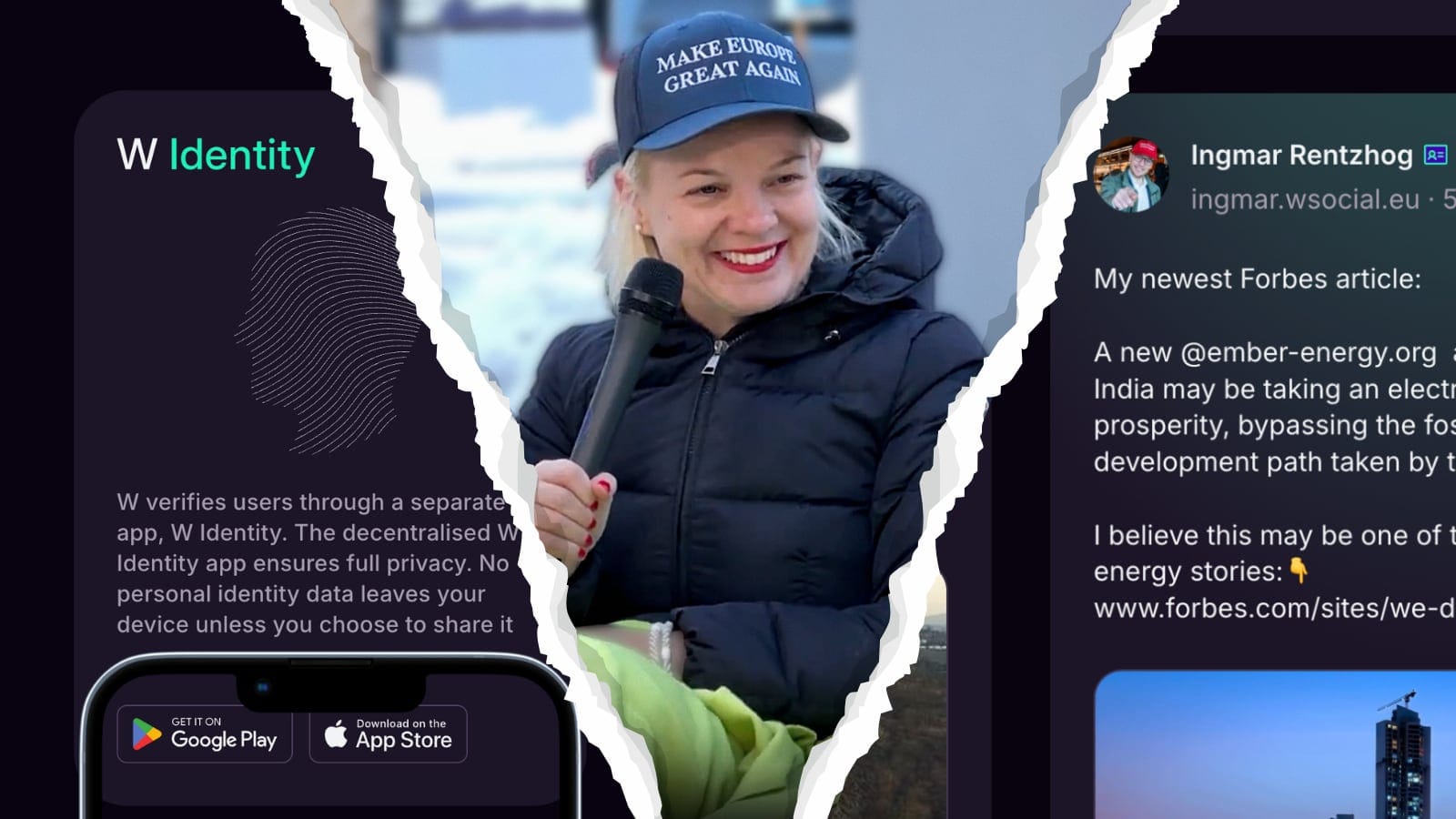
The Untold Story About W Social: Unconventional Beginnings, Strategic Pitches and Conflicting Signals
A deep dive into the origin story of W Social, an analysis of the strategic arguments they have been using to appeal to government officials, media companies and advertisers... and the discussion of conflicting signals they have been sending
Social system
In sociology, a social system is the patterned network of relationships constituting a coherent whole that exist between individuals, groups, and institutions. It is the formal structure of role and status that can form in a small, stable group. An individual may belong to multiple social systems at once; examples of social systems include nuclear family units, communities, cities, nations, college campuses, religions, corporations, and industries. The organization and definition of groups within a social system depend on various shared properties such as location, socioeconomic status, race, religion, societal function, or other distinguishable features.

The Constitution of W – The conversation belongs to humans
Ten articles that guide everything W does: real people, freedom of expression within the law, privacy, independence, and data hosted in Europe.
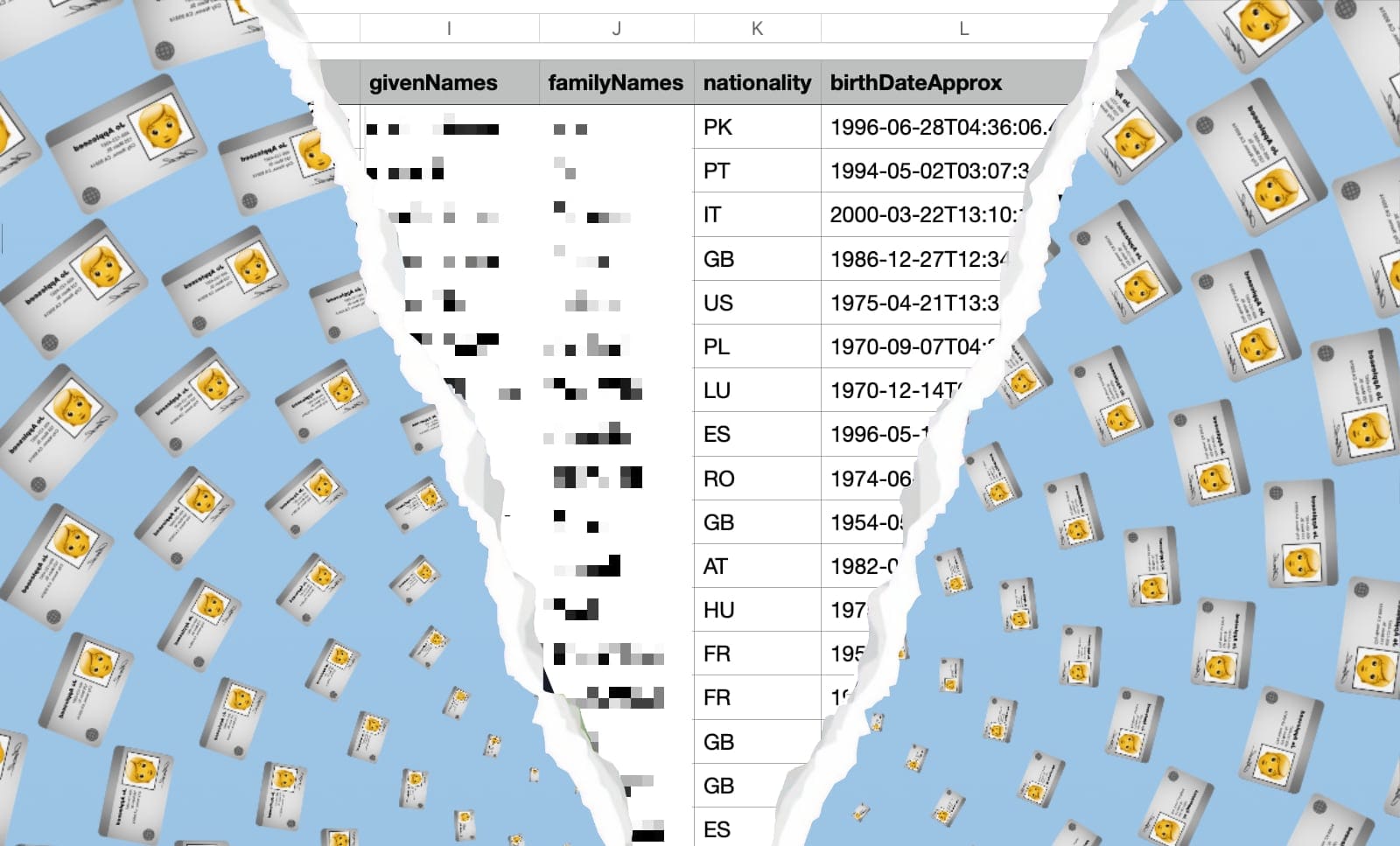
Public by Design: How W Social Makes Their Verified Users’ Personal Details Visible on the Open Web
A blog post explaining how the social network W Social is publishing as a record on the open social web the full names, nationalities and approximate birthdays of their verified users - who may be unaware this information is available for all to see, outside of the social network.
W-Social: What does sovereignty mean for social media? – Open Future
The European Commission’s move to W-Social frames it as a European alternative to X, but its closed-source code and reliance on Bluesky’s infrastructure show that sovereign social media requires open infrastructure—not European ownership alone.
Have you been Wned? | W Don't Have Time | Offprint
W Social may have published personal information such as your full legal name, date of birth, email address, and nationality in their public records. Information which many would expect to be remain private. Use our data privacy tool to check if W Social

After Eurosky: W Social connects social network for Europe to Bluesky technology
Bluesky's AT protocol forms the basis for an increasing number of social services. Now W Social aims to establish a European network for verified users.

Terms of Use - W Identity
1.1. These Terms of Use ("Terms") form a legally binding agreement between you and W Identity AB, Malmgårdsvägen 63, 116 38 Stockholm, Sweden, a company incorporated under the laws of Sweden registered under no. 559576-7061 ("W Identity AB", "we," "us," or "our"). When creating a W Identity account, using the W Identity app, or using any related W Identity services (together, the "Service" or "W Identity"), you agree to be bound by these Terms. If you do not agree with these Terms, you must not use the Service.
How Police Make Up The Law (ft. LegalEagle)
Constructing and enforcing "authentic" identity online: Facebook, real names, and non-normative identities
Despite the participatory and democratic promises of Web 2.0, many marginalized individuals with fluid or non-normative identities continue to struggle to represent themselves online. Facebook users, in particular, are told to use “authentic identities,” an idea reinforced throughout the site’s documentation, “real name” and other policies, and in public statements by company representatives. Facebook’s conception of authenticity and real names, however, has created problems for certain users, as demonstrated by the systematic deactivation of many accounts belonging to transgender and gender variant users, drag queens, Native Americans, abuse survivors, and others. In view of the struggles of marginalized users, Facebook policy appears paradoxical: the site simultaneously demands authenticity yet proscribes certain people from authentic self-presentation. In this work, we examine Facebook’s construction of “authenticity” and show how it excludes multifaceted, fluid, or non-normative identities. Using content analysis and close reading, we analyze site documentation and data from The Zuckerberg Files (an online archive of Facebook founder and CEO Mark Zuckerberg’s public remarks) to understand the platform’s mechanisms for enforcing authenticity. We find that Facebook positions itself as a type of administrative identity registrar, raising vital questions regarding the ethics and consequences of identity enforcement online today.
Constructing and enforcing "authentic" identity online: Facebook, real names, and non-normative identities
Despite the participatory and democratic promises of Web 2.0, many marginalized individuals with fluid or non-normative identities continue to struggle to represent themselves online. Facebook users, in particular, are told to use “authentic identities,” an idea reinforced throughout the site’s documentation, “real name” and other policies, and in public statements by company representatives. Facebook’s conception of authenticity and real names, however, has created problems for certain users, as demonstrated by the systematic deactivation of many accounts belonging to transgender and gender variant users, drag queens, Native Americans, abuse survivors, and others. In view of the struggles of marginalized users, Facebook policy appears paradoxical: the site simultaneously demands authenticity yet proscribes certain people from authentic self-presentation. In this work, we examine Facebook’s construction of “authenticity” and show how it excludes multifaceted, fluid, or non-normative identities. Using content analysis and close reading, we analyze site documentation and data from The Zuckerberg Files (an online archive of Facebook founder and CEO Mark Zuckerberg’s public remarks) to understand the platform’s mechanisms for enforcing authenticity. We find that Facebook positions itself as a type of administrative identity registrar, raising vital questions regarding the ethics and consequences of identity enforcement online today.
W Social published a "constitution" W supports freedom of expression then in the same breath says no pornography wsocial.news/constitution

W - The European social network for verified humans
wsocial.newsW Social and the European Commission

The “Quit W Social” collection was previously covering both problems with W Social itself and the subject of the European Commission’s endorsement of W Social. I’ve decided to separate the latter because I think this is more of the EU’s problem than W Social’s
“European public voices choosing W” —But are they? - aiueo
You know, part of the reason why I’ve been so concerned about the-letter-that-shall-not-be-named is because I was worried about their users…

Warm Welcome to all followers on W 👌 User friendly 🔓 Open source AT Protocol 🔒 Privacy preserving 🧑🤝🧑 Humans only / No bots And…

Eben das EU-Lobbyregister nachgeschlagen. 8 Treffen, letztes vor 4 Wochen. "Date 03 Sep 2026 Location Videoconference Subject W Identity and…

Ok — I've seen enough. #WSocial is the politics of Elon Musk meets the accountability of Mark Zuckerberg.

Elena Rossini on GoToSocial ⁂ (@elena@aseachange.com)

