

OMGGG you can now self-host lichen.wiki in a container !!!! (we also have a nix flake) wikis still live on people's PDSes, your instance sees the same wikis, nothing to migrate! you can put one wiki at the root of your own domain, or several (eg like one per language) guide here on tangled :

SELF-HOSTING.md at main · juprodh.me/lichen.wiki
tangled.orgSep 26, 2026 at 2:20 PM

Karpathy's LLM Knowledge Base Wiki for Enterprise | Vijoy Pandey posted on the topic | LinkedIn
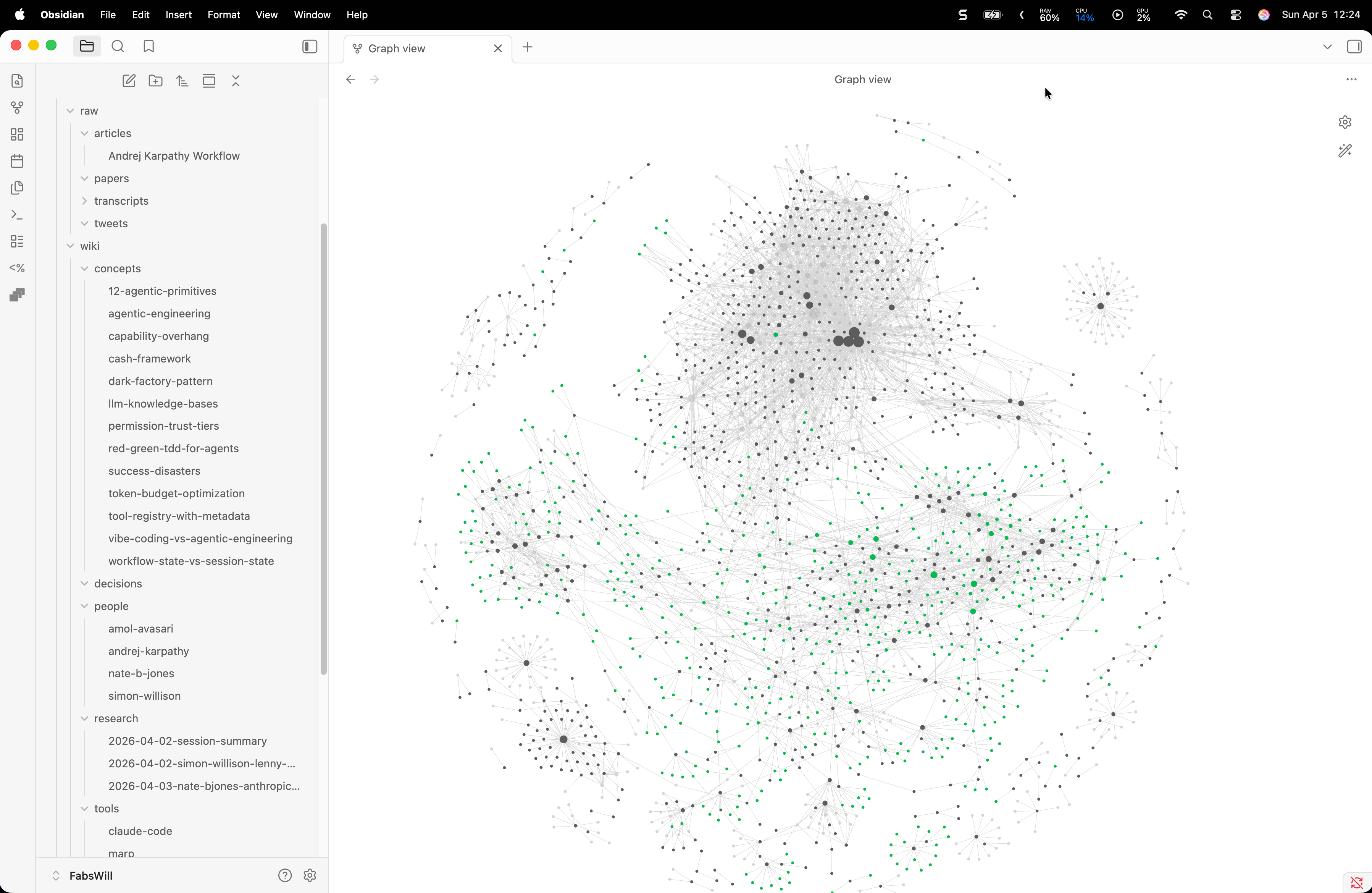
There's a new kind of computer media in the enterprise: Write once, Read never. The docs are perpetually stale, constantly diverging from reality, and scattered across Confluence, SharePoint, GitHub, Webex (or Slack) threads, Notion, Obsidian - and in my personal life, add Apple Notes, Goodnotes, web clippings, and multiple Google Drives worth of docs and slides that nobody is ever going back to. Karpathy tweeted his LLM knowledge base wiki architecture which went viral last weekend and I decided to give it a run yesterday. Verdict: You *have* to try this out. Prediction: You won’t be able to live without it soon. There were a few mods and decisions I made to the base Karpathy provided. First, the vault / folder structure in Obsidian. I already use Obsidian as a human. Instead of creating separate vaults and dealing with the sync nightmare, I just have folders for Human and Agent, and a Raw folder. (1) The Human/ folder is where I write long form articles and notes independent of the knowledge base wiki. No LLM or agent touches this folder. (2) I do have Arnold Layne, my OpenClaw agent, doing background tasks for me. Raw/ is where both Arnold and I, dump raw snippets. Inclusive of diverse kinds of media. (3) The Agent/ folder is where the LLM (Claude in my case) synthesizes the wiki. No human touches this folder. Second, some customizations to CLAUDE.md for enterprise-like usage - (4) Domain extensions - the agent needs to know that quantum computing and agentic AI have different entity types and different provenance thresholds. (5) Primary source protection, when I drop in my own original work, secondary sources can extend it or raise questions against it, but they cannot overwrite it. It sounds like a small thing but its’s not, especially at enterprise scale where provenance actually matters. Karpathy is upfront that what he’s built is working memory for a single agent, and it’s truly remarkable at that. The jump to Shared Context across teams, reconciling conflicting beliefs at org scale, ontologies that don’t collapse under the weight of a hundred contributors - those are much harder problems and what we are exploring with the Internet of Cognition. PS: The screenshot shows my Obsidian vault after just two runs: one with Karpathy’s original tweet and gist file itself (so meta!) and one with our Internet of Cognition paper. Claude (Sonnet) read it, compiled it into structured summaries, entity pages, concept pages, backlinks, merged all the information cohesively, and keeps it all maintained from there. You just read the Wiki. It’s simply magical.

There’s a new “Google Jail” for independent wikis
Big week! We just finished moving the Overwatch and Fortnite wikis off of Fandom. It’s still my favorite thing in the world to help wiki editors grab control of their projects and make them awesome (and not covered with a dozen auto-playing video ads!)

I Built a Knowledge Base That Writes Itself. Here Is What Andrej Karpathy Got Right.
Andrej Karpathy posted about using LLMs to build personal knowledge bases. I took his workflow, wired it into my Obsidian vault with Claude Code, and within an hour had 21 cross-linked wiki articles compiled from YouTube transcripts. Here is how it works and why it matters.
Yuchen Jin on Twitter / X
Karpathy’s “LLM Wiki” pattern: stop using LLMs as search engines over your docs. Use them as tireless knowledge engineers who compile, cross-reference, and maintain a living wiki. Humans curate and think.Diagram generated by my Claude agent knowledge worker. https://t.co/5u5i1GeFK8 pic.twitter.com/NIaq3KlAok— Yuchen Jin (@Yuchenj_UW) April 4, 2026
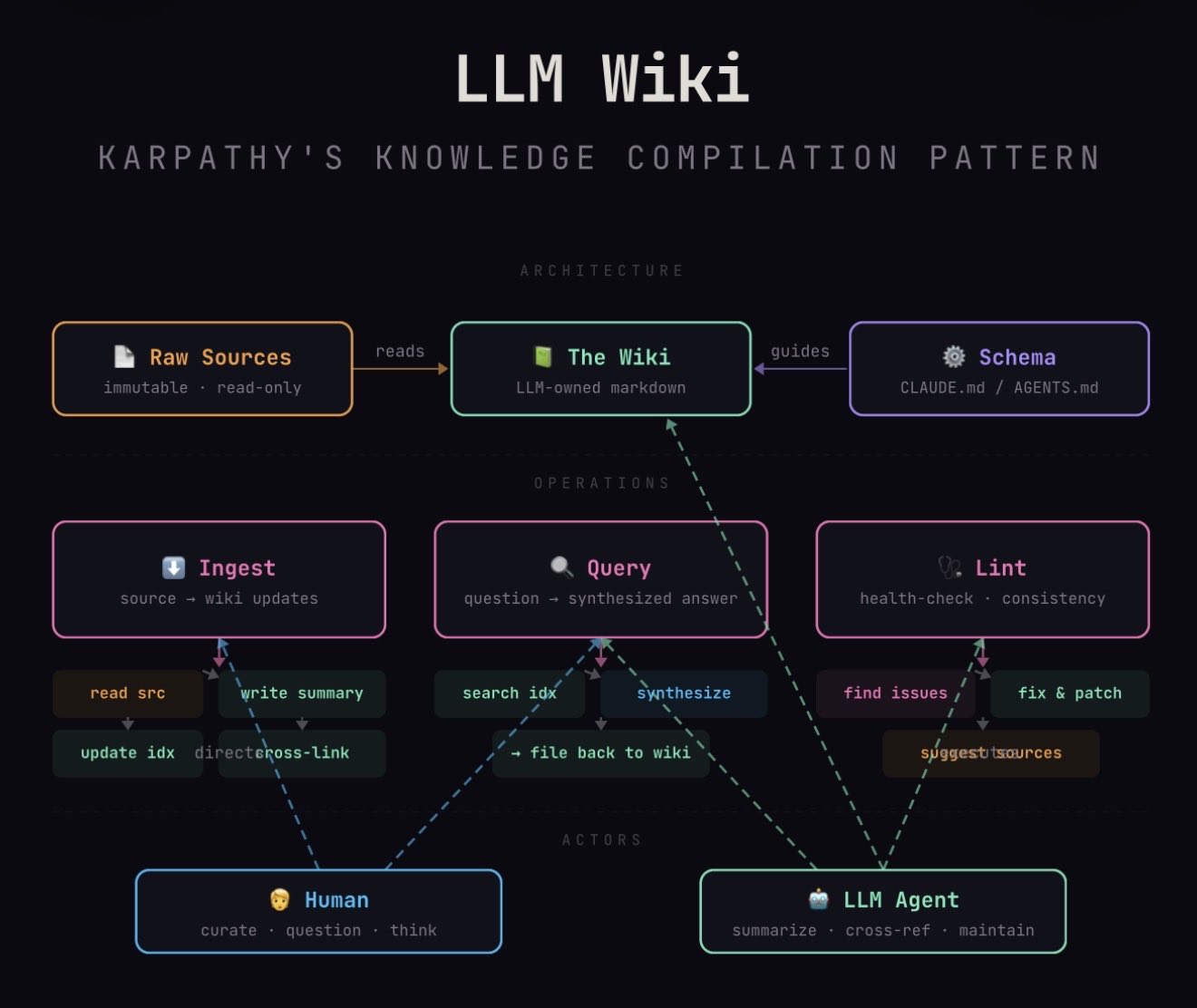
How To Build LLM Wiki In Obsidian? 🧠 A Memory Layer For Any Agentic AI
excited to share lichen.page, a cms for static site generators, built on atproto there are also a number of other strange things about it. I would describe it as a sort of software as research, but you can also use it, and curious what people make of it
Today is the official launch of lichen.wiki in the @atmosphere.community !! It’s an open source collaborative website built on @atproto.com, the decentralized protocol behind Bluesky You can create wikis, add markdown notes, and link them together with internal links!
Lichen
lichen.wikiToday is the official launch of lichen.wiki in the @atmosphere.community !! It’s an open source collaborative website built on @atproto.com, the decentralized protocol behind Bluesky You can create wikis, add markdown notes, and link them together with internal links!
Lichen
lichen.wikiNew features on lichen.wiki !! v0.4.1 - new dark mode!! - improving load performance As wiki owner, you can now choose a custom theme for your wiki independent of the app (currently only light or dark lichen palette, but more themes are coming) More to come!! tangled.org/juprodh.me/lichen.wiki/
Discovered an open source alternative to DeepWiki recently, made by @sashimikun-void.bsky.social & friends. I believe that app archetype is an outstanding use case for ‘version-control everything, so your AI-agent can’t break anything or make a mess’. Chime in here: github.com/AsyncFuncAI/deepwiki-open/iss…

CRDT storage (universal version-control) · Issue #181 · AsyncFuncAI/deepwiki-open
github.comWiki

Wiki software
robot.wtf — Memory for agents in a wiki for humans
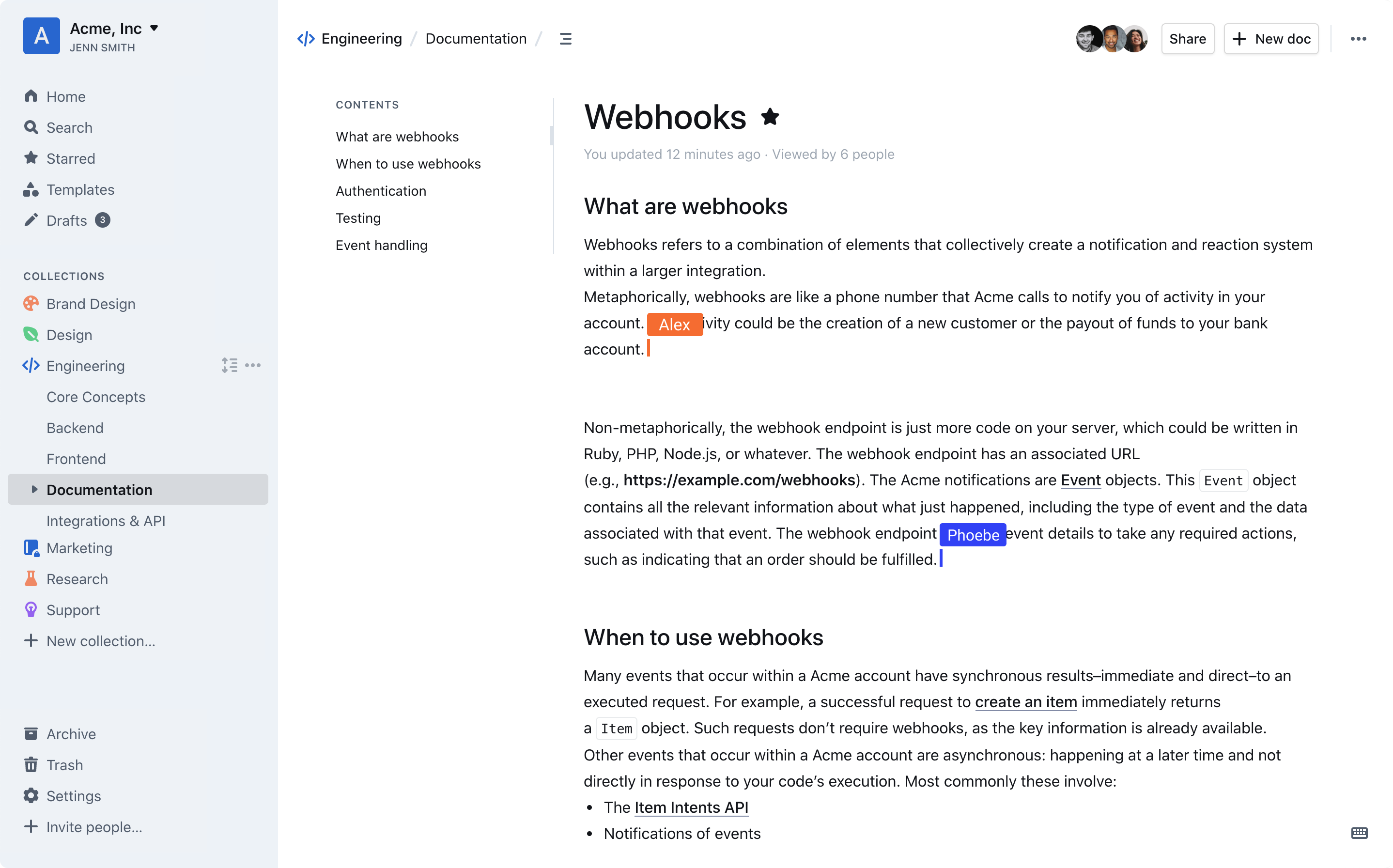
Outline – Team knowledge base & wiki
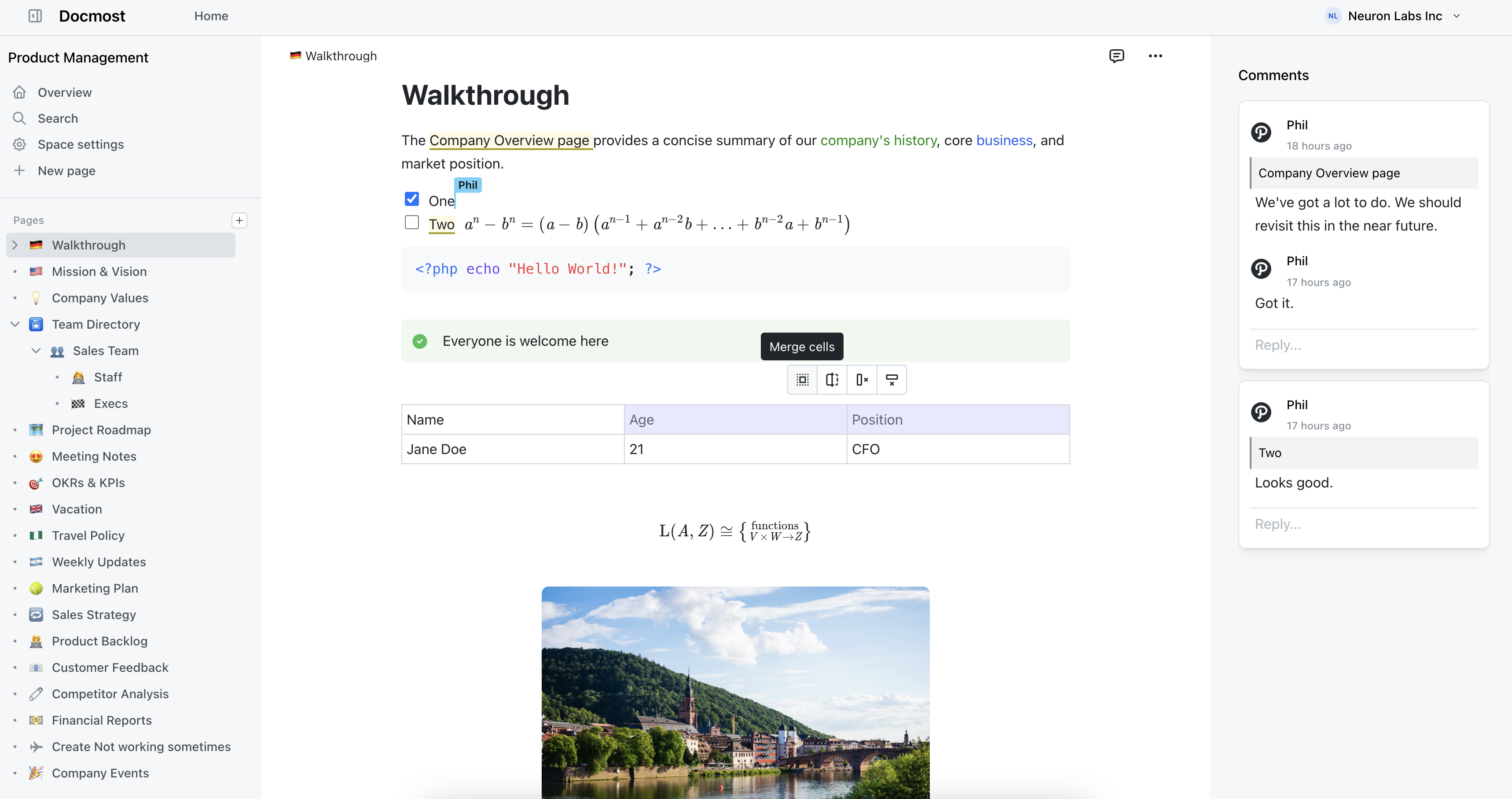
Enterprise-ready Wiki for Teams | Docmost
Lichen
Cardigan Bay Wiki :: AboutThisWiki
interstar/cardigan-bay


