


Professor of Mental Health & Data Science at Leiden University. Studying mental health problems as systems (http://eiko-fried.com). Building an early warning system for depression (http://WARN-D.com).
Blood tests for mental health problems | Eiko Fried
A new paper was published yesterday on a blood test for schizophrenia, by the same research team that in 2021 published a paper on a blood test for depression . The papers and...

New paradigm for psychology just dropped
OR: the ideas your mother warned you about

Ten Steps Towards Happiness - Hintjens.com
Biography | Portfolio | GitHub Books | Videos | Slides | Stories | Wiki Contact
the depression thing
the depression thing: a neat story about depression and mental health. By Zach Holman.

Computational Psychiatry Needs Systems Neuroscience
This piece was originally published in The Transmitter. I am adapting it here with some additional context for readers of this newsletter.

A Stanford researcher is pioneering a dramatic shift in how we treat depression — and you can try her new tool right now
Woebot is a free therapy chatbot created by a clinical psychologist at Stanford University. It launched as a stand-alone app in January.
Stormlight Labs
Building open-source tools for mental well-being, productivity, and education. - Stormlight Labs

Mitchell Hashimoto (@mitchellh)
I strongly believe there are entire companies right now under heavy AI psychosis and its impossible to have rational conversations about it with them. I can't name any specific people because they include personal friends I deeply respect, but I worry about how this plays out. I lived through the great MTBF vs MTTR (mean-time-between-failure vs. mean-time-to-recovery) reckoning of infrastructure during the transition to cloud and cloud automation. All those arguments are rearing their ugly heads again but now its... the whole software development industry (maybe the whole world, really). It's frightening, because the psychosis folks operate under an almost absolute "MTTR is all you need" mentality: "its fine to ship bugs because the agents will fix them so quickly and at a scale humans can't do!" We learned in infrastructure that MTTR is great but you can't yeet resilient systems entirely. The main issue is I don't even know how to bring this up to people I know personally, because bringing this topic up leads to immediately dismissals like "no no, it has full test coverage" or "bug reports are going down" or something, which just don't paint the whole picture. We already learned this lesson once in infrastructure: you can automate yourself into a very resilient catastrophe machine. Systems can appear healthy by local metrics while globally becoming incomprehensible. Bug reports can go down while latent risk explodes. Test coverage can rise while semantic understanding falls. Changes happens so fast that nobody notices the underlying architecture decaying. I worry.
The Highly Sensitive Person
The Highly Sensitive Person: Books, Information, Self-tests, Events and Research
Has anyone looked at this paper more closely? I've seen many of my bachelor students refer to it when it comes to depressive disorders. Authors find worldwide depression rates doubled from 1990 to 2020, which seems like a lot. pubmed.ncbi.nlm.nih.gov/40313474/

Trends in Prevalent Cases and Disability-Adjusted Life-Years of Depressive Disorders Worldwide: Findings From the Global Burden of Disease Study From 1990 to 2021 - PubMed
pubmed.ncbi.nlm.nih.govI’ll be at #IC2S2 this week! I will be presenting two papers from my lab, led by my amazing students @laylab.bsky.social & @elhamagk.bsky.social. If you’re interested in narratives,mental health, stigma, or NLP, let’s connect! Looking forward to catching up with old friends, and meeting new people.
A thing I really like about this @eliothiggins.bsky.social @drnataliemartin.bsky.social framework is that instead of looking only at surface information disorder they're like THE PROBLEM IS COMING FROM INSIDE THE STATE demos.co.uk/research/verification-deliber…

Verification, Deliberation, Accountability: A new framework for tackling epistemic collapse and renewing democracy
demos.co.ukMental health

Depression

Dysthymia
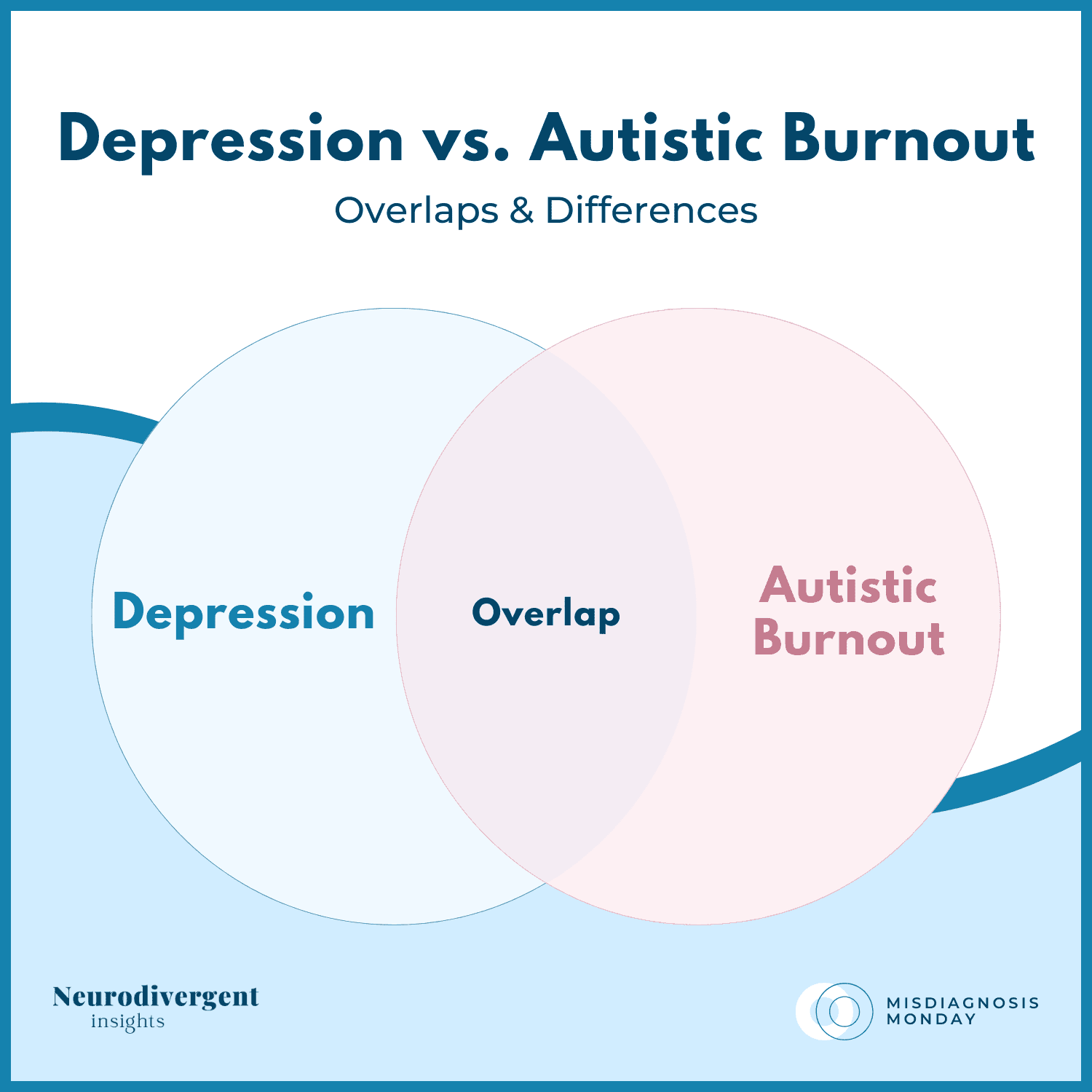
Autistic Burnout vs. Depression | Neurodivergent Insights

Defining autistic burnout through experts by lived experience: Grounded Delphi method investigating #AutisticBurnout - Julianne M Higgins, Samuel RC Arnold, Janelle Weise, Elizabeth Pellicano, Julian N Trollor, 2021
What Is Autistic Burnout? A Thematic Analysis of Posts on Two Online Platforms - Jane Mantzalas, Amanda L. Richdale, Achini Adikari, Jennifer Lowe, Cheryl Dissanayake, 2022
“Having All of Your Internal Resources Exhausted Beyond Measure and Being Left with No Clean-Up Crew”: Defining Autistic Burnout - Dora M. Raymaker, Alan R. Teo, Nicole A. Steckler, Brandy Lentz, Mirah Scharer, Austin Delos Santos, Steven K. Kapp, Morrigan Hunter, Andee Joyce, Christina Nicolaidis, 2020
“Shutdowns Are Like You’re Stuck on the Blue Screen of Death”: A Metaphor Analysis of Autistic Shutdowns - Katie Paris, Alexandru “Zeph” Lodestone, Melissa Houser, Laura Foran Lewis, 2025
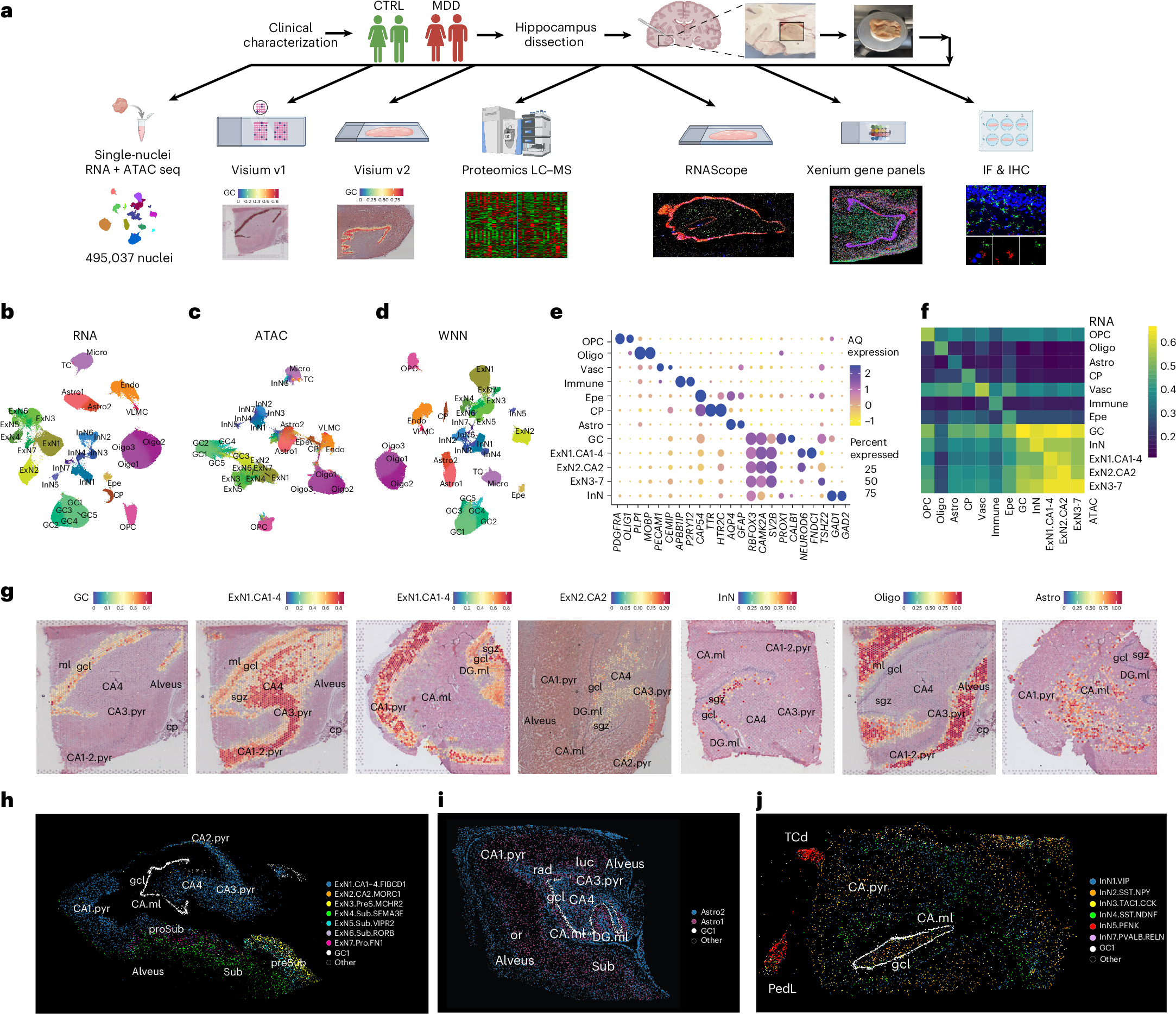
Dysregulated adult hippocampal neurogenesis in major depressive disorder

うつ病患者の脳では、新しい神経細胞の生成が“停滞”していた:研究結果
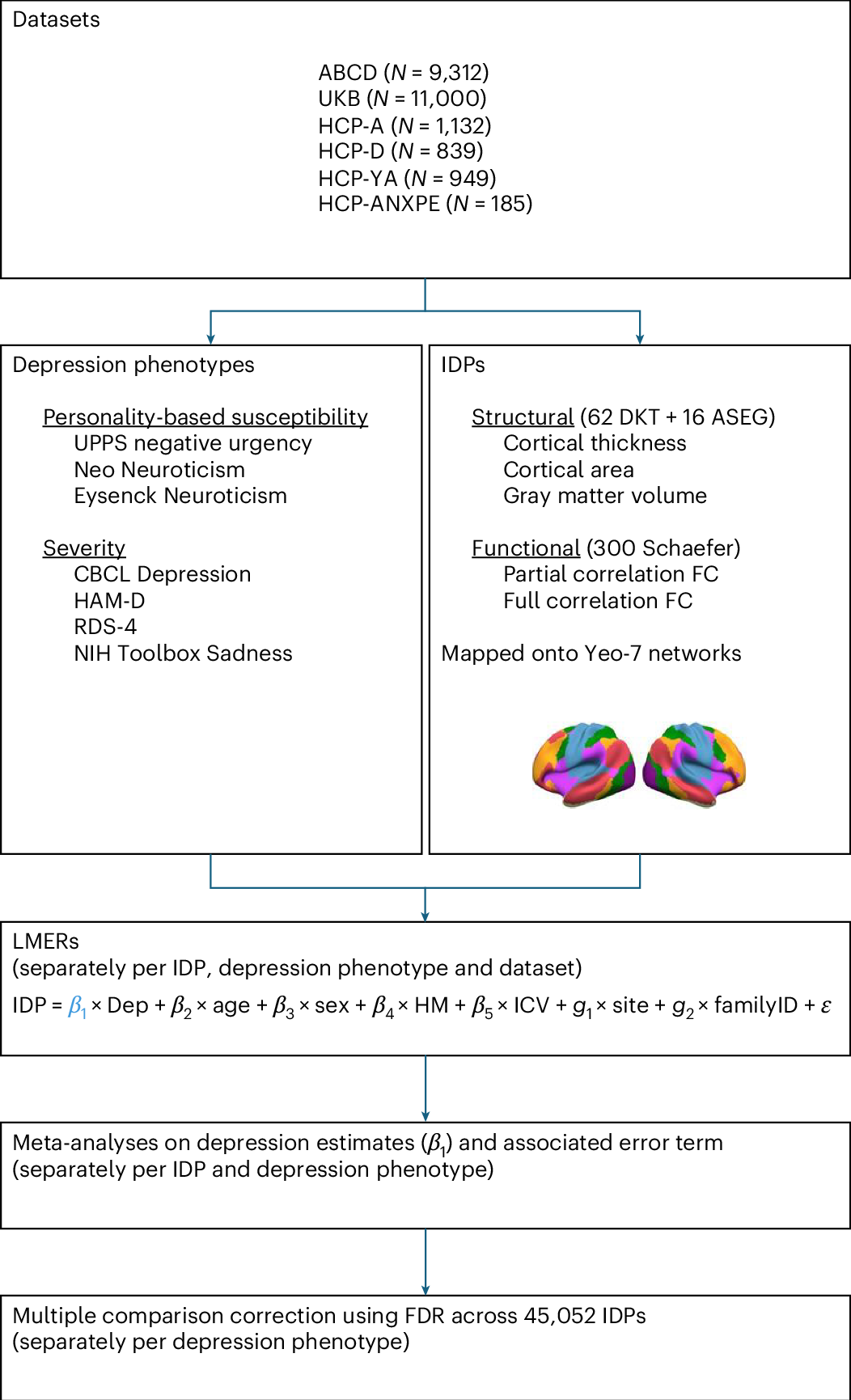
The neuroimaging correlates of depression established across six large-scale population datasets

Depression doesn't shrink the brain like we thought it did | New Scientist


