

Setting aside all the absurdity of thinking we need to have scientific papers with risks of hallucination, I'm flabbergasted this was taken as sufficiently novel to warrant publication in Nature. It's just sort of stitching things together with MCP...

Ran Blekhman
This is the future of scientific papers. Instead of a PDF, the paper is an AI agent that you can talk to, ask questions, run analyses. No more digging through supplements - just ask the paper directly: "what p-value cutoff was used in Fig 3B? Re-run at 0.01." nature.com/articles/s41586-026-11044-y
Sep 18, 2026 at 3:21 PM
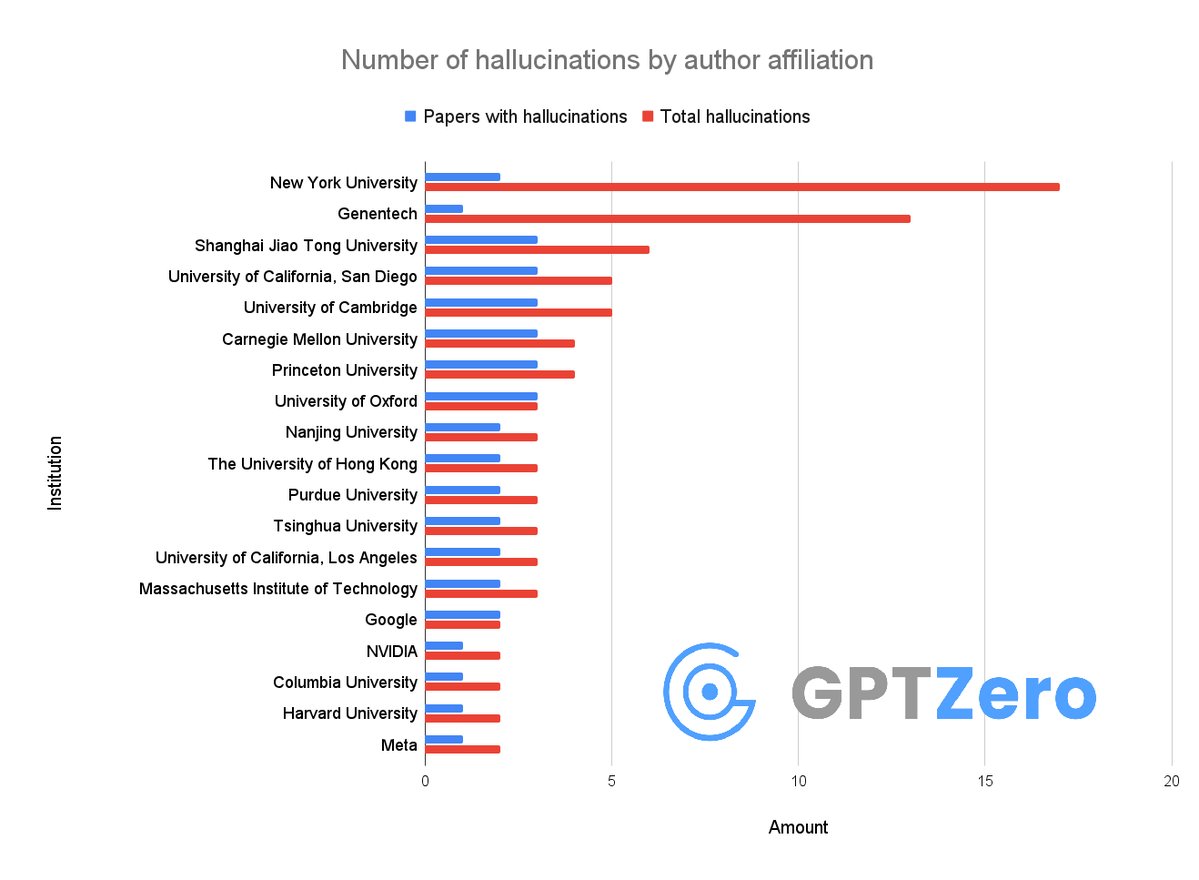
Okay so, we just found that over 50 papers published at @Neurips 2025 have AI hallucinations by @alexcdot(Alex Cui) | Twitter Thread Reader
Okay so, we just found that over 50 papers published at @Neurips 2025 have AI hallucinations I don't think people realize how bad the slop is right now It's not just that researchers from @GoogleDeepMind, @Meta, @MIT, @Cambridge_Uni are using AI - they allowed LLMs to generate hallucinations in their papers and didn't notice at all. It's insane that these made it through peer review👇
Are Scientific Papers Bad?
Fraudulent citations, blamed on AI hallucinations, are becoming more common in research papers
“Fabricated” citations that do not reference real academic papers are spreading in the literature, polluting the public record of science, a new study found

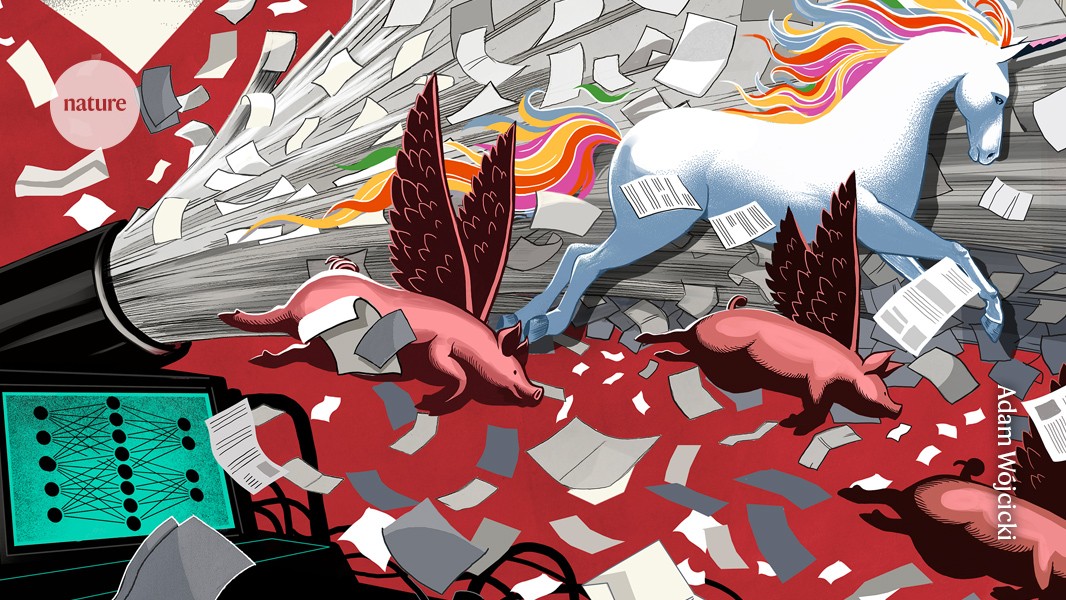
Hallucinated citations are polluting the scientific literature. What can be done?
Tens of thousands of publications from 2025 might include invalid references generated by AI, a Nature analysis suggests.
Hallucinated citations are polluting the scientific literature. What can be done?
Tens of thousands of publications from 2025 might include invalid references generated by AI, a Nature analysis suggests.
Hallucinated citations are polluting the scientific literature. What can be done?
Tens of thousands of publications from 2025 might include invalid references generated by AI, a Nature analysis suggests.
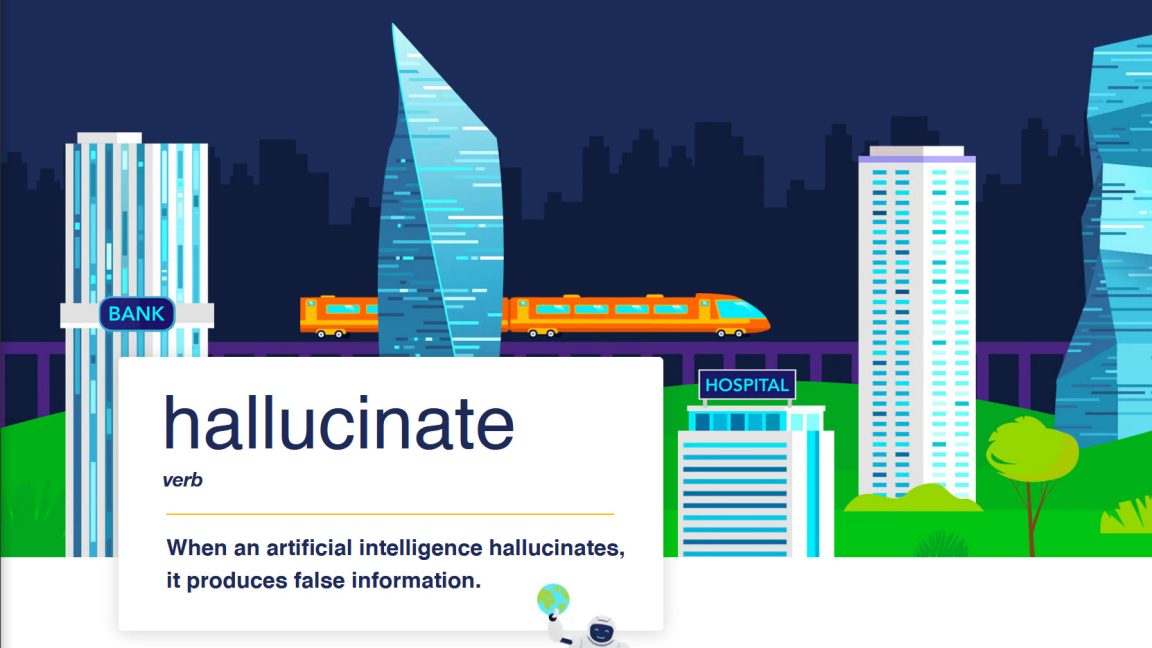
“Hallucinating” AI models help coin Cambridge Dictionary’s word of the year
Cambridge: "When an artificial intelligence hallucinates, it produces false information."
Hallucination by proxy in LLM-assisted differential diagnosis
Current evidence suggests that LLM assistance could augment the diagnostic accuracy of clinicians. However, these systems are black boxes, susceptible to hallucinations, and project a potentially...

Hallucination by proxy in LLM-assisted differential diagnosis
Current evidence suggests that LLM assistance could augment the diagnostic accuracy of clinicians. However, these systems are black boxes, susceptible to hallucinations, and project a potentially...
What are AI hallucinations? Why AIs sometimes make things up
When AI systems try to bridge gaps in their training data, the results can be wildly off the mark: fabrications and non sequiturs researchers call hallucinations.
I am disappointed by the fact that so many seem tempted to share a "nonrigorous", unserious attempt at quantifying fraud in science because it passes some silly vibe check ("I asked others and they agree"). So in the name of good science, we're ready to produce bad science as a rhetorical tool.
I missed a lot of #metascience discourse in hospital, and am mostly sad I didn't get a chance to wade in on the absurdity of this being a paper in Nature in 2026; ignoring a decade of commentary from statisticians on OSC 2015 paper. nature.com/articles/s41586-025-10078-y

Investigating the replicability of the social and behavioural sciences - Nature
www.nature.com


