Reflections on trusting trust
To what extent should one trust a statement that a program is free of Trojan horses? Perhaps it is more important to trust the people who wrote the software.

How a Poisoned Security Scanner Became the Key to Backdooring LiteLLM | Snyk
On March 24, 2026, threat actor known as TeamPCP published backdoored versions of the litellm Python package after stealing PyPI credentials via a compromised Trivy GitHub Action in LiteLLM's CI/CD pipeline. Here's what happened, how the three-stage malware works, and how to check if you're affected.

Snowflake Cortex AI Escapes Sandbox and Executes Malware
PromptArmor report on a prompt injection attack chain in Snowflake's Cortex Agent, now fixed. The attack started when a Cortex user asked the agent to review a GitHub repository that …
Hacker, Hack Thyself
We’ve read so many sad stories about communities that were fatally compromised or destroyed due to security exploits. We took that lesson to heart when we founded the Discourse project; we endeavor to build open source software that is secure and safe for communities by default, even if there

Glassworm Returns: Invisible Unicode Malware Found in 150+ GitHub Repositories
The Glassworm supply chain attack is back. Researchers uncovered malware hidden in invisible Unicode characters across 150+ GitHub repositories, plus npm packages and VS Code extensions.

Nicholas Carlini - Black-hat LLMs | [un]prompted 2026
Joanna Rutkowska (@rootkovska) on X
Distrusts computers. Keeps embracing them anyway. Previously: Golem Foundation/Wildland, Qubes OS, hardware/virtualization/OS security research.

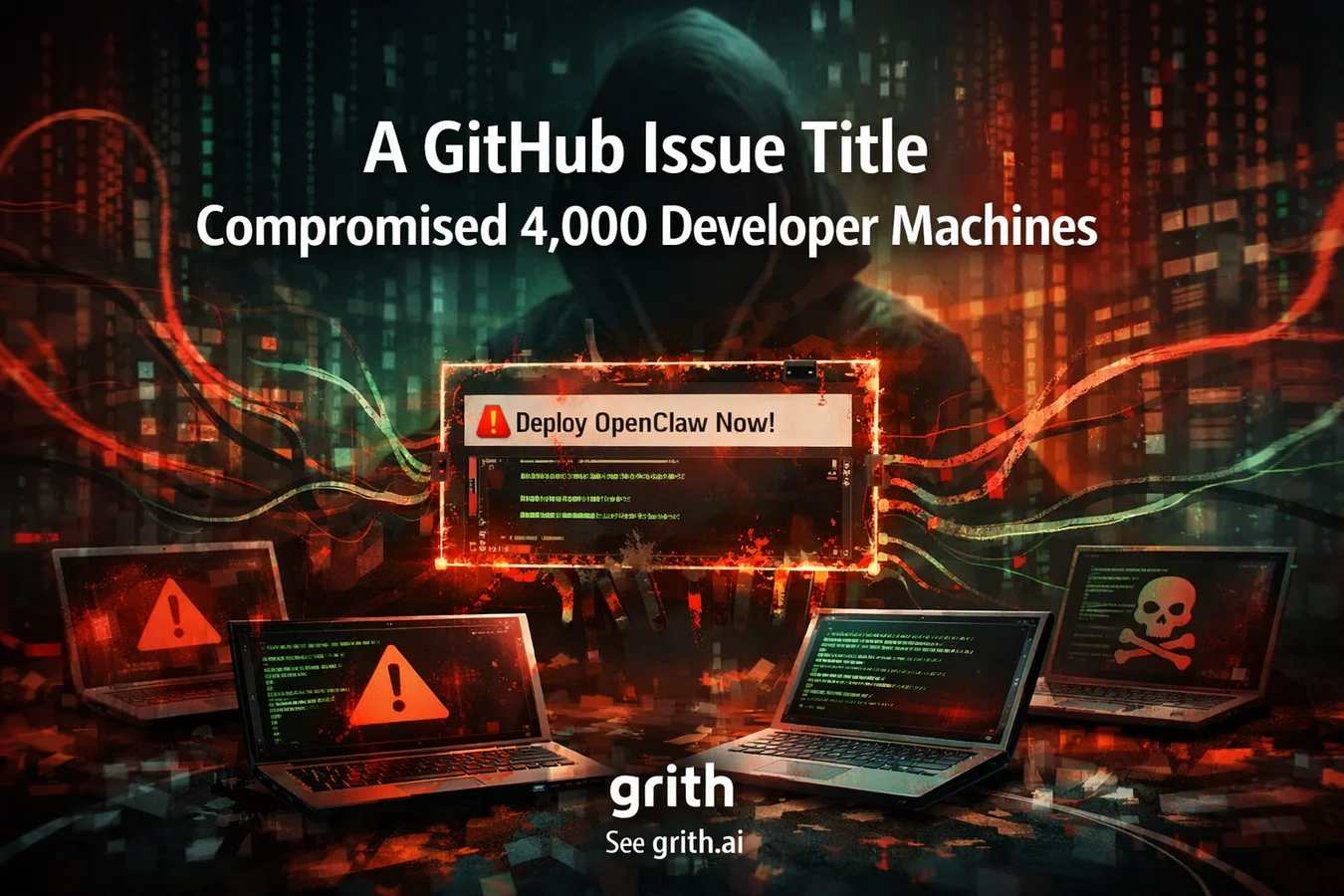
A GitHub Issue Title Compromised 4,000 Developer Machines
A prompt injection in a GitHub issue triggered a chain reaction that ended with 4,000 developers getting OpenClaw installed without consent. The attack composes well-understood vulnerabilities into something new: one AI tool bootstrapping another.
Never-before-seen Linux malware is “far more advanced than typical”
VoidLink includes an unusually broad and advanced array of capabilities.

Can You Trust Your Computer? - GNU Project - Free Software Foundation
Who should your computer take its orders from? Most people think their computers should obey them, not obey someone else. With a plan they call “trusted computing,” large media corporations (including the movie companies and record companies), together with computer companies such as Microsoft and Intel, are planning to make your computer obey them instead of you. (Microsoft's version of this scheme is called Palladium.) Proprietary programs have included malicious features before, but this plan would make it universal.
What I Found Interesting in Claude Code's Source
A breakdown of the most interesting engineering patterns in Claude Code's leaked source code: composable system prompts, runtime instruction injection, context compression, forking, prompt caching architecture, and more.
Pwning Agentic AI Part I: Your AI Agent Is Already Compromised | TrendAI (US)
Organizations are rapidly connecting AI agents to their databases, document pipelines, and internal tools, creating privileged components that read untrusted input as part of their job. TrendAI™ Research examines how attackers turn these agents against you through return-to-tool (RTT) exploits, and what this means for the future of agentic AI security.

Code Worth Writing - Ray Myers | SSW 2026
Microsoft Struggling With Hundreds of AI-Discovered Security Bugs — ProPublica
Anthropic’s Mythos has flagged bugs faster than Microsoft can fix them. Documents reviewed by ProPublica reveal the tech giant's “mad dash” behind the scenes to patch holes before hackers can find and exploit them.

When compilers surprise you — Matt Godbolt’s blog
Sometimes compilers can surprise and delight even a jaded old engineer like me
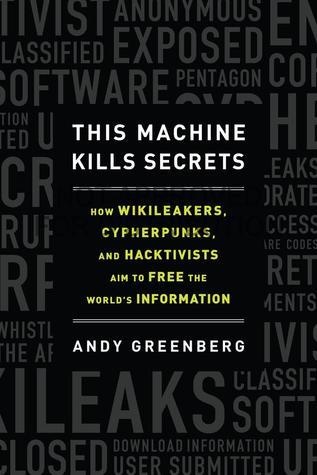
This machine kills secrets: how WikiLeakers, cypherpunks and hacktivists aim to free the world's information
The barbarians aren't at the gates. They're inside. Thi…