


The past few years have seen various attempts within computing, programming and hacker communities to apply ‘degrowth’ principles to their work – i.e. sketching out ways to de-couple digital techno…
Digital Degrowth: Radically Rethinking our Digital Futures
We are fast approaching the point of “peak digital”, with the continued mass production and excessive consumption of digital technologies set to become a key driver of climate crisis, ecological breakdown and ongoing societal instability.<br /> <br /><i>Digital Degrowth</i> is a call to completely rethink our digital futures in these fast-changing times. It explores how degrowth thinking and alternate forms of “radically sustainable computing” might support ambitions of sustainable, scaled-down and equitable ways of living with digital technologies. Neil Selwyn proposes a rebalancing of digital technology use: digital degrowth is not a call for simply making reduced use of the digital technologies that we already have – rather it is an argument to reimagine digital practices that maximise societal benefits with minimal environmental and social impact. Drawing on illustrative examples from across computer science, hacker and environmental activist communities, this book examines how core degrowth principles of conviviality, autonomy and care are already being used to reimagine alternate forms of digital technology.<br /> <br />Original and stimulating, this is essential reading for students and scholars of media and communication, sustainability studies, political ecology, computer/data sciences, and across the social sciences.

The Matrix of Convivial Technology – Assessing technologies for degrowth
This article introduces the notion of convivial technology as a conceptual framework for technologies suitable for degrowth societies. This paper is i…
100% Utilization
Since the end of the Second World War, we have come to expect continual growth in computing power and the rapid development of digital technology. This dynam...
Hackers: Heroes of the Computer Revolution
A mere fifteen years ago, computer nerds were seen as m…

Emergence: the connected lives of ants, brains, cities and software
In the tradition of Being Digital and The Tipping Point…

Weathering Software Winter
Liberatory Computing
We live under a capitalist mode of computing. The tools, languages, techniques, and assumptions of digital systems are structured by economic forces that shape not just what we can do, but what we can imagine doing. By separating production from use, producing inflexible software, and slicing up computing into siloed apps, your agency is held back by a tech industry that profits from a population rendered computationally passive.
Liberatory Computing
We live under a capitalist mode of computing. The tools, languages, techniques, and assumptions of digital systems are structured by economic forces that shape not just what we can do, but what we can imagine doing. By separating production from use, producing inflexible software, and slicing up computing into siloed apps, your agency is held back by a tech industry that profits from a population rendered computationally passive.
Join the darkshapes Discord Server!
Artists, raison d'être: Can we re-think tech that works for people, & not just corporations? Can we improve the world our children inherit? Deliberate, discuss, develop. This is DARKSHAPES. We build
Defining the Dimensions of the “Space” of Computing
The first computing machines were so large they filled entire rooms. Today they are ubiquitous, built invisibly into our environments. While it's tempting to view this change within a predetermined space of progress, we can still shape the future on our own terms.

A small matter of programming: perspectives on end user computing
A Small Matter of Programming asks why it has been so d…

Telepath: building a new kind of computer
So, we made a thing: Let’s back up: for as long as I can remember, I’ve been obsessed with computers, fascinated not just by what they can do but what they could become. Like many, I took my early inspiration from science fiction. I dreamed of someday having something like the Enterprise’s computer. And why not? Science fiction has always driven scientists, engineers, and inventors to create real things that change the world.
SF Compute: Commoditizing Compute to solve the GPU Bubble forever
Selling GPUs to avoid bankruptcy, empowering researchers with short term clusters, and why CoreWeave is maybe a real estate business

Post-app computing

Imagining computing beyond siloed, rigid apps
The future of programming and computing

Trends and adjacent possibles for the future of how computers are used and programmed
Liberatory Computing
A community seeking to catalyze discontent with the state of computing by understanding the roles of production, labor, and power in shaping the foundations of digital systems. libcomp.org

Nobody Wants Your Damn App

Golems, smart objects, and the file metaphor
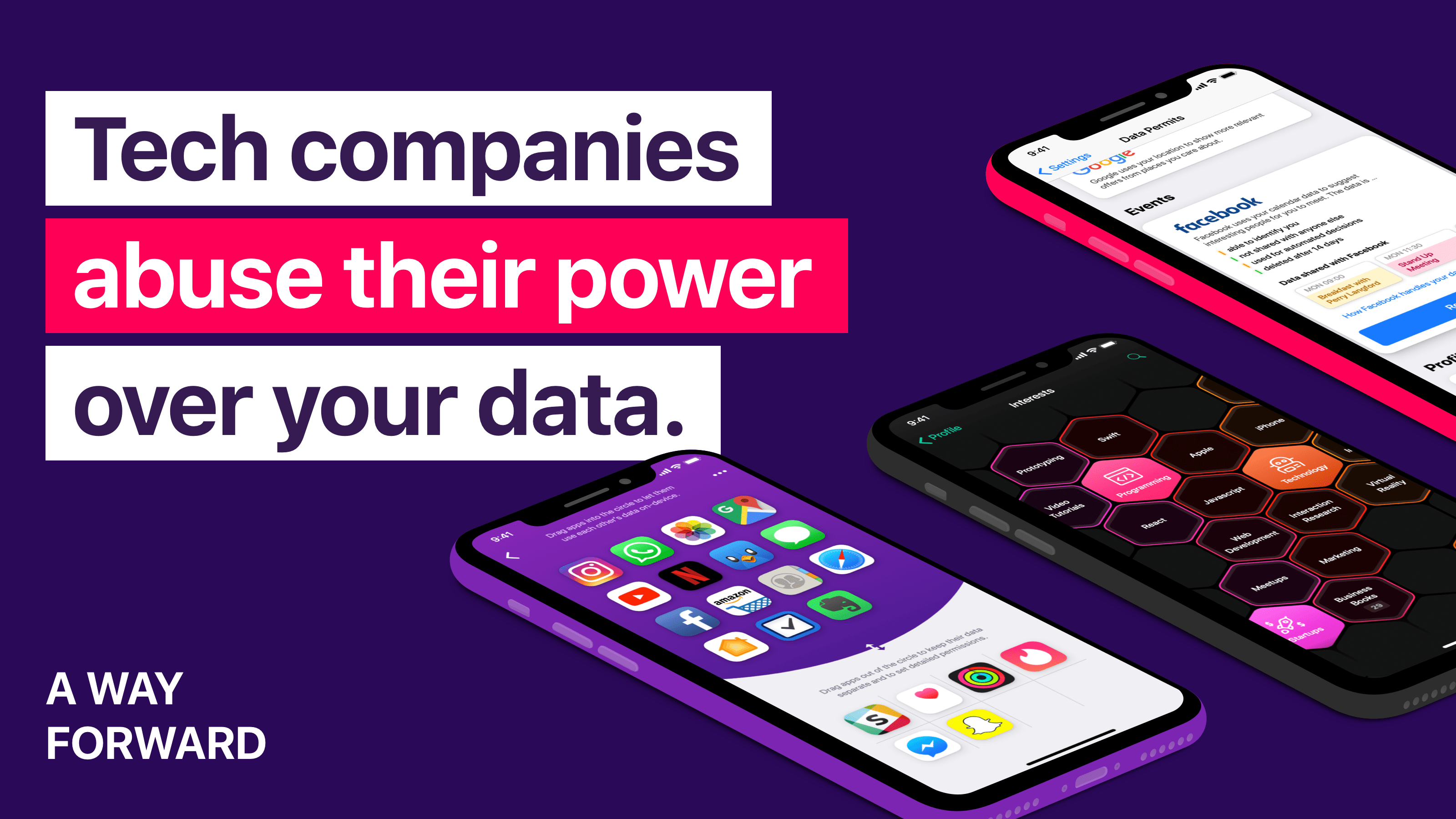
Rethinking how technology uses our personal data
User-tailorable systems: pressing the issues with buttons
everest-pipkin.com
Wesley Finck (@wesleyfinck.org)

Rewildpunk: The Counterculture AI Actually Needs
Phil Agre's Home Page

It was a huge honor to present the opening keynote address at #SIGIR2026 and to talk about the need for IR to resist uncritical adoption of…
We Refuse, We Want, We Commit: Volume 1

Informatics of the Oppressed
On The Enshittification of Audre Lorde: "The Master's Tools" in Tech Discourse
Introducing System One Models and Jev - TypeSafe AI Blog

Message from our CEO: After co-inventing ChatGPT, I kept asking myself: why have superhuman chat models not led to AGI? I’ve spent the last…
On-device intelligence for every product
SaaS Isn’t Dead. Sameness Is. - The Phoenix Architecture
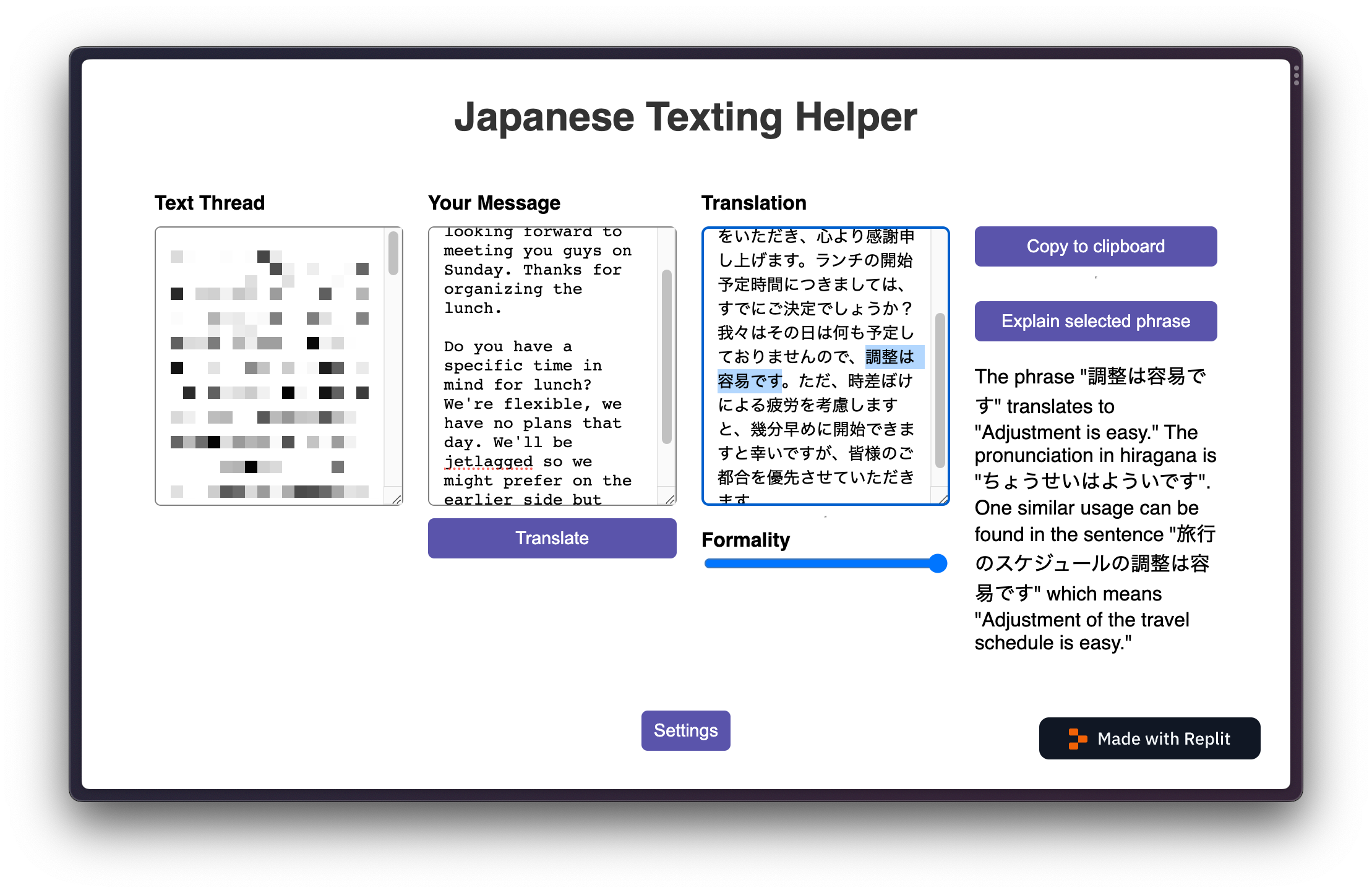
Codifying a ChatGPT workflow into a malleable GUI

MercuryOS