


We live in a dynamic economic and commerical world, surrounded by objects of remarkable complexity and power. In many industries, changes in products and t
Laws of Tech: Commoditize Your Complement
A classic pattern in technology economics, identified by Joel Spolsky, is layers of the stack attempting to become monopolies while turning other layers into perfectly-competitive markets which are commoditized, in order to harvest most of the consumer surplus; discussion and examples.

Towards Modular Open Science
Science is trapped in a paper-shaped box. In this talk at the ATProto community, Rowan Cockett introduces the structural states of scientific components — the floor, the buckets, and the shelf — and makes the case for a second wave of modular science where modularity emerges from packaging rather than being imposed as a precondition. The talk introduces the Open Exchange Architecture (OXA), a new standard for modular and composable scientific content.
Feature / Product / Business: A Framework for Sustainable ATProto Projects | ATmosphereConf VODs
The ATProto community built a ton of great features and products over the past year! For our next trick, let's mature them into products and businesses. In this talk, you'll get a practical framework for understanding whether what you're building should be a feature, product, or business, plus concrete funding models at each layer to keep your work going and growing. (More in this thread: https://bsky.app/profile/mosh.bsky.social/post/3mckiat2ne22q)

Modal Collective
We do development, design, organizing, policy campaigning, and more to make computing more useful, secure, and resilient. Our work is centered around software infrastructure projects such as GNOME, postmarketOS, p2panda, systemd, and the Linux kernel.

Design choices: Mechanism design and platform capitalism
Mechanism design is a form of optimization developed in economic theory. It casts economists as institutional engineers, choosing an outcome and then arranging a set of market rules and conditions to achieve it. The toolkit from mechanism design is widely used in economics, policymaking, and now in building and managing online environments. Mechanism design has become one of the most pervasive yet inconspicuous influences on the digital mediation of social life. Its optimizing schemes structure online advertising markets and other multi-sided platform businesses. Whatever normative rationales mechanism design might draw on in its economic origins, as its influence has grown and its applications have become more computational, we suggest those justifications for using mechanism design to orchestrate and optimize human interaction are losing traction. In this article, we ask what ideological work mechanism design is doing in economics, computer science, and its applications to the governance of digital platforms. Observing mechanism design in action in algorithmic environments, we argue it has become a tool for producing information domination, distributing social costs in ways that benefit designers, and controlling and coordinating participants in multi-sided platforms.

Routledge International Handbook of Complexity Economics | Ping Chen,
The Routledge International Handbook of Complexity Economics covers the historical developments and early concerns of complexity theorists and brings them into

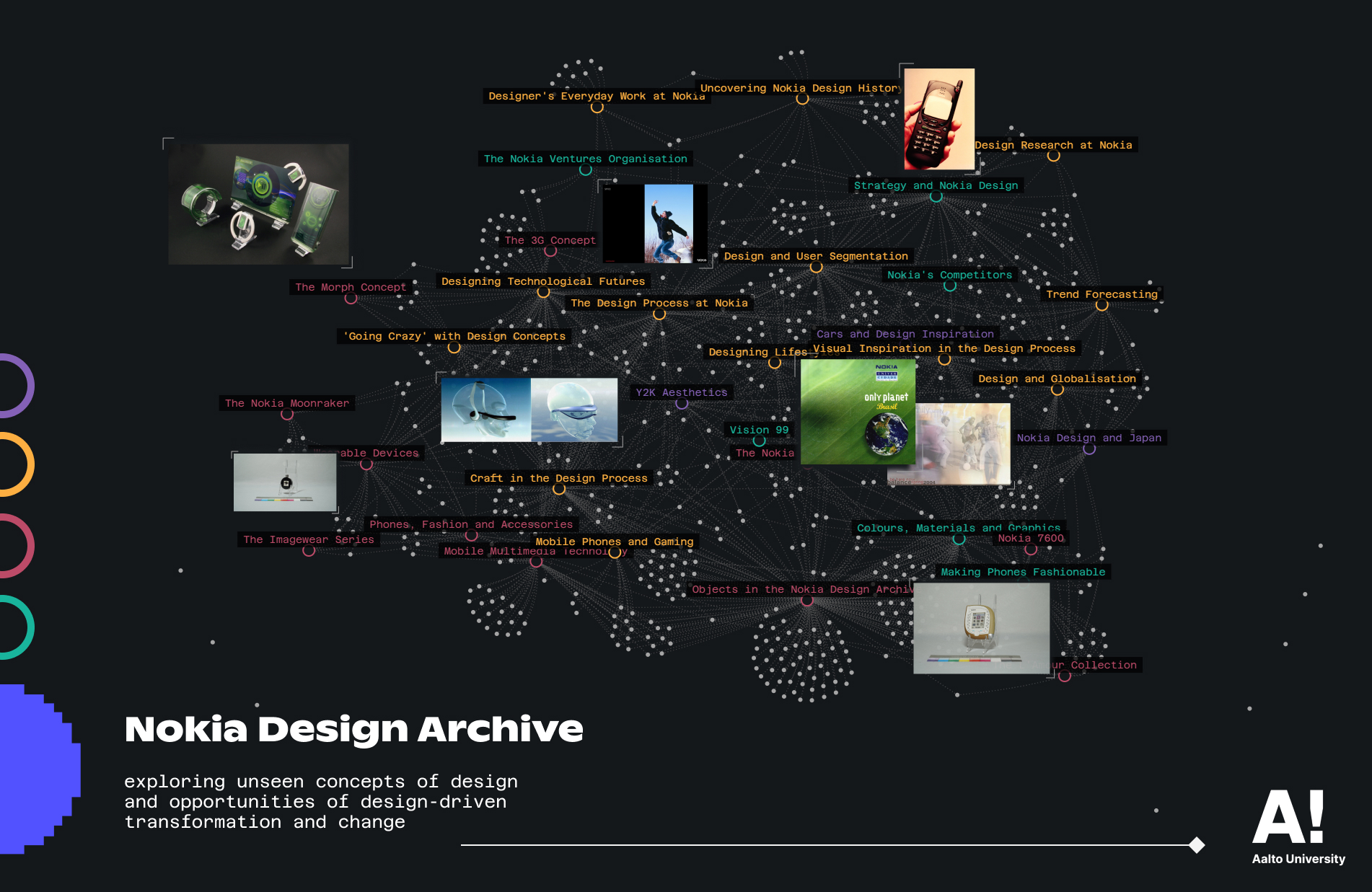
Nokia Design Archive
Exploring unseen concepts of design and opportunities of design-driven transformation and change
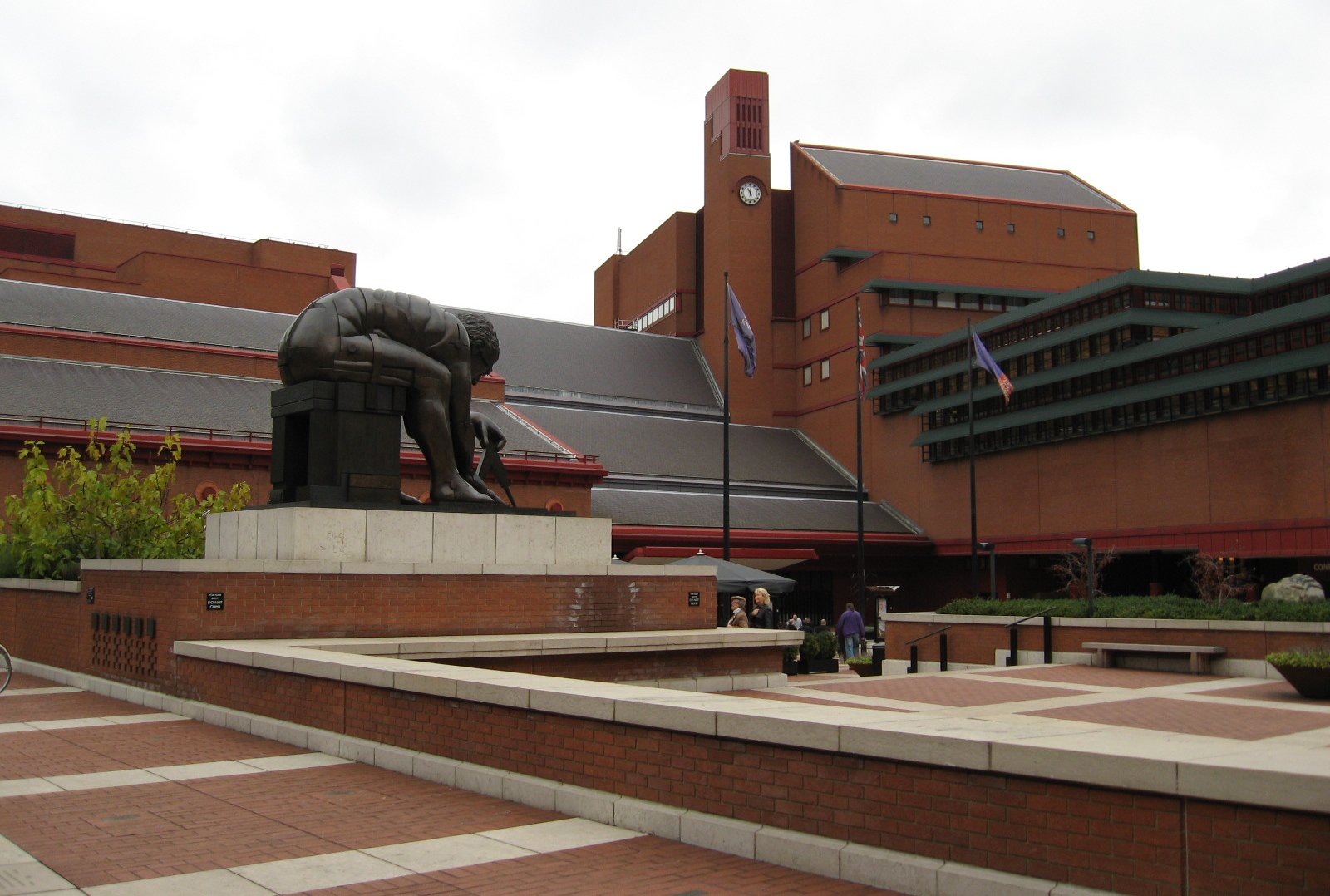
Conway's Law | Laws of Software Engineering
Organizations design systems that mirror their own communication structure.

Procedural Tokens — encoding design decisions
Most design tokens hold a value. The interesting ones hold a rule. A live walk from static refs to procedural tokens.
Technology is Society Made Durable
Is it possible to devise a set of concepts that could replace the technology/society divide? This set of new concepts - association and substitution - might help to rephrase some of the traditional questions of social order and especially that of the durability of domination of power. However, instead of using different tools to analyse power and weakness, it is argued that power and domination are simply different values of variables that should be studied in their whole range. By reconstructing networks it is argued that a full description of power and domination may be obtained.
Modular research

Why Modular Research

Content relating to how modular research addresses issues in traditional science
Semble Product Inspiration
Products we take design, functionality or organizational inspiration from for semble
Modular research
Is the scientific paper still a fraud?

I have a friend who replicates every study he wants to follow up on before starting his follow up, just to make sure he's not chasing phanto…

Przemek Chojecki | PC on Twitter / X
Przemek Chojecki | PC on Twitter / X
OSF
The new way we’ll do science

Elicit: AI for scientific research

Alerts | Elicit: Al for scientific research

Embed Bsky

Skysquare — Public conversation, anchored to the web

alphaXiv
Hark, a link blog! - Boris Mann Tech Blog
The new way we’ll do science
Zotero - InPeeR Ethi-quette (by Jay Patel) — Semble

Science: A New Golden Age
Plan S

San Francisco Declaration on Research Assessment
Leiden Manifesto for Research Metrics
The new way we’ll do science
Why we’re expanding the openRxiv Labs Curvenote Reader experiment
Curvenote Reader brings a better reading experience to half a million openRxiv preprints

Launching openRxiv Labs - openRxiv
Universal Scientific Protocols, Inc.

The Micro-Paper: Towards cheaper, citable research ideas and conversations
