

This study investigates the correlations between theories of intense emotional experiences and production techniques used in the electronic dance music (EDM) sections “build-up” and “drop”, which are designed to build tension and create a heightened emotional intensity among clubbers. This is done by descriptive and interpretive music analysis, where spectrograms and a schematic model visually represent the dominant production techniques. Through a theoretical framework consisting of musical expectancy and gravity, the analysis suggests that i) extensive use of uplifters, ii) the “drum roll effect”, iii) large frequency changes, iv) removal and reintroduction of bass and bass drum and v) a contrasting “breakdown” cause tension and anticipation, which seems to correlate with a possible intensification of emotional experience. This is furthermore discussed and more broadly related to the club experience seen as a whole, drawing on the psychological concepts Peak experience, Strong experiences with music (SEM) and Absorption.
The Ascendance of Bay Area Dance Music
The contemporary sound of Bay Area dance music is high-energy, omnivorous, and life-affirming.
What is Music? Music Generates Feelings That Are Only Weakly Bound To The Music
Here I use the word "bound" in the same sense as "bind" in the "binding problem".
The Impact of Listening to Music on Cognitive Performance
Listening to music for relaxation is common among students to counter the effects of stress or anxiety while completing difficult academic tasks. Some studies supporting this technique have shown that background music promotes cognitive performance...

Art of Noise
A multi-sensory exploration of how design has changed the way we’ve experienced music over the past 100 years.

teoria : Music Theory Web
Web site dedicated to the study of Music Theory. Articles, reference, interactive exercises.
Stimming and Emotional Regulation:
The Essential Role of Rhythmic Self-Modulation

Take a look inside Richie Hawtin's DJ setup | One of a Kind | Native Instruments
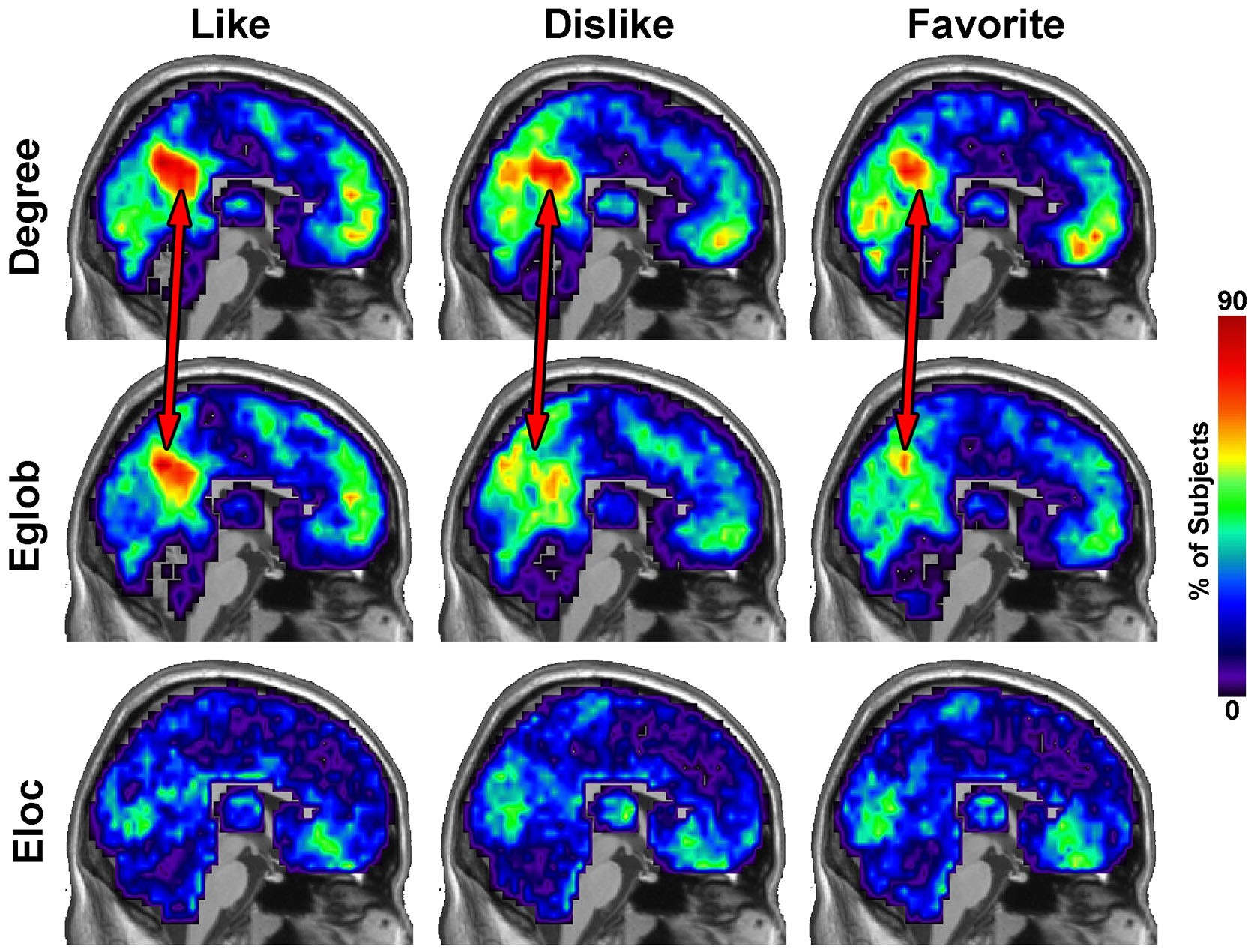
Network Science and the Effects of Music Preference on Functional Brain Connectivity: From Beethoven to Eminem
Most people choose to listen to music that they prefer or ‘like’ such as classical, country or rock. Previous research has focused on how different characteristics of music (i.e., classical versus country) affect the brain. Yet, when listening to preferred music—regardless of the type—people report they often experience personal thoughts and memories. To date, understanding how this occurs in the brain has remained elusive. Using network science methods, we evaluated differences in functional brain connectivity when individuals listened to complete songs. We show that a circuit important for internally-focused thoughts, known as the default mode network, was most connected when listening to preferred music. We also show that listening to a favorite song alters the connectivity between auditory brain areas and the hippocampus, a region responsible for memory and social emotion consolidation. Given that musical preferences are uniquely individualized phenomena and that music can vary in acoustic complexity and the presence or absence of lyrics, the consistency of our results was unexpected. These findings may explain why comparable emotional and mental states can be experienced by people listening to music that differs as widely as Beethoven and Eminem. The neurobiological and neurorehabilitation implications of these results are discussed.
A B O U T - E X P E R I M A N C E
Experimentelle Musik, Klangkunst & Performance in Saarbrücken Experimental Music, Sound Art & Performance in Saarbrücken [Experi]ence: das Hörerlebnis als akustische Erfahrung // the listening experience as an acoustic experience Experi[m]ental: das Unkonventionelle und Fremdwirkende // the unconventional and foreign Perform[ance]: die vergängliche künstlerische Darbietung – the ephemeral artistic performance Seit 2016 bietet die Veranstaltung Experimance ... Read moreA B O U T
Why Your Brain Needs More Downtime
Research on naps, meditation, nature walks and the habits of exceptional artists and athletes reveals how mental breaks increase productivity, replenish attention, solidify memories and encourage creativity

DJs
Diana Ratsamee is a Lao-American musician, producer, and DJ based out of Seattle, Washington. Her passions lie in connecting people through storytelling, sound, and movement. She’s played at events and festivals throughout the Seattle underground dance scene and led experience design and programming for the Seattle Chinatown International Block Party and festivals throughout Washington. Diana grew up between the CID and south Seattle. Her musical inspiration comes from her father, a Lao refugee who fled his home country of Laos to Seattle with dreams of becoming a musician. Navigating this new life in America, her father found refuge in music by playing in both an American and Lao rock band. Diana grew up watching her father take the stage in concert halls and small venues in the Lao community. This inspired her to explore the music and sounds that brought joy and unity to her community. Her musical loves range from everything between disco to psychedelic Southeast Asian rock, city pop to traditional morlum music. Her musical diversity mirrors her dedication to celebrating unity and inclusivity through music.
Getting Started Making Music | Notion
There are four elements of formula you need to make music.

How the brain perceives rhythm
MIT neuroscientists have found that people are biased toward hearing and producing rhythms composed of simple integer ratios. This holds true for musicians and non-musicians living in the United States, as well as members of a Bolivian tribe who have little exposure to Western music.

Music has Meaning
The social platform for discovering music, collecting tracks, and supporting artists directly. Only verified artists post.
Beat (acoustics)
In acoustics, a beat is an interference pattern between two sounds of slightly different frequencies, perceived as a periodic variation in volume, the rate of which is the difference of the two frequencies.

AI & Music - developments & perspectives

Perspectives, developments, & news re: AI & music

Owners of Elvis Presley’s Music Sue Anthropic for Copyright Infringement

YouTube Music adds new labels for AI music
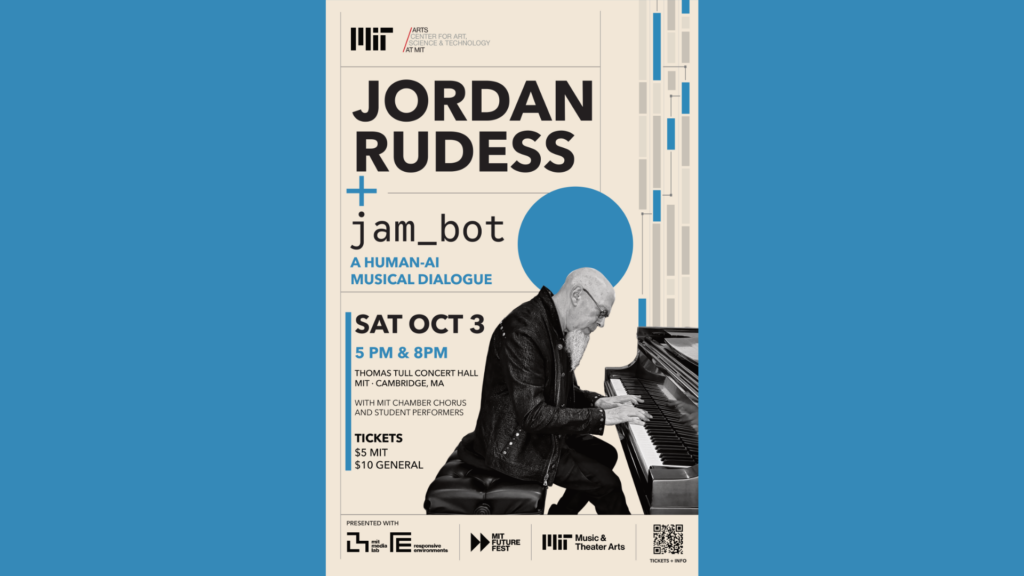
Jordan Rudess + jam_bot at MIT October 3

Jordan Rudess and MIT’s jam_bot: A New Era of Human-AI Musical Collaboration
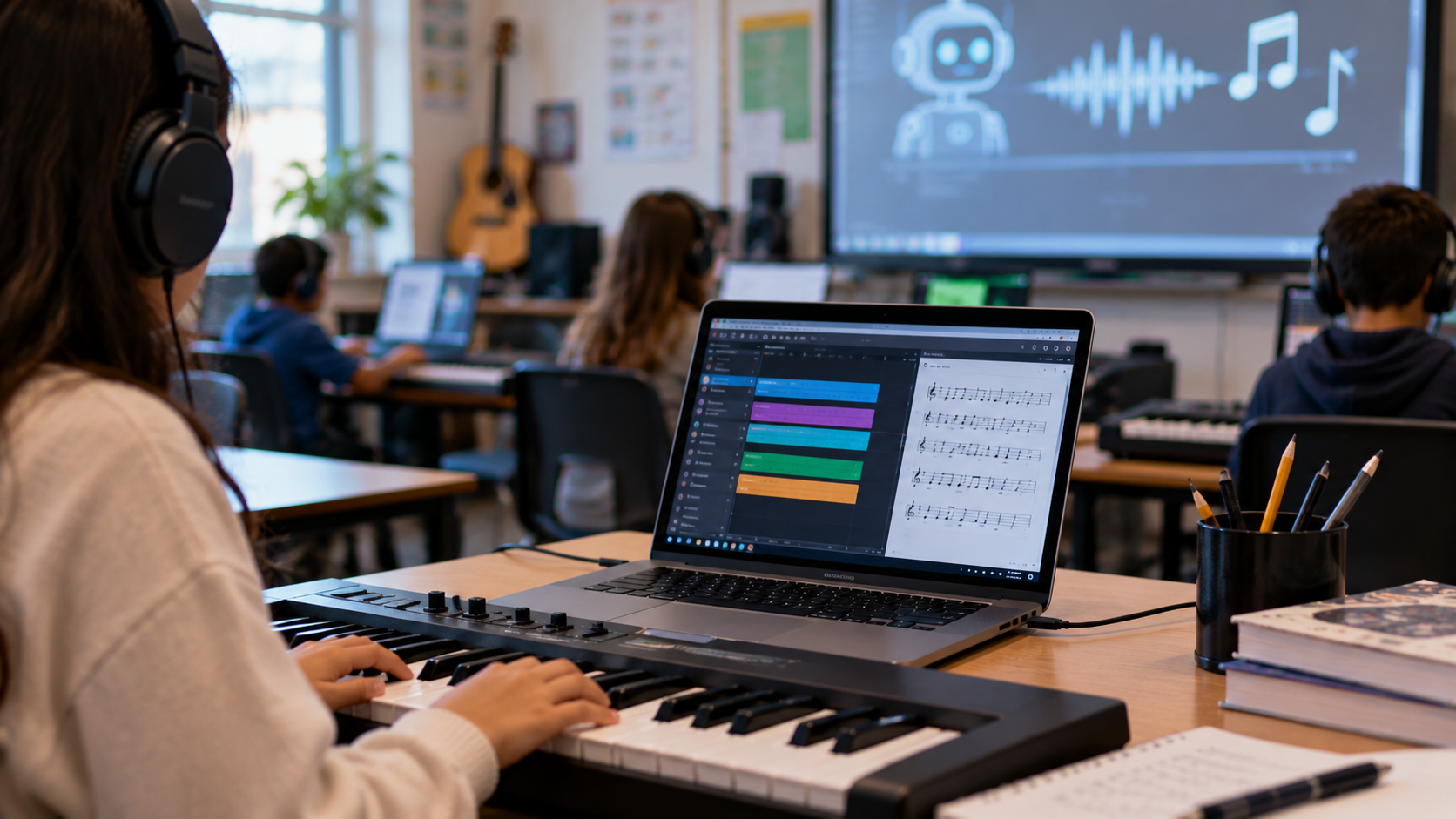
Artificial Intelligence in Music Classrooms: PK-12 Educators’ Practices, Concerns, and Confidence

“It frustrates me to hear people bashing something that's so amazing”: Todd Edwards is optimistic about AI in music production