

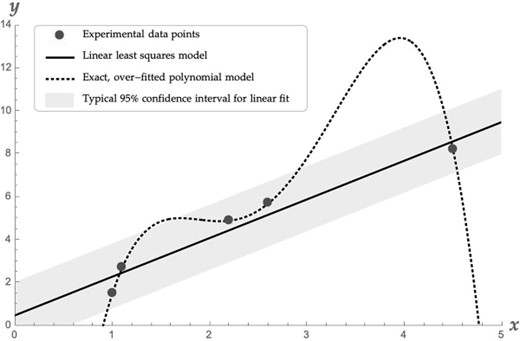
Abstract. As code is now an inextricable part of science it should be supported by competent Software Engineering, analogously to statistical claims being
Code Worth Writing - Ray Myers | SSW 2026
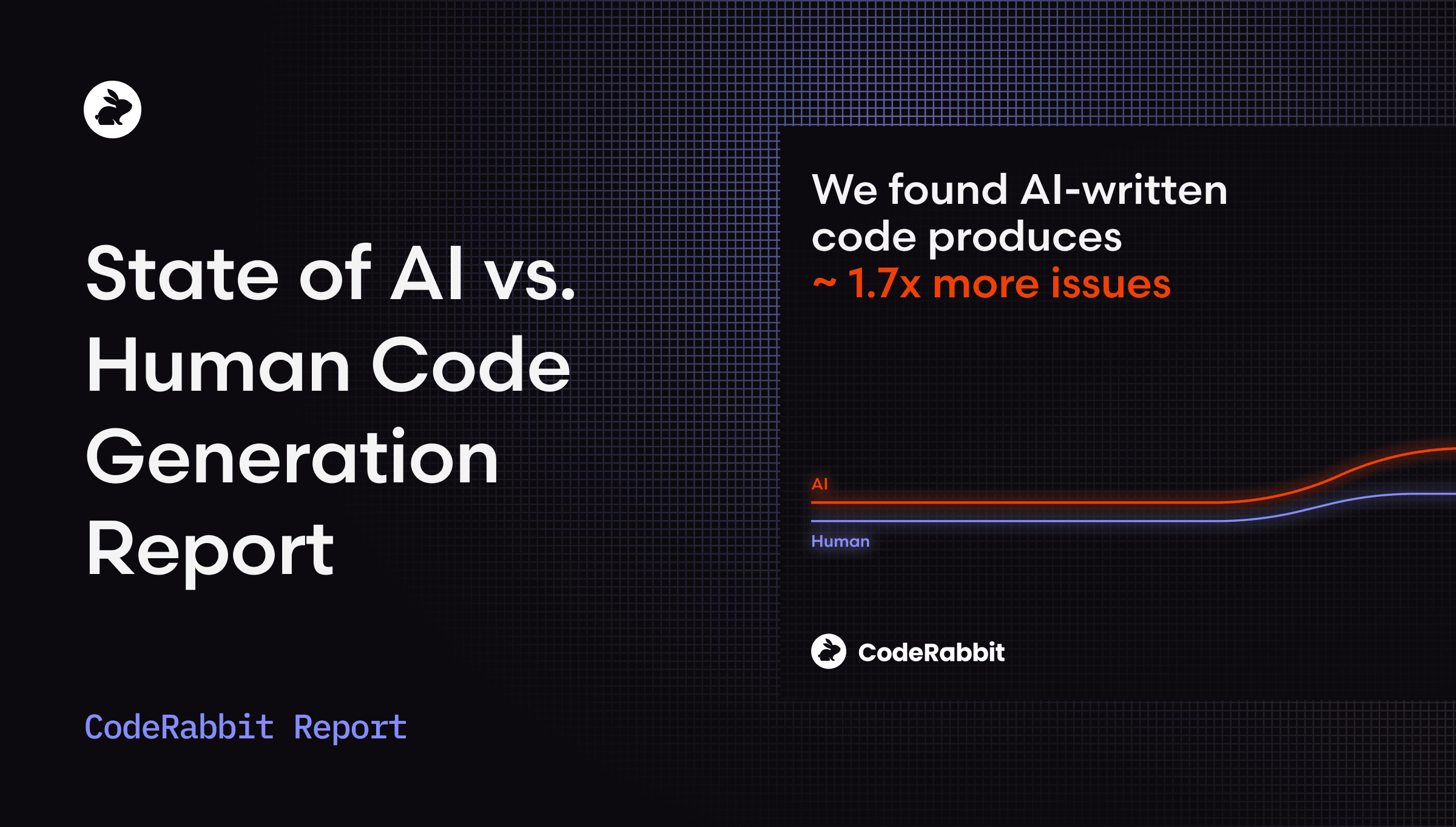
AI vs human code gen report: AI code creates 1.7x more issues
We analyzed 470 open-source GitHub pull requests, using CodeRabbit’s structured issue taxonomy and found that AI generated code creates 1.7x more issues.
How Do Scientists Use Claude Code?
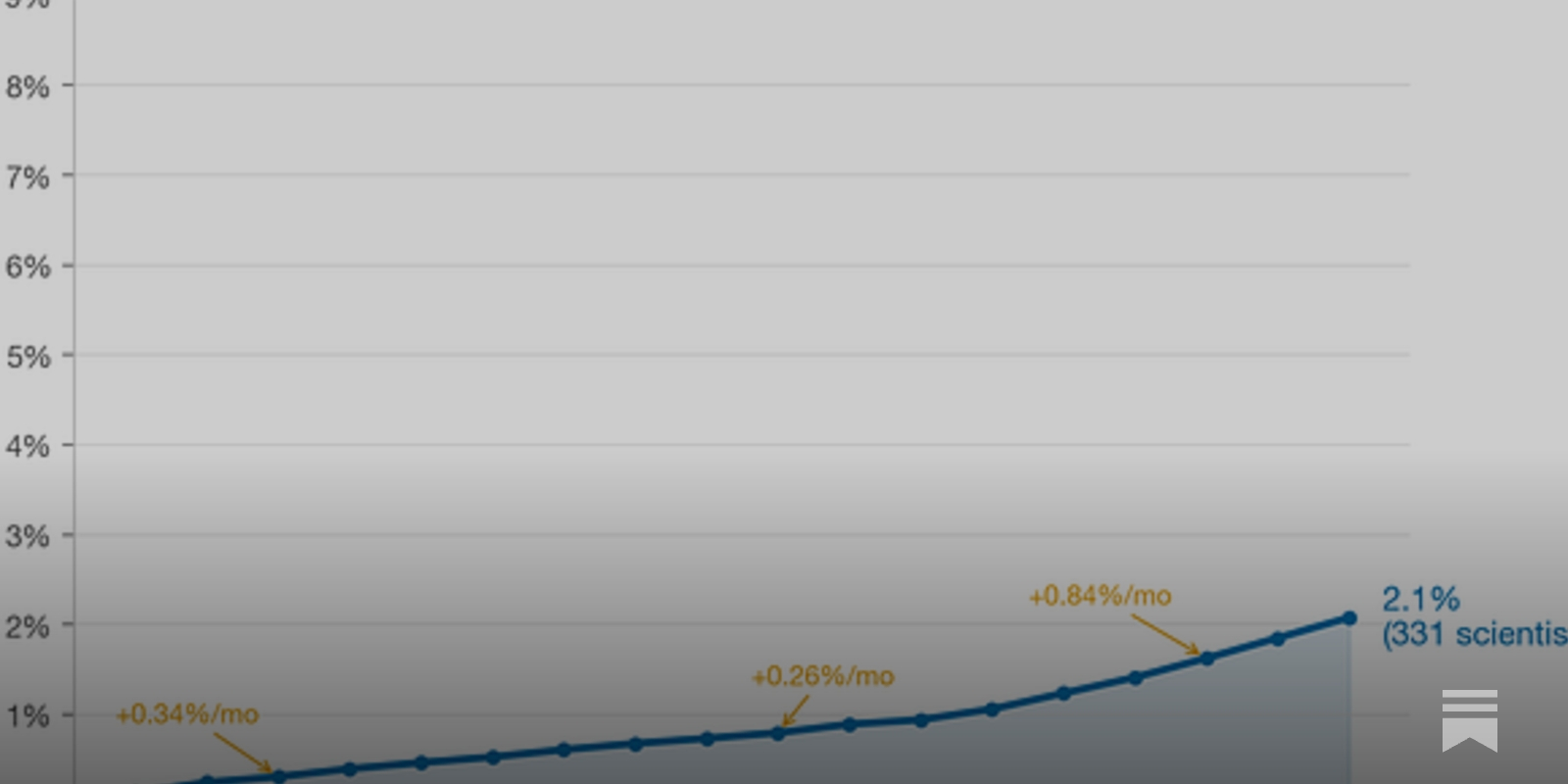
Measuring Claude Code adoption among 16,000 scientists on GitHub
Measuring the Impact of Early-2025 AI on Experienced Open-Source...
Despite widespread adoption, the impact of AI tools on software development in the wild remains understudied. We conduct a randomized controlled trial (RCT) to understand how AI tools at the...

</> htmx ~ Codin' Dirty
In this article, Carson Gross discusses an alternative approach to software development that challenges the principles outlined in 'Clean Code.' Carson advocates for allowing larger functions in certain cases, preferring integration tests over unit tests, and minimizing the number of classes and interfaces. He shares examples from successful software projects that demonstrate these practices can lead to maintainable, high-quality code.
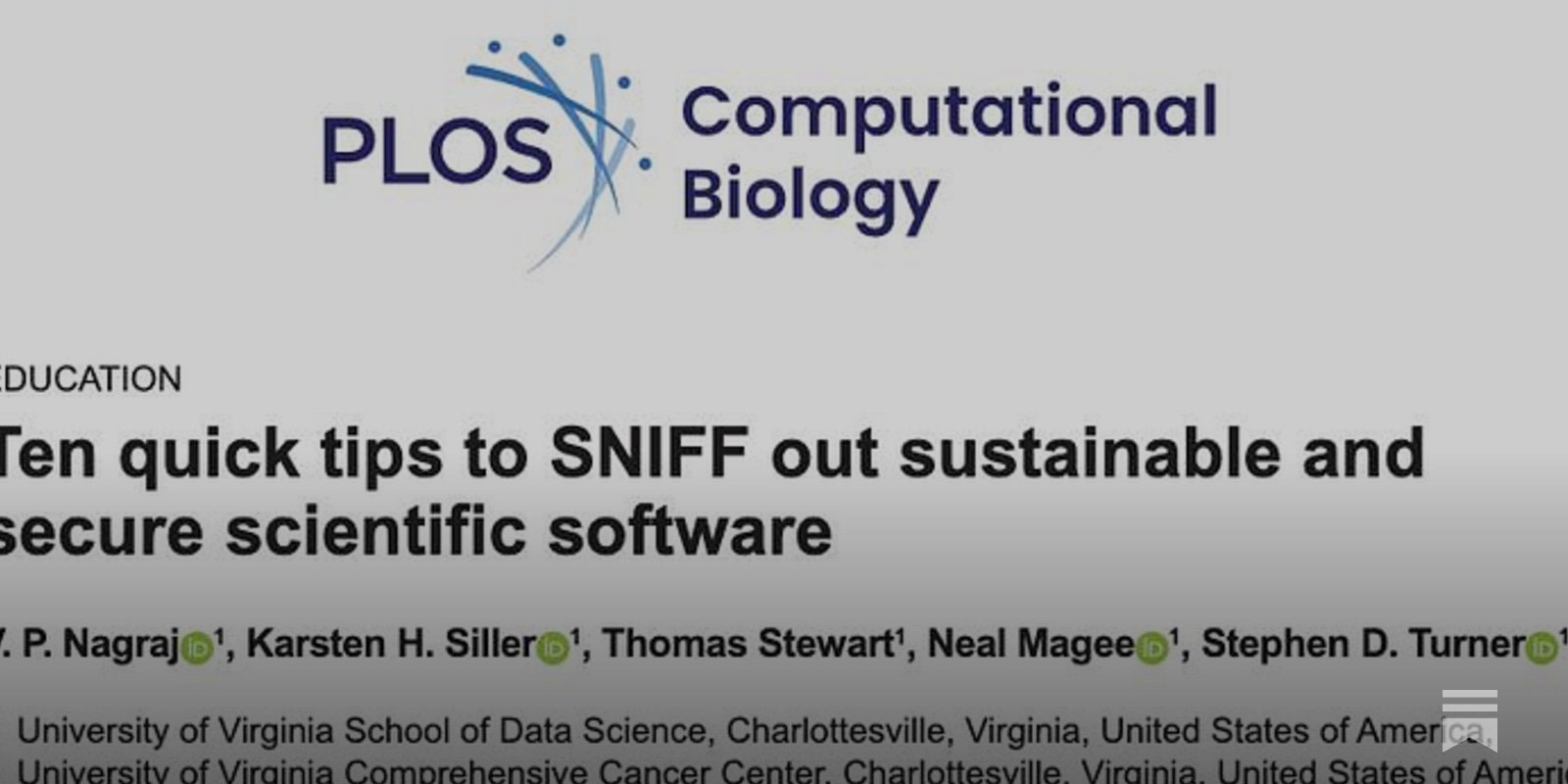
How to SNIFF out Good Scientific Software
New PLOS Computational Biology paper: "Ten Quick Tips to SNIFF Out Sustainable and Secure Scientific Software"
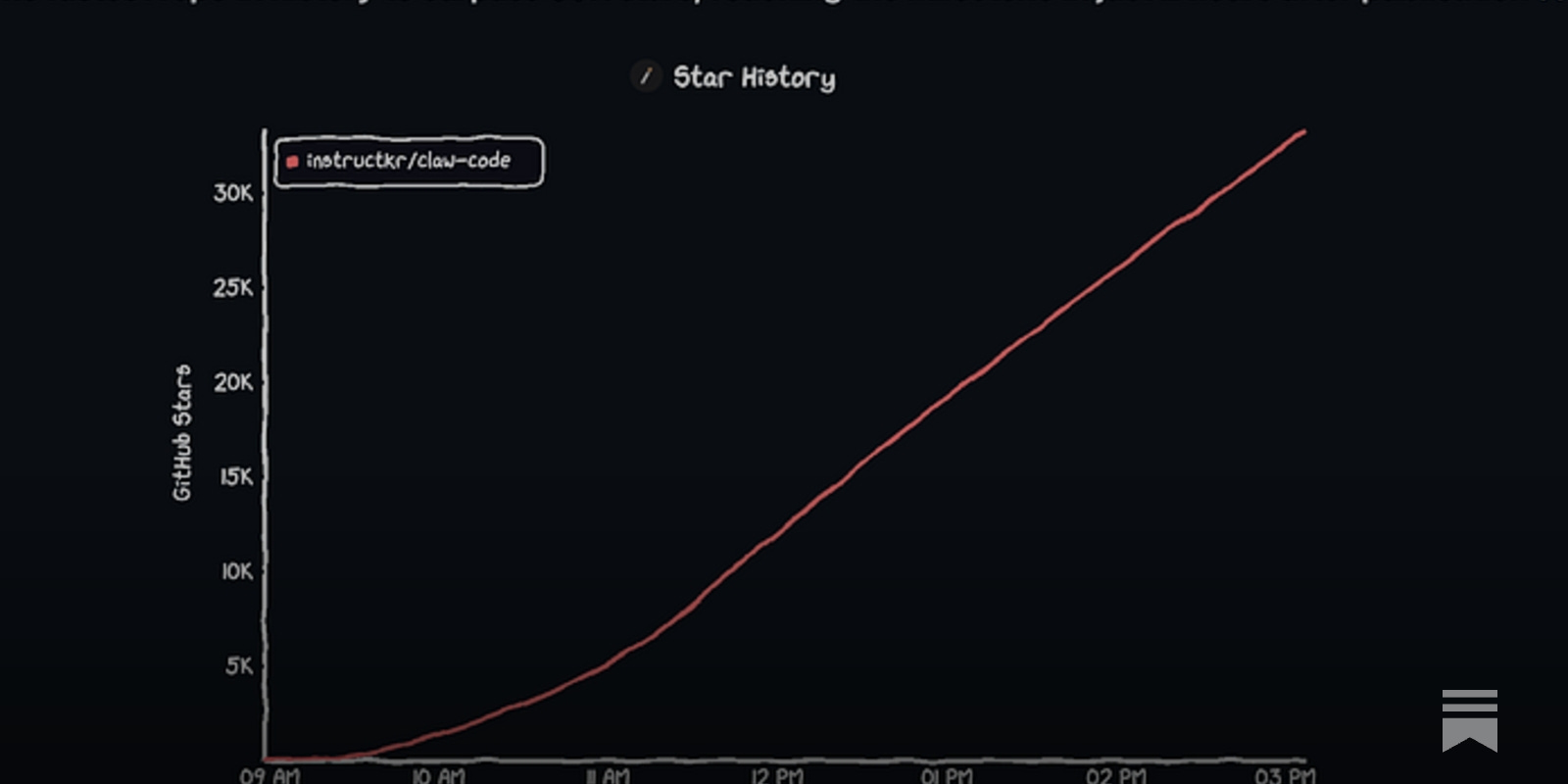
Diving into Claude Code's Source Code Leak
Engineer’s Codex is a publication about real-world software engineering.
Artificial intelligence tools expand scientists’ impact but contract science’s focus
Nature - Artificial intelligence boosts individual scientists’ output, citations and career progression, but collectively narrows research diversity and reduces collaboration, concentrating...

Teaching AI How Science Actually Works | IFP
How block-grant labs can generate the real-world data AI needs to do science
New AI Flaw Reporting System Fills Crucial Security Gap | CMU Software Engineering Institute
Flaw Reporting for AI (FLARE-AI) allows developers and security researchers to submit artificial intelligence flaws for formal, coordinated disclosure.
When Science Goes Agentic
In a couple of years, we will inspect AI-generated source code about as often as we inspect the assembly output of a compiler. Which is to say, far less often—outside of high-stakes and adversarial settings. The trajectory is clear: vibe coding is not a fad but a transition, a stepping stone. Debugging AI-generated code will shrink dramatically for a lot of everyday software—not because the code will be flawless, but because the feedback loops between generation, testing, and correction will tighten until human inspection becomes the bottleneck rather than the safeguard. In this respect, requiring the co-generation, with code, of mechanically verifiable formal attestations can also improve the process.

The natural selection of bad science
Abstract. Poor research design and data analysis encourage false-positive findings. Such poor methods persist despite perennial calls for improvement, sugg

Linking the world's research to the code it runs on - OpenAlex blog
Research relies on software. Software written by scientists, for science, runs through the entire modern research stack: NumPy and SciPy, R and ggplot2, Jupyter, BLAST, ImageJ, AlphaFold. Yet in the scholarly record, that software is nearly invisible. Software is not usually cited formally in publications and is usually just mentioned in the text, which means […]

SCI — Software Carbon Intensity | Green Software Foundation
The global standard for calculating and reducing the carbon emissions of your software. ISO/IEC 21031:2024.
Priivacy-ai/spec-kitty
Spec-Driven Development for serious software developers. Spec Coding with with Claude, Cursor, Gemini, Codex. Kanban dashboard, git worktrees, auto-merge and more.