

Henry Hansmann, When Does Worker Ownership Work? ESOPs, Law Firms, Codetermination, and Economic Democracy, The Yale Law Journal, Vol. 99, No. 8, Jun., 1990
Work, Justice, and Collective Capital Institutions: Revisiting Rudolf Meidner and the Case for <span style="font-variant:small-caps;">Wage‐Earner</span> Funds
ABSTRACT This article makes the case for a specific variety of what we call Collective Capital Institutions (CCIs), by returning to the idea of Wage‐Earner Funds (WEFs) – a 1970s Swedish policy proposal designed gradually to shift ownership and control over parts of the economy to democratically controlled institutions. We identify two attractive rationales in favour of such a scheme and argue that both can fruitfully be transposed to the current worldwide economic situation. The egalitarian rationale is that WEFs could help in the pursuit of equality by giving a wider set of people a stake in collectively owned companies and a right to their profits. The democratic rationale is that WEFs redistribute not only these profits, but also the power over economic decisions made within companies. We then contrast such schemes for collective capital ownership with the similar but much more privatised proposals set out in, for instance, John Rawls's idea of a ‘property‐owning democracy’. We argue that CCIs ultimately are more likely to contribute to the development of the ‘sense of justice’ within society that is needed for a stable just society. We conclude that CCIs deserve a great deal more exploration in academic and political discussions of egalitarian economic systems.

‘Waiting to Die’ by Paul Krafft from Capital and Labor (1907)
The reverend William Schuler Harris’ Capital and Labor (1907) frames its titular subjects as locked in a perennial struggle, “dating back to the time when the Egyptians laid the lash upon their slaves”. Writing in the early twentieth century, Harris is skeptical of the “orator [who] frequently soars into ecstasies over the privileges of the American workers”, for he sees how the labor force is suffering under the “galling yoke” of trusts and monopolies. Substitute those scourges of the Gilded Age with unfettered multinational conglomerates and something similar holds true today. The author’s list of obstacles facing workers are as relevant now as they were more than a century ago: the needs of “civilized life” increase more rapidly than wages; the skilled worker remains at…

Managed Returns in Employee-Owned Firms
<span>This paper examines the returns of private firms that offer shares to their rank-and-file employees through Employee Stock Ownership Plans (ESOPs), a type

ESF+ Study on Workers’ Buyout
This report provides a WBO overview within a European context, defines WBO and the most common models, as well as current trends and insights within the WBO context. The assessment is further enriched with insights collected from the countries analysed, incl. the mapping of the WBO frameworks in France, Spain, Italy and Slovenia and the in-debt case studies.

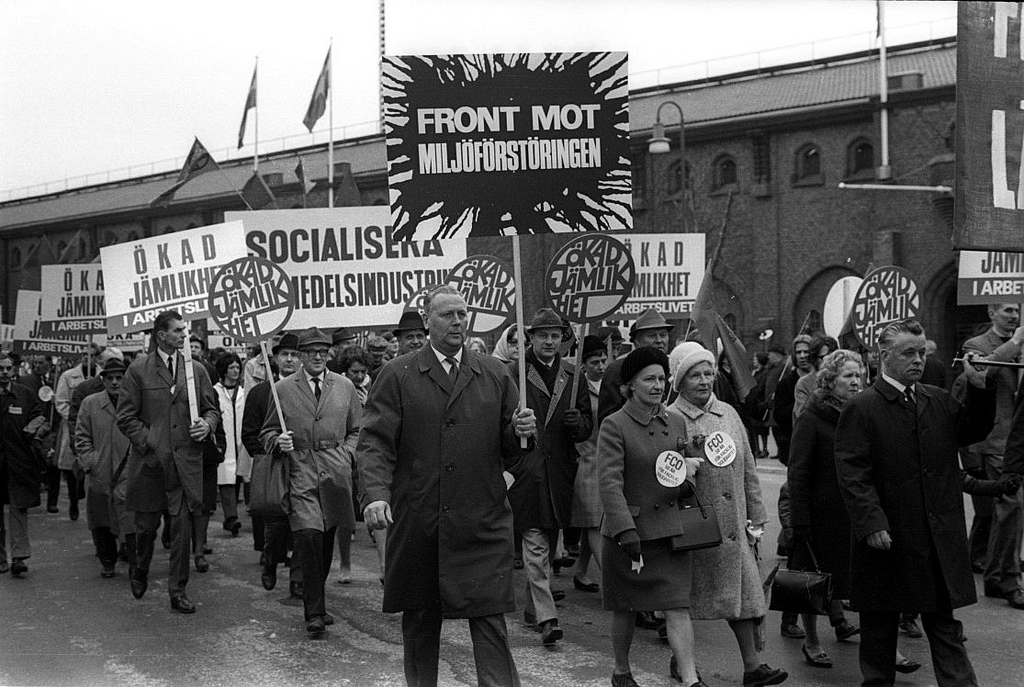
Revisiting the Meidner Plan
In the 1970s, the Swedish labor movement developed a plan to gradually socialize ownership. What can we learn from it today?
We Found The Radical Solution That Could End Corporate Monopolies
Launching a European Employee Stock Ownership - ProQuest
Explore millions of resources from scholarly journals, books, newspapers, videos and more, on the ProQuest Platform.
The Future Is Worker-Owned
It’s time for businesses to work for people, not the other way around

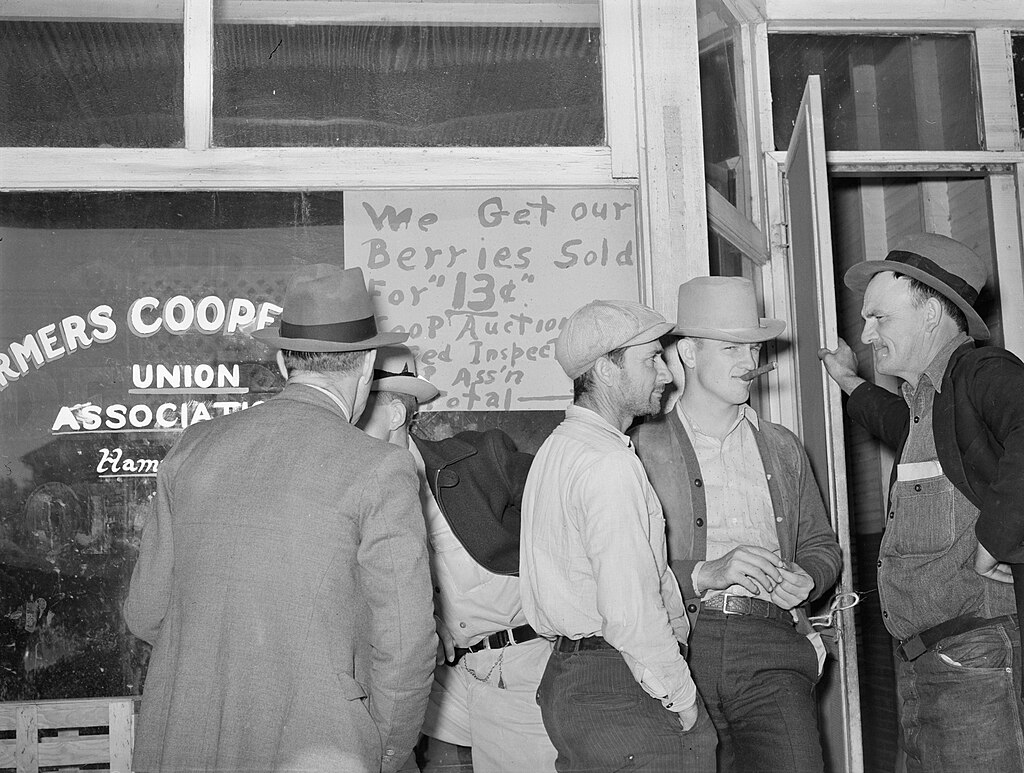
Worker Co-Ops Have a Role to Play in Socialist Strategy
Establishing worker-owned firms is no substitute for building a strong labor movement and a socialist presence within the state. But worker co-ops can play a key part in a broader socialist strategy, by making tangible the material benefits of cooperation.
For Love or Money: Open Source’s Labor Law Problem
Open source software runs on volunteer contributor labor. But U.S. labor law has rules about volunteering. Does open source have a labor law problem?
The Effects of Mandatory Profit-Sharing on Workers and Firms: Evidence from France
Founded in 1920, the NBER is a private, non-profit, non-partisan organization dedicated to conducting economic research and to disseminating research findings among academics, public policy makers, and business professionals.

Democratic Ownership Funds: Creating Shared Wealth and Power
Recent decades have seen a rapid and little-discussed transformation in corporate ownership structure, with vital consequences for company behaviour and inequality.

WSJ News Exclusive | Private-Equity Giants Back New Nonprofit Promoting Employee Ownership
More than 60 groups, including banks and pension funds, have also signed on to support Ownership Works, which aims to promote broad-based stock ownership as a means of curbing income inequality.

Software Licenses and Workers' Rights agent.io/posts/software-licenses-and-w…
Software Licenses and Workers' Rights
agent.ioHere are supporting sources on the barriers to the creation of worker co-ops: aspeninstitute.org/events/democratizing-work-the… emerald.com/books/edited-volume/15376/cha… journals.sagepub.com/doi/10.1177/13505076251320889 researchgate.net/publication/324907081_The_sca… project-equity.org/wp-content/uploads/2023/06/Wo… ncbaclusa.coop/content/uploads/2025/01/SBA-7…
AI workplace impacts

fion.ac
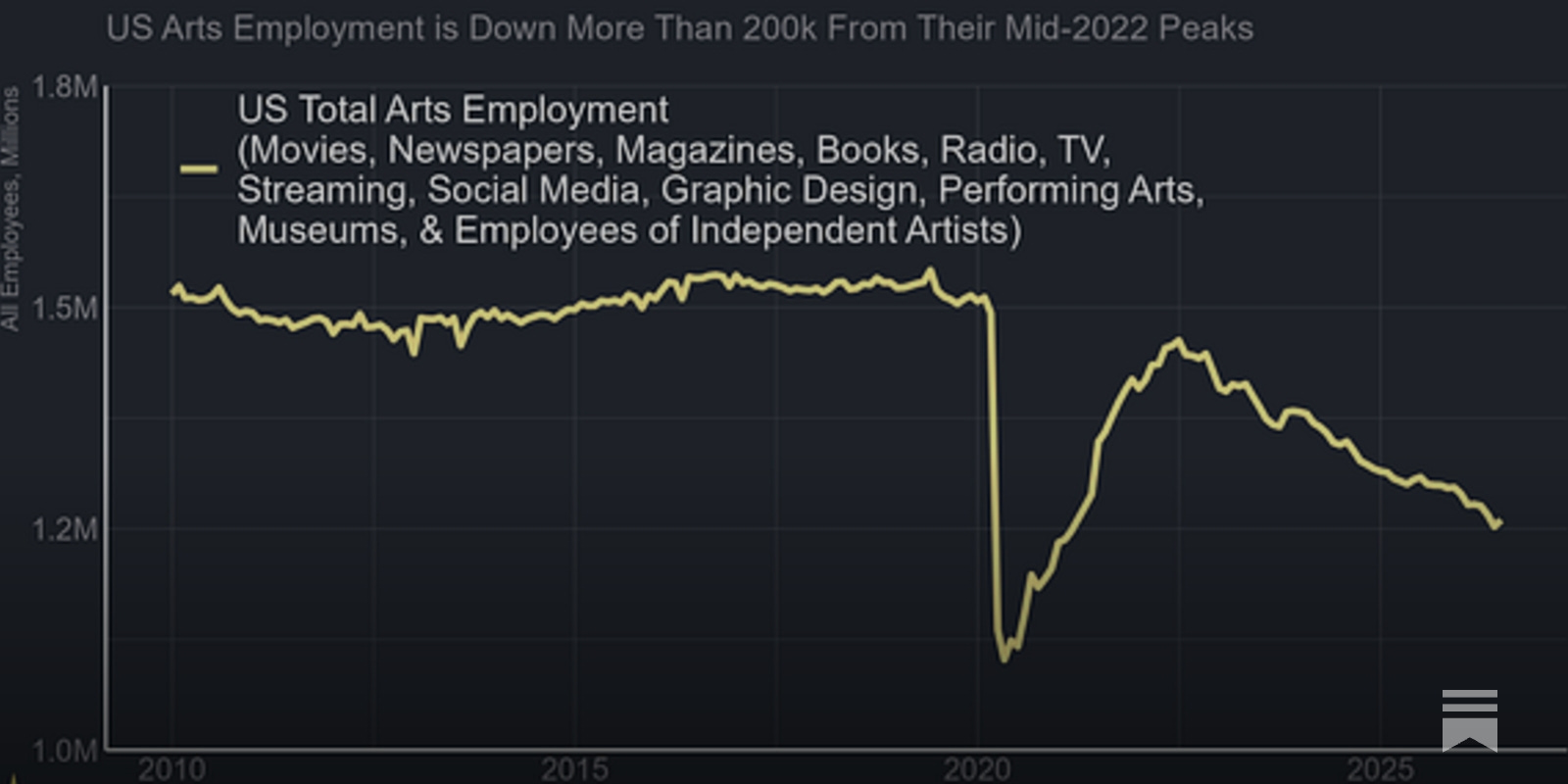
AI and the Fall? of the Creative Class
Lauren Wilford on Twitter / X

A couple of trends I'm seeing across the industry. Which ones are you observing that I missed?

New from us: Anthropic just published scenarios for AI’s possible economic impacts, which range from minimal, to explosive GDP growth of 15…
Andrew Ho on Twitter / X

