


Harry Frederick Harlow was an American psychologist best known for his maternal-separation, dependency needs, and social isolation experiments on rhesus monkeys, which manifested the importance of caregiving and companionship to social and cognitive development. He conducted most of his research at the University of Wisconsin–Madison, where humanistic psychologist Abraham Maslow worked with him for a short period of time.
New paradigm for psychology just dropped
OR: the ideas your mother warned you about
Brainchildren
Minds are complex artifacts, partly biological and partly social; only a unified, multidisciplinary approach will yield a realistic theory of how they came i...
How Social Isolation Is Killing Us (Published 2016)
Research confirms our deepest intuition: Human connection lies at the heart of human well-being.

Taking Love Seriously: What Ancient Wisdom & Modern Psychology Say About Interconnectedness - The Great Simplification
In this episode, Nate welcomes Dr. John Churchill, a psychologist and former Buddhist monk, to explore a map of human development that runs from "first-person" perspective of the isolated self all the way to a felt, embodied sense of interdependence with the planet itself.

Parenting - Fable | Stories for everyone
Delivering the world’s best social experience with exceptional stories in service of mental wellness.

RJ Moreau 🇧🇹 on Twitter / X
Human Ecology (CIA MKULTRA front) gave behavioral scientist BF Skinner $5K to write Beyond Freedom and Dignity, where he argued to abolish the inner man & control behavior. His methods later reached schools, where researchers & drug companies tested kids w/ learning difficulties. https://t.co/TQilUoMYQv pic.twitter.com/sZkr4fDqFN— RJ Moreau 🇧🇹 (@toxictiramisu) March 18, 2026

Parenting - An SMBC comic collection
A collection of comics about parenting, compiled from over 20 years of Saturday Morning Breakfast Cereal, and also from experience.

Handbook of Evolutionary Psychology
‘This Handbook is refreshingly different. While including requisite chapters on subfields within evolutionary psychology, it also includes chapters on evolutionary psychology’s influence on other disciplines (e.g., Anthropology, Criminology), and retrospectives on six foundational studies. And perhaps most innovative, chapters are written by an international collection of up-and-coming scholars who give their take on the current and future state of evolutionary psychology.’ – David F. Bjorklund, Florida Atlantic University, USA

Humans Love Having Pets. Seems Like Some Other Primates Do, Too.
We aren’t the only animals that like to take care of other species. A new study finds that the roots of keeping a pet may stretch deep into our primate past.

Links between the discovery of primates and anatomical comparisons with humans, the chain of being, our place in nature, and racism
- For more than a millennium humans knew more about the internal anatomy of a single monkey species than about that of their own bodies, because Galen used monkeys to infer human anatomy, in line wit...

At home with Hans Rosling
In 2012, Time magazine listed Professor Hans Rosling as one of the world’s 100 most influential people in the world. He has the ear of presidents and the minds of those who use the interactive statistical database Gapminder (www.gapminder.org), which he set up with his son, Ola in 1998, and those who watch his talks on TED.com (www.TED.com). And he has the hearts of some of the poorest people in the world, whom he has helped by addressing and publicising public health problems in some of the poorest parts of the world.

Alexithymia Reframed:
Understanding Autistic Emotional Architecture as Overlay, Not Fusion

Researchers Confront an Epidemic of Loneliness (Published 2016)
Social isolation is linked to physical illness and to functional and cognitive decline. Programs to reach out to the elderly are growing, particularly in Britain.

The world’s happiest people have a beautifully simple way to tackle loneliness
Toad, a 20-year-old Danish woman living in Copenhagen, has been lonely her whole life. She is autistic, and as a child, did not have any friends. When she moved from the country to the city, not much changed. “They says it’s a phase, but a phase becomes a life,” she says, surrounded by six other young adults in a cozy apartment in Copenhagen—all of whom are working on becoming less lonely.

📚 STEM - Psych, Social, Culture, & People

Deep dives in social sciences
Neuroscience, Cognition & Psychology

Neurotech (by Teon) — Semble
Neuroscience, Cognition & Psychology (by Sébastien) — Semble
2e (by Bee 🐝) — Semble
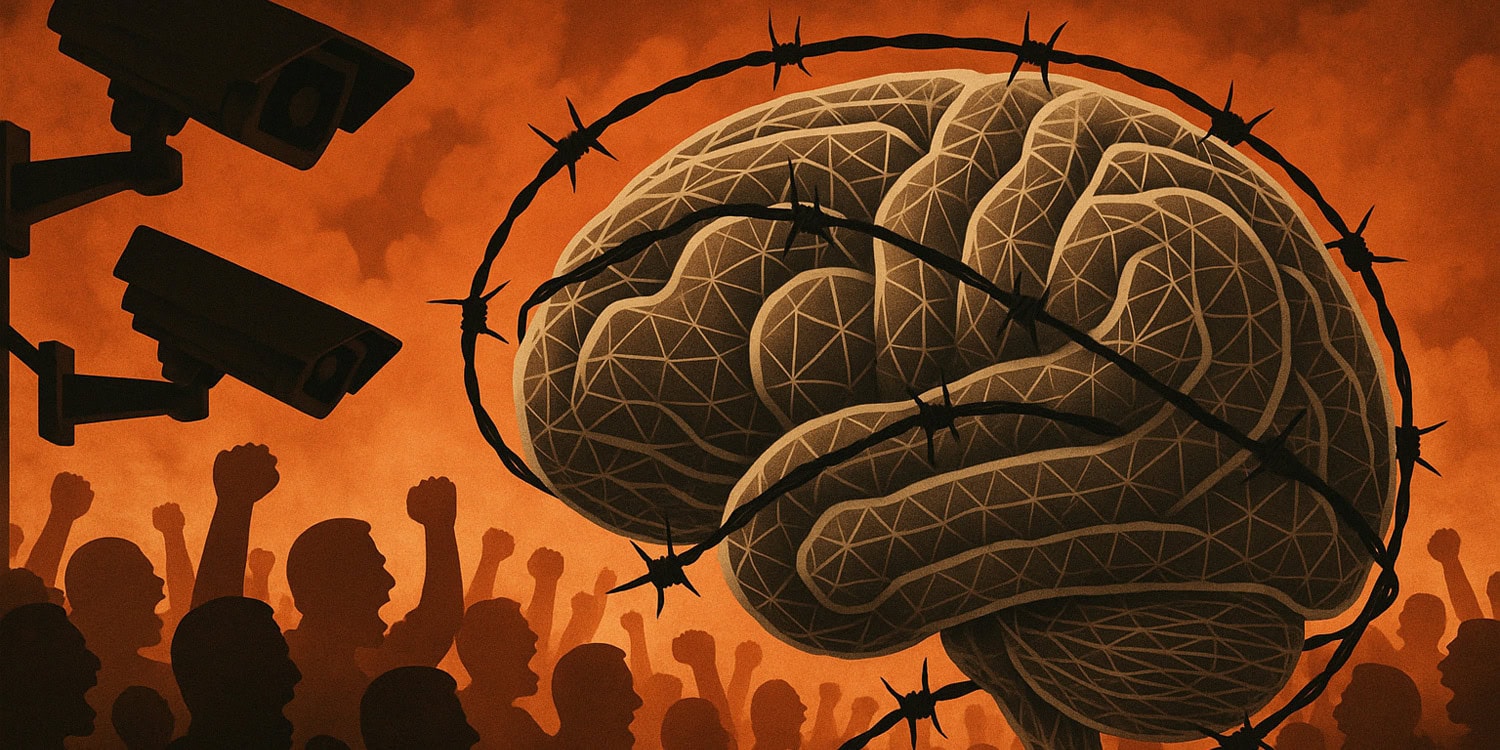
Anti-democratic attitudes are highly contagious, new psychology study finds
Hyperactive–impulsive ADHD traits predict higher curiosity in adults: evidence from a cross-sectional study
Understanding the influence of digital technology on human cognitive functions: A narrative review
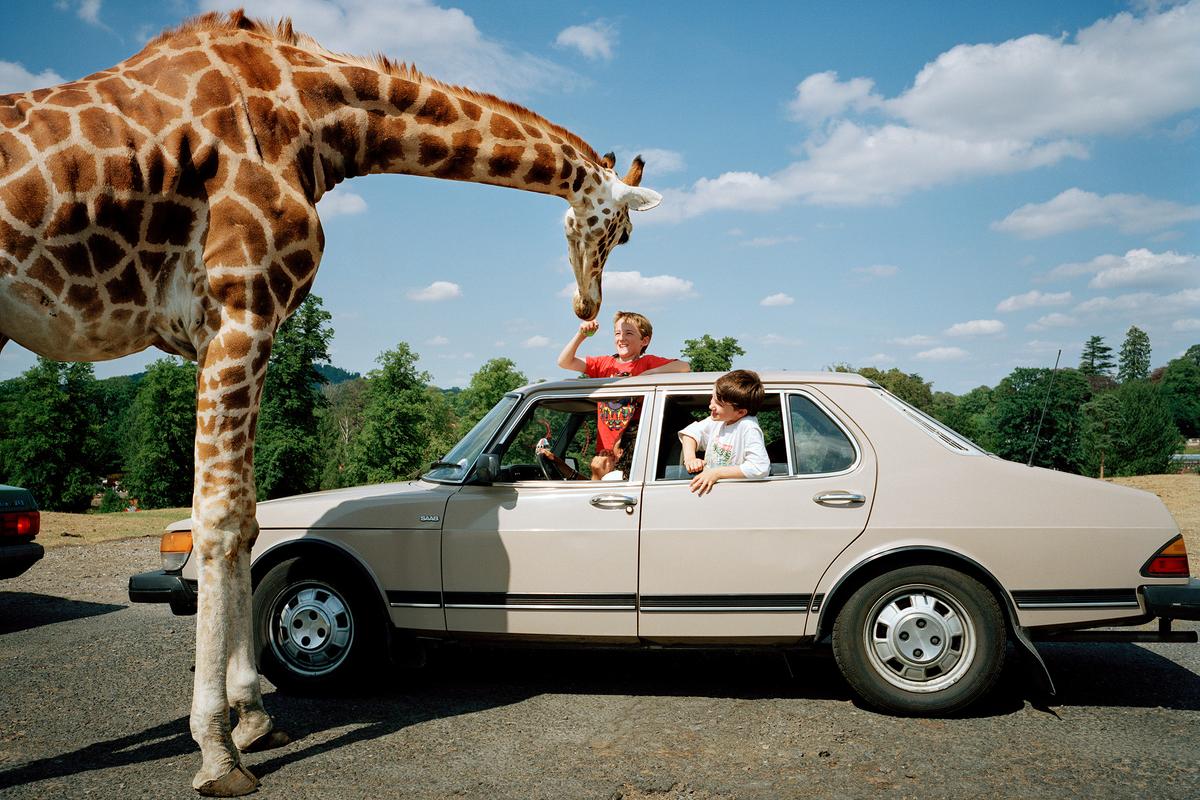
How the hypercuriosity of ADHD may have helped humans thrive | Aeon Essays
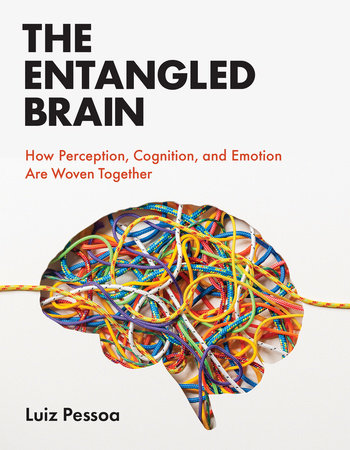
The Entangled Brain: How Perception, Cognition, and Emotion Are Woven Together