


In an unfortunately fascinating 1963 collection of essays on computer-simulated personality, Silvan Tomkins, the founder of affect theory, wrote

Ten Steps Towards Happiness - Hintjens.com
Biography | Portfolio | GitHub Books | Videos | Slides | Stories | Wiki Contact
Articles on Self-Knowledge, Relationships and Calm
Read our full collection of articles from The Book of Life. Sign up to our newsletter to never miss a new article.
Raf on Twitter / X
Conversations about sentience and emotions in #AI systems always remind me of Lisa Feldman Barrett’s wonderful book “How Emotions are Made”🧵https://t.co/uF2onQHwwz— Raf (@RafMBatista) August 30, 2026
Field Notes: The Architecture of Rationalization - Aaron Ross Powell
Marginalia on the internet turning bad, platform extraction, and existential restlessness.
Personality | The Paper Pilot
The Paper Pilot's digital garden of thoughts on philosophy, politics, and sociology
Gradients of intimacy and creating shelter: An interview with Erin Kissane
How might we use nature as an inspiration for creating online communities?


Alexander Obenauer
Exploring new and renewed ideas for how personal computing and the interfaces we think with can better serve people’s lives – expanding opportunity, agency, curiosity, and creativity.
How to Read Fewer Books - The School of Life
We publish articles around emotional education: calm, fulfilment, perspective and self-awareness. | How to Read Fewer Books — Read now

Discerning Audiences Through Like Buttons · Issue 6.1, Winter 2024
Column Editor’s Note: The ‘like button’ is a ubiquitous and infamous feature of social media platforms. ‘Likes’ ostensibly allow users to interact and engage with one another, but platform developers hope that data generated by users’ likes allows them to model, predict and even manipulate both individual and collective affective states. This Mining the Past column by communication scholar Carina Albrecht explores the history of the like button from “Little Annie,” developed at CBS in the mid-twentieth century, to the Cambridge Analytica scandal. Throughout this history, researchers and tech developers hoped to make ‘subjectivities’—emotions, preferences, personalities, political orientations—into ‘objectivites’; they sought to turn inner worlds into profitable data. Albrecht’s history reveals that the like button is best understood not as a passive recorder of preexisting affect and sentiment, but rather as a data technology that generated the emotive effects the button claimed to measure.

Developing creative identity
I was a theoretical physicist from 1992 to 2007. It was a romantic activity, exploring the fundamental nature of the cosmos! I became a university professor, wrote papers and books, and got to explore some of the most beautiful ideas ever discovered. In parallel, I also developed a fascination with the social systems humanity uses to make knowledge. Systems like the university or peer review are immensely deep inventions: our discovery system is itself one of the great inventions of humanity! But I believed a radically better discovery system must be possible. I became obsessed with this idea, eventually giving up tenure to work on it1. My first big project was to write a book helping develop and spread the fundamental ideas underlying the modern open science movement.
Eiko Fried (@eikofried.bsky.social)
Professor of Mental Health & Data Science at Leiden University. Studying mental health problems as systems (http://eiko-fried.com). Building an early warning system for depression (http://WARN-D.com).

Intrinsic Motivation: A deep dive
I dig into the research on intrinsic motivation. Super interesting subject. Long but hopefully quite thorough.
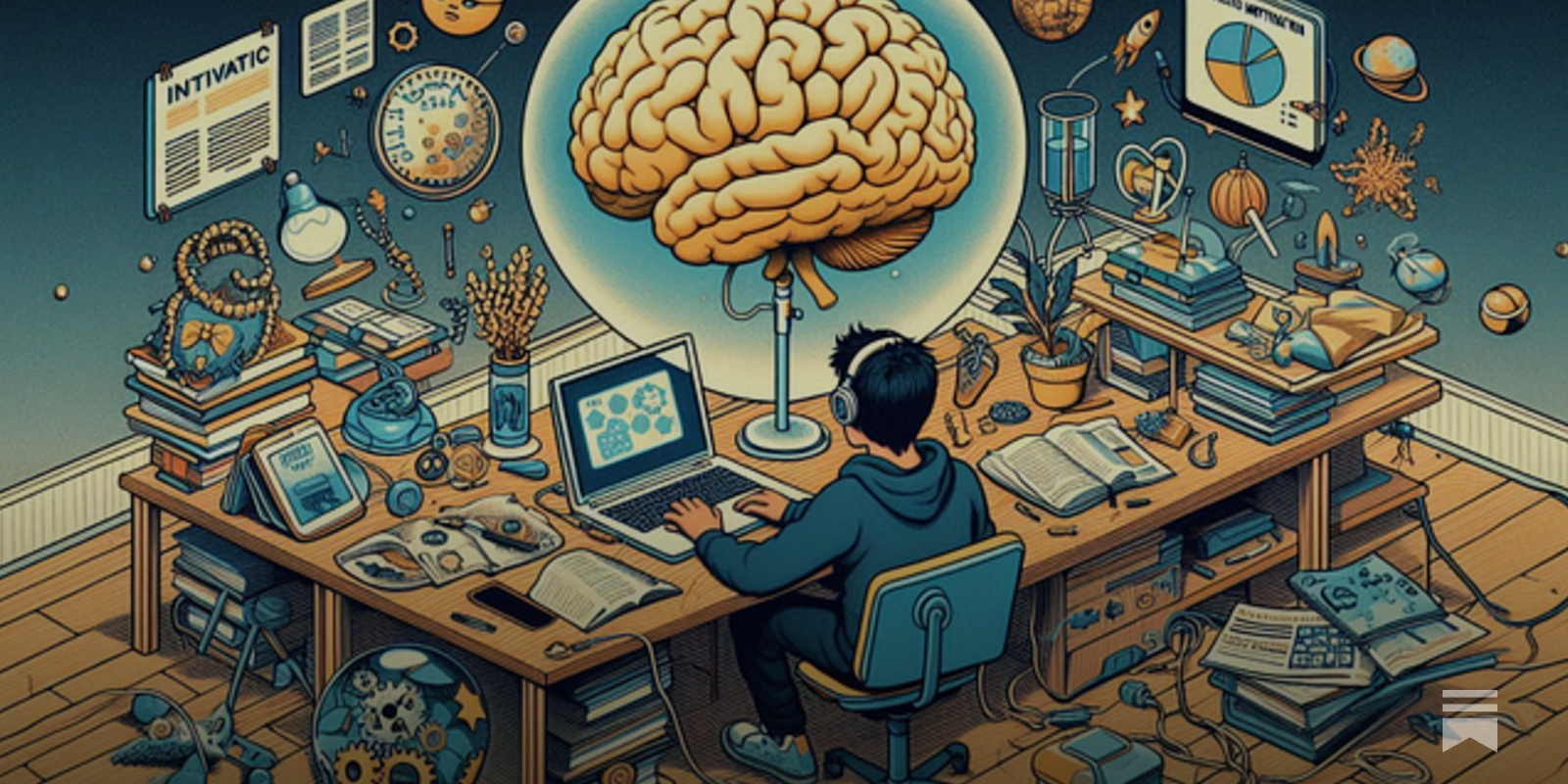
Conversations about sentience and emotions in #AI systems always remind me of Lisa Feldman Barrett’s wonderful book “How Emotions are Made” 🧵 bookshop.org/p/books/how-emotions-are-made…
Algorithm Mediated Experiences

On the effects of algorithms on everyday experiences
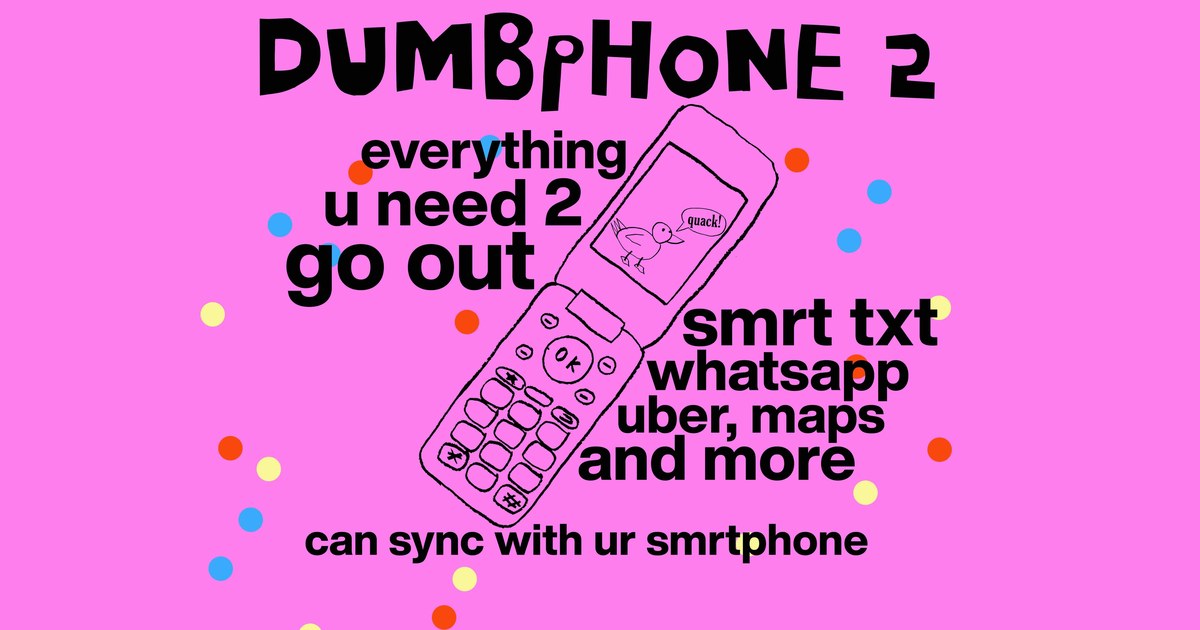
dumb.co - Dumbphone 2

An Economy of AI Agents
Political Unfriending on Facebook: Evidence from over 180 Million Users
Trung Phan on Twitter / X

Preference Filtering: When Customers Share Narrow Preferences with Algorithms
Narrative Flattening: How Post-Training Compresses Thematic, Affective, and Stylistic Variation in LLM Fiction