

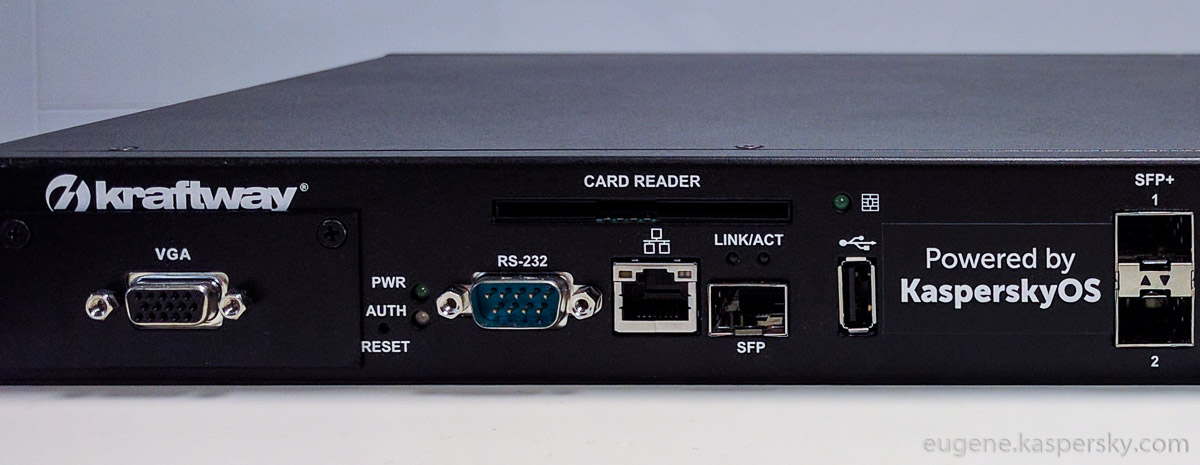
At last – we’ve done it! I’ve anticipated this day for ages – the day when the first commercially available mass market hardware device based our own secure operating system landed on my desk.
Introducing Mercury OS
A speculative vision of the operating system, driven by humane design principles.
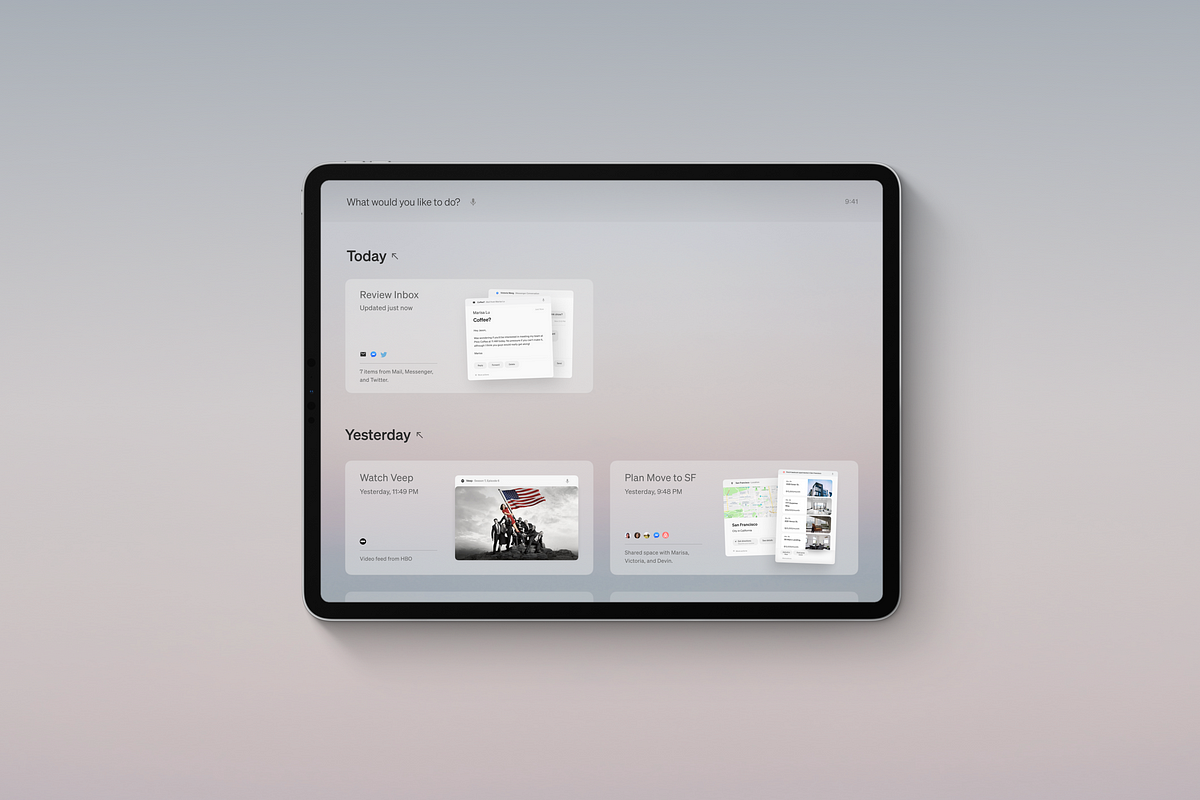
Introducing Mercury OS
A speculative vision of the operating system, driven by humane design principles.
Ideal OS: Rebooting the Desktop Operating System Experience — josh.earth
Twitter user ekse has graciously translated this blog to Chinese. Thanks! TL;DR: By the end of this essay I hope to convince you of the following facts. First, that modern desktop operating systems are anything but. They are bloated, slow, and layered with legacy cruft that still functions only thanks to Moore's Law. Second, that innovation in desktop operating systems stopped about 15 years ago and the major players are unlikely to heavily invest in them again. And finally, I hope to convince you that we can and should start over from scratch, learning the lessons of the past.
What Even Is An OS Now?
Computers now work the way I thought they did when I was 8. What does computing look like when most applications have an audience of 1-2 people? I'm leaving Fly.io to build a phone for that world.
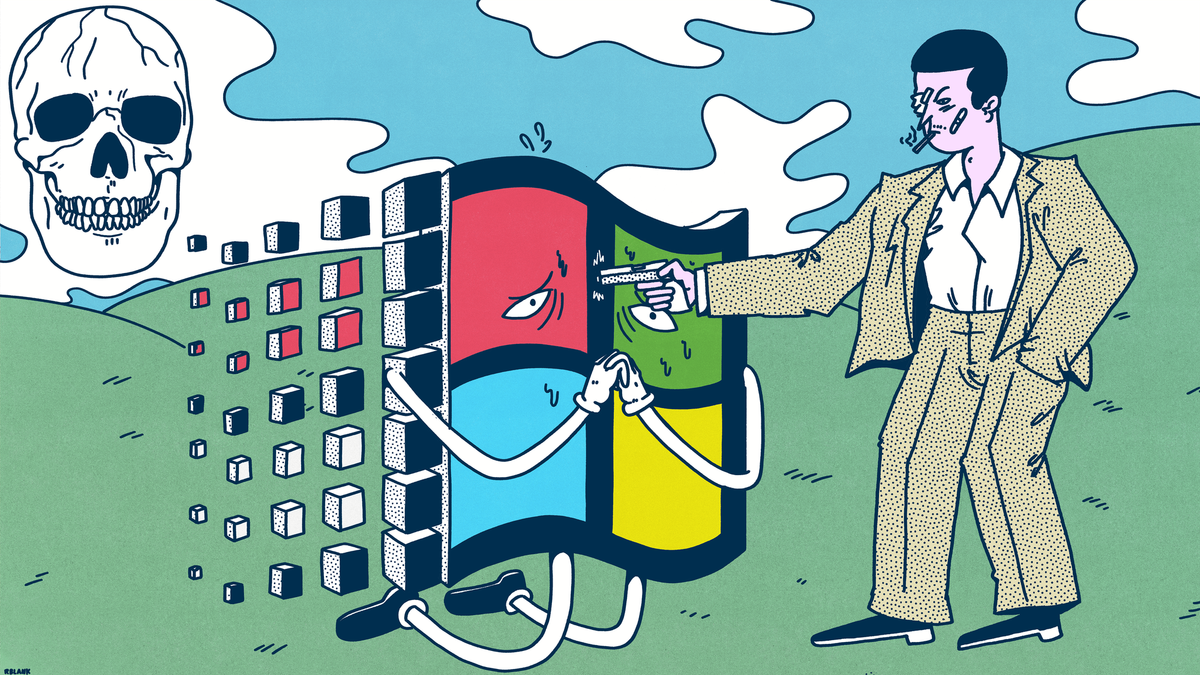
We Must Kill Windows For A Just Future
Nobody likes Windows. This cannot continue. We must come together and annihilate it. I hate to say it, but the way forward is Linux
My Search For The Perfect Linux OS Just Ended — With An Unexpected Surprise
Can a 'Frankenstein' Linux distro teach you valuable lessons? Yes, yes it can. Find out why my hunt for a 'forever distro' is over, and the surprising plot twist that unfolded.

Genode - Genode Operating System Framework
We understand the complexity of code and policy as the most fundamental security problem shared by modern general-purpose operating systems. Because of high functional demands and dynamic workloads, however, this complexity cannot be avoided. But it can be organized. Genode is a novel OS architecture that is able to master complexity by applying a strict organizational structure to all software components including device drivers, system services, and applications. The Genode OS framework is an open-source tool kit for building highly secure component-based operating systems. It scales from embedded devices to dynamic general-purpose computing.
Ubuntu, SUSE Linux, and Fedora are all coming to the Windows Store
The Verge is about technology and how it makes us feel. Founded in 2011, we offer our audience everything from breaking news to reviews to award-winning features and investigations, on our site, in video, and in podcasts.

Hello, Operator!
Part of the WonderOS project, this is presented as the operating manual that would come with the reader’s first machine running WonderOS. It is an exercise in exploring how people familiar with mainstream personal computing devices and systems would become computer literate in an itemized environment. It is written as though the reader is familiar with today’s mainstream operating systems, and is exploring their first itemized OS.

No Fork Required - Scott's Thoughts
What if another operating system isn't the solution to anything at all? What if device-level identity could tie into existing systems to help pull users out of walled gardens, rather than creating new gardens?

5 operating systems for reviving your old PC as a server
Even a dinosaur PC can be resurrected as a home lab

Self-Host and Tech Independence: The Joy of Building Your Own | Hacker News
Self-hosting doesn’t mean you have to buy hardware. After a few years, low-end machines are borderline unusable with Windows, but they are still plenty strong for a Linux server. It’s quite likely you or a friend has an old laptop laying around, which can be repurposed. I’ve done this with an i3 from 2011 [1] for two users, and in 2025 I have no signs that I need an upgrade.
New OS

Building a next generation operating system Capabilities security model, RISC V, atproto service accounts (like iCloud), local first, agentic integration
Introduction
Making an OS From Scratch - Bootstrapping the dev loop

Codex OS is now Mutable OS! | Mutable OS
asterinas/asterinas

unikernels were hard. key word: were.
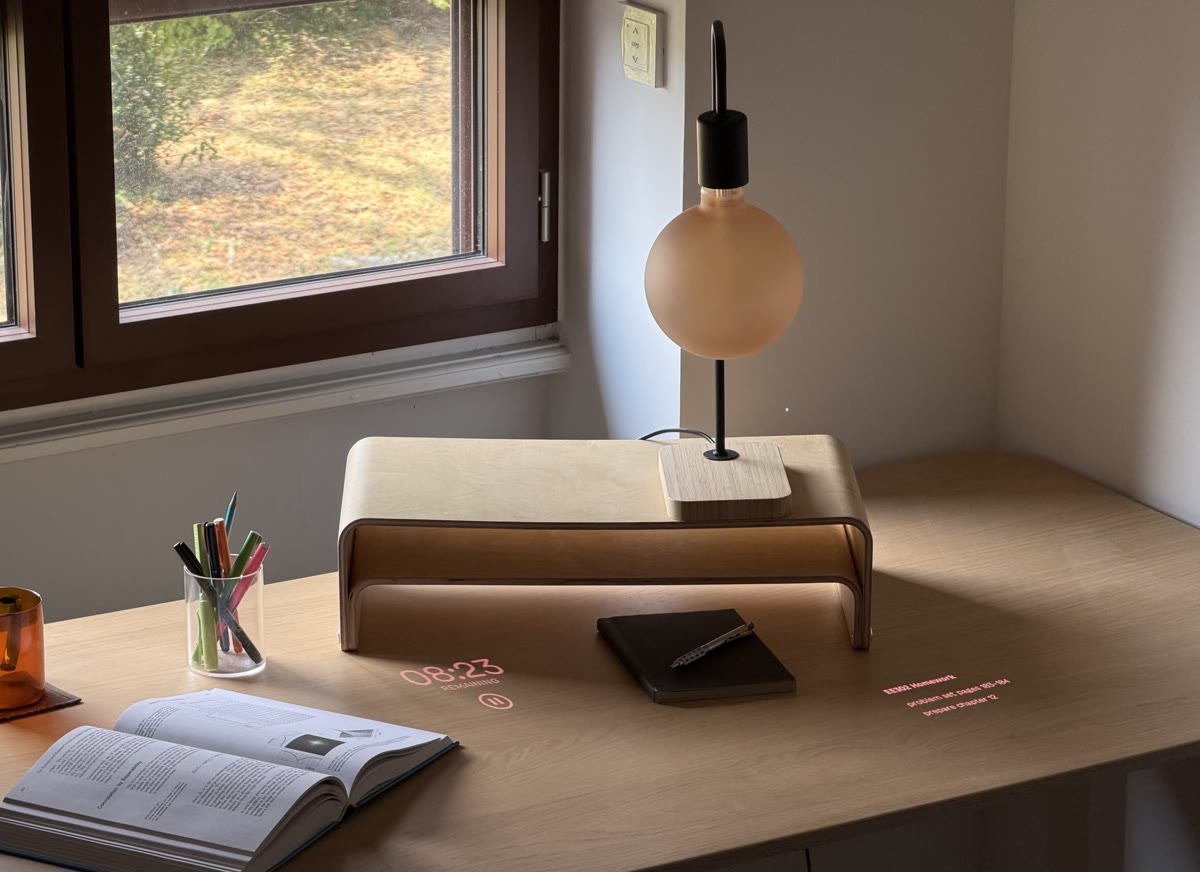
The Lightbulb Computer — Reimagining Spatial & Ambient Computing with Projectors