

I love learning. And while the friction of solving new problems is increasingly traded for speed, the experience gained by overcoming that friction is as important as ever.
FRICTIONAL AI WORKSHOP
Topics of the Workshop In its third edition, this workshop builds on and expands its exploration of friction-in-design in AI systems, hosting a full-day event that challenges the pursuit of seamless, rapid interactions. In contrast to the conventional narrative that human over-reliance on AI stems
Close to the Metal — Real Life
The value of reintroducing friction into our interactions with computers

Learning to Learn: You, Too, Can Rewire Your Brain (Published 2017)
How an engineering professor who “flunked my way” through high school math and science went on to create the world’s most popular online course.

Works in Progress: The Long Journey to Doing Good Better
The more I learn, the more I realize how much I don’t know. — Albert Einstein

I’m learning to code at 56. Here’s an epic beat-down of my critical inner self.
By VM Vaughn I’m 56 years old and learning to code. Why? Because I love it. And I’ve got a knack for it. That doesn’t mean it’s easy. It’s hard. And that’s OK. I love losing myself in an algorithm challenge. I love squeezing in a few extra minutes te...

Introducing beginners to the mechanics of machine learning – Miriam Posner
Every year, I spend some time introducing students to the mechanics of machine learning with neural nets. I definitely don’t go into great depth; I usually only have one class for this. But I try to unpack at least some of the major concepts, so that ML isn’t quite such a black box.
choosing friction
In 2018, legal scholar Tim Wu wrote in the New York Times that: Today’s cult of convenience fails to acknowledge that difficulty is a constitutive feature of human experience. Convenience is all destination and no journey. This piece well predates the current AI boom, but “all destination and no journey” is a pretty good explanation for why using AI to create art is mainly compelling to people who think about creativity in terms of producing content and generating intellectual property. They just want the thing they can market and sell for money or clout; they don’t care how they got there. I know you’re sick of talking about AI. I am too. This is only a little bit about AI, I promise. Like all my writing about technology, it’s mostly about people.
101 Things I Learned in Engineering School
In this unique primer, an experienced civil engineer and instructor presents the physics and fundamentals that underlie the many fields of engineering. Far from a dry, nuts-and-bolts exposition, however, 101 THINGS I LEARNED® IN ENGINEERING SCHOOL probes real-world examples to show how the engine...

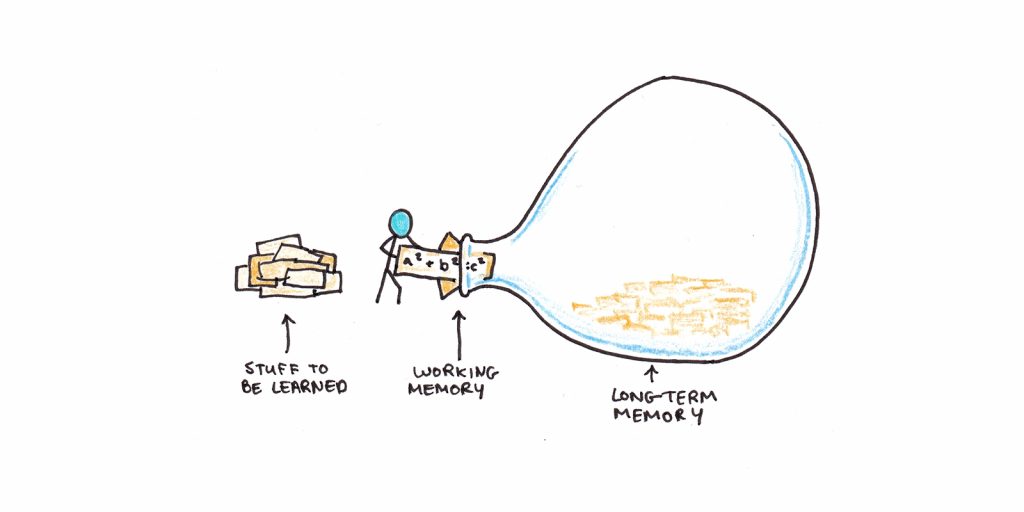
Cognitive Load Theory and its Applications for Learning - Scott H Young
What makes learning hard? How can we make it easier? Cognitive load theory explains how we learn and how to do it better.
Why efficiency is dangerous and slowing down makes life better | Psyche Ideas
The urge to do everything faster and better is risky. Far wiser to do what’s good enough for the range of possible futures

How to learn things at 1000x the speed
Throughout my schooling and career, I’ve impressed people over and over again with how quickly I pick up things, especially hard things. For instance, exactly 4y ago I did my first ever interview, got
Tool Making Follow-Up: What I Mean by Friction
Hopefully clearing up some of my vagueness to reduce misunderstanding.

How to do hard things
A fully general system for learning to do things you currently find difficult, only somewhat tongue-in-cheek.
A Season of Learning
Credit: Unsplash / Patty Spahr There’s a concept in computer science called explore vs. exploit. Exploitation means using what you know to get reliable returns; exploration means trying new t…

We should be more tired than the model
Adding deliberate friction back into development
friction is good

how friction and struggle help grow, learn, create, develop.
The case against efficiency: friction in social media
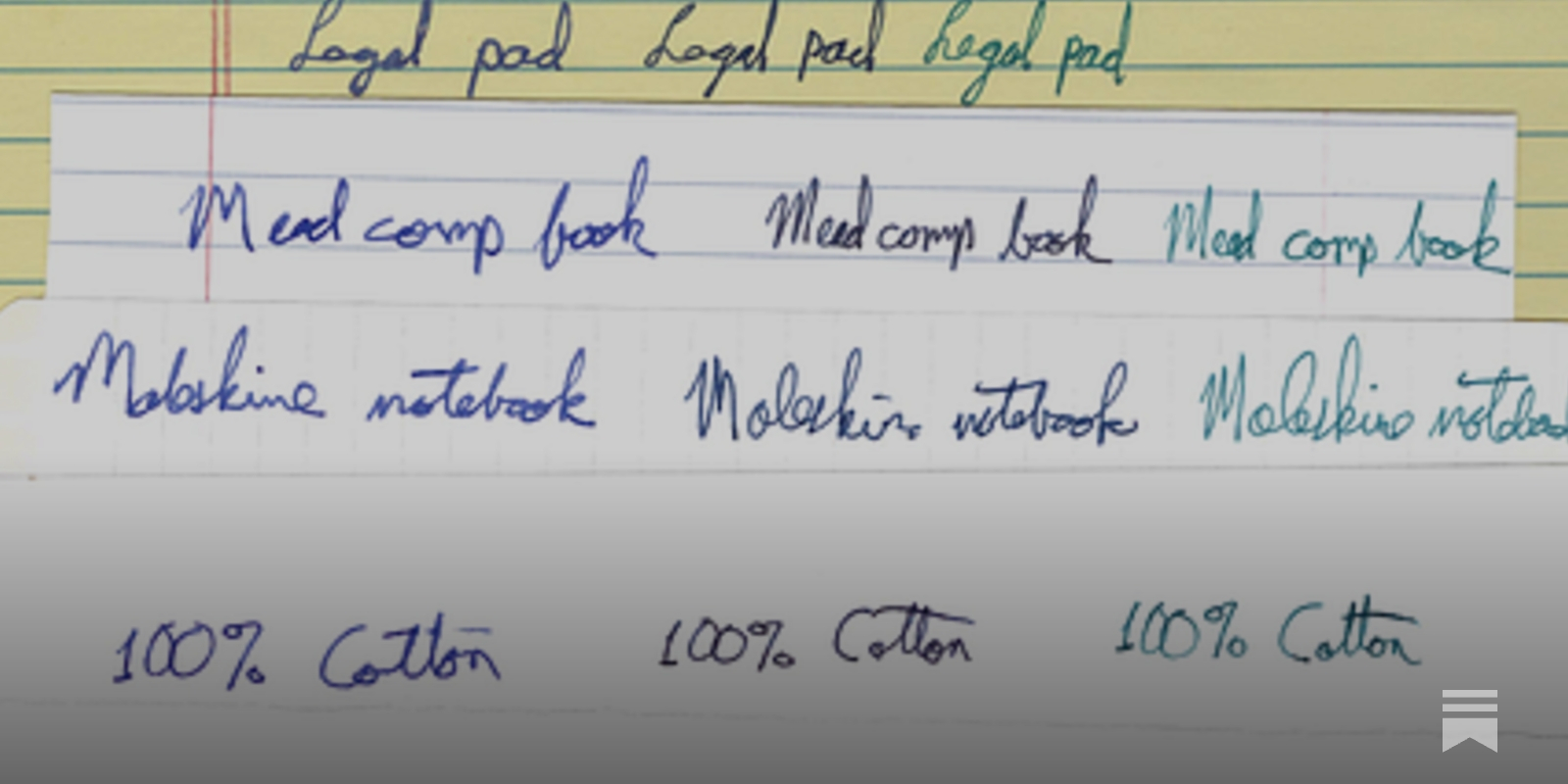
Writing by Hand is Good for your Brain - Here's how to do it

AI Coding will Prevent Expertise | Lars Faye
Cognitive Surrender

AI Dry July: Aborted

Japanese web design: weird, but it works. Here's why