


Spotify’s plot against musicians
Introducing Verified by Spotify, a Signal of Authenticity and Trust for the Artists Behind the Music — Spotify
Music is evolving, and so are the ways you discover and connect with artists. In the AI era, it’s more important than ever to be able to trust the authenticity of the music you listen to. At Spotify, our focus is providing you with more context about artists and their music, so you can build...

The Ugly Truth About Spotify Is Finally Revealed
A year-long investigation by an indie journalist is a call to action
Half a million Spotify users are unknowingly grooving to an AI-generated band
A supposed band called The Velvet Sundown has released two albums of AI slop this month.
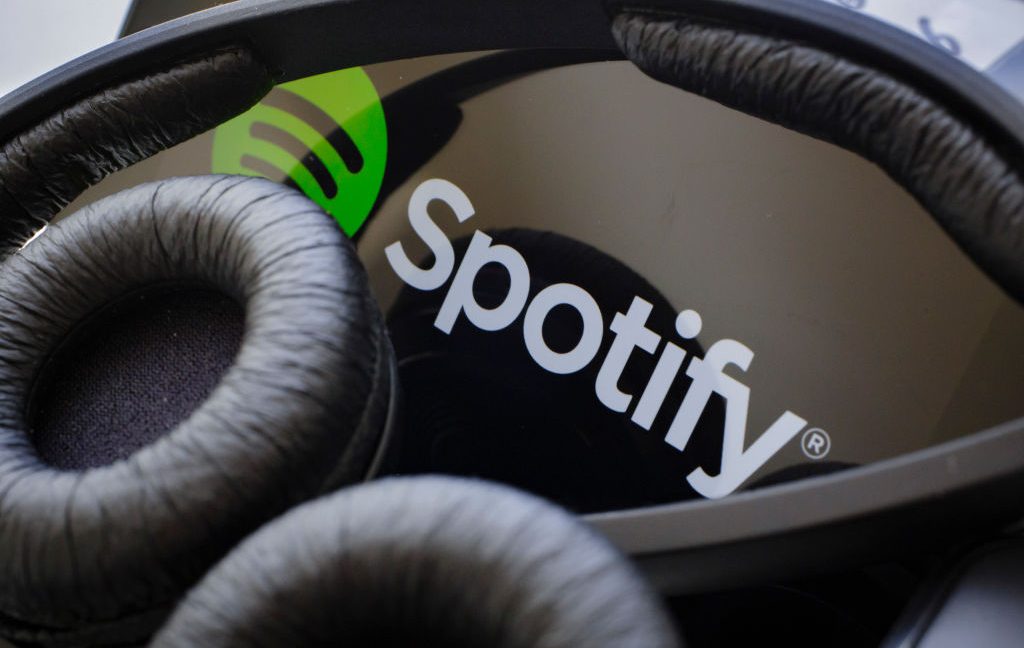
Divining an Afrofuturist Music Education – ACT
Published in Action, Criticism, and Theory for Music Education 22 (4): 131–58. [pdf] https://doi.org/10.22176/act22.4.131
‘It has your name on it, but I don’t think it’s you’: how AI is impersonating musicians on Spotify
Fraudulent music streams have long been a scourge for the industry, but experts say generative AI has supercharged it
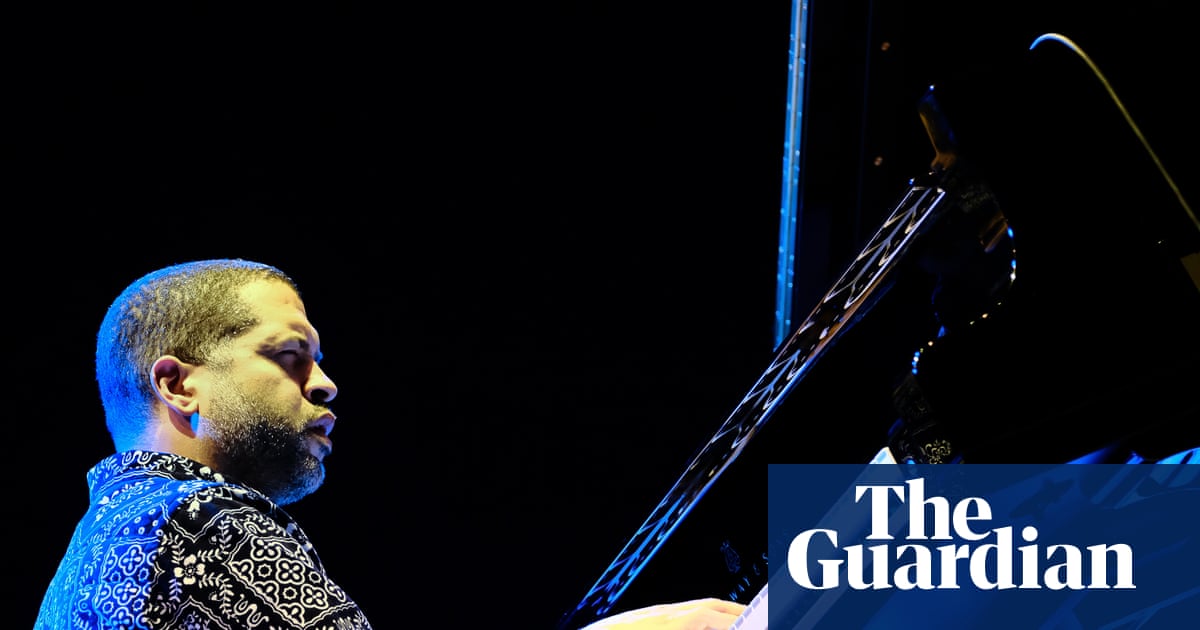
Seemingly AI-generated band The Velvet Sundown have over 400,000 monthly Spotify listeners
Seemingly AI-generated band The Velvet Sundown have thousands of monthly Spotify listeners but have only existed for a month

Rethinking the Large Ensemble Paradigm: Moving Toward Epistemic Justice
In this paper, I center the epistemic dimensions of musics and musicking to consider the ways in which the band/orchestra/choir paradigm of music education prevalent in the U.S. and Canada may be implicated in epistemic injustice. Drawing in particular on the work of Fricker (Epistemic injustice: power and the ethics of knowing, Oxford University Press, New York, 2007), Dotson (Hypatia 26(2):236–257, 2011), and The Routledge Handbook of Epistemic Injustice (Kidd et al., The Routledge handbook of epistemic injustice, Routledge, New York, 2017), I explore facets of epistemic injustice and apply these ideas to music education school contexts in Canada and the U.S. I further explore aspects of school music that may amount to “testimonial smothering” (Dotson 2011) and “cognitive imperialism” (Battiste in Can J Native Educ 22:16–27, 1998). Ultimately, building on existing literature on epistemic justice (Kidd et al. 2017; Fricker 2007), I theorize an epistemically just music education for school music in alignment with culturally responsive, anti-racist, and anti-colonial teaching.

SlopTracker — Exposing AI-Generated Artists on Spotify
AI-generated artists are flooding Spotify, racking up millions of streams, and siphoning revenue from real musicians. See the receipts.

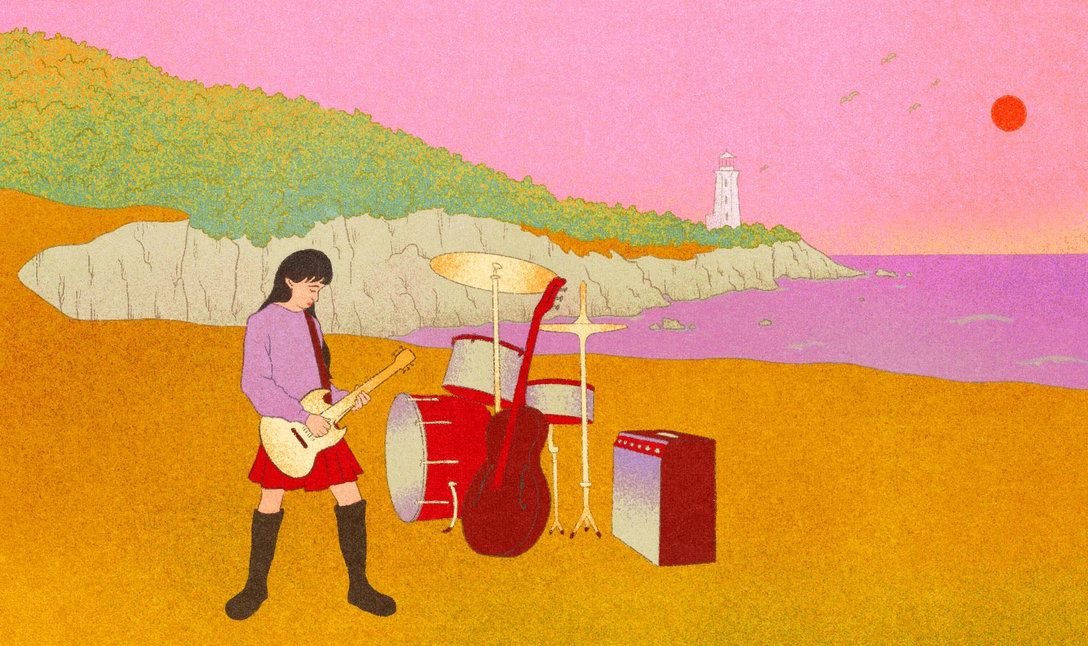
Toward an Anti-Racist Music Education: A Critical Pedagogy of Popular Music Teacher Education
In this article, we propose a framework for a critical pedagogy of popular music for teacher education to better prepare music teachers to enact anti-racist praxis within their classrooms. Although a growing body of literature in music education addresses issues of racism within the field, fewer scholars have studied this within teacher education. Drawing from critical pedagogy, our framework centers popular music as a means for music teacher educators to interrogate issues of identity and power and (re)contextualize pedagogy, considering the socio-political contexts and communities from which music practices originate. These processes facilitate reflection on how racisms shape taken-for-granted practices within music education by centering the socio-political contexts of popular music. Through our framework, music teacher educators could prompt pre-service music educators to consider the multiple racialized epistemologies of musical value students and teachers bring to the classroom, working toward the possibility of enacting a multicentric approach to music education.


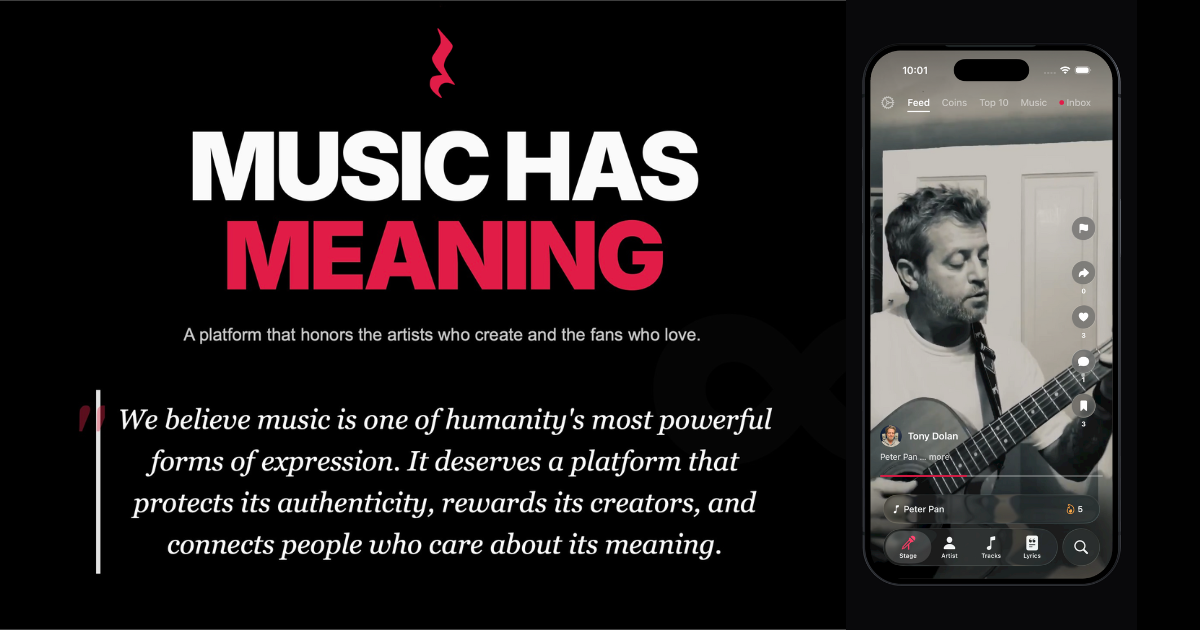
Music has Meaning
The social platform for discovering music, collecting tracks, and supporting artists directly. Only verified artists post.
Party Music by Rickey Vincent | East Bay Booksellers
Connecting the black music tradition with the black activist tradition, Party Music brings both into greater focus than ever before and reveals just how strongly the black power movement was felt on the streets of black America.
Queen's Brian May Says Artificial Intelligence Could Have a 'Massively Scary' Impact on Music and Beyond
"I think we might look back on 2023 as the last year when humans really dominated the music scene," Queen co-founder Brian May recently told 'Guitar Player'
:max_bytes(150000):strip_icc():focal(511x0:513x2)/GettyImages-1199823890-1d401470026f4547a5a37742825fa5cd.jpg)
AI & Music - developments & perspectives

Perspectives, developments, & news re: AI & music

YouTube Music adds new labels for AI music
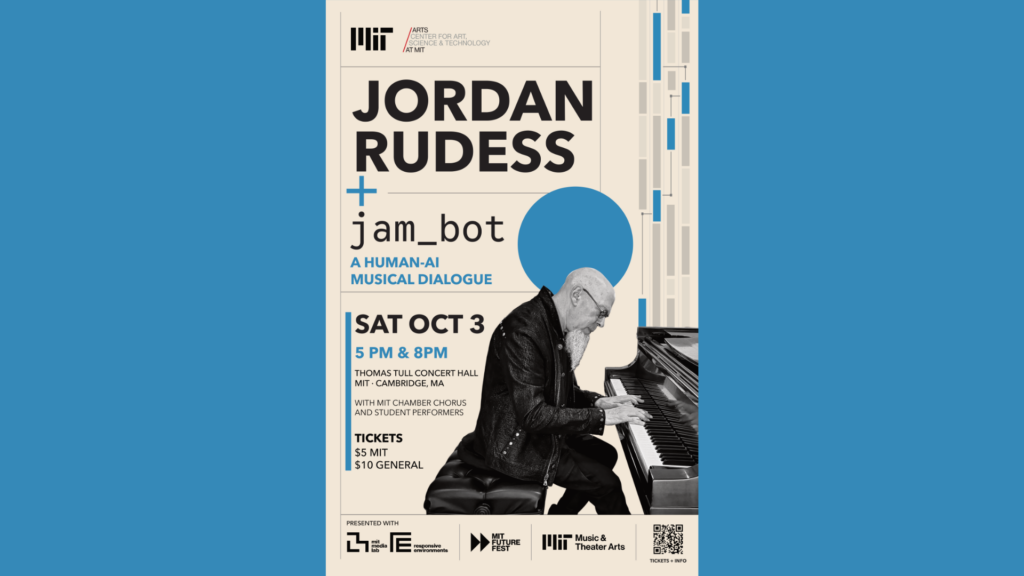
Jordan Rudess + jam_bot at MIT October 3

Jordan Rudess and MIT’s jam_bot: A New Era of Human-AI Musical Collaboration
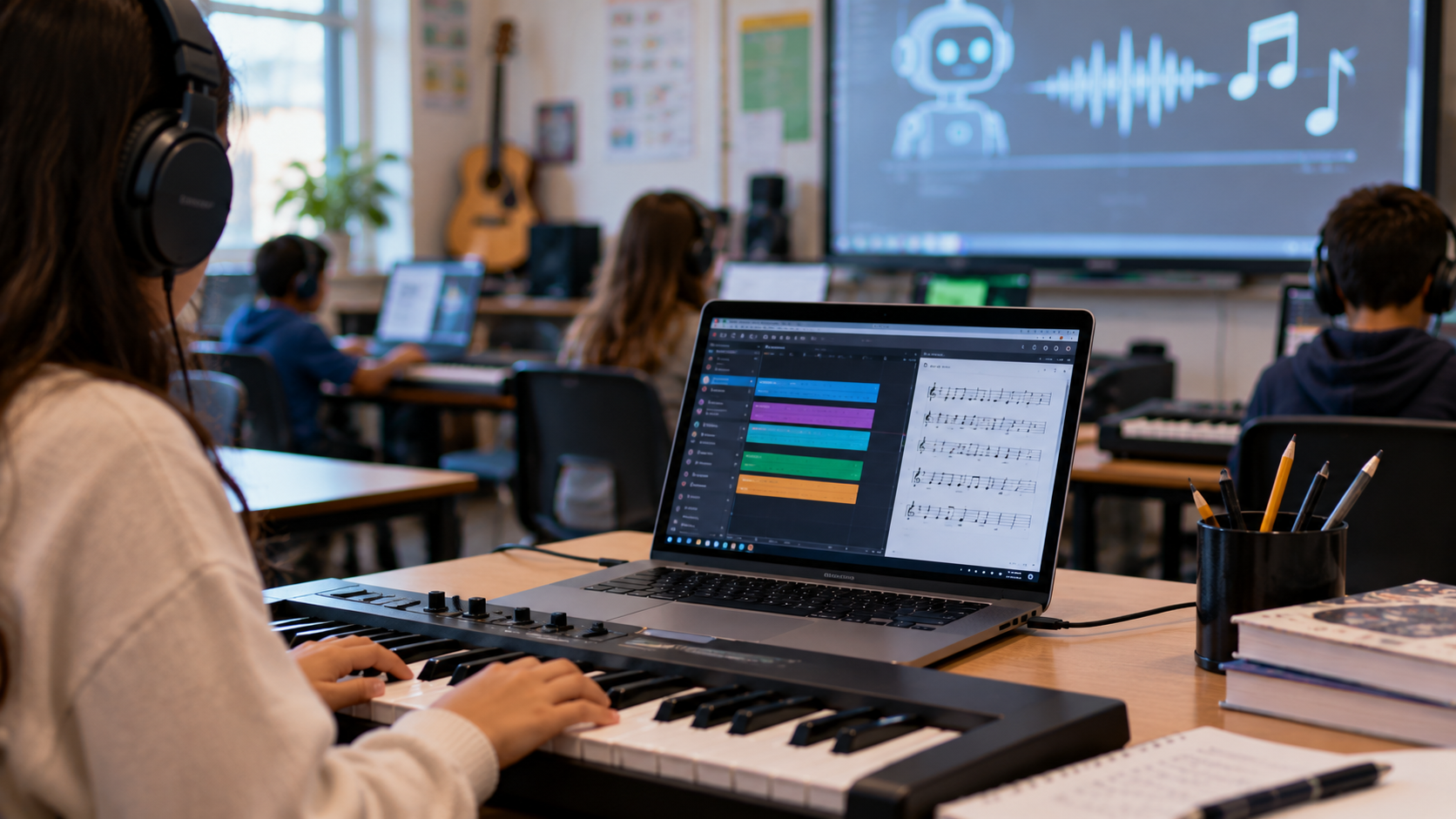
Artificial Intelligence in Music Classrooms: PK-12 Educators’ Practices, Concerns, and Confidence

“It frustrates me to hear people bashing something that's so amazing”: Todd Edwards is optimistic about AI in music production

An A.I. Songwriting Experiment: Humans Against the Machine