

Gallup data shows they have a combination of hard-to-teach traits.
Unintuitive Things I’ve Learned about Management (Part 1)
I first started managing people seven years ago, three years after I graduated and got my first design job. At the time, I was woefully…

Questionable Advice: “How can I sniff out bad managers while interviewing for a job?”
A few weeks ago I got a question from Stephane Bjorne on twitter, about how to screen for bad managers and/or management culture. This is a great question. I’ve talked a lot about my philosop…

Staff archetypes
Most career ladders define a single, uniform set of expectations for Staff engineers operating within the company. Everyone benefits from clear role expectations, but career ladders are a tool that applies better against populations than people. This is particularly true for Staff-plus engineers, whose career ladders often paper over several distinct roles hidden behind a single moniker. The more folks I spoke with about the role of Staff-plus engineers at their company, the better their experiences began to cluster into four distinct patterns. Most companies emphasized one or two of the patterns, and one pattern only existed in companies with many hundreds or thousands of engineers. A few companies didn’t feature any technical leadership pattern and pushed all their experienced engineers towards engineering management. In literature, recurring character patterns are called archetypes, such as the “hero” or the “trickster,” and the archetype term is helpful for labeling these frequent variants of Staff-plus engineers.
relearn Leadership - the over-optimisation problem in organisations
Emergent leadership: The trait that smart, innovative companies seek out in employees
Emergent leaders step up and lead when qualified but are comfortable in the background, too.

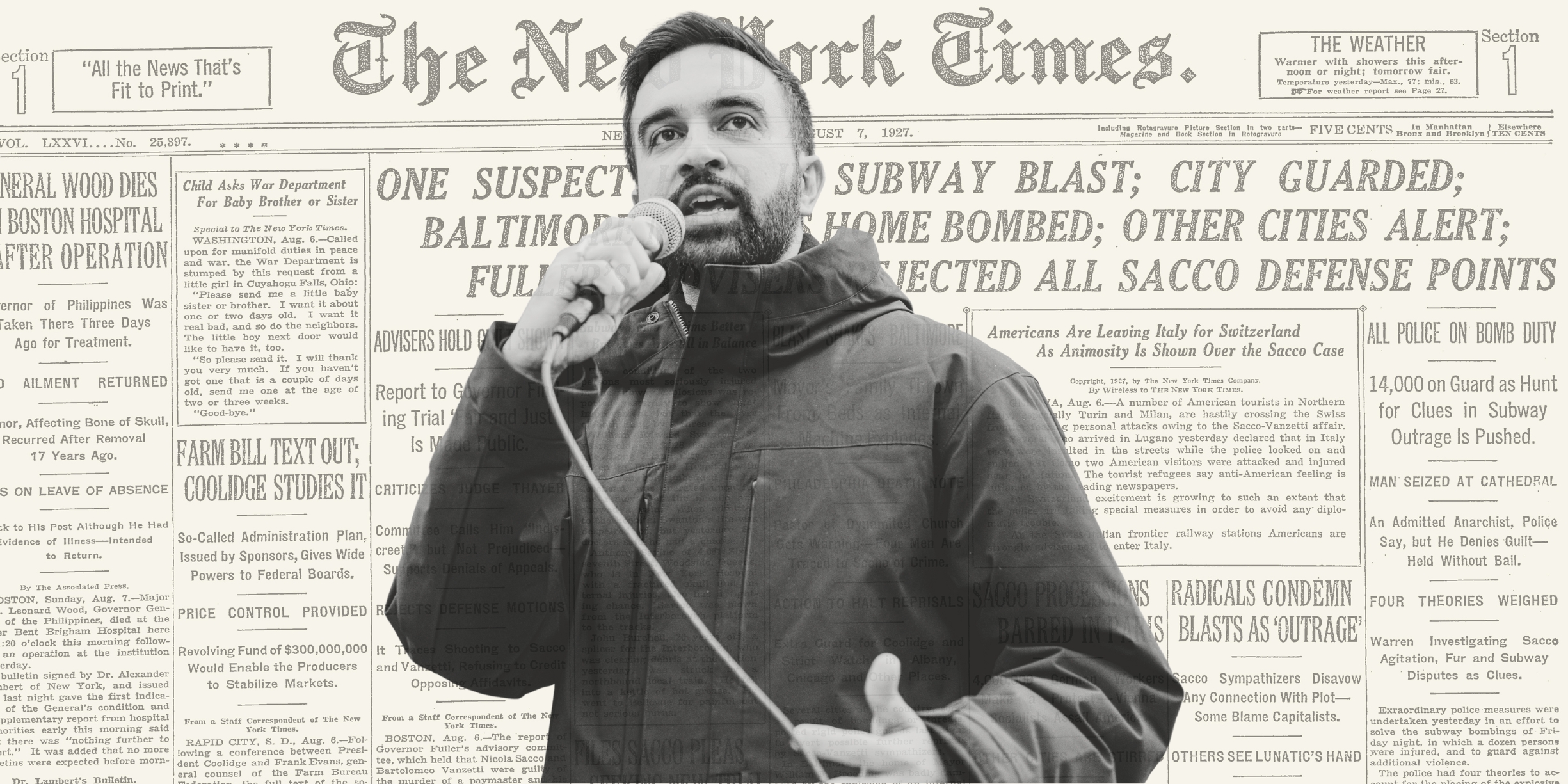
Maybe Don’t Talk to the New York Times About Zohran Mamdani
It’s remarkable, the people you’ll hear from. Teach for even a little while at an expensive institution—the term they tend to prefer is “elite”—and odds are that eventually someone who was a studen…
How generative AI can make accountants more productive | MIT Sloan
A new study finds that working with artificial intelligence boosted efficiency and reporting quality. But human expertise still matters.

Intentions have a surprising amount of detail
Auteur managerialism, the myth of one-shotting, and the chindogufication of engineering

Cory Doctorow: The people who tell you ‘AI is changing everything’ are lying
It has become impossible to tell managers mesmerised by artificial intelligence that the tools are not, in fact, helpful. So employees just play along with the fiction to keep their jobs, writes our tech columnist

Why Introverts Make Great Entrepreneurs
From deep thinking to careful listening, a look at the skills that make introverts make entrepreneurs

Engineering managers have a new job description
Why engineering managers are expected to be hands-on again and how AI tools are making it possible to stay technically sharp while still leading.

Good Product Manager/Bad Product Manager | Andreessen Horowitz
Warning: This document was written 15 years ago and is probably not relevant for today’s product managers. I present it here merely as an example of a useful training document. Good product managers know the market, the product, the product line and the competition extremely well and operate from a strong basis of knowledge and...
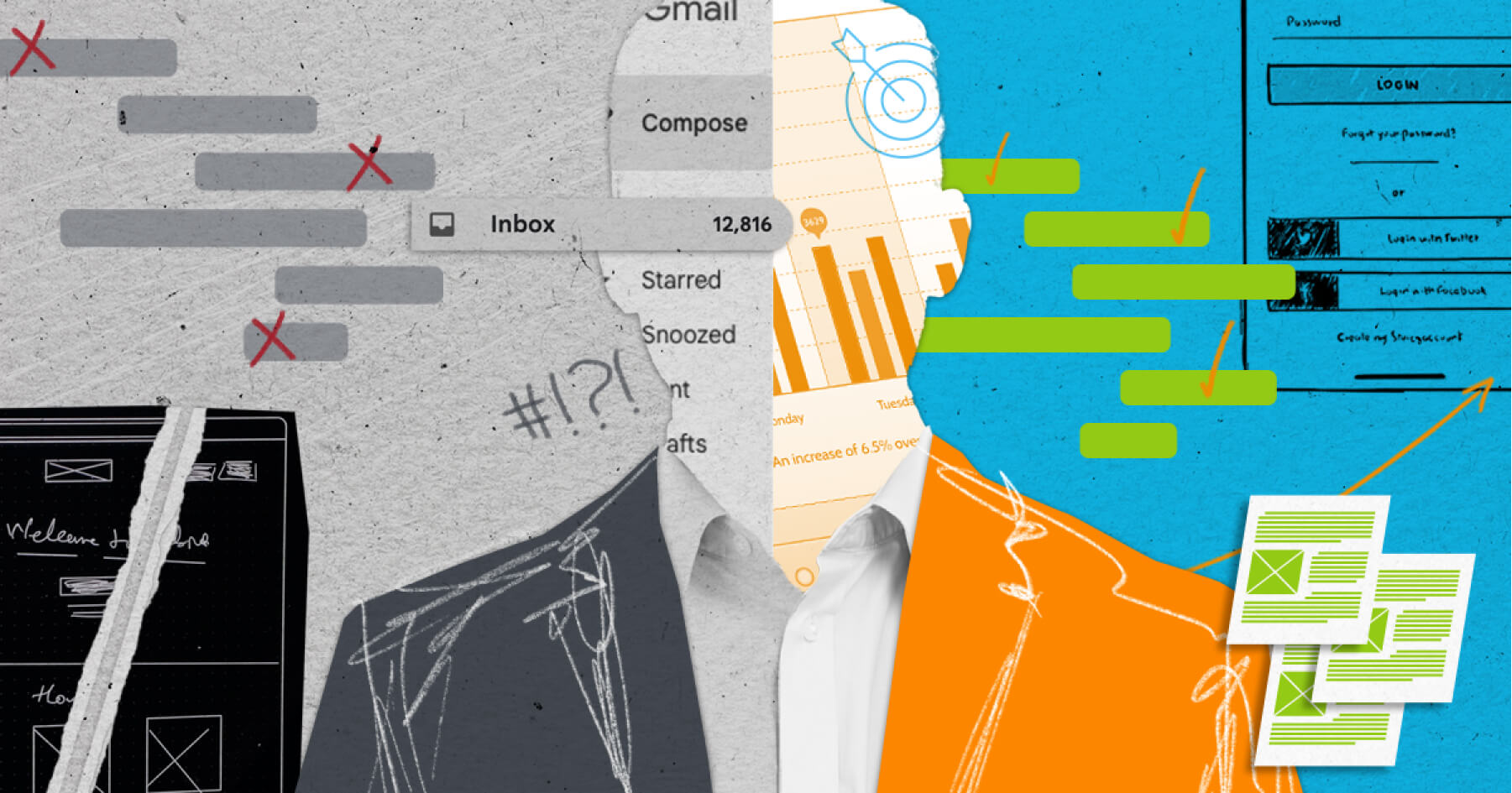
Cognitive exponents and LLM leverage
I know a few people for whom LLMs have been a near-immediate multiplier of attention and effort. I know a lot for whom LLMs clearly make them worse at thinking and doing things. So: why?
AI-Generated “Workslop” Is Destroying Productivity
Despite a surge in generative AI use across workplaces, most companies are seeing little measurable ROI. One possible reason is because AI tools are being used to produce “workslop”—content that appears polished but lacks real substance, offloading cognitive labor onto coworkers. Research from BetterUp Labs and Stanford found that 41% of workers have encountered such AI-generated output, costing nearly two hours of rework per instance and creating downstream productivity, trust, and collaboration issues. Leaders need to consider how they may be encouraging indiscriminate organizational mandates and offering too little guidance on quality standards. To counteract workslop, leaders should model purposeful AI use, establish clear norms, and encourage a “pilot mindset” that combines high agency with optimism—promoting AI as a collaborative tool, not a shortcut.

Ever thought we acquire generalizable knowledge by discarding details and compressing our experiences? In a new BBS paper, @sabinasloman.bsky.social and I argue otherwise, proposing a novel way of studying human learning inspired by double descent in ML. Disagree? Propose a commentary by May 15 :)
