Most digital activities between people, organizations, devices, and other entities require the exchange of messages and data. For entities to exchange messages and data for credential, app, or service flows, they need an interface through which to store, discover, and fetch data related to the flows and experiences they are participating in. A Decentralized Web Node (DWN) is a data storage and message relay mechanism entities can use to locate public or private permissioned data related to a given Decentralized Identifier (DID). Decentralized Web Nodes are a mesh-like datastore construction that enable an entity to operate multiple nodes that sync to the same state across one another, enabling the owning entity to secure, manage, and transact their data with others without reliance on location or provider-specific infrastructure, interfaces, or routing mechanisms.
DWeb
DWeb connects the people, projects and protocols essential to building a decentralized web. A web that is more private, reliable, secure and open. A web with many winners—returning to the original vision of the World Wide Web and internet.
The Debate Over DWeb vs. Web3 & The Decentralized Elephant in the Room | FFDW
Comparing DWeb and Web3's approaches to decentralization, focusing on the key question: who designs, controls, and benefits from these technologies?

DWeb
These principles define the values of a decentralized web based on enabling agency of all peoples. It is the basis for behavioral norms and mutual accountability.
DWeb
These principles define the values of a decentralized web based on enabling agency of all peoples. It is the basis for behavioral norms and mutual accountability.
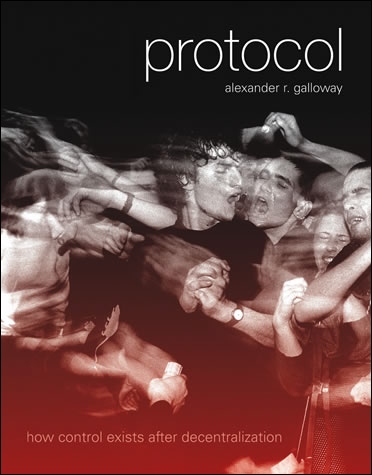
Protocol: How Control Exists after Decentralization
How Control Exists after DecentralizationIs the Internet a vast arena of unrestricted communication and freely exchanged information or a regulated, highly
WillSearch – GuardianDB. A peer-to-peer database for the Decentralized Web.
A High-performance, local-first decentralized database built on Rust and Iroh
Composing capability security and conflict-free replicated data types — Spritely Institute
In August, I attended the DWeb Seminar where a small group of builders gathered to discuss the state-of-the-art and open problems in the distributed web space. Some in the group are primarily concerned with distributed data and focus on sync algorithms and local-first use cases. I am mainly concerned with distributed behavior and focus on the object capability security model. Both areas of study are steeped in their own lore and research papers, which makes it difficult for the two camps to communicate effectively with each other.
EFFecting Change: How to Build a Decentralized Web That Truly Works for All
Mathieu Lefebvre — Product Designer
For several months now, I have been passionate about decentralized social networks. A federated social network is a platform composed of independent servers that communicate with each other using common protocols.
The ecosystem is moving
Considerations for distributed and decentralized technologies from the perspective of a product that many would like to see decentralize....
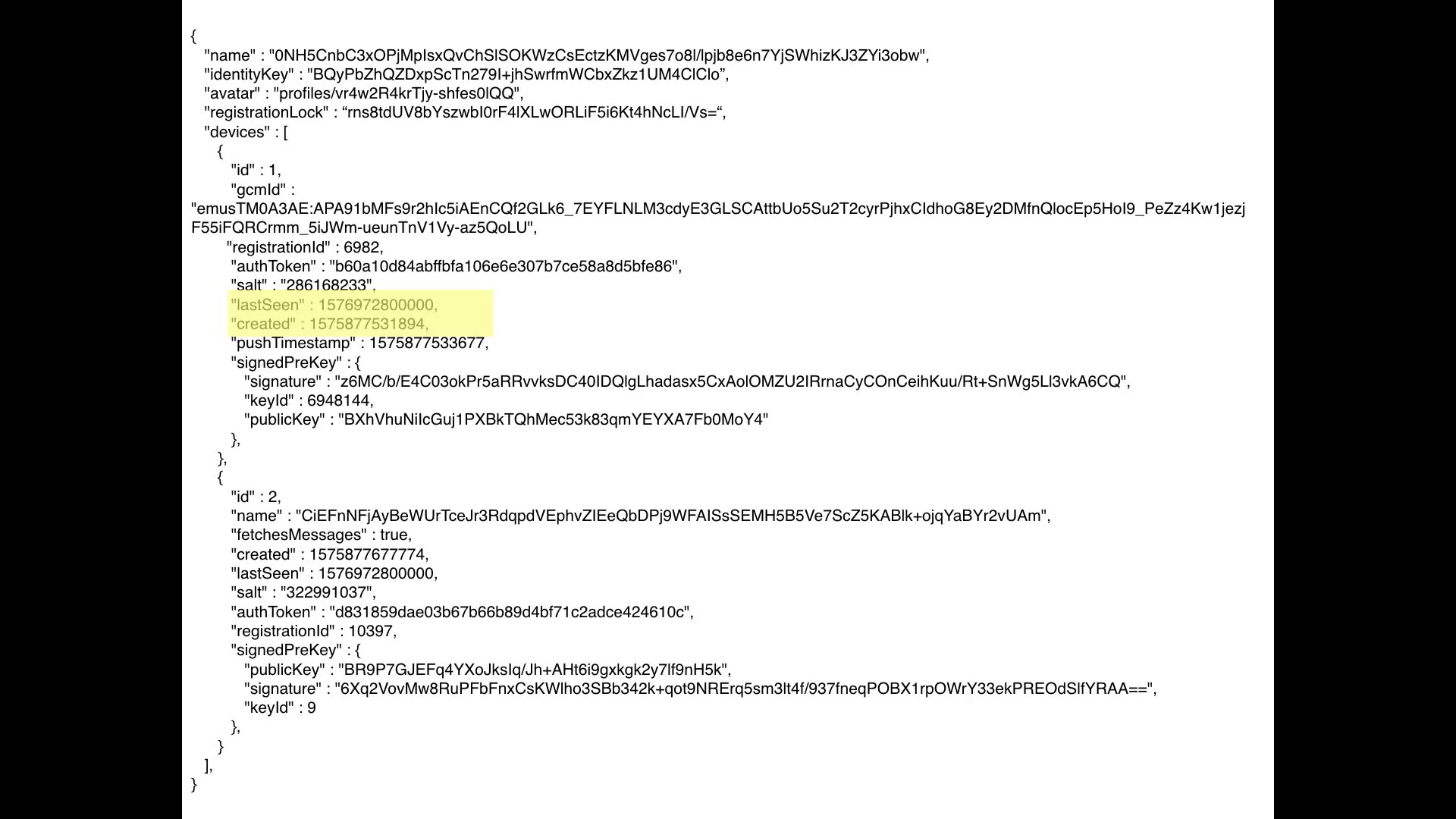

DSNP - Decentralized Social Networking Protocol
DSNP establishes a shared social layer no longer dependent on a specific app or centralized platform.
Practical Decentralization
The point of decentralization is to guarantee the rights of individuals and communities on the Internet. Pulling that off is a balancing act between practicality and ideology.
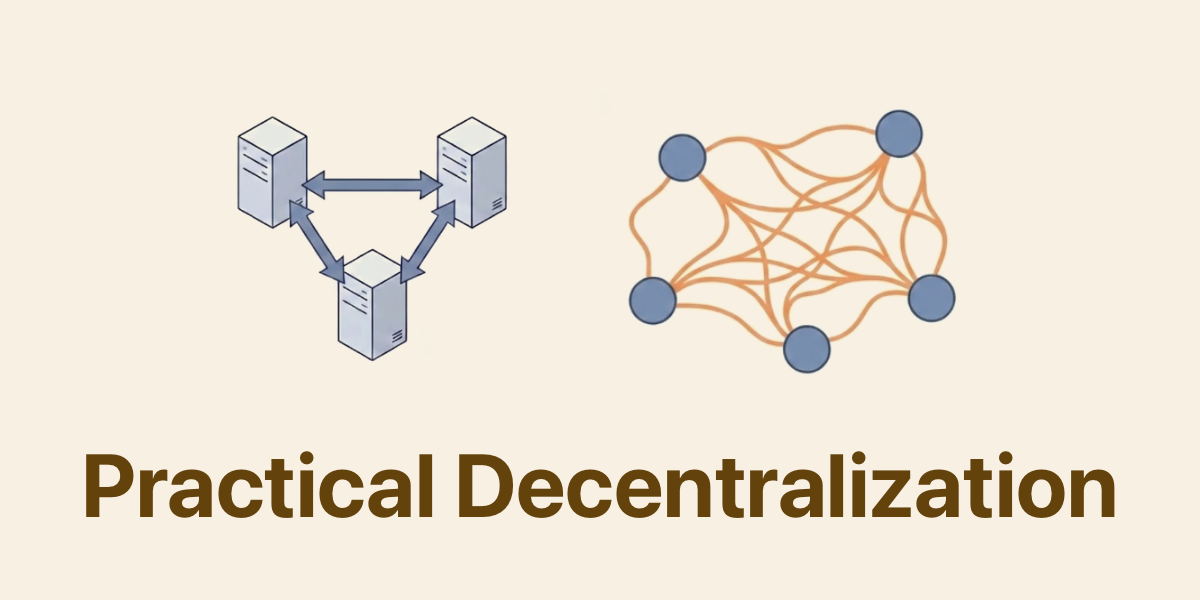
Practical Decentralization
The point of decentralization is to guarantee the rights of individuals and communities on the Internet. Pulling that off is a balancing act between practicality and ideology.
Wildland (@WildlandIO) on X
An open protocol for data management that allows users to have sole ownership of their data. Join us! https://t.co/AqwplMcG9u Developed by @GolemFoundation