


Wickham et al., (2019). Welcome to the Tidyverse. Journal of Open Source Software, 4(43), 1686, https://doi.org/10.21105/joss.01686
Linking the world's research to the code it runs on - OpenAlex blog
Research relies on software. Software written by scientists, for science, runs through the entire modern research stack: NumPy and SciPy, R and ggplot2, Jupyter, BLAST, ImageJ, AlphaFold. Yet in the scholarly record, that software is nearly invisible. Software is not usually cited formally in publications and is usually just mentioned in the text, which means […]

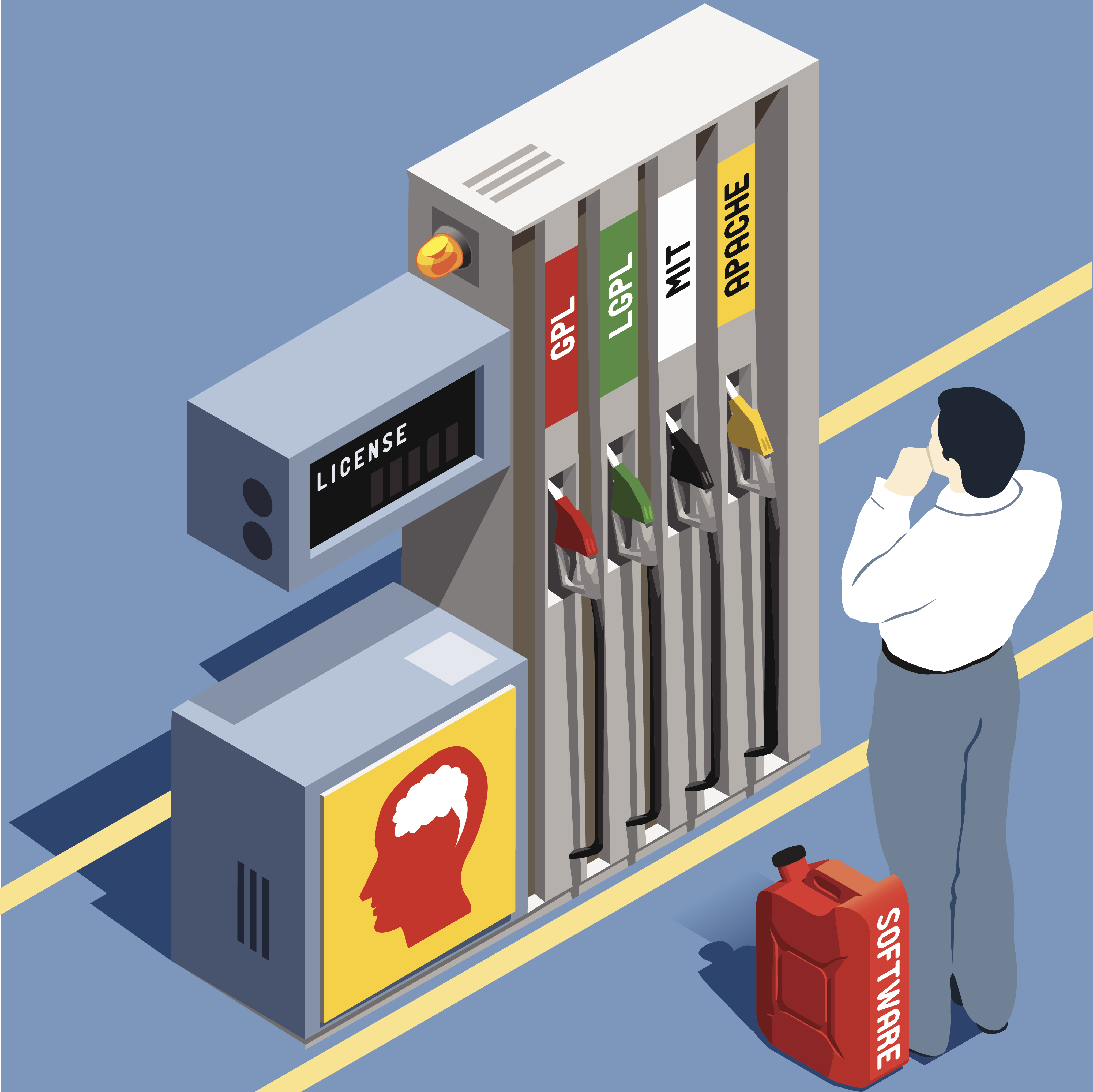
Producing Open Source Software
Copyright © 2005-2023 Karl Fogel, under the CreativeCommons Attribution-ShareAlike (4.0) license.
Introducing Patchwork-26
The Innovations of Open Source
Dirk Riehle, Friedrich-Alexander-Universität Erlangen-Nürnberg In IEEE Computer vol. 52, no. 4, pp. 59-63. Open source has given us many innovations. This article provides an overview of the most i…

Anna’s Archive: LibGen (Library Genesis), Sci-Hub, Z-Library in one place - Anna’s Archive
The world’s largest open-source open-data library. Mirrors Sci-Hub, Library Genesis, Z-Library, and more.
relevant_tools.csv · darkshapes/relevant_tools at main
We’re on a journey to advance and democratize artificial intelligence through open source and open science.

The Interface of Kai Krause's Software @mprove
Matthias Müller-Prove, Innovative Benutzungsschnittstellen, 1998/99, University of Hamburg

Ten quick tips to SNIFF out sustainable and secure scientific software
Modern computational biology depends heavily on open-source software tools, analysis pipelines, and containerized workflows developed and shared by the research community. While there is extensive guidance (including Quick Tips and Simple Rules articles) on how to build robust and sustainable scientific software, far less has been written for researchers in the role of software users evaluating whether an existing tool is reliable, secure, and sustainable enough for their work. Here we present ten quick tips to help researchers critically assess the tools they adopt. Our tips are organized around a framework that centers on key evaluation features: source, network, interaction, fit, and fragility (SNIFF). These dimensions prompt researchers to consider who maintains a tool and why, whether it is embedded in a broader ecosystem, how actively its developers and users engage, whether it matches the intended use case and licensing requirements, and how robust its dependencies and security practices are. By applying these tips, researchers can make more informed decisions, reduce the risk of relying on abandoned or insecure software, and contribute to a more sustainable scientific software ecosystem.
Introducing GreenEarth
We're building advanced open source algorithms for social media


How open-source software took over the world | TechCrunch
It was just five years ago that there was an ample dose of skepticism from investors about the viability of open source as a business model. Fast-forward to today and we’ve witnessed the growing excitement in the space.
If you're interested in perusing another one of my chaotic codebases, I wrote a sync engine for semble and margin records! github.com/stormlightlabs/marker/blob/ma…
Linux Toolbox

A collection of programs for Linux that I’ve found useful/fun or are my favourites!
Wiki

Wiki software
Malleable Software

Software that gives users extreme agency over the interface, such as JIT interfaces.
robot.wtf — Memory for agents in a wiki for humans
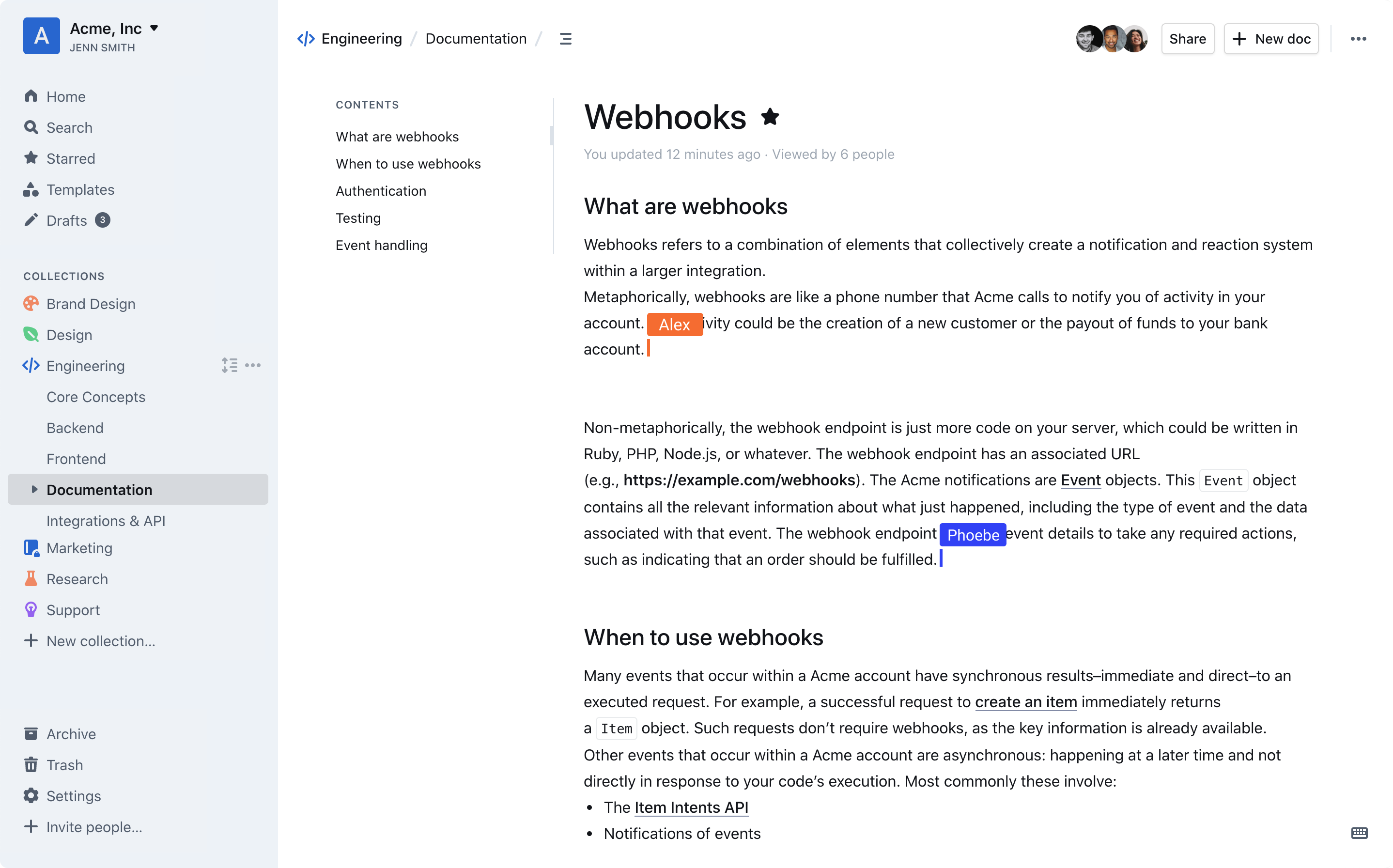
Outline – Team knowledge base & wiki
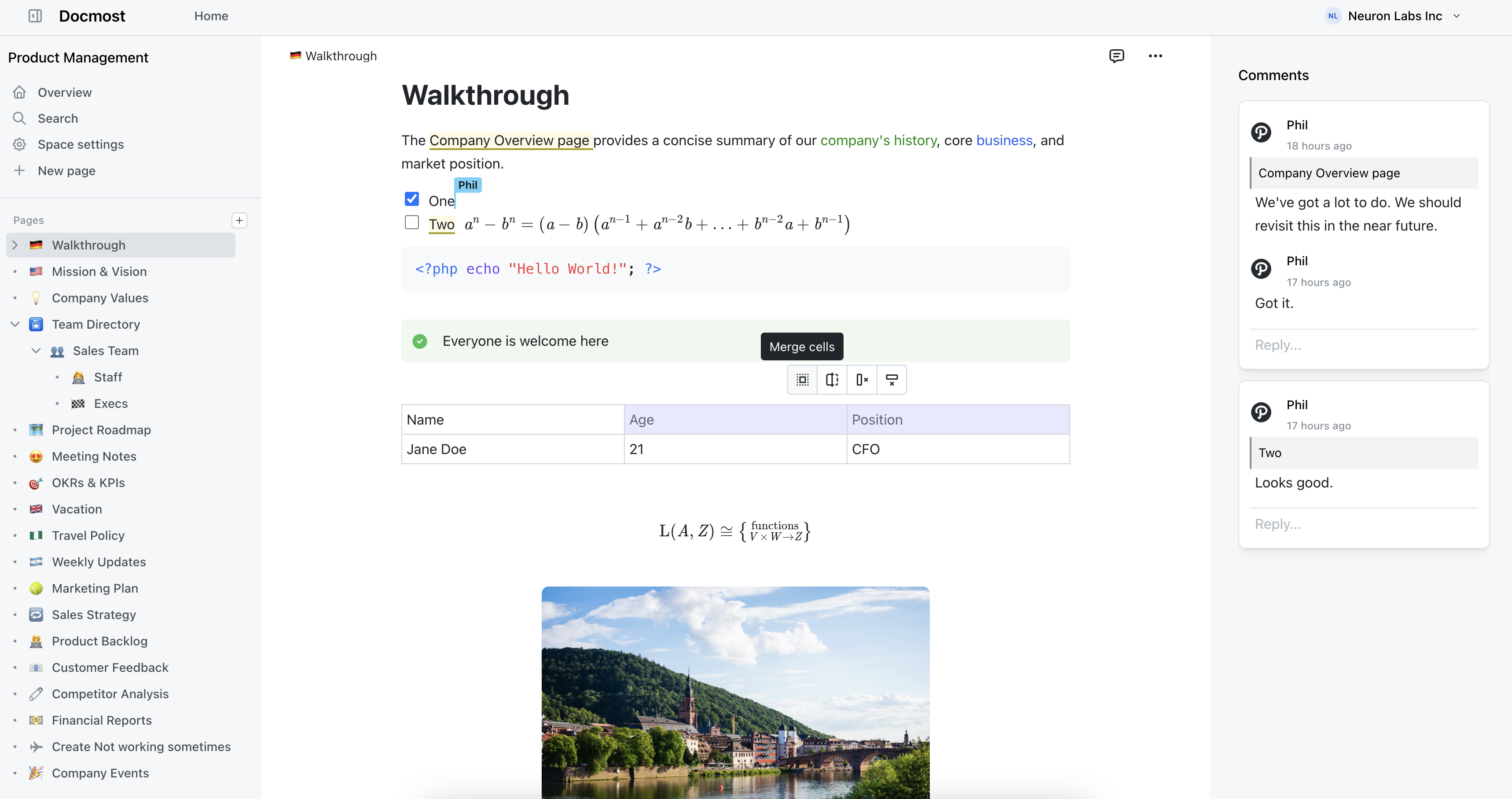
Enterprise-ready Wiki for Teams | Docmost
Lichen
Cardigan Bay Wiki :: AboutThisWiki
interstar/cardigan-bay
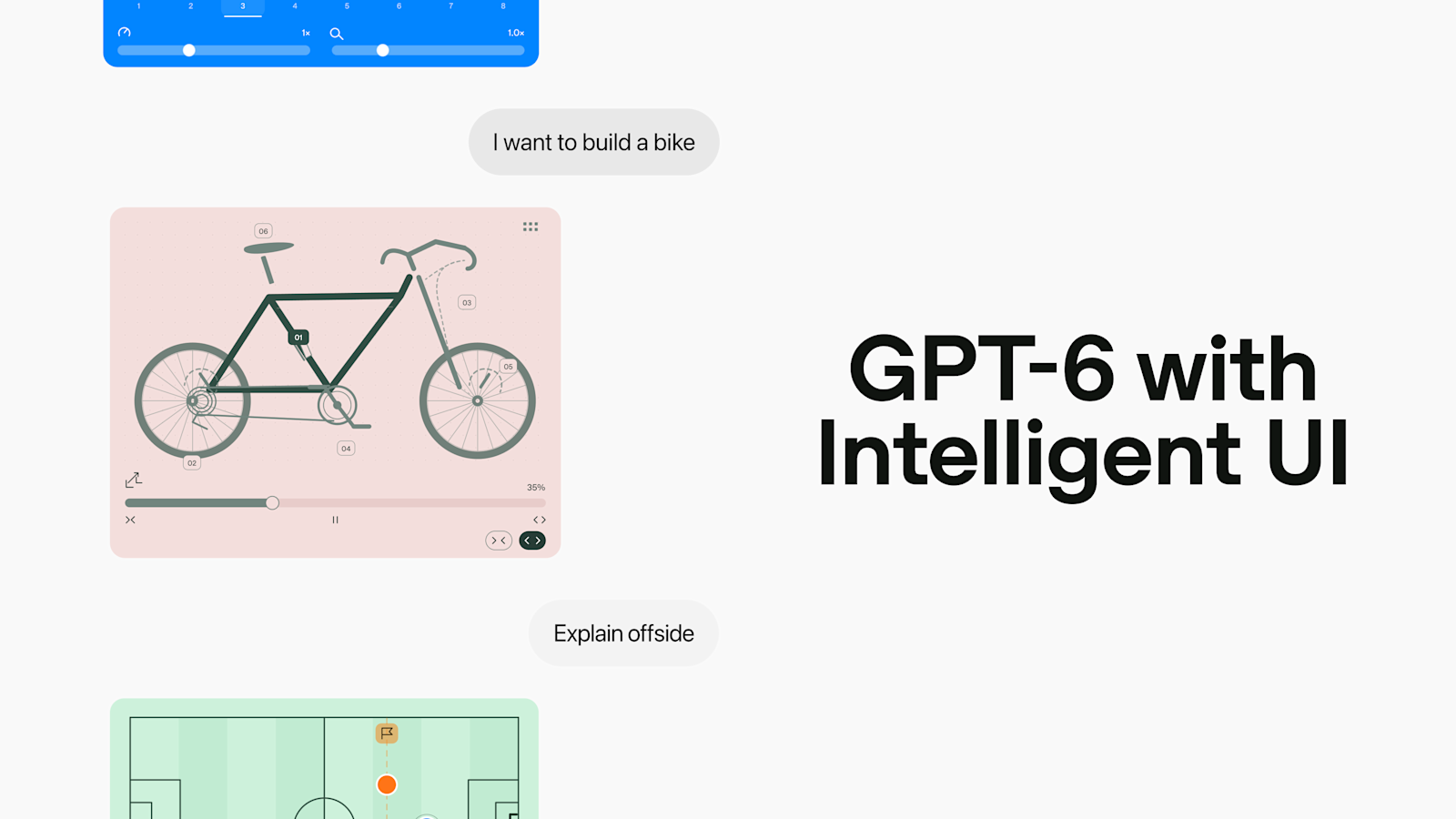
GPT-6 and Intelligent UI for everyone
Web Tiles (by paperpilot.dev) — Semble

Introducing Patchwork-26
Install Spider on Linux | Flathub
wimpysworld/sidra
Install Buffer on Linux | Flathub
johnfactotum/runemaster
Install Gear Lever on Linux | Flathub
Install Concessio on Linux | Flathub
