

We live under a capitalist mode of computing. The tools, languages, techniques, and assumptions of digital systems are structured by economic forces that shape not just what we can do, but what we can imagine doing. By separating production from use, producing inflexible software, and slicing up computing into siloed apps, your agency is held back by a tech industry that profits from a population rendered computationally passive.
Liberatory Computing
We live under a capitalist mode of computing. The tools, languages, techniques, and assumptions of digital systems are structured by economic forces that shape not just what we can do, but what we can imagine doing. By separating production from use, producing inflexible software, and slicing up computing into siloed apps, your agency is held back by a tech industry that profits from a population rendered computationally passive.
Insolvent: How to Reorient Computing for Just Sustainability
How we can enact meaningful change in computing to meet the urgent need for sustainability and justice.The deep entanglement of information technology with

Where Did Software Go Wrong? | Jesse Li
Software is broken, but it's not because of NPM, startups, AI, or venture capitalists. A deep dive into how we think about and produce code, and how our software systems reflect the manic state of the modern world.

Amazon Created The Socialist Dream
SimPolitics
For more than six decades, the public has been promised that computers will revolutionize politics, both nationally and internationally. In SimPolitics, Fenw...

Computing, Complexity and Degrowth : Systemic Considerations for Digital De-escalation
Research on digital degrowth predominantly critiques digital expansion or presents alternative digital practices. Yet, analyzing the link between digital technologies and complexity is crucial to overcome systemic obstacles hindering digital de-escalation. This article presents the different types of links between complexity and computing observed in the literature: the infrastructural complexity inherent in digital technologies, the socio-political complexity induced by them, and finally, the ontological complexity (individual’s ways of relating to their environment) hindered by digitization. The paper explores these links to identify ways to reduce infrastructural and socio-political complexities, and to move away from the reductionist paradigm, in order to support digital degrowth. Its development shows that complexity induces ratchet effects (i.e. irreversibilities in the development of a technique in a society), rendering degrowth efforts difficult to handle by individuals. Therefore, strategies to overcome these barriers are proposed, suggesting that bottom-up simplification approaches stand a greater chance of making alternatives emerge from different stakeholders (including users). This digital shift assumes the development of methods and technical tools that enable individuals to disengage from their attachments to digital habits and infrastructure, opening a substantial field of study.
Impressions from visiting OpenAI, Anthropic, & Cursor
A peek into where software engineering is headed from inside the sector’s leading AI labs. Agents running in the cloud are a major trend, while coding harnesses are spreading beyond the craft

Code Was Never the Asset - The Phoenix Architecture
Why AI makes the hidden economics of software unavoidable
Redefining our needs: Permacomputing and Vernacular computing
How to ensure an increasing focus on sustainability in computing?

Malleable software: Restoring user agency in a world of locked-down apps
The original promise of personal computing was a new kind of clay. Instead, we got appliances: built far away, sealed, unchangeable. In this essay, we envision malleable software: tools that users can reshape with minimal friction to suit their unique needs.

Cyber-Marx: Cycles and circuits of struggle in high technology capitalism - Nick Dyer-Witheford
The complete text of Nick Dyer-Witheford's 1999 book, which provides an analysis of information-age capitalism and the movements currently dissolving it. In PDF format.

It is a shame that "democratization" in software has come to mean broader access to products instead of participation in democratic processes — there is talk of LLMs democratizing software production, but I have yet to see social, collective and democratic processes govern the design of software.
”The distinction between programmer and user is reinforced and maintained by a tech industry that benefits from a population rendered computationally passive. If we accept and adopt the role of less agency, we then make it harder for ourselves to come into more agency.”

always-already-programming.md
gist.github.comThe idea of a "tech industry" has always relied on "computer" being a special kind of medium, akin to alchemy. And if tech demands to be king, AI hype has now elevated LLMs to a king of kings. But the solipsism has hit a dead end. The only way forward is to recognize that computers are not special.

LLMs are just normal technology. But tech is just a normal medium.
productpicnic.beehiiv.comPost-app computing

Imagining computing beyond siloed, rigid apps
Liberatory Computing
A community seeking to catalyze discontent with the state of computing by understanding the roles of production, labor, and power in shaping the foundations of digital systems. libcomp.org

Rewildpunk: The Counterculture AI Actually Needs
Phil Agre's Home Page

It was a huge honor to present the opening keynote address at #SIGIR2026 and to talk about the need for IR to resist uncritical adoption of…
We Refuse, We Want, We Commit: Volume 1

Informatics of the Oppressed
On The Enshittification of Audre Lorde: "The Master's Tools" in Tech Discourse

Nobody Wants Your Damn App

Golems, smart objects, and the file metaphor
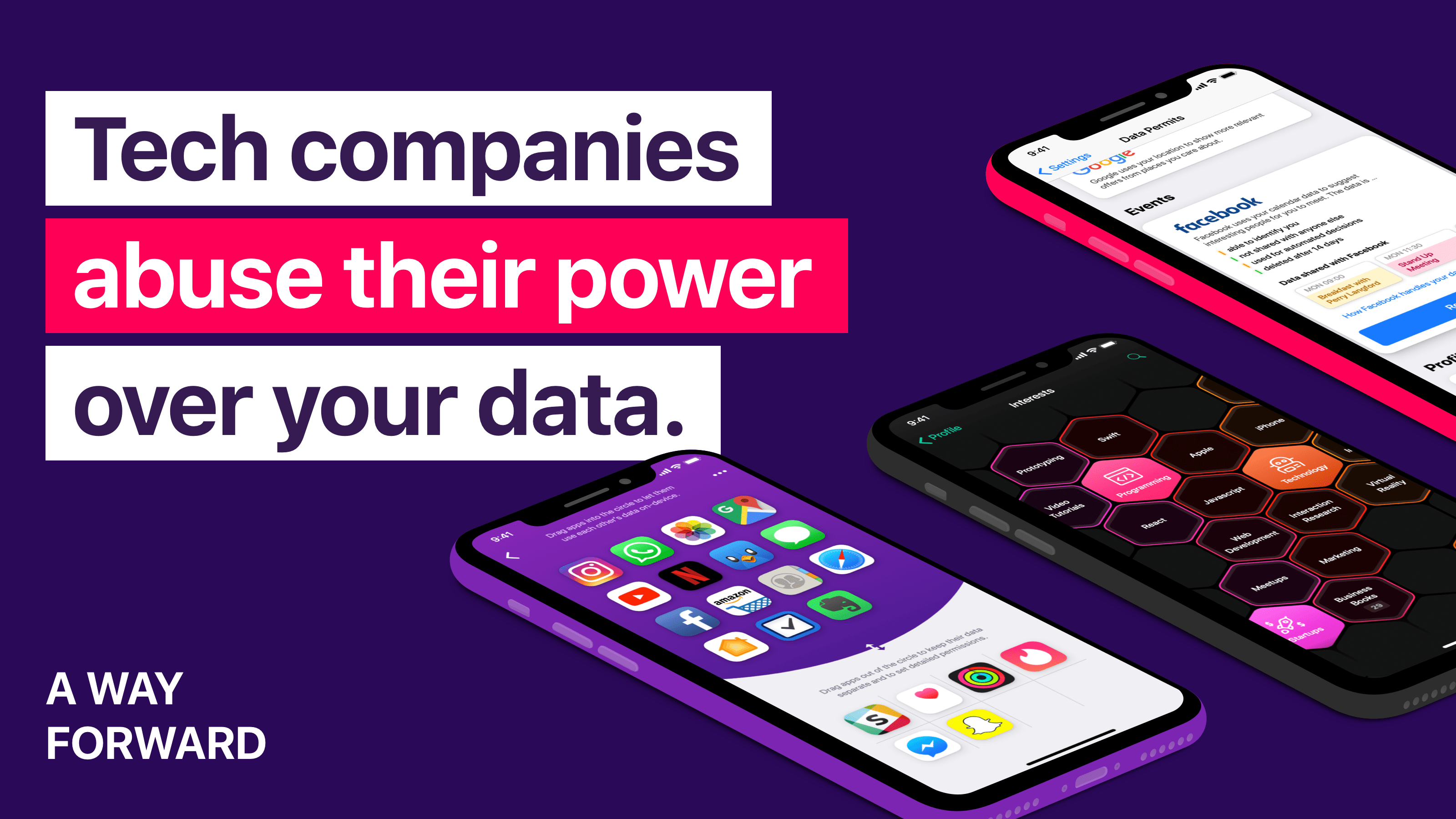
Rethinking how technology uses our personal data
User-tailorable systems: pressing the issues with buttons
everest-pipkin.com

Wesley Finck (@wesleyfinck.org)

