

Alex Cheema on Twitter / X
This is why we need open benchmarks for local AI.Otherwise it turns into tribalism and name calling.We will be publishing the largest database of open benchmarks for local AI, tested on 1,000+ real hardware setups. Every device, every interconnect, different… https://t.co/ZsU3PCdSsZ— Alex Cheema (@alexocheema) March 9, 2026
Together AI | The AI Native Cloud
Build what's next on the AI Native Cloud. Full-stack AI platform for inference, fine-tuning, and GPU clusters — powered by cutting-edge research.
AI-Native Cloud | DigitalOcean
Run AI products in production with a unified stack for agents, inference, and cloud—built for control, performance, and economics at scale.
View @Jefflau's post on Firefly
I think what's interesting is that the desire for local AI may inadvertently create a lot more local node users. It's a fraction of the actual compute local AI needs and just requires a decent amount of disk space.
Coasts — Containerized Hosts for AI Agents
Free, open source parallel runtimes for AI agents. Run multiple isolated environments on your machine — no cloud, no conflicts.

Cloudflare Workers AI | Open-source AI inference
Workers AI facilitates the scalable development & deployment of AI applications at the edge.

Local-First AI Inference: A Cloud Architecture Pattern for Cost-Effective Document Processing
The Local-First AI Inference pattern routes 70–80% of documents to deterministic local extraction at zero API cost, reserving Azure OpenAI calls for edge cases and flagging low-confidence results for human review. Deployed on 4,700 engineering drawing PDFs, it cut API costs by 75% and processing time by 55%, while bounding errors through a human review tier.

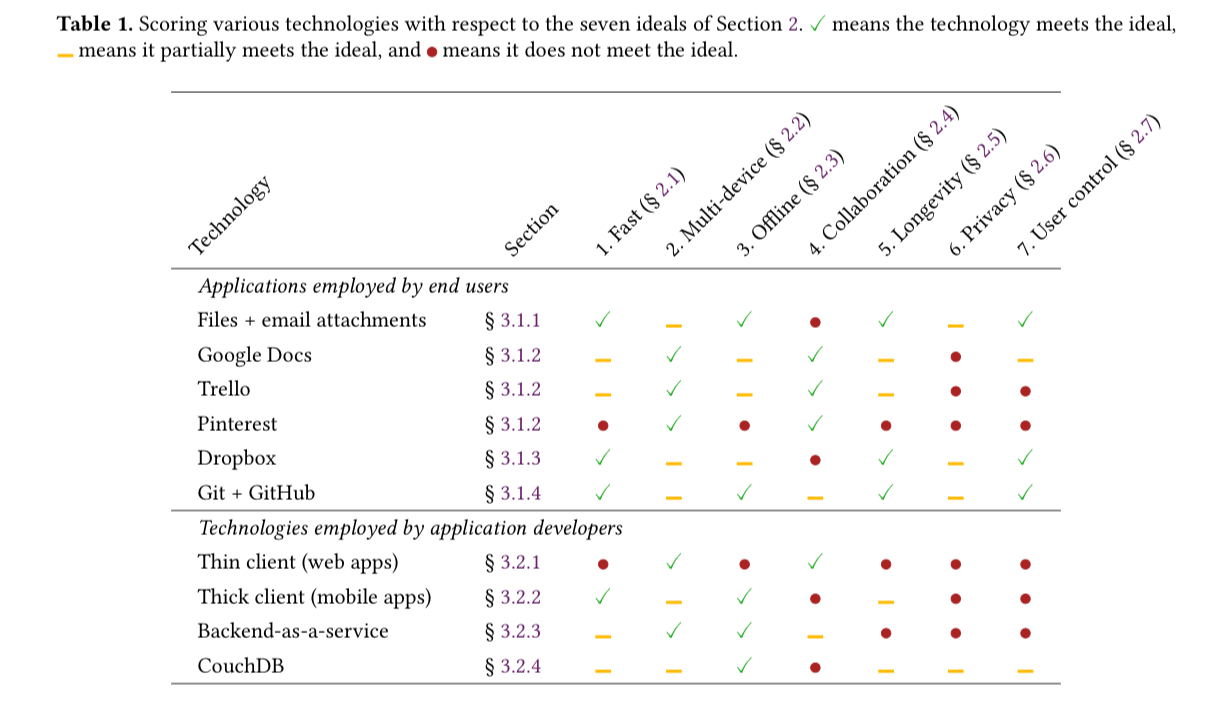
Local-first software: you own your data, in spite of the cloud
Local-first software: you own your data, in spite of the cloud Kleppmann et al., Onward! ’19 Watch out! If you start reading this paper you could be lost for hours following all the interesti…
Nativ — Local AI for your Mac
Frontier intelligence on your desk. No accounts, subscriptions, or cloud.
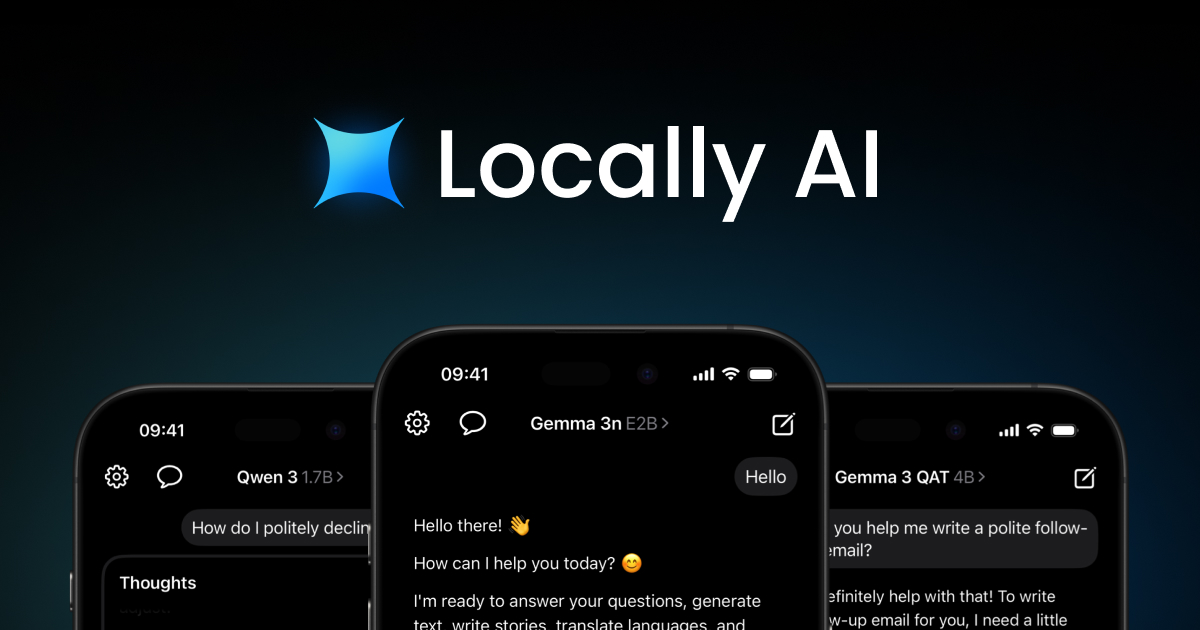
Locally AI - Run AI models locally on your iPhone, iPad, and Mac.
Run Llama, Gemma, Qwen, DeepSeek, and more on your iPhone, iPad, and Mac. Optimized for Apple Silicon. Offline. Private.
AI Model & API Providers Analysis | Artificial Analysis
Comparison and analysis of AI models and API hosting providers. Independent benchmarks across key performance metrics including quality, price, output speed & latency.
Beyond the Cloud: Brooklyn Zelenka on Local-First Software
Why rely on the cloud when your devices are already powerful? Brooklyn Zelenka explains how local-first computing is revolutionizing software development for collaboration without constant connectivity.
How to Build an AI Data Center | IFP
Part One of Compute in America: Building the Next Generation of AI Infrastructure at Home

Where are the local AI apps?
Millions build AI apps with natural language, but local AI deployment remains complex. Why?

Local AI

Resources for a local AI setup
Independent benchmark quality and measured serving performance for local hardware you can buy.
Running local models on an M4 with 24GB memory | jola.dev
Why and How to Run Local Models in Zed
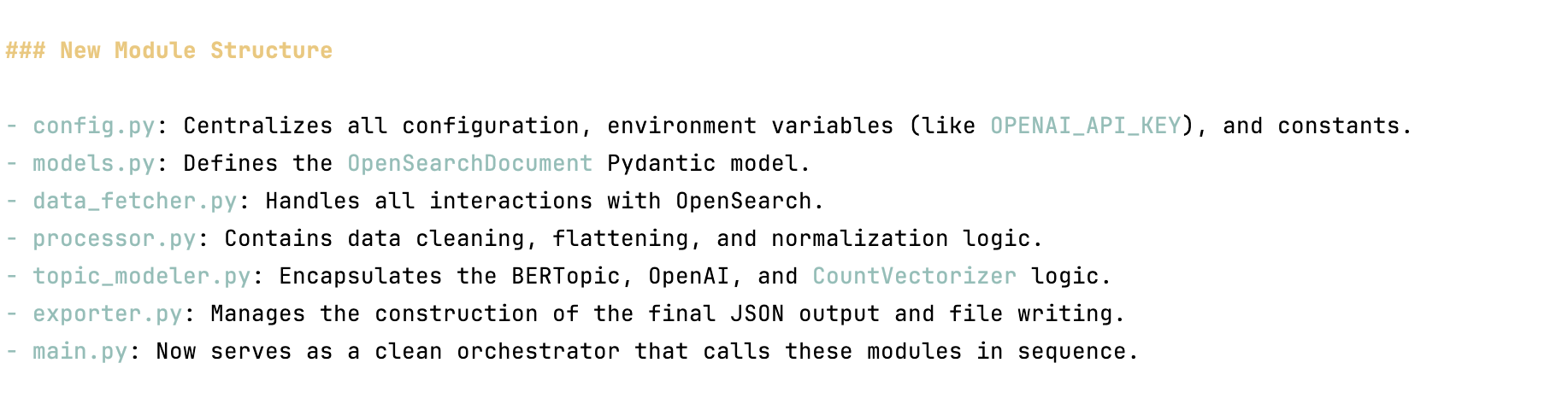
Running local models is good now
Local AI

AI running locally on your device and/or regionally under control of a group, rather than a corporate cloud version.
jundot/omlx
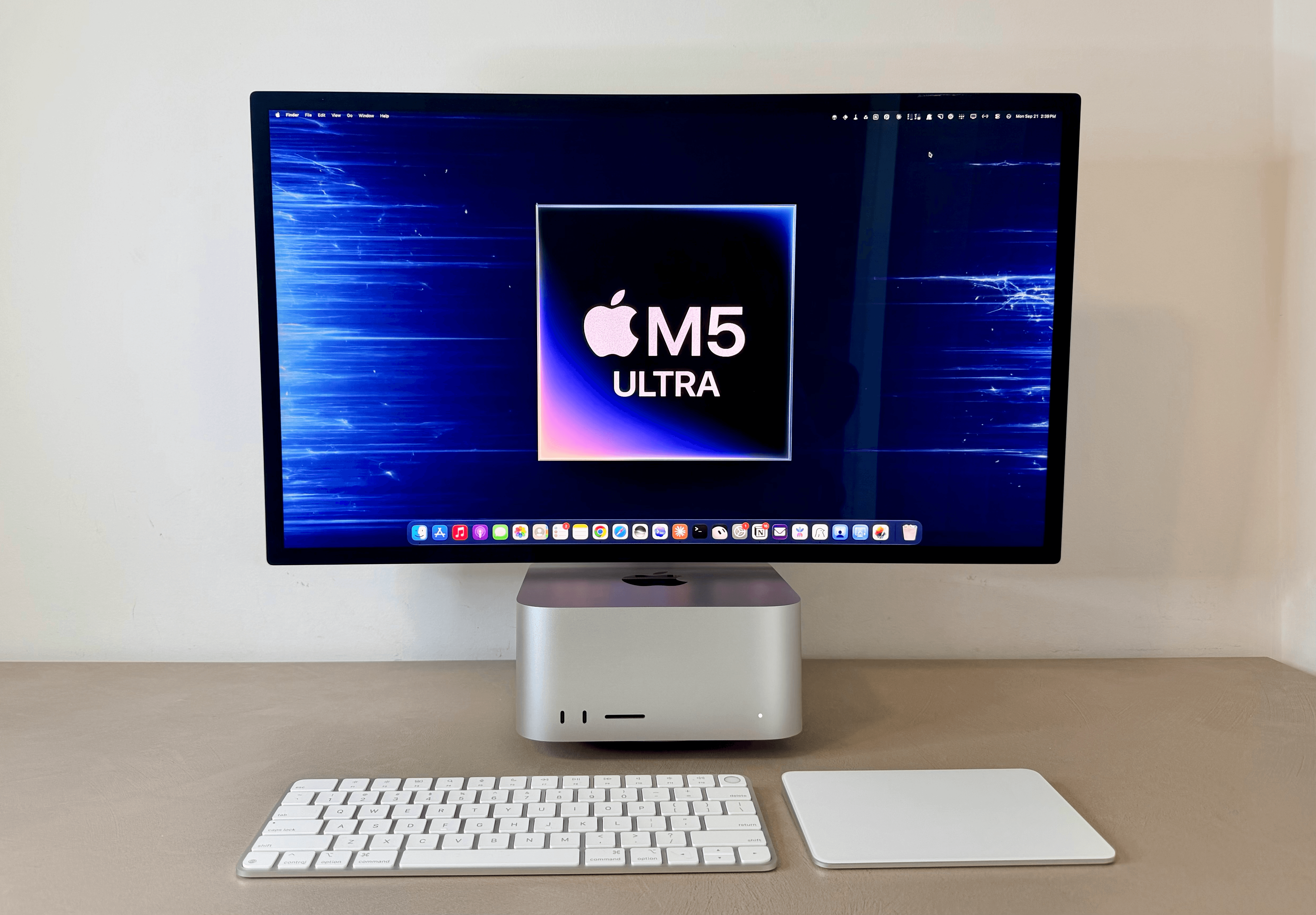
M5 Ultra Mac Studio Review: The Dream Mac for Local AI Agents

so that new Mac Studio and M5 Ultra have me thinking about 2030 now the wildcard on the $1200ish 2030 Mac Mini is RAM. who knows what the…

talat - the local transcription app for meetings, dictation, and recordings
sandsaber/Grimoire
Local Qwen isn't a worse Opus, it's a different tool