

On friction, patience, and planting trees.
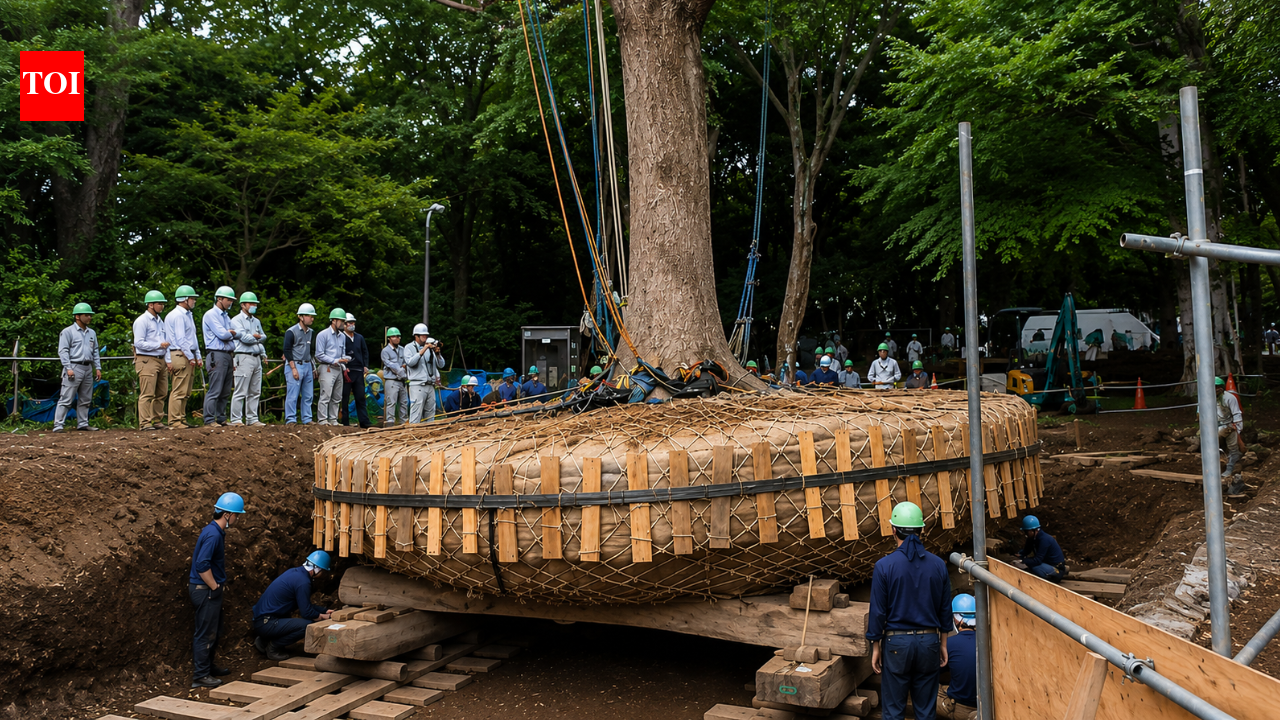
Japan does not cut down centuries-old trees for development. Instead, experts spend months preparing their roots and relocating them
When roads, railways or new buildings are planned, centuries-old trees are often among the first casualties of development. In Japan, however, some of the country's most valuable trees are given a second chance.
Dark Forestry | Henry From Online
Seasons are changing for technologists, and the industry we work in isn't the same as it was a decade ago. We have new realities and new responsibilities to accept.

Tool Making Follow-Up: What I Mean by Friction
Hopefully clearing up some of my vagueness to reduce misunderstanding.

How to solve climate change and make life more awesome
We already have all the tools we need to fix climate change. We just need to use them.

We should be more tired than the model
Adding deliberate friction back into development


It’s Time to Embrace Slow Productivity
We need fewer things to work on. Starting now.

Dario Amodei — Policy on the AI Exponential
In one of the side plots to The Lord of the Rings, two of the Hobbits attempt to rouse Treebeard—a wise but ponderous sentient tree—to defend his forest from an army that is cutting it down. The problem is that Treebeard operates at a very different speed than the Hobbits. It takes him a full day simply to say hello to another tree, so getting him and his peers to act fast enough is nearly impossible.
Sands of Time
Chip away at blocks of stone to make grains of sand for harnessing the power of time!
Crown shyness: are trees social distancing too? | Natural History Museum
If you look up in some forests, you might notice conspicuous gaps between the trees' branches. © Pongpawan Sethanant/ Shutterstock
We argue badly, and nothing accumulates. How could we do better? | Reason Commons — Issue Trees & Logical Thinking Process
Millions of people argue every day about the things that matter most — climate change, what to do about AI, how we might build a better world. Some of it is sharp, even insightful. And almost none of it accumulates.
Nate on Twitter / X
OSTP just released 'Science: A New Golden Age' — 72 pages modeled on Vannevar Bush's 1945 report. I read the whole thing. It's remarkably good.The sharpest insight is on page 60. AI could do to science what fire suppression did to forests: make each individual tree safer while…— Nate (@NateWBradford) July 21, 2026
Trees for Cities | Trees for Cities
We are the only charity working at a national scale to improve lives by creating greener cities.

friction is good

how friction and struggle help grow, learn, create, develop.
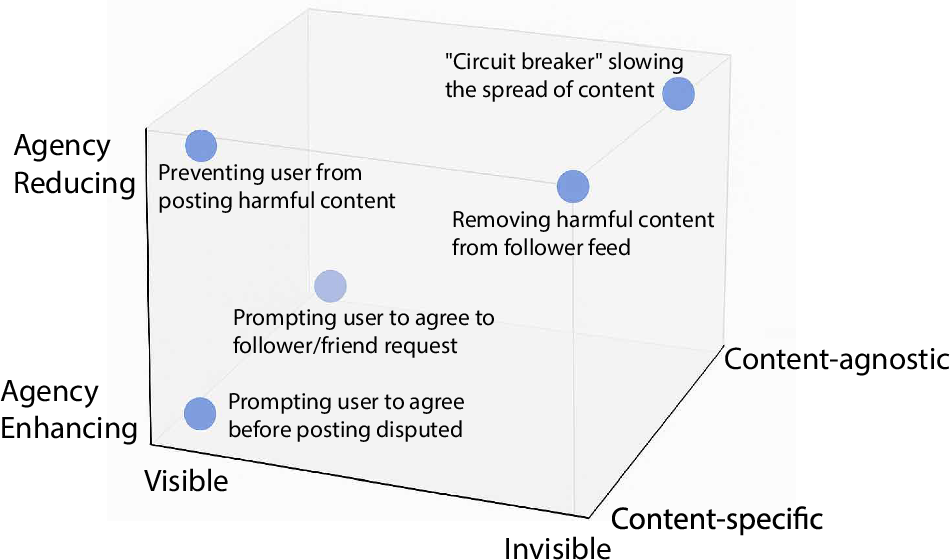
The case against efficiency: friction in social media
Writing by Hand is Good for your Brain - Here's how to do it

AI Coding will Prevent Expertise | Lars Faye

Cognitive Surrender
AI Dry July: Aborted

Japanese web design: weird, but it works. Here's why