


TOKYO (AP) -- Organizers of last year's COVID-delayed Tokyo Olympics were expected to place the final cost of the Games at 1.42 trillion yen, about tw
Tokyo Olympics say costs $12.6B; Audit report says much more
TOKYO (AP) — Tokyo Olympic organizers said Friday they are spending 1.35 trillion Japanese yen — about $12.6 billion — to stage next year’s games. Organizers said the expenditure is unchanged…

Official Costs of Tokyo Olympics Up by 22% to $15.4 billion
The Olympics are to open on July 23, 2021.
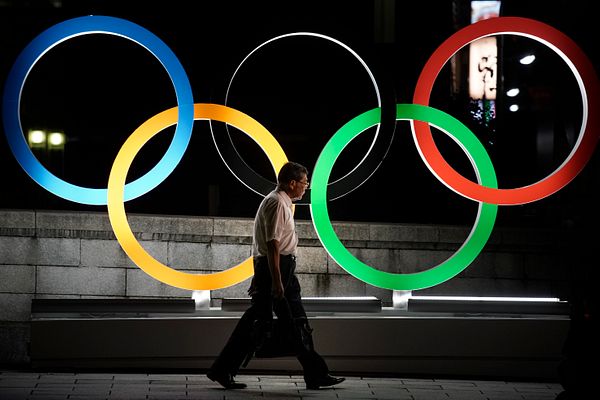
Tokyo Olympics sullied by bid-rigging, bribery trials more than 2 years after the Games closed
TOKYO (AP) — The bid-rigging trial around the Tokyo Olympics played out Tuesday in a Japanese courtroom — more than two years after the Games closed — with advertising giant Dentsu and five other c…

Concerns and controversies at the 2020 Summer Olympics
A number of concerns and controversies arose leading up to the 2020 Summer Olympics, which took place in Tokyo, Japan. The games were postponed until July 2021 as a result of the COVID-19 pandemic. The IOC stated that their Japanese partners and the former prime minister Shinzo Abe "made it very clear" in 2020, "that Japan could not manage a postponement beyond next summer [2021] at the latest".[1] Just weeks before the opening of the Tokyo Olympics, honorary patron Emperor Naruhito was said to be "extremely worried about the current status of coronavirus infections",[2] and was "concerned that while there [were] voices of anxiety among the public, the holding (of the events) may lead to the expansion of infections".[3]
Cost and Revenue Overruns of the Olympic Games 2000–2018
In this open access book the cost and revenue overruns of Olympic Games from Sydney 2000 to PyeongChang 2018 from eight years before the Games to Games‐time are investigated to provide a base for future host cities. The study is based on data collected worldwide.
Cost and Revenue Overruns of the Olympic Games 2000–2018
In this open access book the cost and revenue overruns of Olympic Games from Sydney 2000 to PyeongChang 2018 from eight years before the Games to Games‐time are investigated to provide a base for future host cities. The study is based on data collected worldwide.
Tokyo Games offer 'playbooks' to assure athletes, sway public | CBC Sports
Tokyo organizers and the IOC on Wednesday began explaining in public just how they hope to do it, rolling out "playbooks" to detail the ways that 15,400 athletes will enter Japan — and exit Japan — with the Olympics opening on July 23 and the Paralympics a month later.

Mainz-Paris study: Cost overruns of Olympic Games comparable to other large-scale projects
The question of costs of Olympic Games has been widely debated in recent years and fueled considerations about whether holding the Games is justified at all in view of the overall costs and especially with regard to the budget overrun. However, there is often a lack of concrete data to show exactly which costs can be attributed to the Games. Sports economists at Johannes Gutenberg University Mainz (JGU) in Germany in cooperation with the Université Paris 1 Panthéon-Sorbonne in France have now compiled a comprehensive list of expenditures and revenues of the Olympic Games from Sydney 2000 to PyeongChang 2018. The results show that the costs of organizing the Olympic Games (OCOG budget) were always covered by revenues and even led to profits. Although infrastructure costs, which are usually financed using taxpayers' money, exceeded the original projections, these were in line with those of other large-scale projects. For the study, the sports scientists analyzed about 280 primarily non-public documents on all Olympic Games since 2000. The 170-page study will soon be published by the Springer Verlag publishing company. A summary with the most significant results is already available.
Effect of the Tokyo 2020 Summer Olympic Games on COVID-19 incidence in Japan: a synthetic control approach
Background The Tokyo 2020 Summer Olympic Games (23 July–8 August 2021) were held in the middle of Japan’s fifth wave of COVID-19, when the number of cases was on the rise, and coincided with the fourth state of emergency implemented by the host city, Tokyo. Aim This study aimed to assess whether the hosting of the Games was associated with a change in the number of COVID-19 cases in Japan using a synthetic control method. Methods A weighted average of control countries with a variety of predictors was used to estimate the counterfactual trajectory of daily COVID-19 cases per 1 000 000 population in the absence of the Games in Japan. Outcome and predictor data were extracted using official and open sources spanning several countries. The predictors comprise the most recent country-level annual or daily data accessible during the Games, including the stringency of the government’s COVID-19 response, testing capacity and vaccination capacity; human mobility index; electoral democracy index and demographic, socioeconomic, health and weather information. After excluding countries with missing data, 42 countries were ultimately used as control countries. Results The number of observed cases per 1 000 000 population on the last day of the Games was 109.2 (7-day average), which was 115.7% higher than the counterfactual trajectory comprising 51.0 confirmed cases per 1 000 000 population. During the Olympic period (since 23 July), the observed cumulative number of cases was 61.0% higher than the counterfactual trajectory, comprising 143 072 and 89 210 confirmed cases (p=0.023), respectively. The counterfactual trajectory lagged 10 days behind the observed trends. Conclusions Given the increasing likelihood that new emerging infectious diseases will be reported in the future, we believe that the results of this study should serve as a sentinel warning for upcoming mega-events during COVID-19 and future pandemics.
Effect of the Tokyo 2020 Summer Olympic Games on COVID-19 incidence in Japan: a synthetic control approach
Background The Tokyo 2020 Summer Olympic Games (23 July–8 August 2021) were held in the middle of Japan’s fifth wave of COVID-19, when the number of cases was on the rise, and coincided with the fourth state of emergency implemented by the host city, Tokyo. Aim This study aimed to assess whether the hosting of the Games was associated with a change in the number of COVID-19 cases in Japan using a synthetic control method. Methods A weighted average of control countries with a variety of predictors was used to estimate the counterfactual trajectory of daily COVID-19 cases per 1 000 000 population in the absence of the Games in Japan. Outcome and predictor data were extracted using official and open sources spanning several countries. The predictors comprise the most recent country-level annual or daily data accessible during the Games, including the stringency of the government’s COVID-19 response, testing capacity and vaccination capacity; human mobility index; electoral democracy index and demographic, socioeconomic, health and weather information. After excluding countries with missing data, 42 countries were ultimately used as control countries. Results The number of observed cases per 1 000 000 population on the last day of the Games was 109.2 (7-day average), which was 115.7% higher than the counterfactual trajectory comprising 51.0 confirmed cases per 1 000 000 population. During the Olympic period (since 23 July), the observed cumulative number of cases was 61.0% higher than the counterfactual trajectory, comprising 143 072 and 89 210 confirmed cases (p=0.023), respectively. The counterfactual trajectory lagged 10 days behind the observed trends. Conclusions Given the increasing likelihood that new emerging infectious diseases will be reported in the future, we believe that the results of this study should serve as a sentinel warning for upcoming mega-events during COVID-19 and future pandemics.

Regression to the Tail: Why the Olympics Blow Up
The Olympic Games are the largest, highest-profile, and most expensive megaevent hosted by cities and nations. Average sports-related costs of hosting are $12.0

Regression to the Tail: Why the Olympics Blow Up
The Olympic Games are the largest, highest-profile, and most expensive megaevent hosted by cities and nations. Average sports-related costs of hosting are $12.0
Regression to the Tail: Why the Olympics Blow Up
The Olympic Games are the largest, highest-profile, and most expensive megaevent hosted by cities and nations. Average sports-related costs of hosting are $12.0
2020 Summer Olympics
The 2020 Summer Olympics, officially the Games of the XXXII Olympiad and officially branded as Tokyo 2020, were an international multi-sport event held from July 23 to August 8, 2021, in Tokyo, Japan, with some of the preliminary sporting events beginning on July 21, 2021. Originally scheduled to take place from July 24 to August 9, 2020, the Tokyo Games were postponed until 2021 on March 24, 2020 as a result of the global COVID-19 pandemic, the only such postponement in the history of the Olympic Games. However, the Tokyo 2020 branding was retained for marketing purposes.

The causes of Olympic stadium cost overruns from 2000 to 2020
The Olympic Games have frequently witnessed cost overruns. Olympic stadiums have drawn significant media attention due to their escalating costs, but lack of systematic documentation. This study ai...

2020 (2021) Tokyo Olympics

I was never a big sports person to start with, but this really ruined major international sporting events for me. Search terms: 東京2020オリンピック競技大会, 2020年東京オリンピック, 東京五輪, 東京オリンピック, 東京2020オリンピック, 第三十二回オリンピック競技大会, Tokyo 2020, 2020 Summer Olympics, Games of the XXXII Olympiad, Tokyo Olympic and Paralympic Games, Olympics, Paralympics, Covidlympics, COVID-19
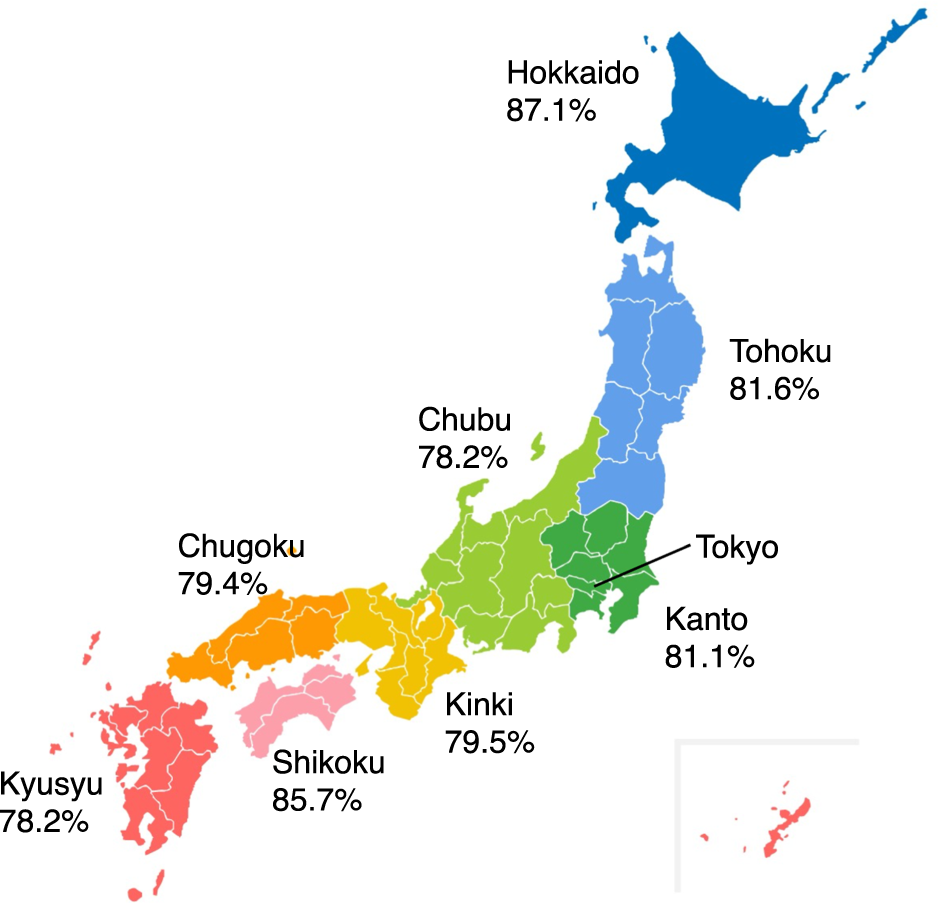
Opposition in Japan to the Olympics during the COVID-19 pandemic
Effect of the Tokyo 2020 Summer Olympic Games on COVID-19 incidence in Japan: a synthetic control approach

Ex-event firm chief guilty over Tokyo Games bid-rigging
French Olympic probe eyes Japanese firm Dentsu
Tokyo Olympics sullied by bid-rigging, bribery trials more than 2 years after the Games closed

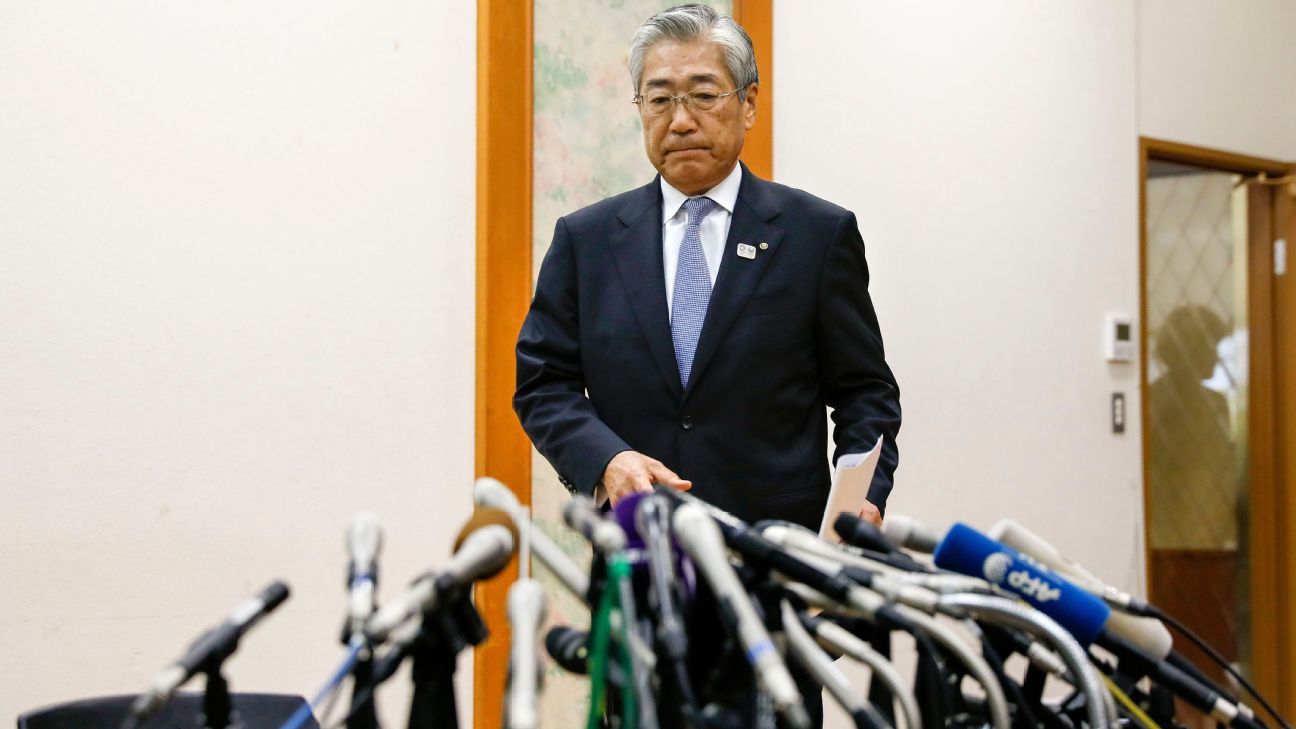
Takeda corruption probe sullies 2020 Tokyo Olympics and IOC